Our verdict
On Kandahar Street in Rochor, Cicheti occupies the intersection between Singapore's Italian dining scene and the neighbourhood's shophouse vernacular. The address places it among a small cluster of European-inflected restaurants along the Arab Street corridor, where the sourcing philosophy behind the food matters as much as what ends up on the plate. For a different read on the same block, Locanda offers a useful point of comparison.

Pearl is the En Primeur Club membership app, where members save venues, book tables and use the concierge.

Kandahar Street and the Ingredients That Arrive Here
Rochor's Kandahar Street sits at the edge of the Kampong Glam conservation district, where two-storey shophouses line a street that connects the Arab Street textile quarter to the quieter residential lanes behind it. The physical setting matters for understanding the restaurants that have opened here: the low ceilings, tiled floors, and narrow frontages of these colonial-era shophouses impose a particular intimacy on any dining format they contain. Cicheti, at number 52, is shaped by that constraint in the way that most worthwhile small-format restaurants are, the room determines the pace, the noise level, and the distance between you and the kitchen.
Italian trattorias operating in tropical cities carry an interesting sourcing problem. The canonical pantry of northern Italian cooking, San Marzano tomatoes, aged Parmigiano, Sicilian capers, Ligurian olive oil, is geographically fixed in ways that most Asian ingredients are not. What a Singapore-based Italian kitchen sources, and how it balances imported European staples against local produce, tells you more about its editorial position than its menu descriptions will. The restaurants along this corridor, including Cicheti and its neighbour Locanda, have each arrived at different answers to that question.
The Italian Trattoria in a Singapore Context
Singapore's Italian dining has stratified considerably over the past decade. At the upper end, formal European-leaning restaurants like Les Amis operate with European-trained kitchens, deep wine programs, and price points that position them against peers in London or Paris. Below that tier sits a more populous middle band: trattorias and osterie that reference Italian regional cooking without aiming for the formality of the white-tablecloth genre. Cicheti belongs to this middle band, where the sourcing conversation is arguably more interesting because the constraints are tighter and the compromises more visible.
The Italian wine and cicchetti format that the name references has Venetian origins. In Venice, cicchetti are bar snacks served in bacari, small wine bars where standing at the counter is standard and the food is designed for grazing rather than structured dining. That format has migrated into restaurant contexts across Europe and beyond, typically softening into something closer to small plates with a wine list that does the structural work. In Singapore's humidity and heat, the format adapts further: the pacing slows, the portions adjust, and the sourcing of certain ingredients becomes a practical negotiation between what travels well and what is grown locally.
For Italian restaurants in Southeast Asia, the credibility markers tend to cluster around a few specific indicators: house-made pasta, Italian regional specificity on the wine list, imported DOP-certified ingredients for the components where provenance is non-negotiable, and a visible willingness to let local produce carry secondary roles. The trattorias that handle this balance well sit in a different category from those that simply import everything at significant cost or, alternatively, those that substitute freely without acknowledgement.
Kampong Glam as a Dining Neighbourhood
The Arab Street corridor has developed a dining character that sits slightly apart from Singapore's more commercial restaurant districts. Orchard Road and the CBD attract the highest-density concentration of formal European restaurants; Kampong Glam has attracted a different kind of operator, one more likely to be working in a single converted shophouse than a purpose-built dining room. The area's foot traffic skews toward the evening, when the textile and souvenir shops close and the restaurants become the primary draw. This has consequences for the kind of atmosphere a restaurant like Cicheti can generate: the street outside is quieter than a hawker centre precinct but livelier than a hotel dining corridor.
The Rochor area's dining options span a wider range than the neighbourhood's relatively modest size might suggest. Fu He Delights represents the Chinese dining end of the local spectrum, while the European-leaning restaurants along Kandahar and the adjacent streets offer a different entry point. Cicheti sits in the latter category, positioned for evening dining in a neighbourhood that rewards walking between venues.
For context on how Singapore's Italian and European dining options compare more broadly, Etna Restaurant in Outram and Little Italy in Katong each represent different geographic and price-tier positions within the same general category. The Rochor address gives Cicheti a neighbourhood specificity that the Katong or Outram alternatives don't share, the shophouse setting is not replicable in a mall or hotel environment.
Planning a Visit
Kandahar Street is walkable from Bugis MRT on the East-West and Downtown lines, making it accessible from most parts of Singapore without a taxi. The shophouse format means seating is limited, and the format's popularity in this neighbourhood, where small-format Italian and European restaurants draw consistently from both local and expatriate dining communities, means planning ahead is advisable. For visitors coming from elsewhere in the city, Béni in Orchard and OCEAN Restaurant in the Southern Islands represent the higher price tier of Singapore European dining, while Cicheti occupies a more accessible position in the same broad category. Those exploring Singapore's full dining range might also find it useful to read across to Ah Ter Teochew Fishball Noodles in the Downtown Core or San Yuan in Kallang for the hawker end of the spectrum. Further international reference points, Le Bernardin in New York and Lazy Bear in San Francisco, illustrate how the small-format, ingredient-focused restaurant has developed in other cities. Additional Singapore options worth knowing include Real Food in River Valley, Asian Twist by 365 Food in Queenstown, Haidilao Hot Pot in Sembawang, KTMW chicken rice tea-cafe in Bedok, Du Du Shou Shi in Jurong West, and Bugis Street Ah Huat Hainanese Chicken Rice at Changi Airport.
Frequently asked questions
Does Cicheti work for a family meal?
The Kandahar Street shophouse setting suits small-to-mid-sized groups reasonably well. Trattoria formats in Singapore's conservation districts typically offer shared plates and pasta courses that work across age groups, though the narrow shophouse floor plan can make larger family gatherings tight. Groups of four to six are likely the sweet spot at a venue of this scale.
What is the atmosphere like at Cicheti?
Cicheti occupies a two-storey shophouse at 52 Kandahar Street in Rochor, within the Kampong Glam conservation district. The surrounding streetscape, lined with heritage shophouses connecting the Arab Quarter to Bras Basah, sets a quieter tone than Singapore's commercial dining corridors. Expect a neighbourhood trattoria register rather than the formal European atmosphere found at upper-tier Italian restaurants elsewhere in the city.
Is Cicheti in Singapore's Kampong Glam a good option for Italian wine with dinner?
Italian trattorias operating in Singapore's mid-to-upper casual tier typically anchor their lists around regional Italian producers, and the Kampong Glam setting at 52 Kandahar Street positions Cicheti within a neighbourhood where independent, independently minded dining concepts have taken root. Whether the wine list skews by-the-glass-heavy or bottle-focused is best confirmed with the restaurant directly, as list depth varies considerably across Singapore's Italian venues.
What's the signature dish at Cicheti?
For the most accurate picture of the current menu, checking directly with the restaurant at 52 Kandahar Street before visiting is the practical approach.
What's the address for Cicheti?
Cicheti is located at 52 Kandahar St, Singapore 198901, Rochor.
How far ahead should I plan for Cicheti?
Kandahar Street draws consistent foot traffic from the Kampong Glam dining crowd, and smaller shophouse restaurants in this corridor tend to fill on weekend evenings without much buffer. A booking placed several days ahead for weeknights and at least a week out for Friday or Saturday is a reasonable baseline. Confirmed booking windows are best verified directly with the venue.
Comparable Spots, Quickly
| Venue | Cuisine | Price | Awards | Notes |
|---|---|---|---|---|
| CichetiThis venue (the venue you are viewing) | Rustic Italian Trattoria with Neapolitan Pizza | $30–50 | Not listed | Not listed |
| Zén | Neo-Nordic with Japanese Influences | $500+ | 3 Michelin Stars · Michelin Guide 3 Stars | European Contemporary |
| Jaan by Kirk Westaway | Modern British Fine Dining | $200–300 | 2 Michelin Stars · Michelin Guide 2 Stars | British Contemporary |
| Born | Contemporary Fusion Fine Dining | $200–300 | 1 Michelin Star · Michelin Guide 1 Star | Creative Cuisine, Innovative |
| Burnt Ends | Modern Australian Barbecue | $100–150 | 1 Michelin Star · Michelin Guide 1 Star | Australian Barbecue, Barbecue |
| Iggy's | Modern European with Japanese Influence | $150–200 | 1 Michelin Star · Michelin Guide 1 Star | Modern European, European Contemporary |
Continue exploring
More in Singapore
Restaurants in Singapore
All restaurants in Singapore →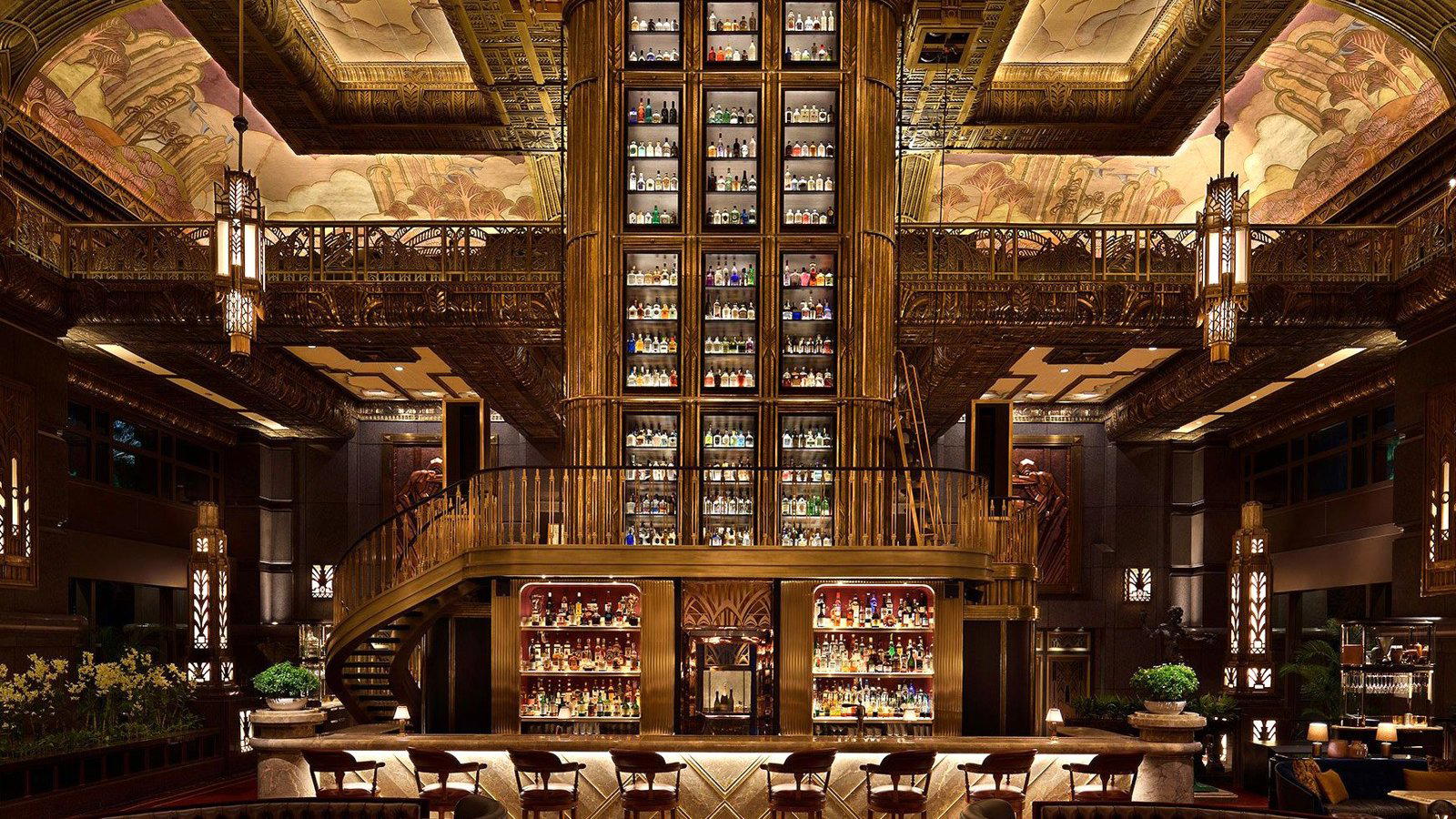
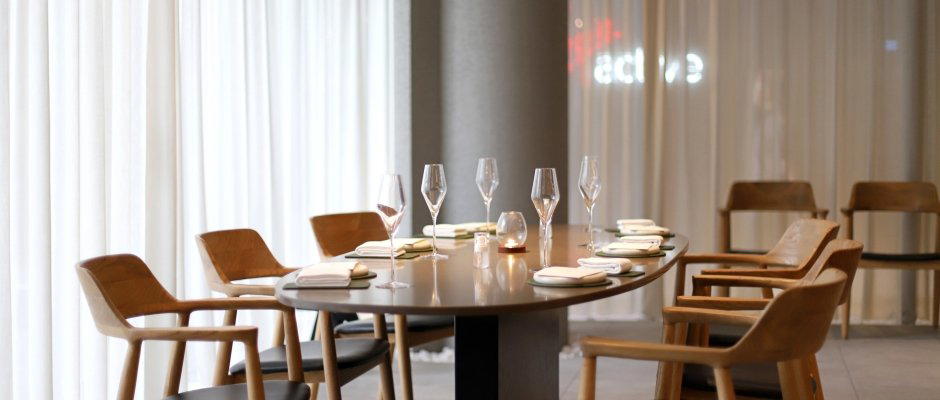
Bars in Singapore
All bars in Singapore →
Details
- Rustic
- Cozy
- Trendy
- Date Night
- Casual Hangout
- Open Kitchen
- A La Carte
- Small Plates
- Vegetarian Friendly
Current opening hours
- Monday
- 12–2:30 PM, 6–9:30 PM
- Tuesday
- 12–2:30 PM, 6–9:30 PM
- Wednesday
- 12–2:30 PM, 6–9:30 PM
- Thursday
- 12–2:30 PM, 6–9:30 PM
- Friday
- 12–2:30 PM, 6–10 PM
- Saturday
- 12–2:30 PM, 6–10 PM
- Sunday
- 12–2:30 PM, 6–9:30 PM
Hours can change for holidays and private events. Hours as of .
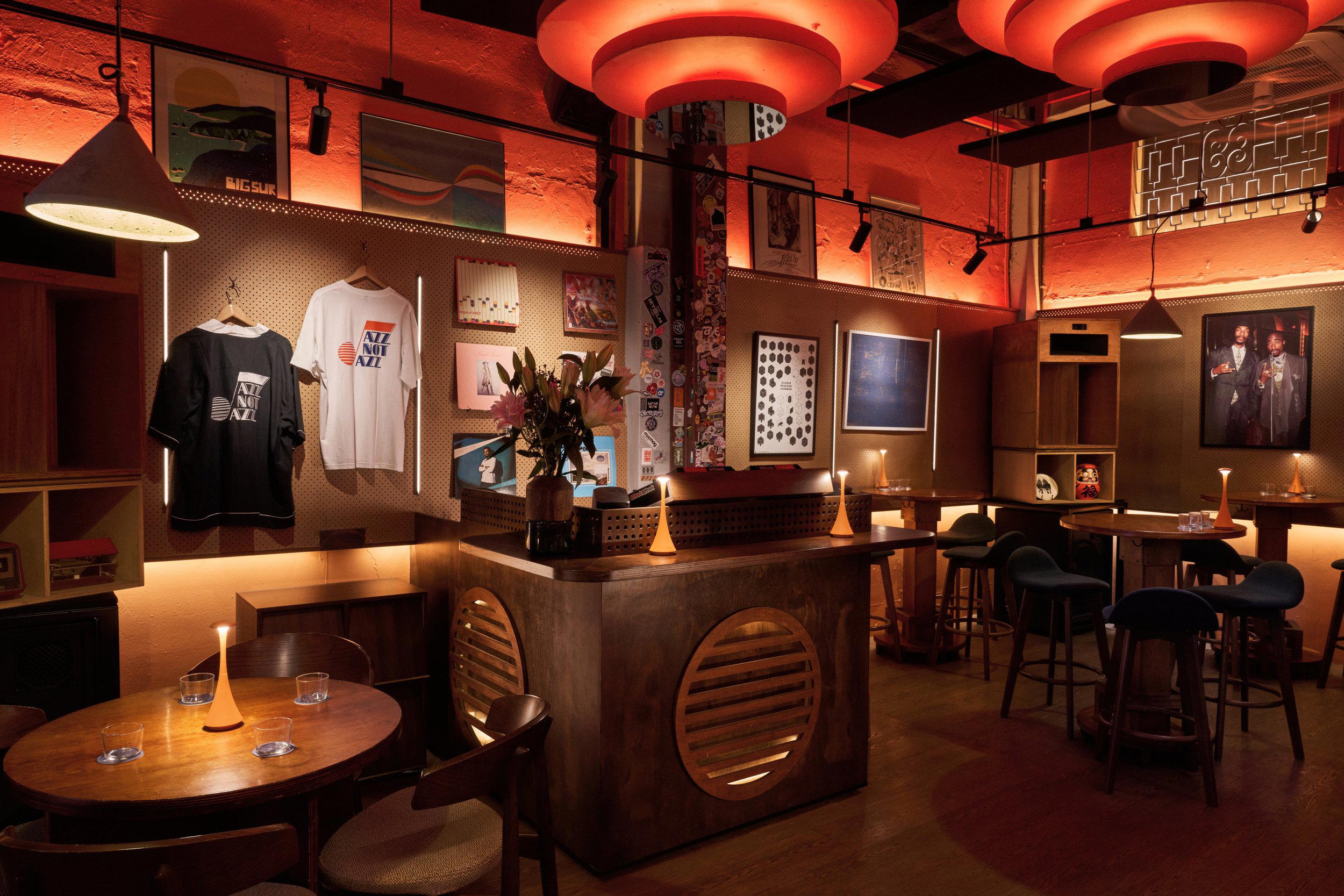
Urbane space blending old-world charm with modern design, exuding welcoming warmth and good vibes.