Nasi Lemak Ayam Taliwang Signature brings together two of Southeast Asia's most distinct rice traditions, Singapore's nasi lemak and Lombok's fiery ayam taliwang, under one address. The result is a menu architecture that reads as a study in cross-regional Malay-Indonesian cooking rather than a direct hawker play. For visitors working through Singapore's broader eating scene, it offers a point of differentiation from the city's more familiar hawker staples.
Pearl is the En Primeur Club membership app — saves, bookings, and concierge access live there. Same editors, same standards.
- Address
- 198687
- Directions
- Get directions
 Saves & bookings on Pearl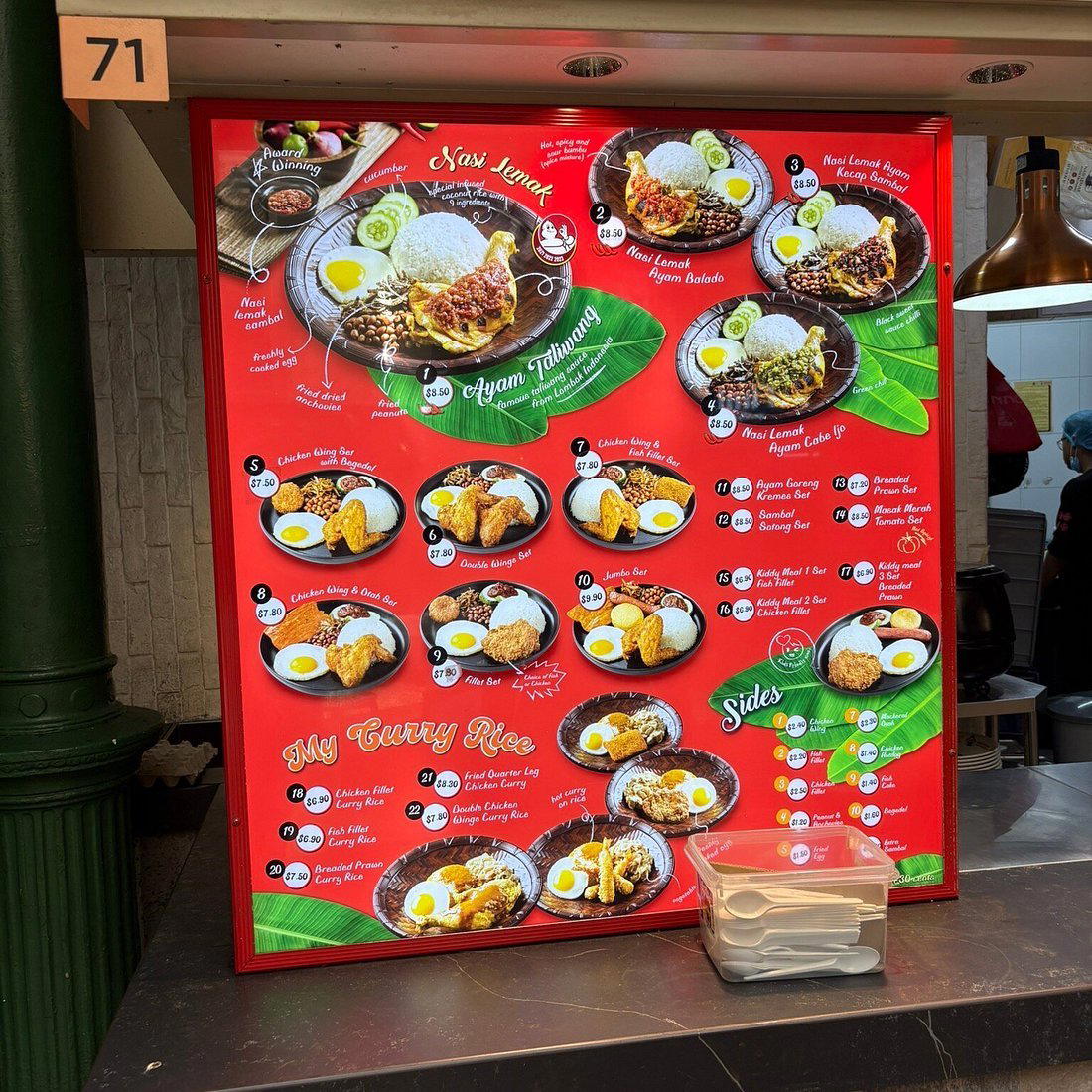
Where Two Rice Traditions Meet
Singapore's hawker scene has always operated as a kind of living index of the region's migrations and culinary debts. Nasi lemak arrived via the Malay Peninsula; ayam taliwang is native to Lombok, Indonesia, built on a base of roasted chicken dressed in a chile-and-shrimp paste that carries more heat and more structural complexity than most casual diners expect. The address at postal code 198687 sits within a city where these two traditions have, until relatively recently, tended to stay in separate registers. What makes this particular spot worth tracking in the context of Singapore's evolving hawker offer is precisely the decision to read them as a single menu system rather than two parallel options.
That editorial decision, and it is a decision, even in a hawker context, tells you something useful about where casual dining in Singapore is heading. Across the city, a generation of operators is pressing against the single-dish identity that once defined hawker stalls, building menus that ask for a more considered ordering sequence. You can see the same logic at work across neighbourhoods from Bedok to Jurong West, where spots like KTMW chicken rice tea-cafe in Bedok and Du Du Shou Shi in Jurong West are similarly expanding what a single-category stall can contain.
Menu Architecture as the Argument
The name itself functions as the menu in miniature. Nasi lemak, coconut rice, sambal, ikan bilis, egg, cucumber, is the platform. Ayam taliwang is the protein centrepiece. The pairing is not arbitrary: both dishes carry a sambal logic at their core, though the Lombok version runs hotter and more acidic than the sweeter, more rounded sambal that typically anchors a Singaporean nasi lemak. Putting them together creates a layering effect where the chile heat of the taliwang reads against the fat of the coconut rice rather than fighting it.
This kind of menu thinking, where the base dish is chosen specifically to carry and moderate the signature protein, is more common in formal restaurant contexts than in hawker ones. At the higher end of Singapore's dining spectrum, places like Odette and Zén spend considerable energy on exactly this kind of structural pairing at the tasting-menu level. The fact that a similar logic is operating at hawker price points is the more interesting story.
For comparison, the city's broader Malay-Indonesian hawker offer tends to keep the two cuisines in separate stalls, where nasi lemak counters focus on sambal variety and ayam dishes appear in their own standalone format. Bringing them into a single named identity compresses the ordering decision and, in doing so, makes a claim about which combination is worth committing to. That compression is a curatorial act.
Placing It in Singapore's Eating Map
Singapore's food culture splits, broadly, between destination dining at the leading, the Michelin-starred tier represented by addresses like Les Amis and Jaan by Kirk Westaway, and the daily-use hawker and coffee shop layer that most residents actually eat from most of the time. Nasi Lemak Ayam Taliwang Signature operates in that second register, where the competitive set is defined less by awards and more by repeat custom, proximity, and the specificity of what's on offer.
Within that register, Malay-Indonesian cooking occupies a particular position. It is not as heavily covered by international food media as the city's Chinese or Peranakan traditions, which means operators in this space are building reputations largely through local word of mouth rather than guidebook placement. That dynamic makes the menu architecture argument more important, not less: if you can't rely on a Michelin star or a 50 Best mention to draw first-time visitors, the name and the menu structure have to do the work of explaining why this specific combination is worth seeking out.
Visitors already working through the city's broader eating options, the modern Chinese at Imperial Treasure Fine Chinese Cuisine in Downtown Core, the Italian at Little Italy - Katong in Marine Parade, or the experimental end of the spectrum at Meta, will find this a useful contrast point. It represents a part of the city's eating culture that the fine-dining tier doesn't cover and that the standard hawker tour often skips in favour of more photogenic or better-documented options.
For a fuller view of what the city offers across price points and cuisine types, our full Singapore restaurants guide maps the relevant tiers. Related neighbourhood eating worth considering includes Asian Twist by 365 Food in Queenstown, Fu He Delights in Rochor, and Etna Restaurant in Outram for a cross-section of the mid-market. For hot-pot in a different register entirely, Haidilao Hot Pot at Sun Plaza in Sembawang operates at the chain-with-service-standards end of the spectrum. The Kallang area offers its own version of this kind of local specialist eating at 大巴窑93茶粿 in Kallang.
Planning Your Visit
The postal code 198687 places the address in the central region of the island; cross-referencing with a transit map before visiting is advisable, as hawker centres in this bracket are typically reachable by MRT with a short walk. Arriving during off-peak hours, mid-morning or mid-afternoon rather than the noon and 7pm rushes, generally reduces queue time at popular stalls in this format.
For context on how this address sits within Singapore's broader premium and casual dining offer, addresses like Béni in Orchard represent the formal end of the French-influenced dining spectrum, while the New York comparisons, Le Bernardin and Atomix, illustrate how cities with strong hawker traditions also sustain technically demanding fine-dining tiers that operate on entirely separate logic.
The Minimal Set
Comparable venues nearby, for context on price, style, and recognition.
| Venue | Cuisine | Price | Notes |
|---|---|---|---|
| Nasi Lemak Ayam Taliwang SignatureThis venue — the venue you are viewing | Not listed | $$ | Not listed |
| Le Mont | CHINATOWN, Malaysian and Singaporean | $$ | Not listed |
| Chilli Padi (Joo Chiat) | Not listed | $$ | GEYLANG EAST, Authentic Peranakan / Nonya |
| 328 Katong Laksa | KATONG, Katong Laksa | $$ | Not listed |
| Nasi Padang Sabar Menanti | Not listed | $$ | KAMPONG GLAM, Authentic Minangkabau Nasi Padang |
| Ikkousha Ramen Chijmes | CITY HALL, Hakata Tonkotsu Ramen | $$ | Not listed |
Continue exploring
More in Singapore
Restaurants in Singapore
Browse all →
Bars in Singapore
Browse all →
At a Glance
- Lively
- Trendy
- Casual Hangout
- Open Kitchen
- Street Scene
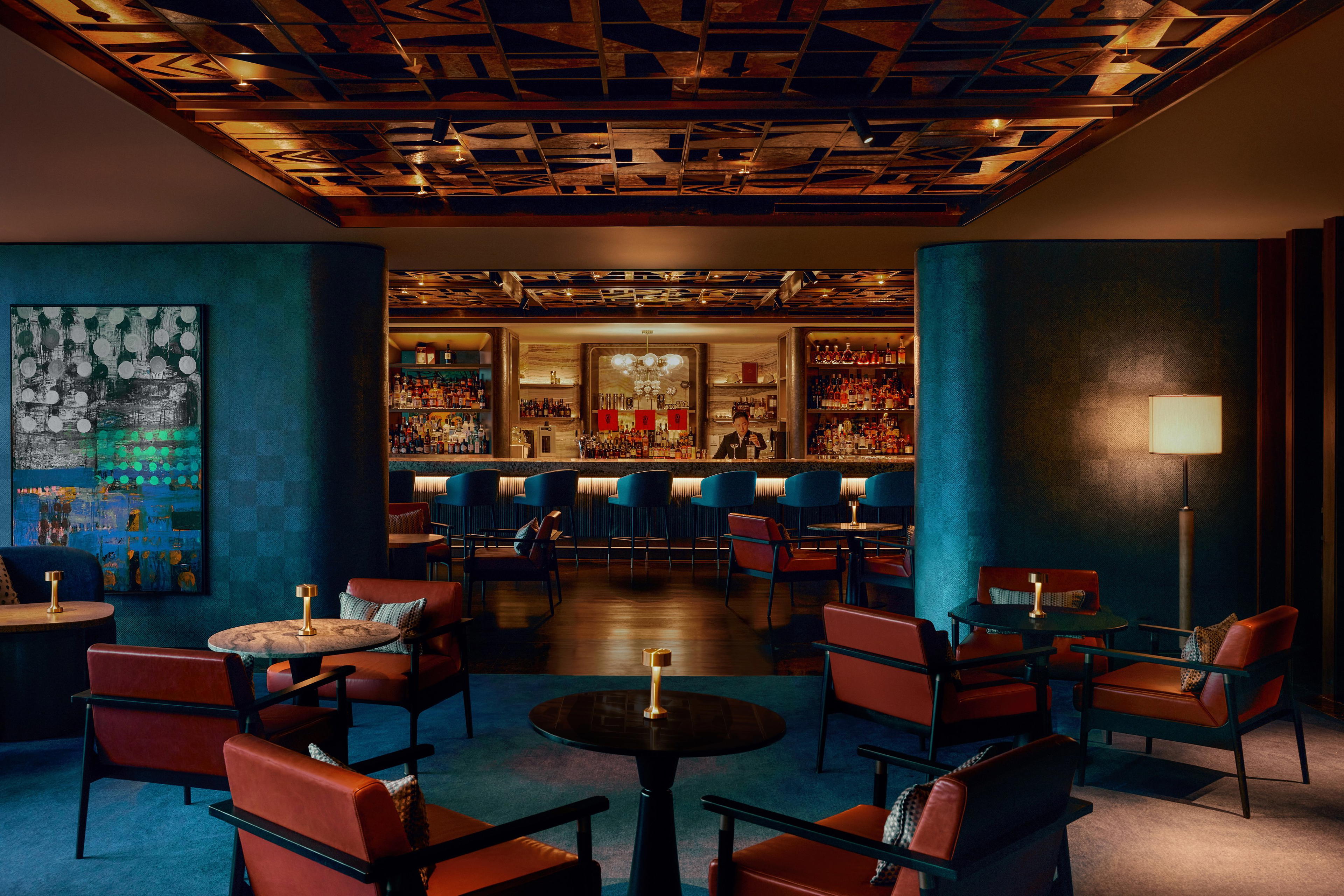
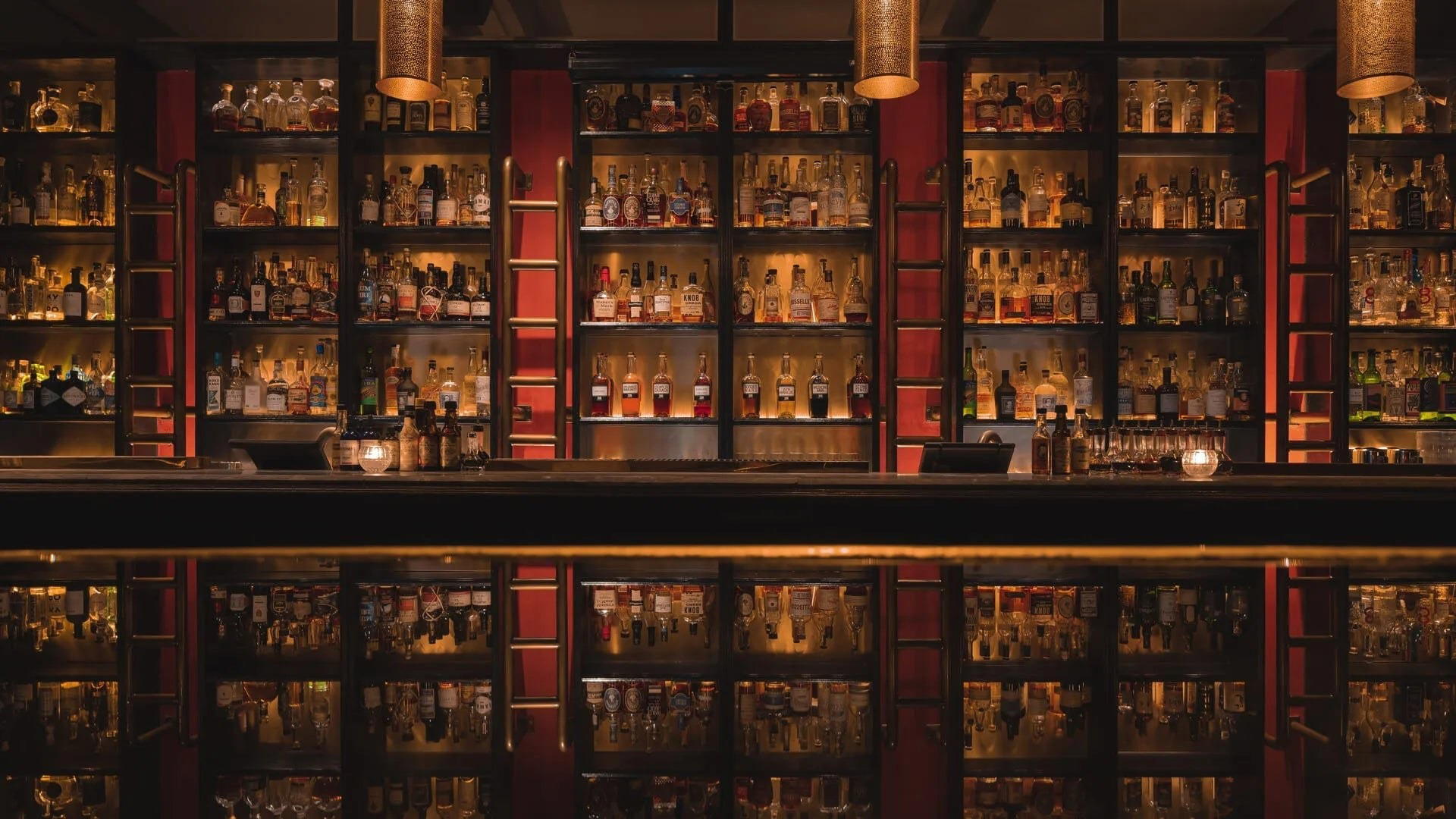
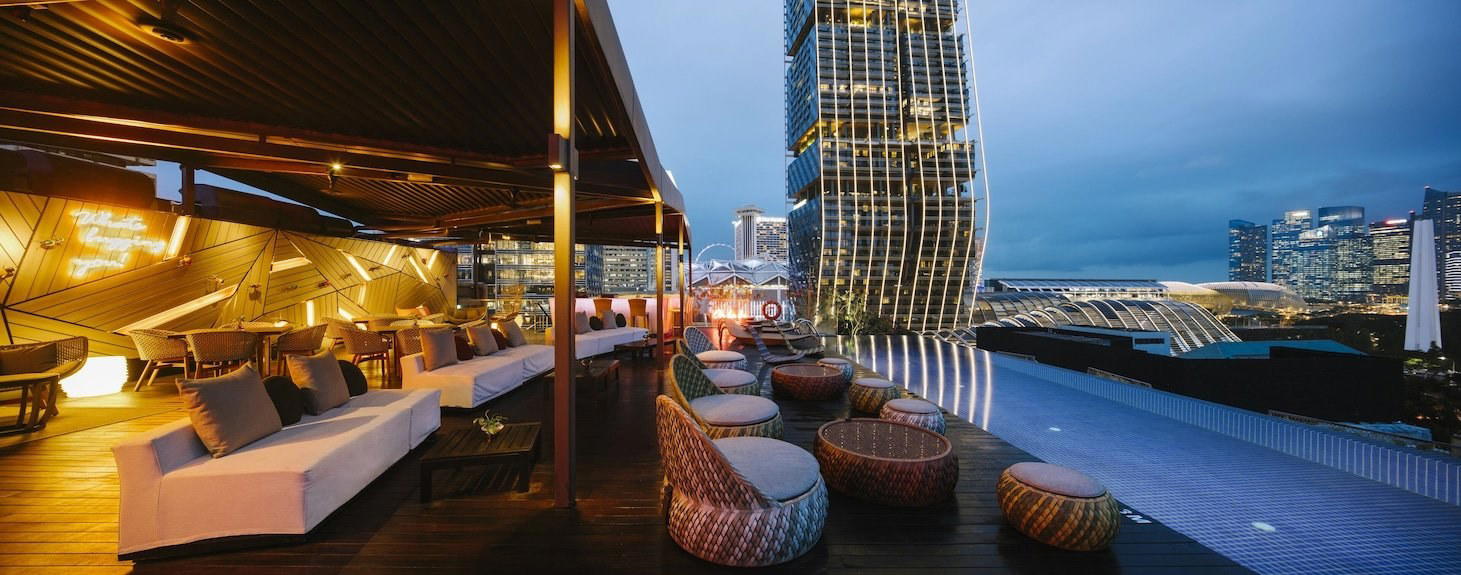
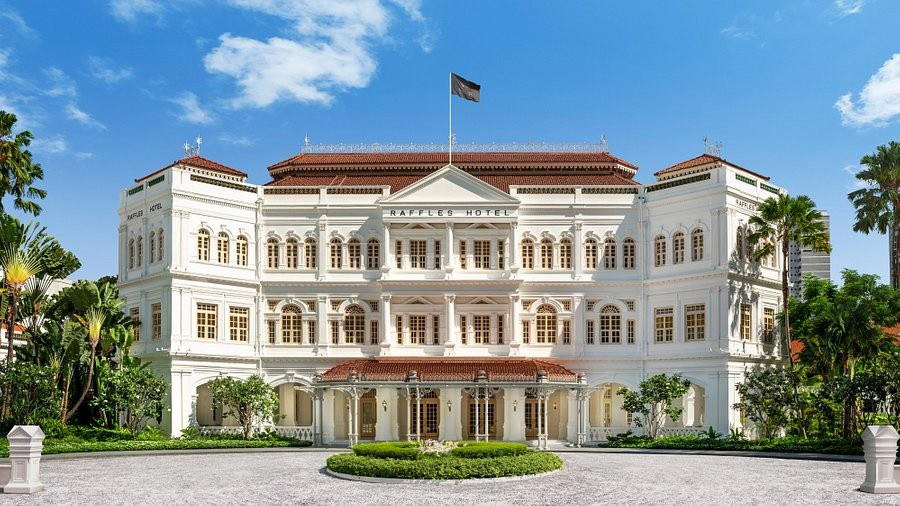
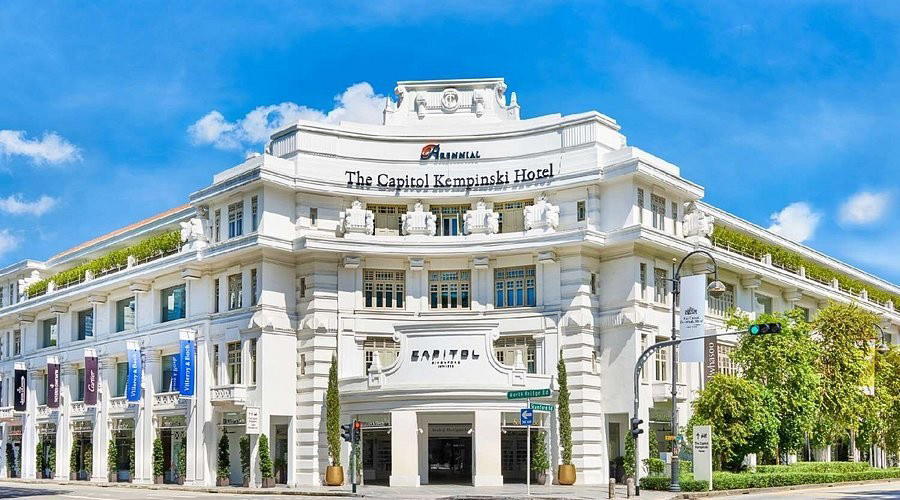
Bustling hawker centre atmosphere with lively hawker energy and communal seating under Victorian-era architecture.