Asian Twist by 365 Food
Asian Twist by 365 Food serves Asian Fusion at 2 Science Park Dr, #01-26/27/28 Ascent, with Michael Chickson and Pork Job among the signatures; casual, conversational pacing suits lunch or dinner.
Pearl is the En Primeur Club membership app — saves, bookings, and concierge access live there. Same editors, same standards.
- Address
- 2 Science Park Dr, #01-26/27/28 Ascent, Singapore 118222
- Phone
- +6596999233
- Website
- 365food.com.sg
- Directions
- Get directions
 Saves & bookings on Pearl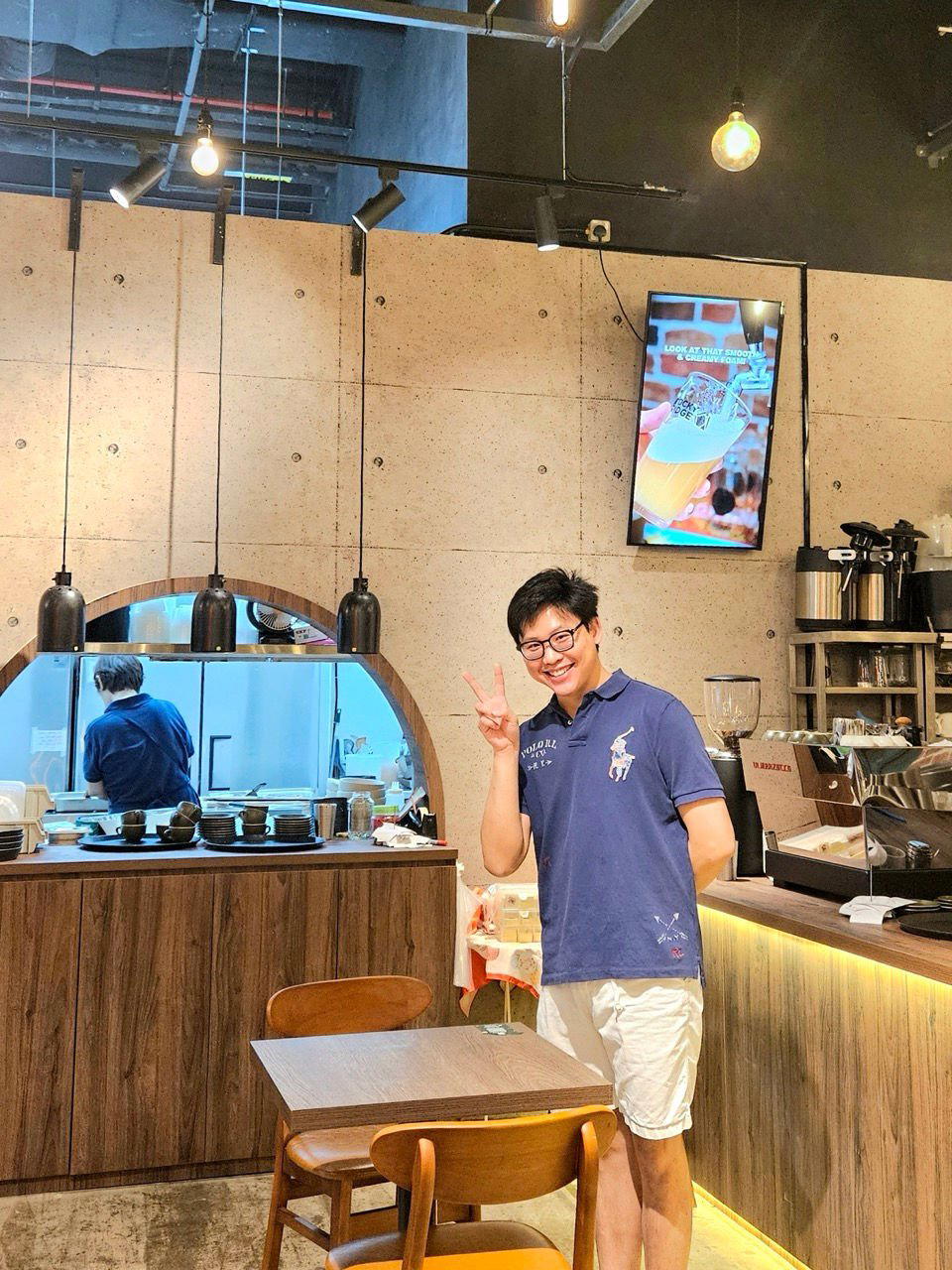
Science Park's Quiet Shift Toward Asian-Inflected Dining
The stretch of one-north and Science Park in Singapore's southwest corridor has never been a dining destination in the conventional sense. It draws its lunch crowd from the research institutes, biotech campuses, and tech offices that line the area, and dinner trade thins considerably once the workday ends. Within that context, the presence of a restaurant operating under an explicitly pan-Asian frame at Ascent in Science Park Drive reflects a broader pattern visible across Singapore's suburban commercial clusters: operators positioning themselves as an alternative to the hawker-centre default without pitching at the price point of a full-service restaurant in Orchard or the CBD.
Asian Twist by 365 Food occupies units 01-26, 01-27, and 01-28 on the ground floor of Ascent at 2 Science Park Drive. The multi-unit footprint suggests a seating capacity scaled for the captive lunchtime office crowd rather than a destination dining room, which shapes everything about how the kitchen operates and what it can credibly deliver. In Singapore's dining geography, this is a different competitive register entirely from the formal table-service tier represented by venues like Les Amis in Singapore or Béni in Orchard, and comparing them would misread the purpose of both.
The Logic of Pan-Asian Sourcing in a Science Park Setting
Pan-Asian menus, when executed with attention to ingredient origin rather than category breadth, tend to reflect a specific supply-chain discipline. The challenge for any kitchen drawing across Chinese, Southeast Asian, and East Asian traditions simultaneously is coherence: ingredients sourced for a Thai preparation do not always double effectively into a Japanese-adjacent dish, and the temptation to standardize toward a middle-ground that serves neither tradition well is real. Singapore's position as a regional logistics hub gives kitchens here access to a wider procurement network than most comparable cities, with wet markets, specialized importers, and regional produce flowing through the island's port infrastructure on a scale that benefits mid-market operators as much as fine-dining institutions.
That infrastructure advantage is visible across Singapore's mid-market Asian dining scene generally, from the zi char operators in Kallang to the more product-focused kitchens in areas like Rochor and Bedok. Venues such as Fu He Delights in Rochor and KTMW chicken rice tea-cafe in Bedok operate within that same regional supply logic, where the quality of a dish's core protein or aromatics often matters more than kitchen technique at the margin. The same principle applies in the Science Park corridor: at this price tier and format, sourcing discipline separates the kitchens that maintain consistency from those that drift toward cost-driven substitution.
Where This Sits in Singapore's Broader Mid-Market Picture
Singapore's mid-market dining has fragmented considerably over the past decade. The gap between a hawker stall and a restaurant with full table service used to be bridged primarily by coffee shops and zi char restaurants; that middle tier now includes fast-casual formats, canteen-style operators with curated menus, and hybrid concepts that borrow presentation cues from the upper market while holding at accessible price points. The suburban commercial cluster is one of the primary environments where these formats have taken hold, because the lunch demand from large office populations creates a reliable revenue base that destination dining cannot count on.
For context on how Singapore's more formal Asian dining segment is structured, Imperial Treasure Fine Chinese Cuisine in Downtown Core anchors the upper end of Chinese-cuisine fine dining on the island, while operators like 大巴窑93茶粿 in Kallang and Haidilao Hot Pot at Sun Plaza in Sembawang map the high-volume casual end. Asian Twist by 365 Food occupies the office-canteen-adjacent segment rather than either pole, which is a legitimate and well-trafficked position in Singapore's dining structure, if a less visible one from the outside.
Getting There and Planning Your Visit
Ascent at Science Park Drive is accessible via the Kent Ridge MRT station on the Circle Line, with the campus a short walk from the station exit. The address at 2 Science Park Drive places it within the first Science Park cluster rather than the newer one-north developments further north, which is worth confirming before traveling from the city center. Parking is available within the Ascent building for those arriving by car. Booking details, contact information, and current menu pricing are best confirmed directly with the venue before planning a specific visit.
A Note on Queenstown Comparisons
This appears to be a data classification point worth noting for readers who arrived here via Queenstown dining searches. If you are researching dining in Queenstown, New Zealand, the editorial context shifts considerably: Queenstown's dining scene runs toward premium New Zealand produce, lakeside settings, and wine-forward programs anchored by the Central Otago region. Amisfield and Rātā represent that wine-and-produce tradition at the upper end, while Botswana Butchery and Bespoke Kitchen cover the meat-focused and casual-daytime segments respectively. BarUp extends the Queenstown evening further.
For readers focused on Singapore, the city's dining range extends from the Science Park corridor outward to concentrated dining districts with far higher density. Etna Restaurant in Outram, Little Italy Katong in Marine Parade, and Du Du Shou Shi in Jurong West each represent distinct neighbourhood dining cultures across the island. At the international reference end, Le Bernardin in New York City and Atomix in New York City illustrate how fine dining in major markets operates, providing a useful calibration point for understanding how Singapore's own upper-market segment positions itself globally.
How It Stacks Up
Comparable venues nearby, for context on price, style, and recognition.
| Venue | Cuisine | Price | Awards | Notes |
|---|---|---|---|---|
| Asian Twist by 365 FoodThis venue — the venue you are viewing | Asian Fusion | $$ | Not listed | Not listed |
| Taste of the World | International A La Carte | Not listed | Not listed | Singapore |
| ASIN | Progressive Asian Fine Dining | $$$$ | Not listed | Clarke Quay |
| La Bottega Enoteca | Pizza | Not listed | Not listed | Singapore |
| Restaurant Born | Contemporary French-Chinese Fusion | $$$$ | Not listed | CHINATOWN |
| Magpie | Modern Borderless Fusion | $$$ | Michelin Plate | TIONG BAHRU |
Continue exploring
More in Queenstown
Restaurants in Queenstown
Browse all →
Bars in Queenstown
Browse all →
At a Glance
- Cozy
- Modern
- Casual Hangout
Current opening hours
- Monday
- 11 AM–10 PM
- Tuesday
- 11 AM–10 PM
- Wednesday
- 11 AM–10 PM
- Thursday
- 11 AM–10 PM
- Friday
- 11 AM–10 PM
- Saturday
- 11 AM–10 PM
- Sunday
- Closed
Hours can change for holidays and private events. Last verified .
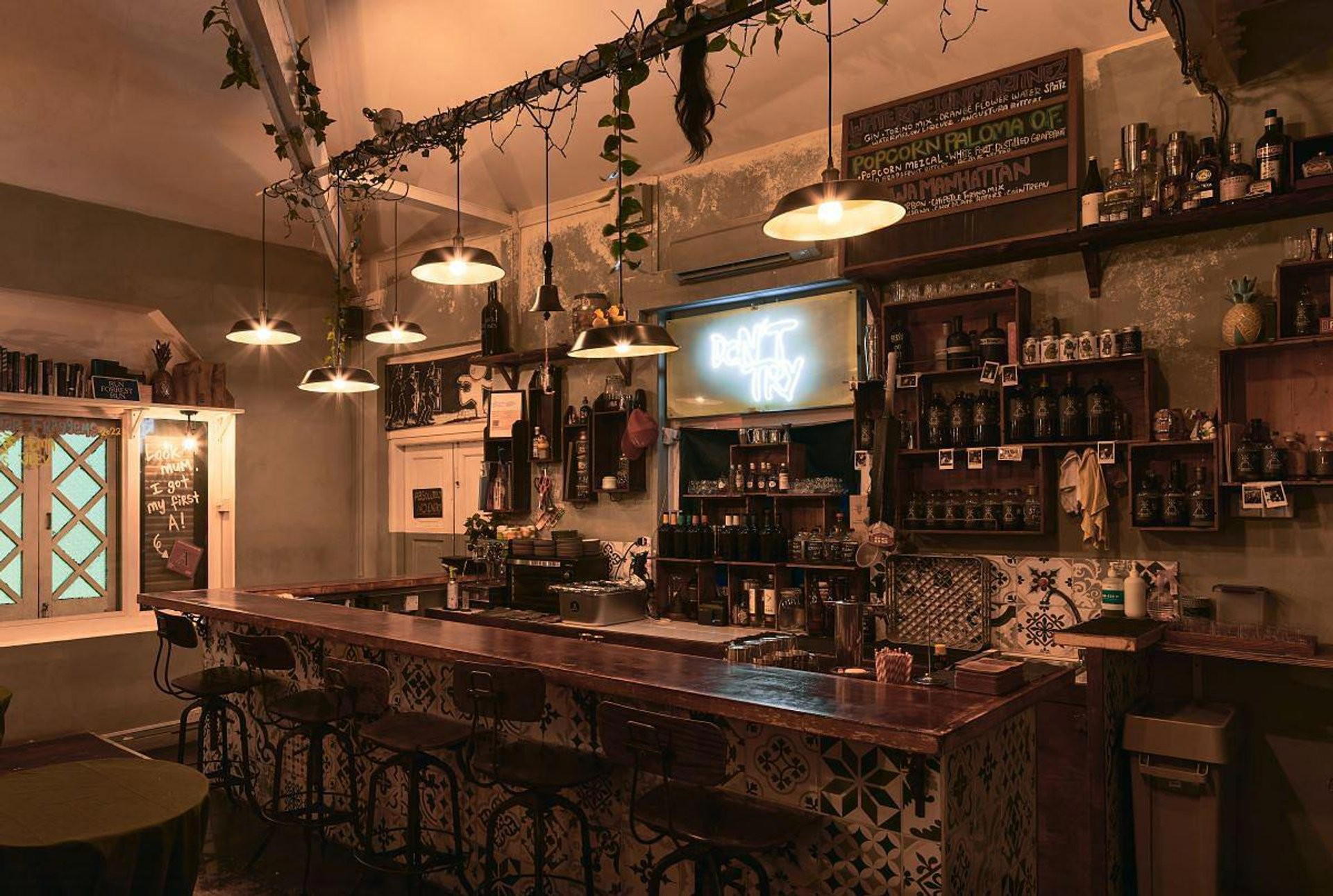
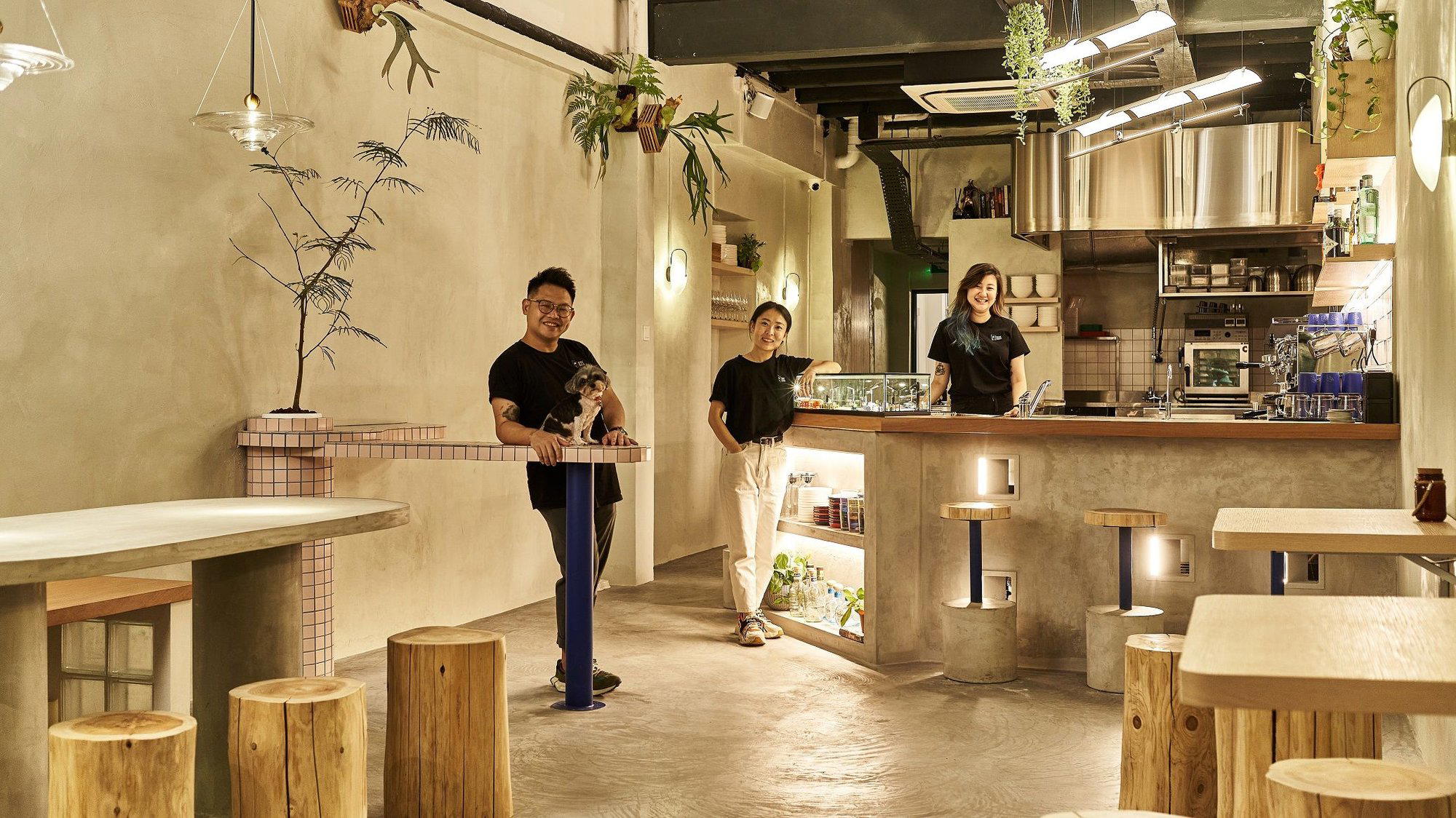
Clean and cozy atmosphere.