Heap Seng Leong serves Traditional Singaporean Kopitiam breakfast in a historic building, with Kopi Gu You and Kaya Butter Toast with Egg fitting a quick, casual stop.
Pearl is the En Primeur Club membership app — saves, bookings, and concierge access live there. Same editors, same standards.
- Address
- Singapore, Singapore
- Directions
- Get directions
 Saves & bookings on Pearl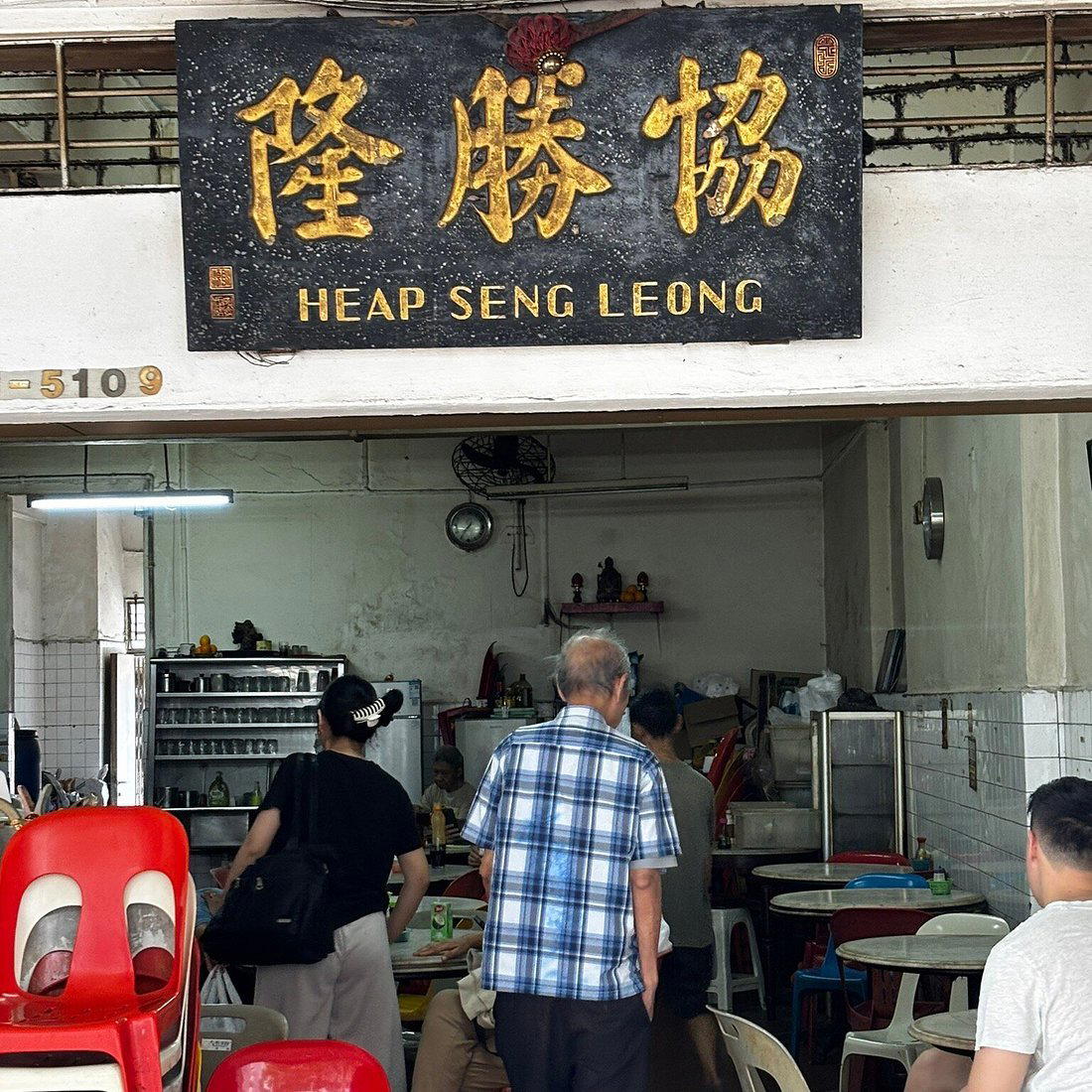
Where Chinatown Still Tastes Like Itself
Singapore's North Bridge Road corridor has spent two decades negotiating between preservation and gentrification. The shophouses along Tanjong Pagar and Neil Road now shelter wine bars, specialty coffee roasters, and tasting-menu restaurants that would not look out of place in Shoreditch or the Marais. Against that backdrop, Heap Seng Leong represents a different register entirely: the kopi tiam as it functioned before the food court and the lifestyle cafe redrew the category. Walking into a place like this, you are stepping into a format that Singapore's urban planners and heritage boards have tried, with limited success, to protect. The fluorescent lighting, the marble-leading tables worn smooth by decades of elbows, the condensed-milk kopi poured from a height to develop a controlled froth, these are not design decisions. They are the residue of a working practice that has not been updated because it has not needed to be.
The Kopi Tiam in Context
To understand what Heap Seng Leong represents, it helps to understand what the traditional kopi tiam has become in Singapore's broader food culture. The category divides roughly into three tiers: heritage operators running unchanged from the postwar decades; modernised hawker-cafe hybrids that borrow the aesthetic while updating the menu; and the specialty third-wave coffee scene, which has largely abandoned kopi culture in favour of pour-overs and single origins. Heap Seng Leong sits in the first tier, alongside a small cohort of surviving operators where the coffee style, the toasted bread format, and the pricing logic all belong to a pre-air-conditioned Singapore. That cohort is shrinking. Leases expire, successors do not materialise, and the economics of low-price high-volume food service in prime heritage districts grow harder each decade.
Singapore's Michelin Guide has, since 2016, documented the street food and hawker end of the market with unusual seriousness, awarding Bib Gourmand recognition to hawker stalls and recognising that the city's food identity does not sit exclusively at the level of Odette or Zén. That institutional recognition has made certain traditional formats more visible internationally, even as local economics make them harder to sustain. Heap Seng Leong occupies that tension: known to a generation of Singaporeans who grew up in North Bridge Road's orbit, and now documented by food writers seeking the city's pre-tourist-board layer.
North Bridge Road and What It Tells You
The address matters here. North Bridge Road, running through the Bugis and Kampong Glam corridor, carries a different character from the more heavily curated heritage blocks nearby. The street mixes provision shops, textile traders, old medical halls, and the kind of coffee shop that has not revised its signage since the 1980s. It is a working neighbourhood that happens to sit adjacent to Singapore's Arab Street quarter and within reasonable distance of the colonial civic district. That positioning means it has avoided the full gentrification pressure of, say, Tiong Bahru, while remaining accessible enough that it is not purely a local secret.
For visitors oriented toward Singapore's premium dining tier, those working through Les Amis, Jaan by Kirk Westaway, or Meta, a morning at a kopi tiam like Heap Seng Leong provides context that no tasting menu can. The cup of kopi-C kosong, the half-boiled eggs cracked into a bowl with soy sauce and white pepper, the charcoal-grilled kaya toast arriving on a ceramic plate: this is the baseline against which Singapore's entire food culture inflects. Understanding it does not require an anthropology background. It requires showing up before 9am and sitting at a marble table with the rest of the neighbourhood.
The Format and What to Expect
Traditional kopi tiams like Heap Seng Leong operate on a format that has remained stable across generations. Kopi, Robusta-heavy, roasted with sugar and butter or margarine in the Hainanese tradition, is brewed in a large sock filter and dispensed to order, with variations specified by a vocabulary (kopi-O, kopi-C, kopi siu dai) that regulars deploy without looking at any menu. The food side typically runs to kaya toast, soft-boiled or half-boiled eggs, and occasionally simple noodle dishes in the morning hours. The price points belong to a different economic register from the rest of Singapore's food scene: this is among the more affordable eating in the city, and the value is not discounted quality but an entirely separate tradition.
The morning hours are when the format makes most sense. By mid-morning the crowd thins, and by midday the character of the place shifts. Arriving between 7am and 9am places you inside the pattern the space was designed for: workers, retirees, and regulars from the surrounding blocks settling into a routine that a flat white at a specialty cafe cannot replicate. For visitors connecting between an early flight arrival and a hotel check-in, or those building a morning around the Bugis MRT corridor, the timing works practically as well as experientially.
Singapore's broader dining scene, from the formal Chinese dining rooms of the Downtown Core to the neighbourhood operators like Fu He Delights in Rochor and the hawker formats documented across districts from Bedok to Sembawang, exists in conversation with the kopi tiam tradition even when it does not acknowledge it directly. The kaya toast and half-boiled egg combination that restaurant serves is as structurally central to Singapore's food identity as the omakase counter is to Tokyo's. Both forms reward the same thing: showing up on their own terms.
Outram to Orchard and further out to Queenstown and Jurong West.
Planning Your Visit
The restaurant operates on North Bridge Road, accessible from Bugis MRT on the East-West and Downtown lines, placing it within a short walk of both the Arab Street quarter and the civic district. No reservation is required or possible: the walk-in format is the format. Arrive early, order at the counter or flag a server, and expect to share tables during peak morning hours. The price point is among the lowest you will encounter in Singapore's food scene. Cash is the conventional payment method at operators of this type, though this should be confirmed on arrival.
Category Peers
Comparable venues nearby, for context on price, style, and recognition.
| Venue | Cuisine | Price | Notes |
|---|---|---|---|
| Heap Seng LeongThis venue — the venue you are viewing | Traditional Singaporean Kopitiam | $ | Not listed |
| Nasi Lemak Ayam Taliwang Signature | Singaporean-Indonesian Nasi Lemak | $$ | Telok Ayer |
| Ya Kun Kaya Toast | Singaporean Kaya Toast | $ | MARINA CENTRE |
| Vernacular Coffee | Specialty Coffee and Viennoiseries | $$ | Guillemard Road |
| Newton Food Centre | Singaporean Hawker | $ | Newton |
| Guan Hoe Soon Restaurant | Authentic Peranakan (Nyonya) | $$ | GEYLANG EAST |
Continue exploring
More in Singapore
Restaurants in Singapore
Browse all →
Bars in Singapore
Browse all →
At a Glance
- Classic
- Casual Hangout
- Historic Building
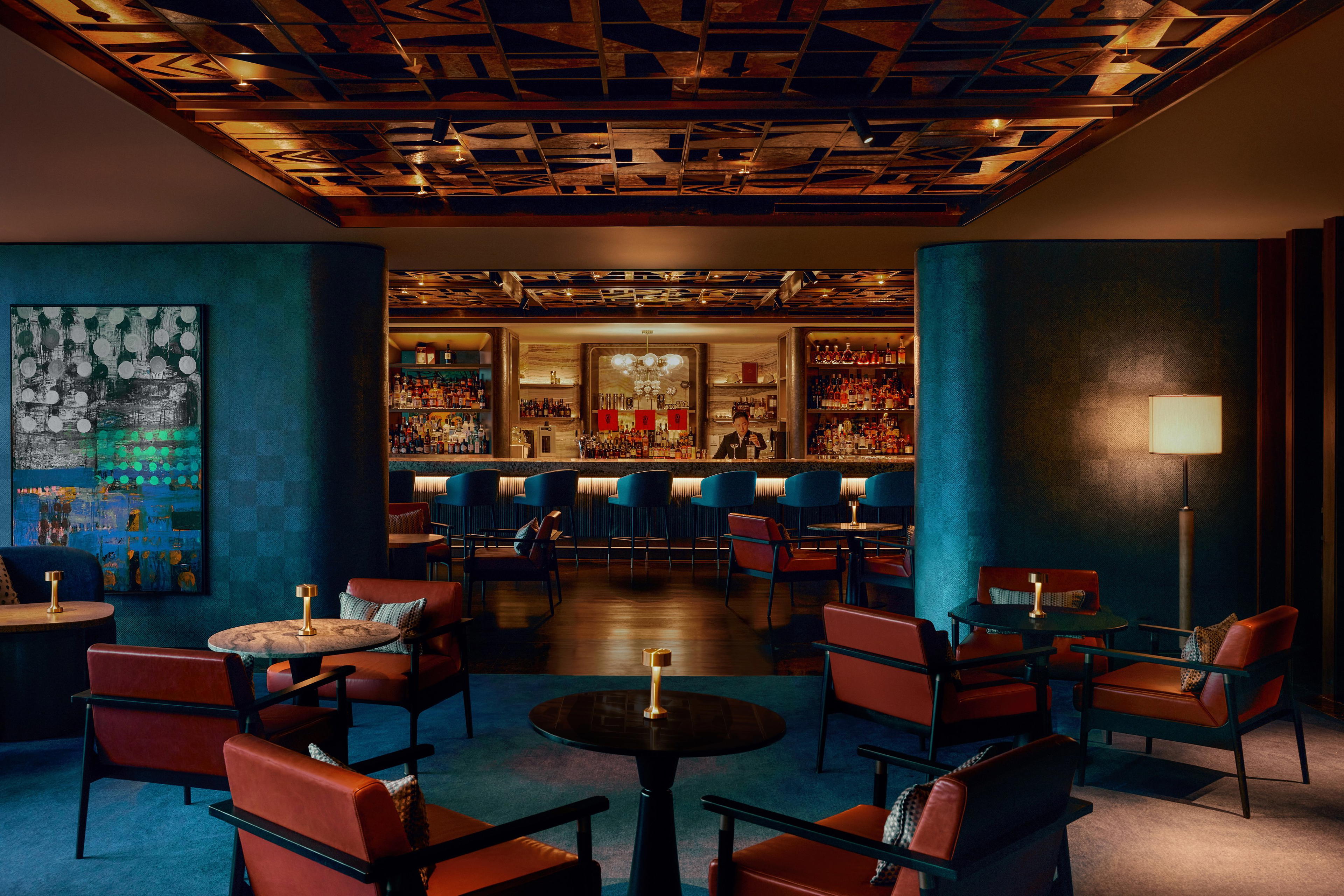
Retro 1950s-1970s kopitiam atmosphere with marble tables, plastic chairs, and vintage decor evoking old Singapore.