Our verdict
Rambagh Palace is one of the most storied heritage properties in Rajasthan, and Verandah Cafe occupies a quietly commanding position within its grounds. Where the palace's grander dining rooms lean formal, the Verandah offers a more relaxed register without abandoning the setting's architectural weight. For visitors to Jaipur who want proximity to that history without the ceremony of a full silver-service occasion, it serves as a practical and atmospheric entry point.

Pearl is the En Primeur Club membership app — saves, bookings, and concierge access live there. Same editors, same standards.
- Address
- RAMBAGH PALACE, Bhawani Singh Rd, Rambagh, Jaipur, Rajasthan 302015, India
- Phone
- +91 141 667 1234
- Hours
- Daily 12–11:45 PM
- Website
- tajhotels.com
- Directions
- Get directions
- Booking
- Book on the venue's website
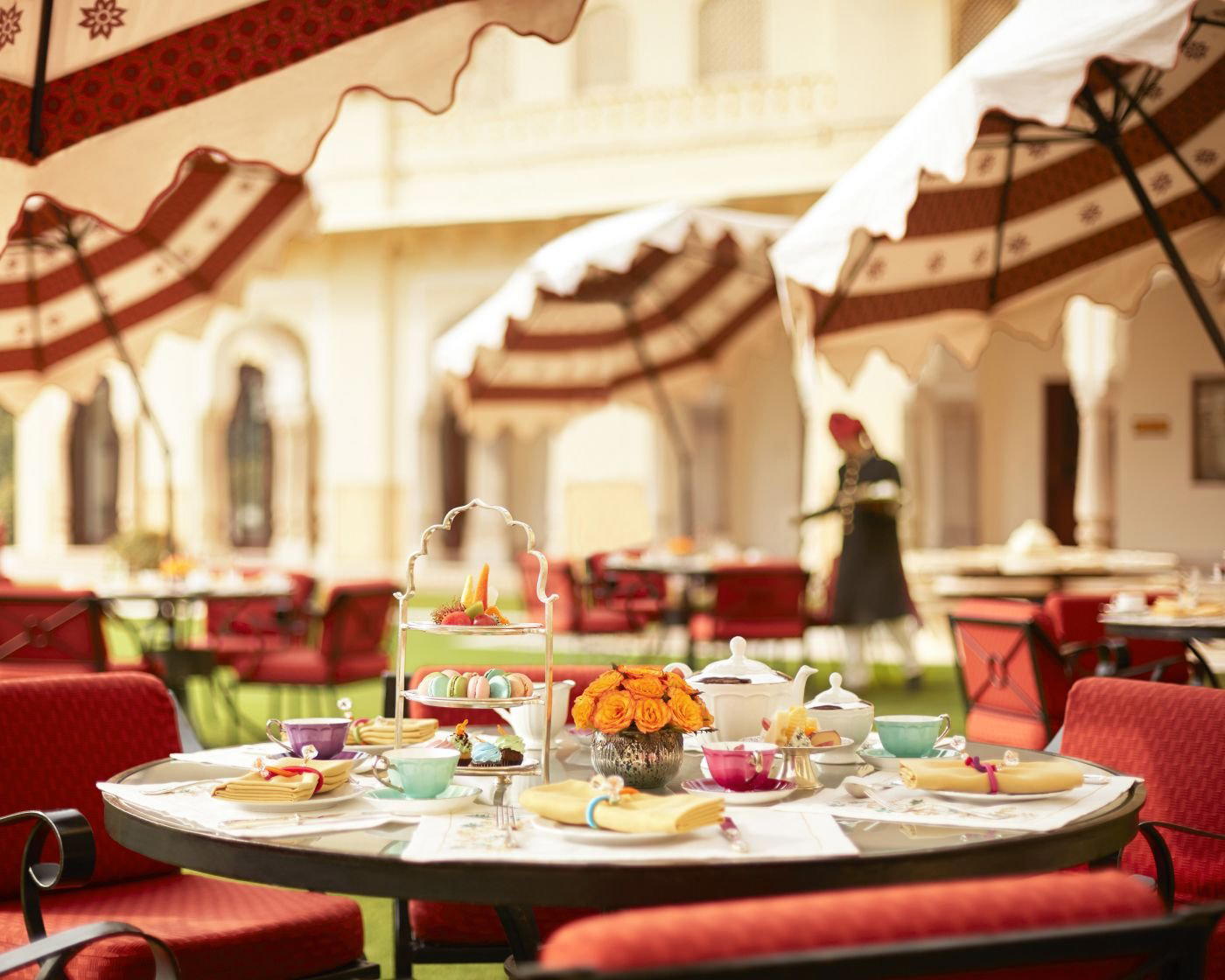
Dining Inside a Maharaja's Estate
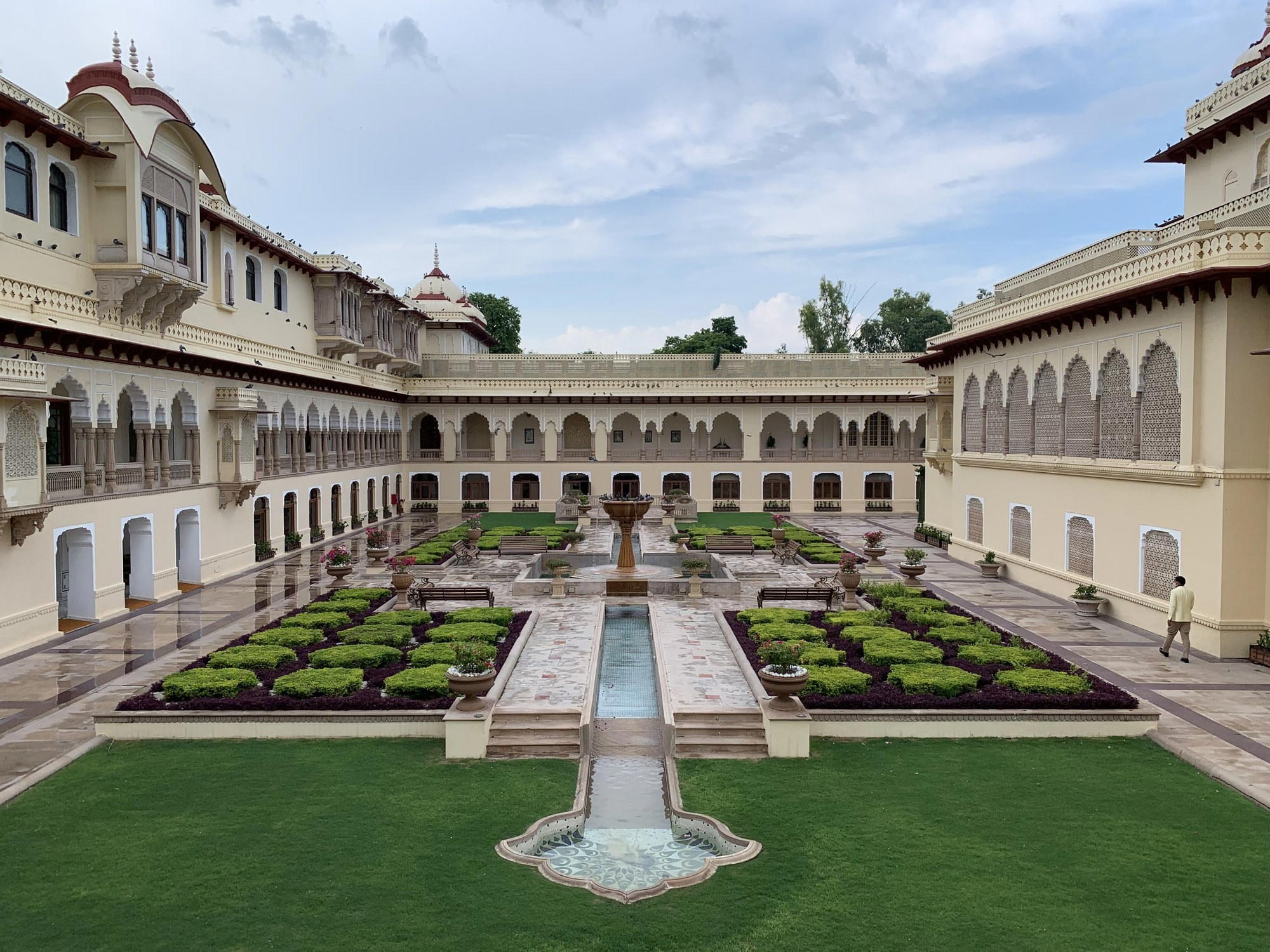
Rambagh Palace was the official residence of Maharaja Sawai Man Singh II before it became a hotel, and that biographical fact shapes every meal served on its grounds. The architecture is not a reproduction or a theme — it is the original fabric, which means Verandah Cafe operates within colonnaded verandahs and garden-facing terraces that were designed for a very different century. In Jaipur's heritage dining scene, this is the relevant starting point: the building precedes the restaurant by several decades, and the dining experience is inseparable from that context.
Heritage hotel dining in Rajasthan has split into two broad camps. The first is the grand-format durbar hall or banquet room, where tablecloths, silver service, and ceremonial presentation dominate — Suvarna Mahal, also within Rambagh Palace, represents that tier. The second is a more accessible, garden-adjacent format, where the setting does most of the work and the menu tends toward a broader range of Rajasthani and Indian favourites. Verandah Cafe sits firmly in the second camp, making it a more practical choice for visitors who want the palace grounds without the full ceremony of its formal dining room.
What the Setting Does to a Meal
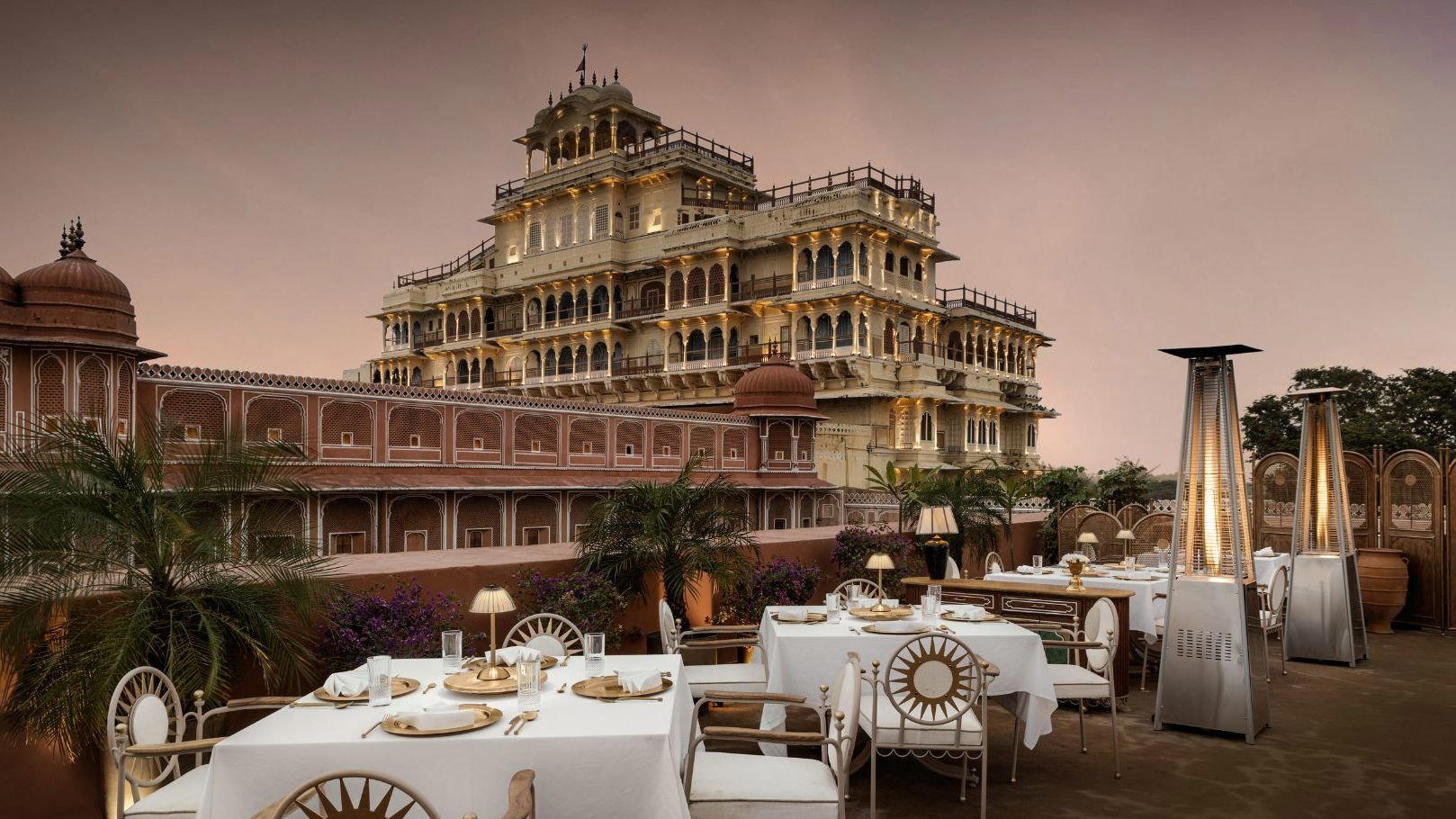
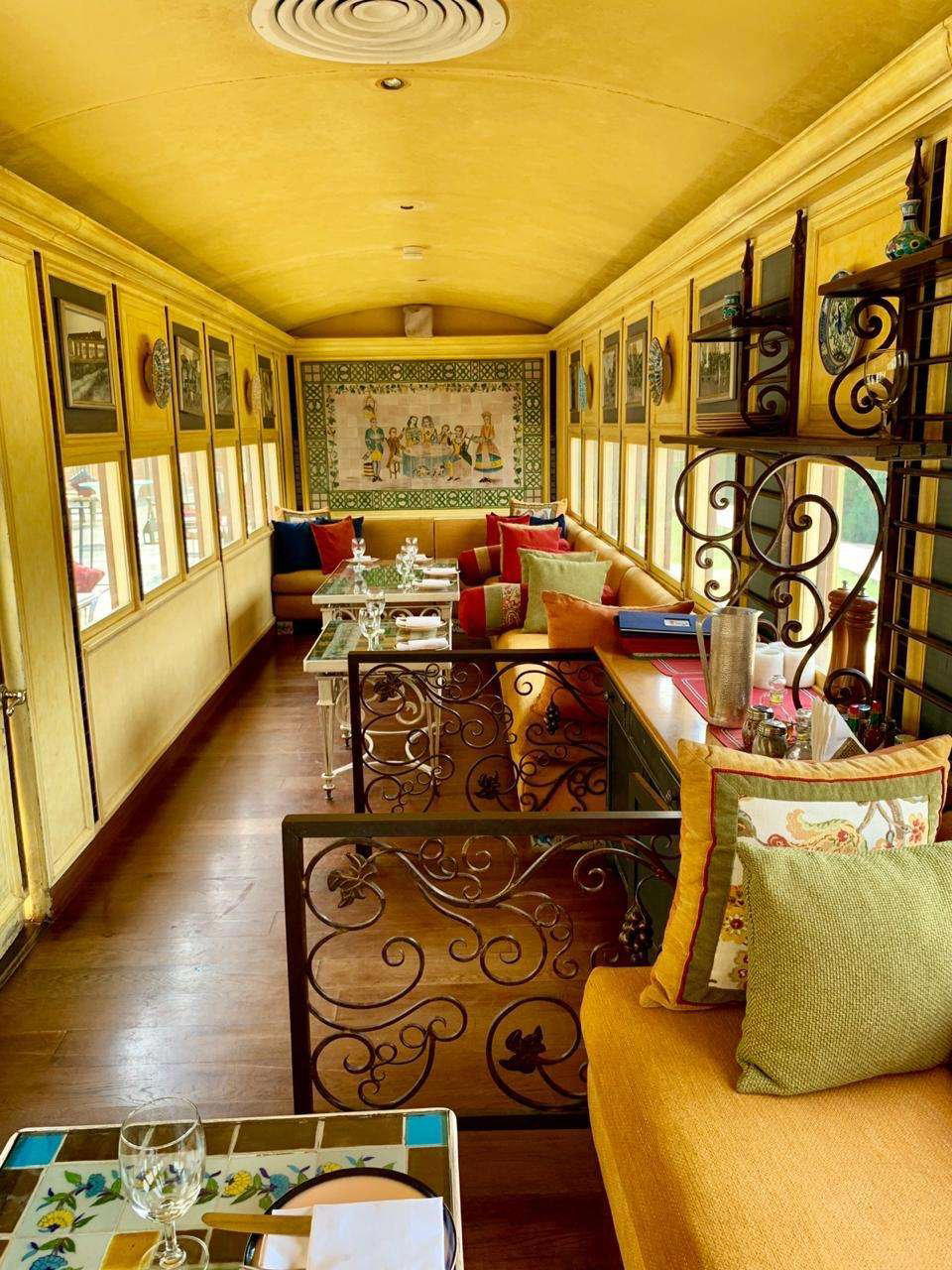
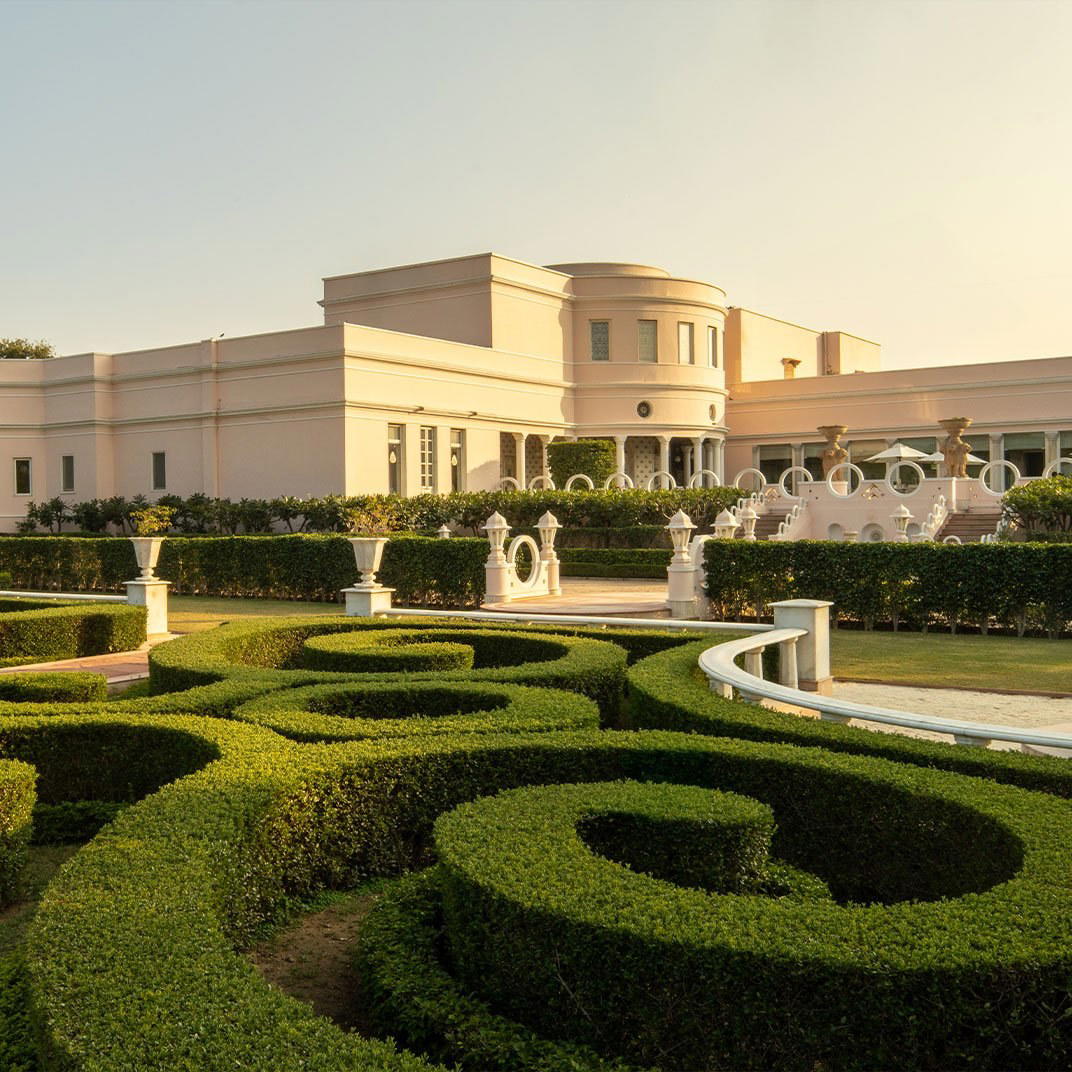
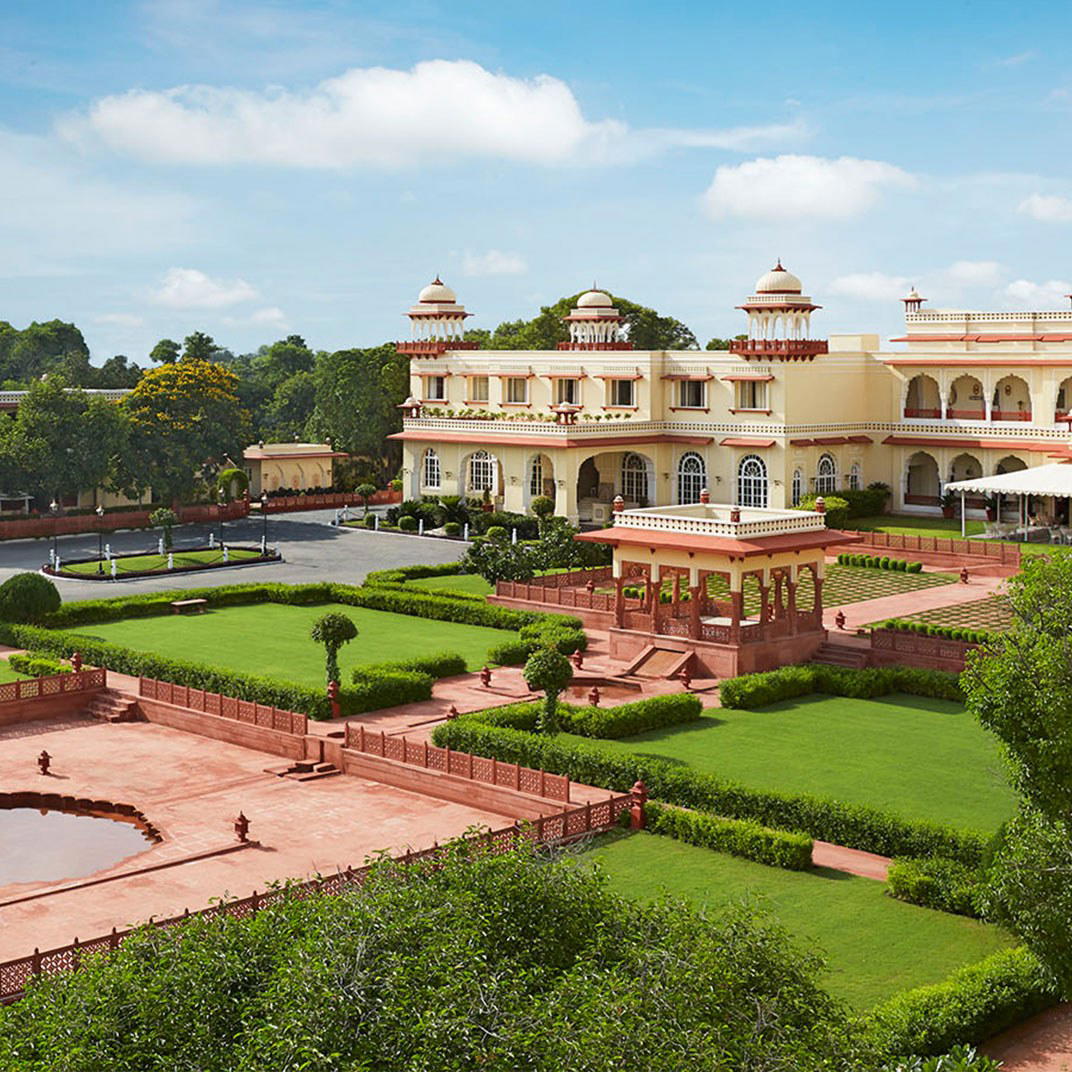
Eating at Verandah Cafe is largely an architectural experience. The grounds of Rambagh Palace encompass manicured gardens, carved sandstone screens, and the kind of proportional calm that Mughal-influenced palace design was built to produce. Meals taken here, particularly during cooler months, carry the ambient weight of that backdrop in a way that a standalone restaurant cannot replicate regardless of interior design budget.
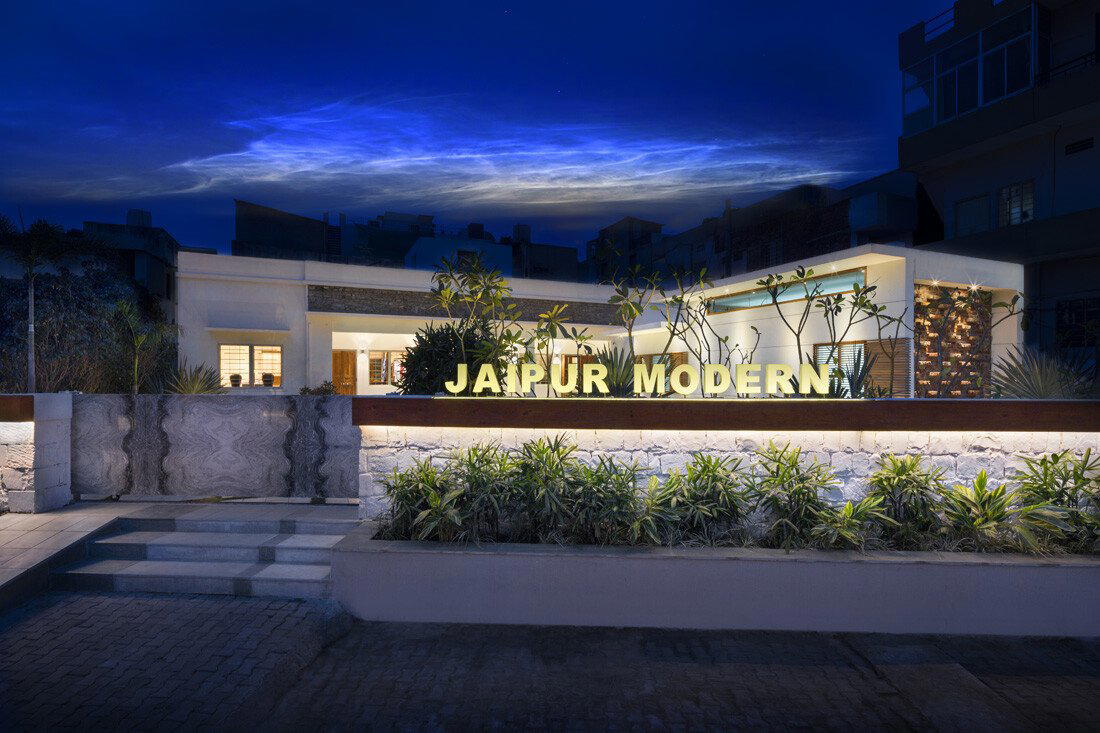
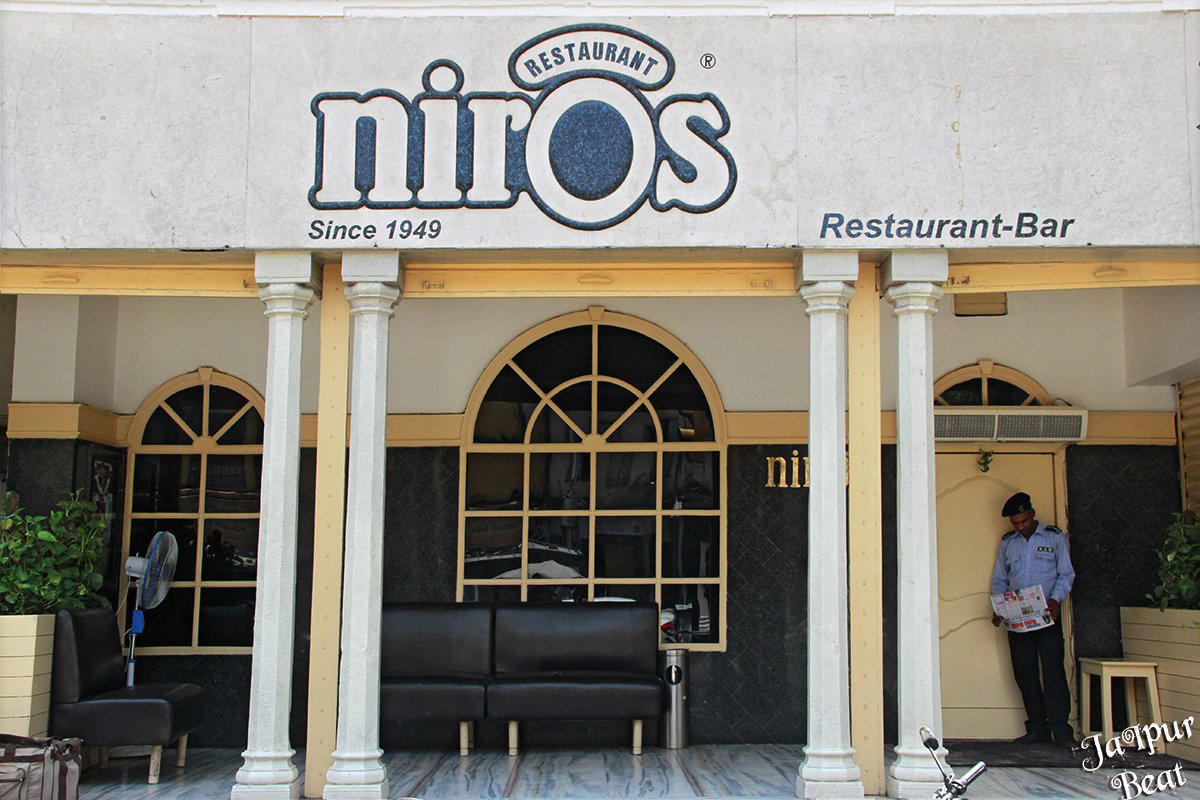
The comparative reference point matters here. Jaipur has no shortage of interesting dining options across different registers. Niros Restaurant, one of the city's oldest surviving Indian restaurants, trades on decades of consistency and a very different kind of institutional authority. 1135 AD at Amber Fort offers a comparable heritage setting with a more theatrical presentation of Rajputana tradition. Jaipur Modern represents the city's newer, design-conscious hospitality cohort. Verandah Cafe is none of these, it occupies a specific niche as the approachable, garden-side option within a palace that also runs a formal fine dining operation.
Across India, this format appears in several heritage contexts. Adaa at Falaknuma Palace in Hyderabad is the most direct structural parallel: a heritage palace property where the formal dining experience sits alongside a more casual counterpart. The same dynamic plays out at palace hotels in Udaipur and Jodhpur. The Verandah format, in other words, is a recognized typology within Indian luxury hospitality, not an anomaly.
Place, Neighbourhood, and the Rambagh Axis
Rambagh Palace sits on Bhawani Singh Road in the southern stretch of Jaipur, a few kilometres from the dense historic core around the City Palace and Hawa Mahal. The address places Verandah Cafe in the part of Jaipur that functions as the city's luxury hospitality corridor, a string of converted palaces and heritage properties that define one version of the Pink City for international visitors.
This positioning has practical implications. Guests staying within Rambagh Palace find the Verandah a natural default for mid-morning or afternoon meals, since its format and setting suit casual timing better than the more structured evening experience that Suvarna Mahal requires. For day visitors to the palace grounds, it provides a way to extend the visit without committing to the full formal dining experience. The neighbourhood itself offers few competitive alternatives at the same price register, Peshawri, the ITC hotel's North-West Frontier specialist, draws from a similar heritage hotel dining tradition but operates within a different property and culinary framework.
Beyond Jaipur, visitors moving through Rajasthan will encounter comparable transitions between palace formality and garden informality at properties across the state. Those heading further into the desert should note that Dining Tent in Jaisalmer offers a very different kind of open-air heritage experience, one rooted in the desert fort tradition rather than the Mughal-influenced garden palace.
Rajasthani Dining Tradition and the Hotel Context
Rajasthani cuisine at palace hotels occupies a particular position within India's broader hospitality dining scene. The grand thali, the laal maas, the ker sangri and dal baati churma are dishes with genuine regional authority, and heritage hotels have historically been their most accessible gateway for international visitors who might not move through the city's neighbourhood restaurants independently. This is not without tension, palace hotel menus sometimes smooth regional flavours toward a more universally acceptable register, but it is the established pattern.
For comparison, properties in other Indian cities have found different balances. Farmlore in Bangalore takes a produce-first approach to regional Indian cuisine that sits at the opposite end of the spectrum from heritage hotel dining. Inja in New Delhi represents the contemporary Indian fine dining tier. Naar in Kasauli and Kappa Chakka Kandhari in Chennai demonstrate how regional specificity can anchor a restaurant's identity in ways that palace hotel dining rarely attempts at the café register. Verandah Cafe is not in competition with any of these; it is operating in a different category entirely, one where setting, accessibility, and the Rambagh Palace institutional context are the primary value propositions.
Planning a Visit
Rambagh Palace is managed by Taj Hotels, and Verandah Cafe is accessible both to hotel guests and to visitors arriving specifically to dine. The palace grounds are on Bhawani Singh Road, reachable by auto-rickshaw or hired car from Jaipur's central areas in under twenty minutes depending on traffic. For those planning a wider Jaipur dining itinerary, our full Jaipur restaurants guide provides context across the city's different dining tiers and neighbourhoods. The most practical timing for Verandah Cafe tends to be late morning through afternoon, when the garden setting performs leading in Rajasthan's light. Cooler months, from October through February, are when the outdoor component of any verandah or garden dining in Jaipur works as intended; summer heat significantly changes the calculation.
Visitors with a broader interest in palace hotel dining across India should note that the format scales up considerably in ambition at properties like Leela Kerala Terrace in Trivandrum or Americano in Mumbai, though those represent quite different regional and stylistic contexts. Within Rajasthan's own heritage dining tradition, Neel in Patiala and Bomras in Anjuna demonstrate how Indian hospitality dining continues to evolve in settings far removed from the palace typology.
Frequently asked questions
Where do I go for Verandah Cafe?
Verandah Cafe is located at RAMBAGH PALACE, Bhawani Singh Rd, Rambagh, Jaipur, Rajasthan 302015, India, Jaipur.
Can non-guests visit Verandah Cafe at Rambagh Palace without staying at the hotel?
Verandah Cafe at Rambagh Palace, Jaipur, is accessible to visitors who are not staying at the hotel, making it one of the more practical ways to experience the Maharaja Sawai Man Singh II estate without a room booking. Rambagh Palace is managed by Taj Hotels, and outside dining guests are a documented part of how the property operates. Contacting the palace on Bhawani Singh Road directly before arrival will confirm table availability and any entry requirements.
What's the must-try dish at Verandah Cafe?
Verandah Cafe sits within Rambagh Palace in Jaipur, a property managed by Taj Hotels with deep ties to Rajasthani hospitality tradition. The regional canon here centres on dishes like laal maas and the grand thali, which are the reference points for palace-hotel dining across Rajasthan.
What's the best way to book Verandah Cafe?
Verandah Cafe operates within Rambagh Palace, a Taj Hotels property on Bhawani Singh Road, Jaipur, and reservations can be arranged through Taj Hotels' central booking channels or by contacting the palace directly. The cafe is open to both hotel guests and outside visitors, so walk-ins may be possible during quieter periods, but advance booking is the safer approach for a guaranteed table given the palace's profile.
What's Verandah Cafe best at?
The strongest argument for a visit is the architectural setting: Rambagh Palace was the official residence of Maharaja Sawai Man Singh II, and the verandah context places diners within those original grounds rather than a purpose-built hotel dining room. The Taj Hotels management brings consistent service standards across the property. For visitors to Jaipur seeking Rajasthani cuisine inside a historically documented royal estate, few dining addresses in the city carry that same biographical weight.
Is Verandah Cafe good for vegetarians?
Rajasthani cuisine has a deep vegetarian tradition, with dishes like dal baati churma and gatte ki sabzi forming the backbone of the regional table alongside meat-based preparations. Palace hotels managed by Taj Hotels across India routinely accommodate vegetarian menus as a matter of standard practice. For confirmed current menu options at Verandah Cafe on Bhawani Singh Road, Jaipur, checking directly with Rambagh Palace ahead of your visit is the most reliable route.
A Lean Comparison
Comparable venues nearby, for context on price, style, and recognition.
| Venue | Cuisine | Price | Awards | Notes |
|---|---|---|---|---|
| Verandah CafeThis venue — the venue you are viewing | Multi-Cuisine Café | $20–30 | Not listed | Not listed |
| The Johri | Modern Rajasthani Vegetarian | $30–50 | Not listed | Johri Bazar, Modern Rajasthani Vegetarian |
| Niros Restaurant | Multi-Cuisine Indian with Rajasthani Specialties | $10–20 | Not listed | Mirza Ismail Road, Multi-Cuisine Indian with Rajasthani Specialties |
| The Sarvato Jaipur Restaurant | Modern Rajasthani Tasting Menu | $150–200 | Relais Chateaux Award | City Palace, Modern Rajasthani Tasting Menu |
| Zolocrust | Vegetarian Italian Pizza and Bakery | $20–30 | Not listed | Malviya Nagar, Vegetarian Italian Pizza and Bakery |
| Jaipur Modern - Store & Kitchen | Modern Mediterranean & Healthy | $10–20 | Not listed | C Scheme, Modern Mediterranean & Healthy |
Details
- Scenic
- Elegant
- Relaxed
- Brunch
- Casual Hangout
- Garden
- Hotel Restaurant
- Terrace
- Craft Cocktails
- Garden
- A La Carte
- Cocktails
- Tea
- Vegetarian Friendly
- Vegan Options
- Gluten Free Options
Current opening hours
- Monday
- 12–11:45 PM
- Tuesday
- 12–11:45 PM
- Wednesday
- 12–11:45 PM
- Thursday
- 12–11:45 PM
- Friday
- 12–11:45 PM
- Saturday
- 12–11:45 PM
- Sunday
- 12–11:45 PM
Hours can change for holidays and private events. Last verified .
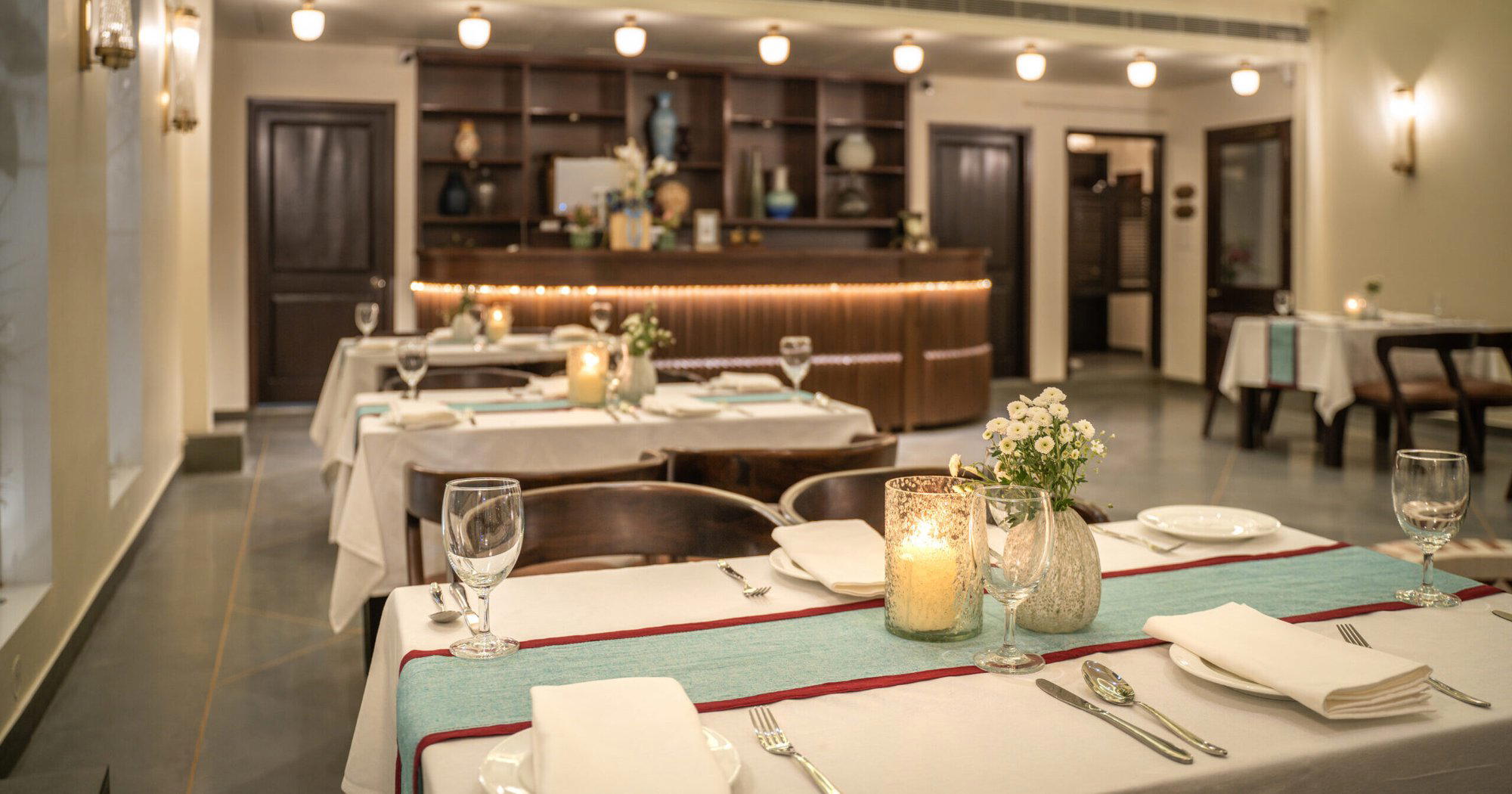
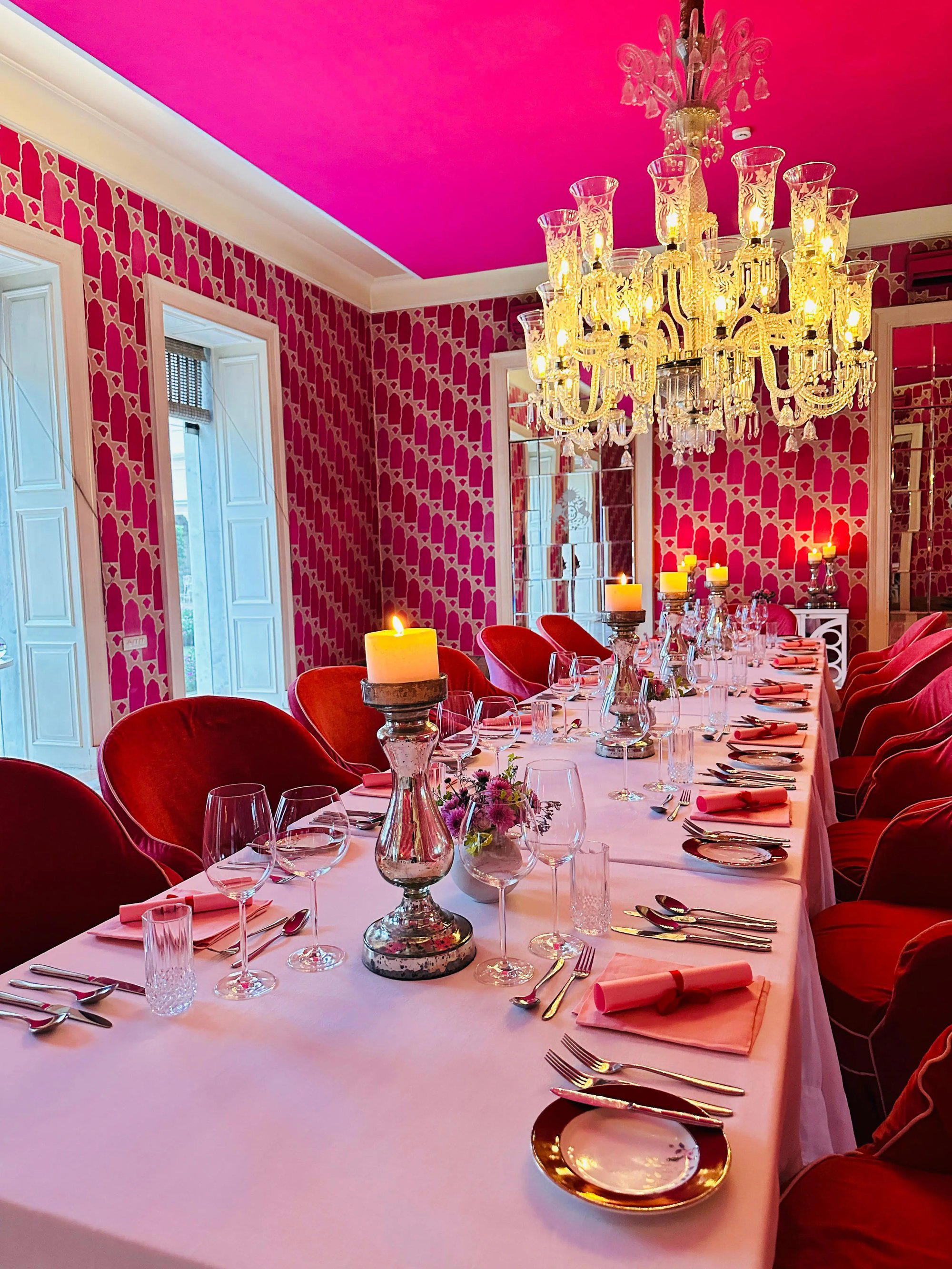
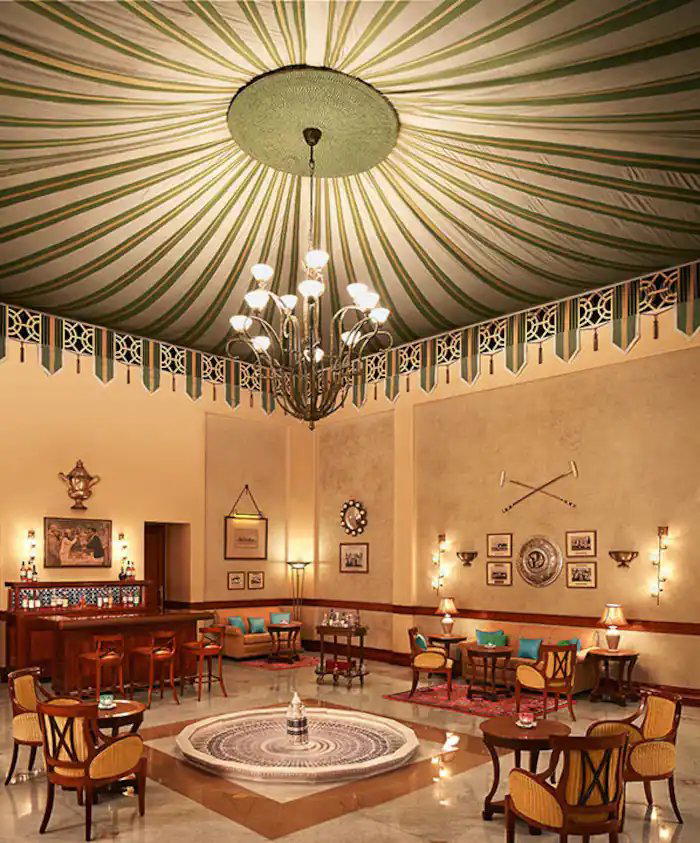
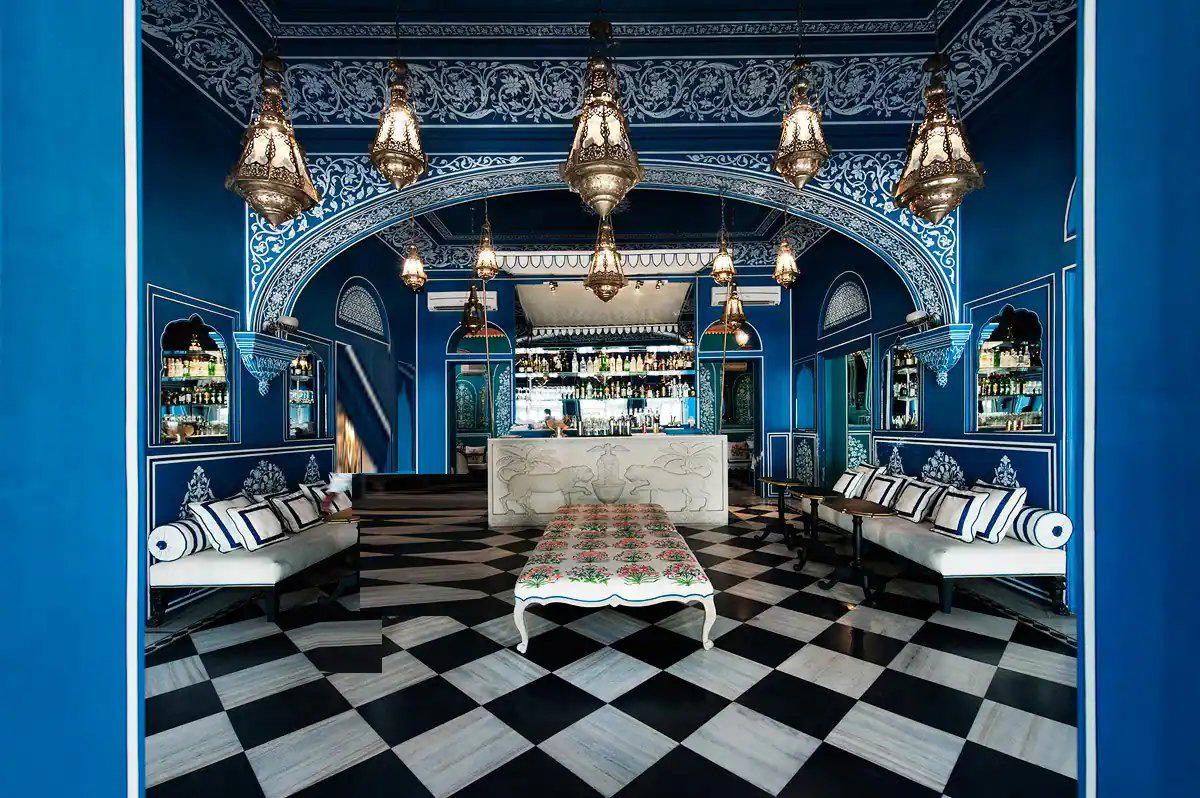
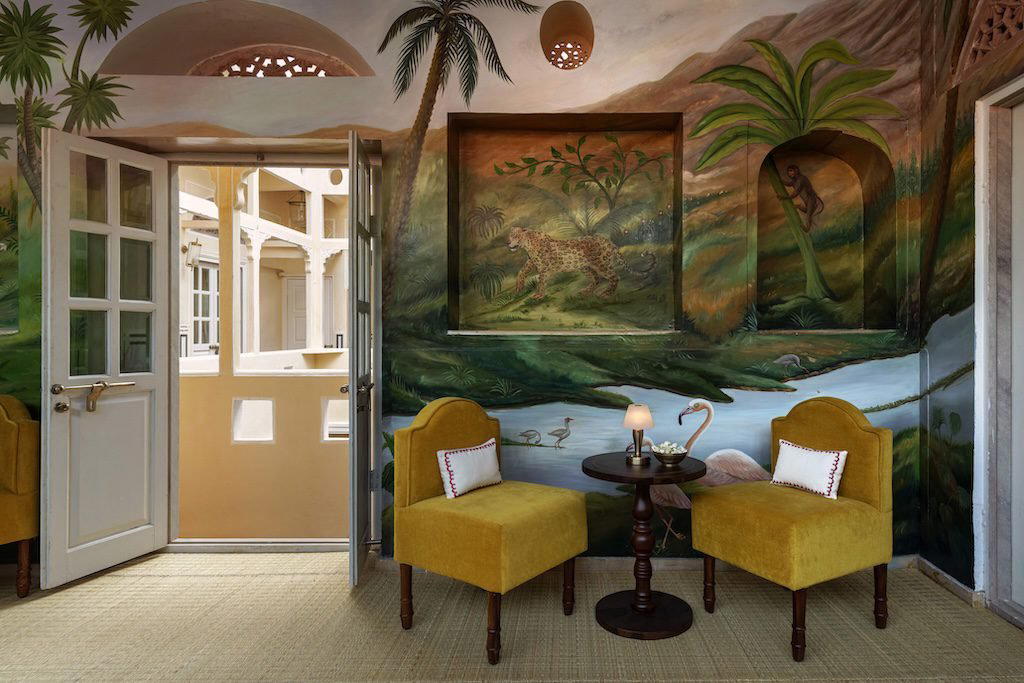
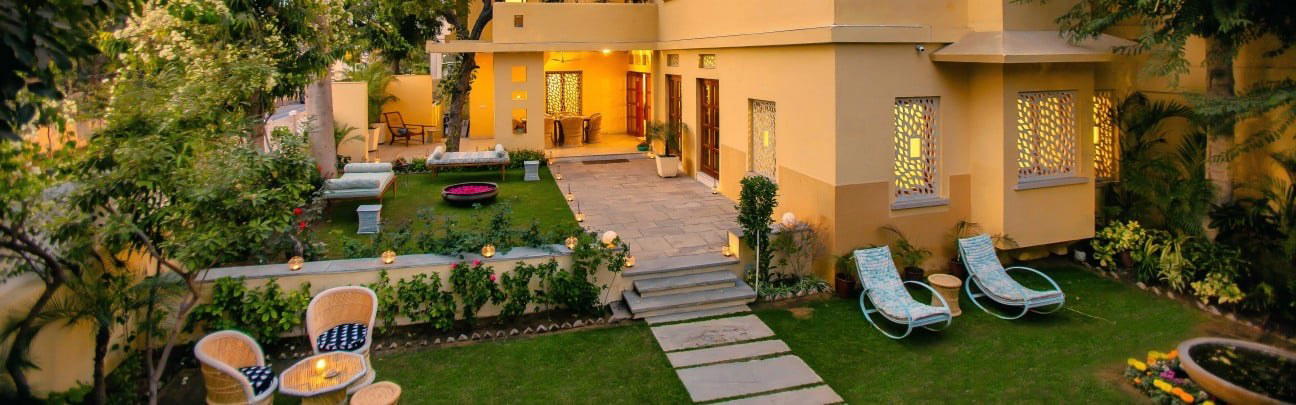
Serene and relaxed alfresco atmosphere with palatial backdrop, lush gardens, and natural lighting.