Our verdict
The Johri occupies a historic address in Johri Bazar, Jaipur's centuries-old jewellers' quarter, and channels the ceremonial weight of that setting into a dining format rooted in Rajasthani tradition. The experience here is less about quick meals and more about the deliberate, structured rhythms of heritage cuisine served in surroundings that carry genuine historical texture. For travellers serious about understanding the region's culinary grammar, it belongs on the itinerary.

Pearl is the En Primeur Club membership app — saves, bookings, and concierge access live there. Same editors, same standards.
- Address
- 3950, MSB Ka Rasta, Johri Bazar, Ghat Darwaza, Jaipur, Rajasthan 302003, India
- Phone
- +918905551680
- Website
- thejohrijaipur.com
- Directions
- Get directions
The menu
What to order
- Sangri Ki Shammi
- Gucchi Caviar
- Dal Pakwaan Reimagined
Eating Inside the Jewellers' Quarter
Johri Bazar has traded in gold, gemstones, and lac bangles for centuries. The lanes around Ghat Darwaza still smell of marigold garlands and metal polish in the early evening, and the ambient noise is a layered mix of autorickshaws, temple bells, and shopkeepers closing their shutters. It is not a neighbourhood that was designed for dining tourism — which is precisely what makes The Johri's address on MSB Ka Rasta a considered choice rather than an accident. The venue sits within a historic urban fabric that most visitors pass through rather than pause in, and that context shapes the character of the meal before a single dish arrives.
In Jaipur's broader restaurant scene, there is a clear division between properties that lean into Rajputana palace theatrics — think 1135 AD at Amer Fort or Suvarna Mahal inside the Rambagh Palace, and those that anchor themselves to the city's mercantile and artisanal identity. The Johri belongs to the latter category. Where palace-format restaurants frame Rajasthani cuisine through the lens of royal courts, a Johri Bazar address gestures toward the traders and craftsmen who sustained the city's economy for generations. These are different culinary stories, told in different registers.
The Ritual Structure of a Rajasthani Meal
Rajasthani hospitality has always carried a ceremonial dimension that goes beyond the food itself. The tradition of atithi devo bhava, the guest as god, is not a slogan in this part of India; it is a structural principle that dictates pacing, portion logic, and the sequencing of what arrives at the table. In a properly observed format, a meal does not begin with a menu negotiation. It begins with something to drink, followed by small preparations that signal the kitchen's approach, and it proceeds through a cadence that the host manages rather than the diner. This is a fundamentally different contract from à la carte dining, and it requires a different kind of attention from the guest.
That ritual logic matters for understanding how to sit within a meal at a venue like The Johri. The instinct to rush, to over-order, or to import the habits of a contemporary urban restaurant will work against the experience. The cuisine of the Marwar and Dhundhar regions, the culinary traditions that Jaipur draws from most directly, was developed under conditions of scarcity and heat, which shaped its reliance on dried legumes, preserved meats, and ghee-heavy preparations designed to sustain rather than merely to please. Understanding that history changes what arrives on the table from a curiosity into an argument.
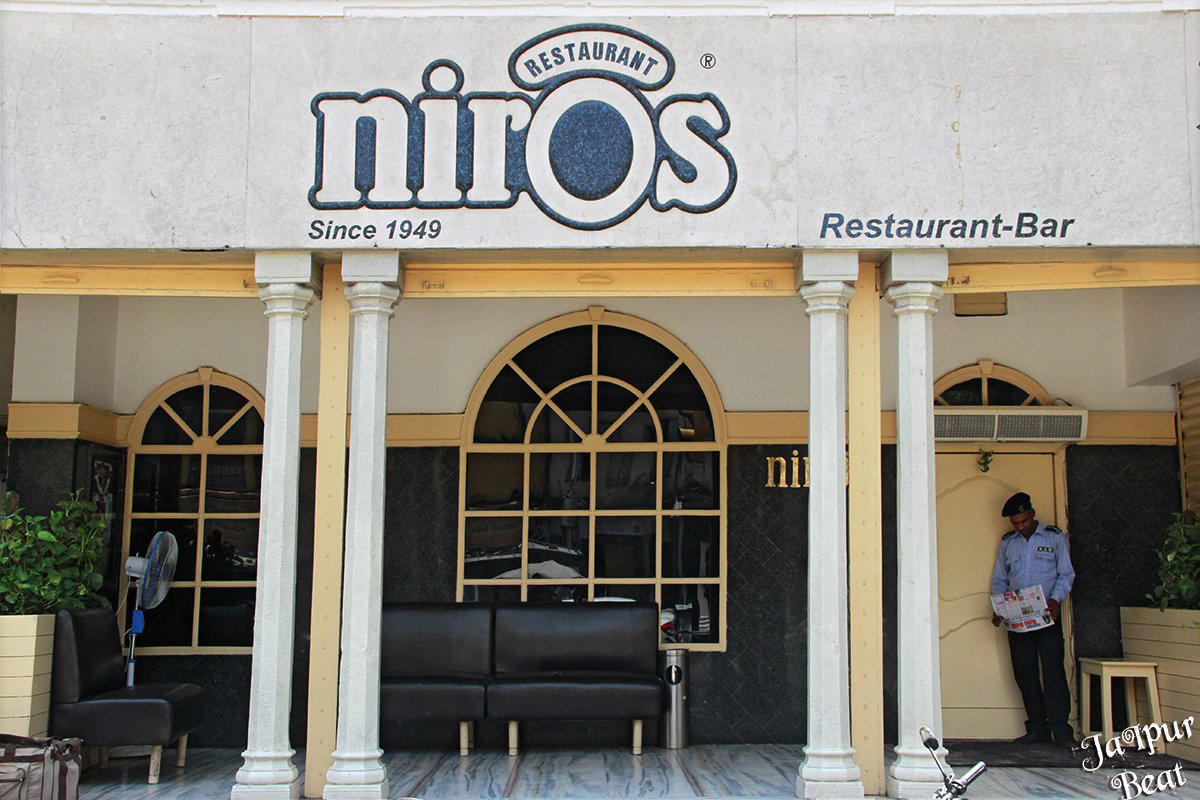
Compared to what Niros Restaurant offers along M.I. Road, a long-running all-rounder that has fed Jaipur's middle class and its tourists with equal reliability for decades, or the Northwest Frontier register of Peshawri, which imports the ITC hotel's tandoor-centred grammar from its Delhi original, The Johri's positioning in a historic commercial quarter suggests a more locally rooted editorial stance on the cuisine. That distinction is worth holding onto when planning an itinerary across the city.
How This Fits into India's Wider Heritage Dining Conversation
Across India's major culinary cities, a specific tier of dining has emerged that treats regional heritage cuisine as a subject of serious editorial attention rather than a backdrop for tourism spectacle. Farmlore in Bangalore has built a programme around sourcing and Karnataka's agricultural calendar. Esphahan in Agra works within the Mughal-influenced register that defines that city's culinary identity. At the international reference tier, venues like Atomix in New York City have demonstrated that heritage-rooted tasting formats, when executed with discipline, can hold their own against the most technically ambitious kitchens in the world.
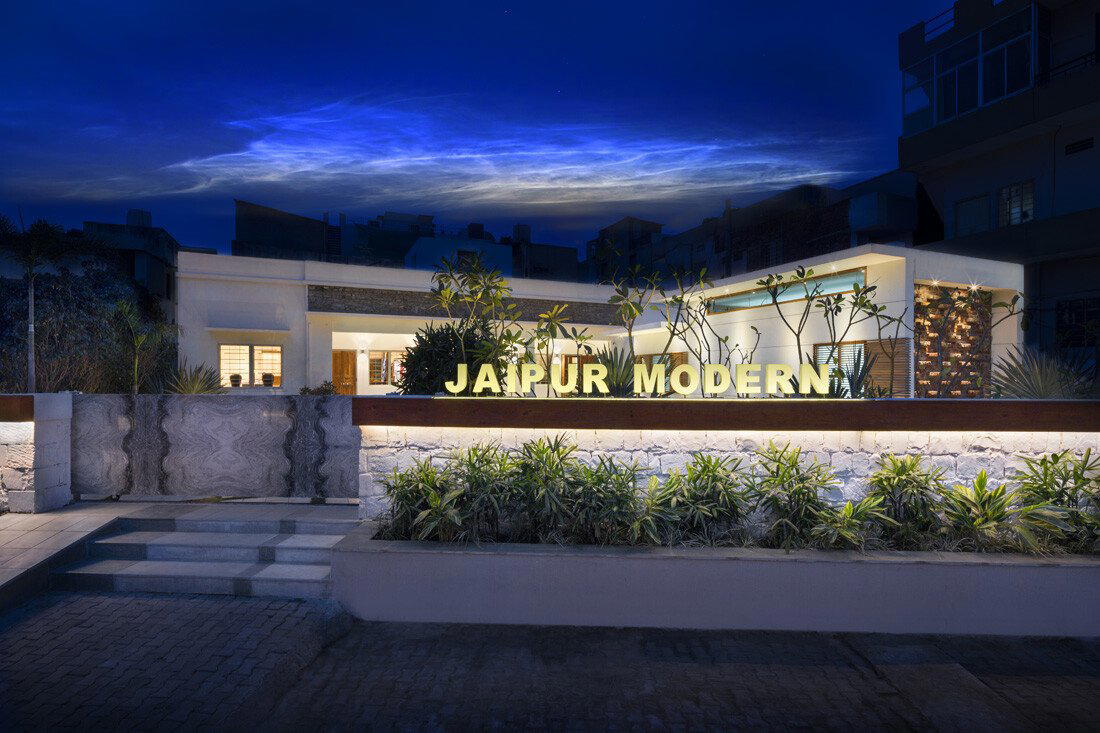
Jaipur has been slower than Mumbai or Bangalore to develop this category at scale, which is partly a function of the city's continued reliance on palace hotel dining as the dominant premium format. The handful of venues that operate outside that palace gravity, including Jaipur Modern - Store and Kitchen, which approaches the city's design and food culture from a contemporary angle, represent a smaller, emerging tier. The Johri's Johri Bazar address places it in that conversation, though from a more traditionally grounded position than the design-forward end of the spectrum.
For comparison across the region, the confidence with which Naar in Kasauli handles Himachali culinary tradition, or the way Bukhara in New Delhi has sustained a single-minded focus on its Northwest Frontier format across decades, offers a useful frame for how a tightly defined regional identity can become a venue's clearest asset. The same logic applies to Rajasthani cuisine when it is treated with equivalent seriousness.
Planning Your Visit
The address, 3950, MSB Ka Rasta, Johri Bazar, Ghat Darwaza, Jaipur, Rajasthan 302003, places The Johri within walking distance of the walled city's central bazaar cluster, which means arriving on foot from nearby landmarks is practical during the cooler parts of the day. Evenings in this part of the old city become congested, and autorickshaws or cycle rickshaws move through the lanes more efficiently than private cars. For travellers with food allergies or specific dietary requirements, raising these before arrival rather than at the table is standard practice across this tier of heritage dining in Rajasthan, and will give the kitchen the space to accommodate properly.
For a fuller picture of where The Johri sits within the city's restaurant options across categories and price points, the EP Club Jaipur restaurants guide covers the broader range.
Frequently asked questions
What's The Johri's location?
The Johri is located at 3950, MSB Ka Rasta, Johri Bazar, Ghat Darwaza, Jaipur, Rajasthan 302003, India, Jaipur.
Is The Johri a good base for exploring Jaipur's walled city food culture?
The Johri's position on MSB Ka Rasta within Johri Bazar places it at the centre of a neighbourhood that has sustained its own food and trade rituals for generations, making it a logical starting point for understanding how Jaipur's old city eats rather than how it performs for visitors. The surrounding lanes toward Ghat Darwaza carry street-level snack culture — pyaaz kachori stalls, milk-based sweets, and chaat vendors — that runs parallel to the sit-down dining tradition the restaurant represents. Together, they form a coherent picture of Rajasthani urban food culture in its original context.
What should I eat at The Johri?
The Johri focuses on Rajasthani heritage cuisine, a tradition built around dal baati churma, laal maas, ker sangri, and ghee-heavy preparations that reflect the region's desert larder. Given its address inside Johri Bazar — the historic gold and gemstone trading quarter — the kitchen's orientation toward ceremonial, regionally rooted cooking is consistent with the neighbourhood's identity. Confirm the current menu directly with the venue before visiting.
Is The Johri reservation-only?
Walk-in capacity at addresses of this type tends to be limited. Reach out via the venue's address at 3950, MSB Ka Rasta, Johri Bazar, Jaipur.
What's the standout thing about The Johri?
The address is the first credential: Johri Bazar has operated as Jaipur's primary jewellers' market for centuries, and The Johri sits inside that mercantile core near Ghat Darwaza, one of the walled city's original gateway points. That context shapes the dining proposition — this is Rajasthani hospitality framed by the neighbourhood's ceremonial commercial history, not a reconstructed heritage concept dropped into a neutral setting.
What if I have allergies at The Johri?
Traditional Rajasthani cooking relies heavily on ghee, dairy, wheat, and legumes, all of which appear frequently across regional dishes. Given that allergy documentation for The Johri is published details are limited, guests with serious dietary requirements should check the venue's official channels before visiting to confirm what the kitchen can accommodate. The address is 3950, MSB Ka Rasta, Johri Bazar, Ghat Darwaza, Jaipur, Rajasthan 302003.
Cuisine and Awards Snapshot
| Venue | Cuisine | Price |
|---|---|---|
| The JohriThis venue — the venue you are viewing | Modern Rajasthani Vegetarian | $30–50 |
| Jaipur Modern - Store & Kitchen | Modern Mediterranean & Healthy | $10–20 |
| 1135 AD | Royal Rajasthani Indian | $150–200 |
| Verandah Cafe | Multi-Cuisine Café | $20–30 |
| Niros Restaurant | Multi-Cuisine Indian with Rajasthani Specialties | $10–20 |
| Peshawri | North-West Frontier Tandoori | $30–50 |
Details
- Elegant
- Modern
- Intimate
- Sophisticated
- Date Night
- Special Occasion
- Hotel Restaurant
- Historic Building
- Craft Cocktails
- Local Sourcing
- Organic
- A La Carte
- Small Plates
- Vegetarian Friendly
- Gluten Free Options
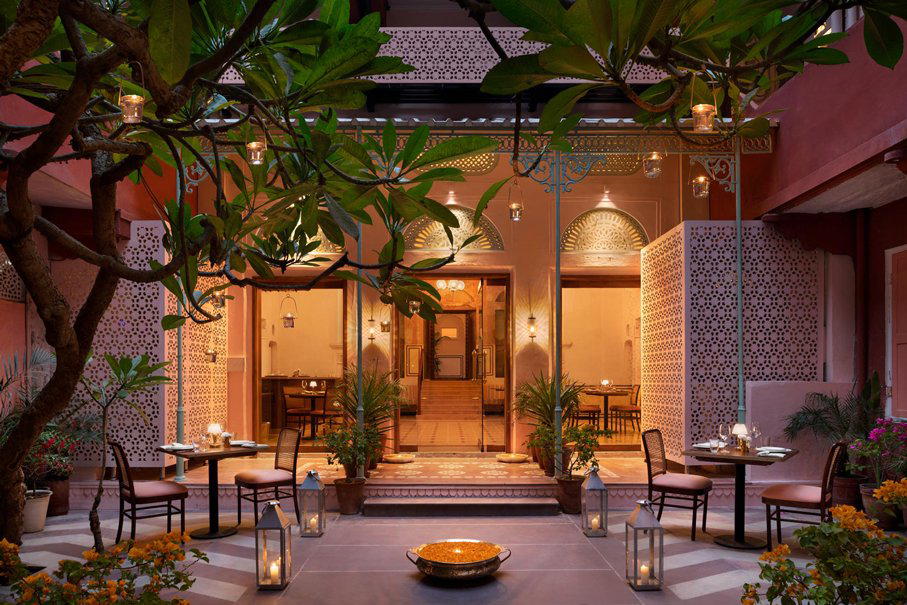
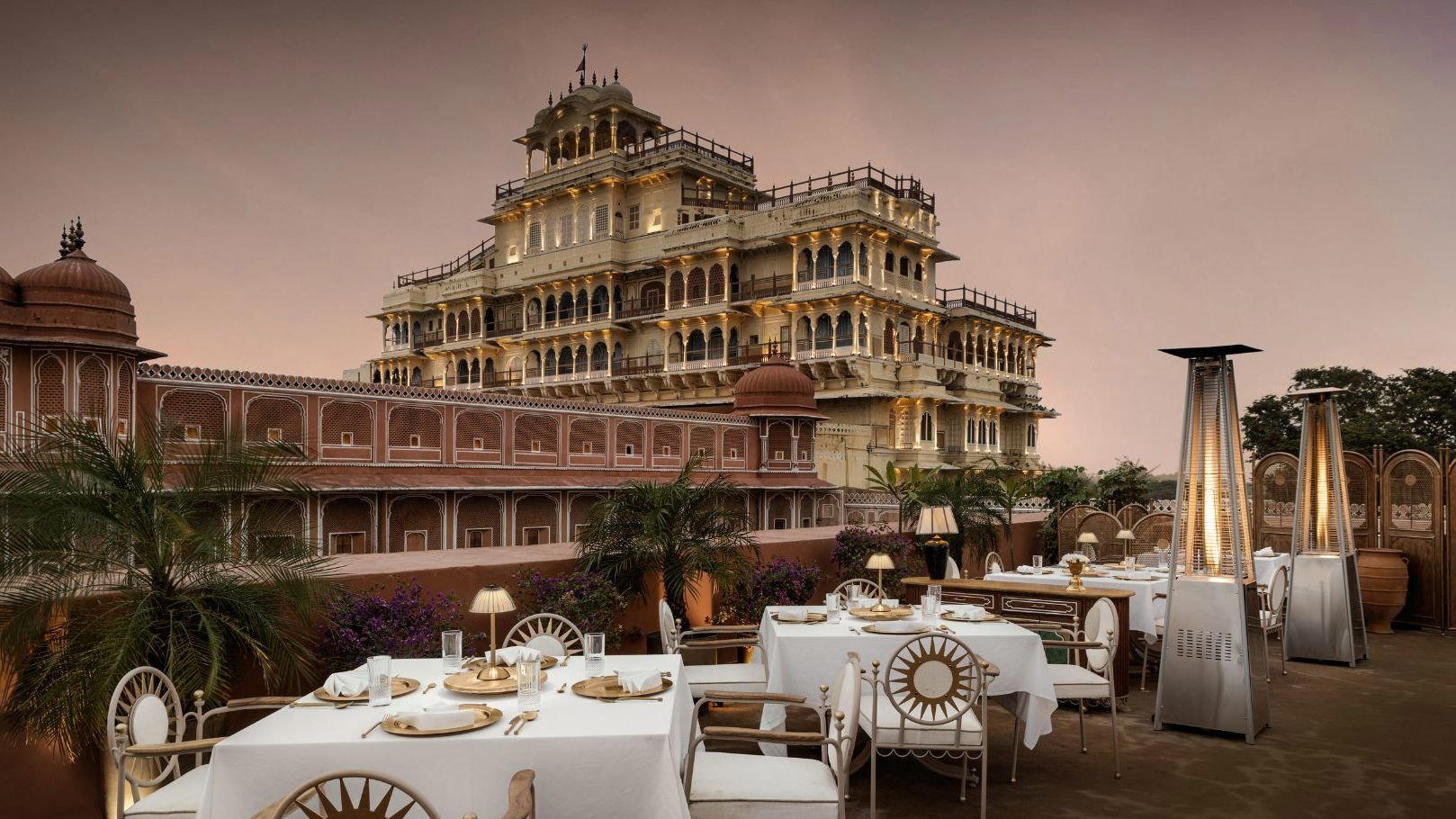
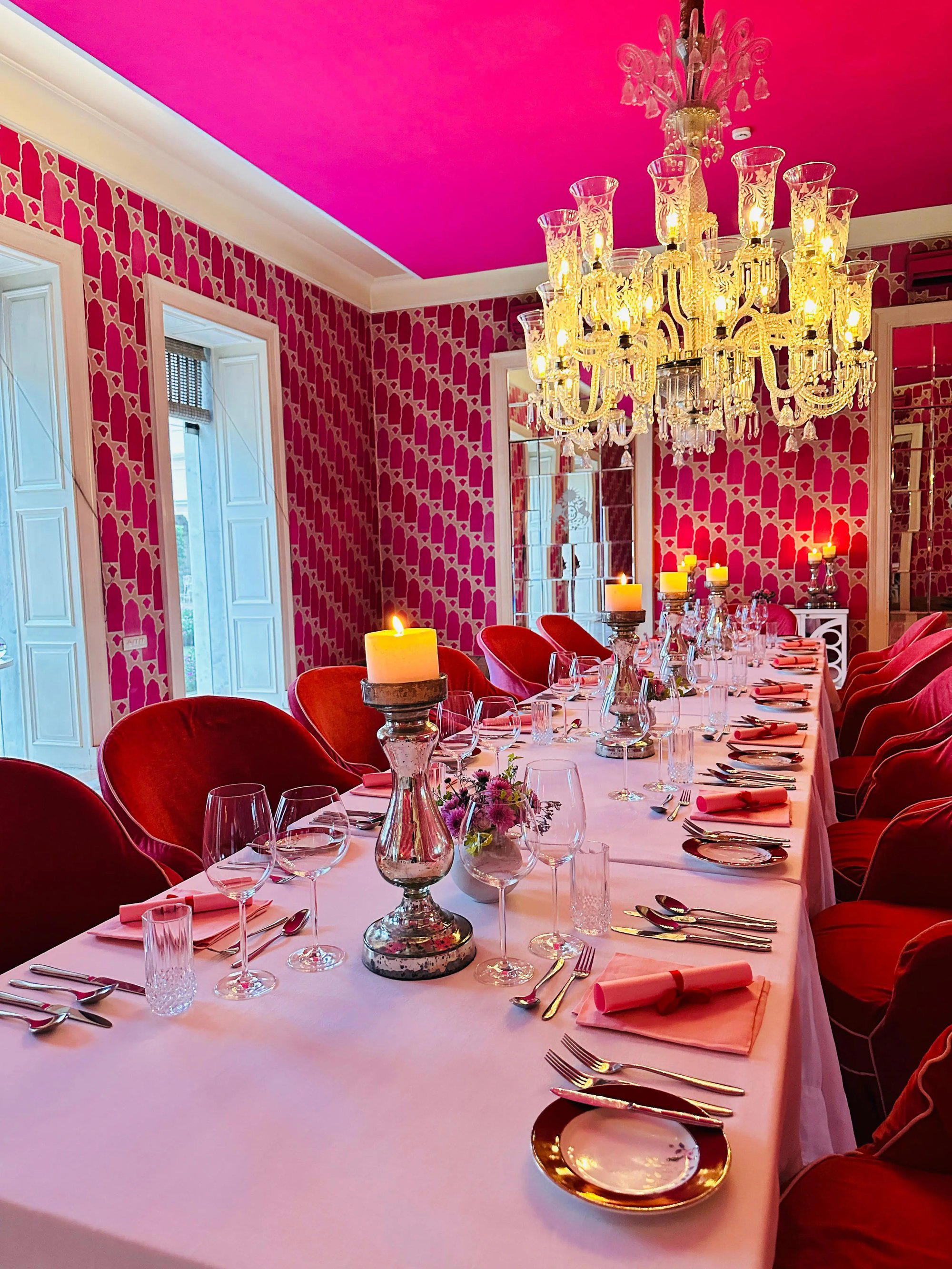
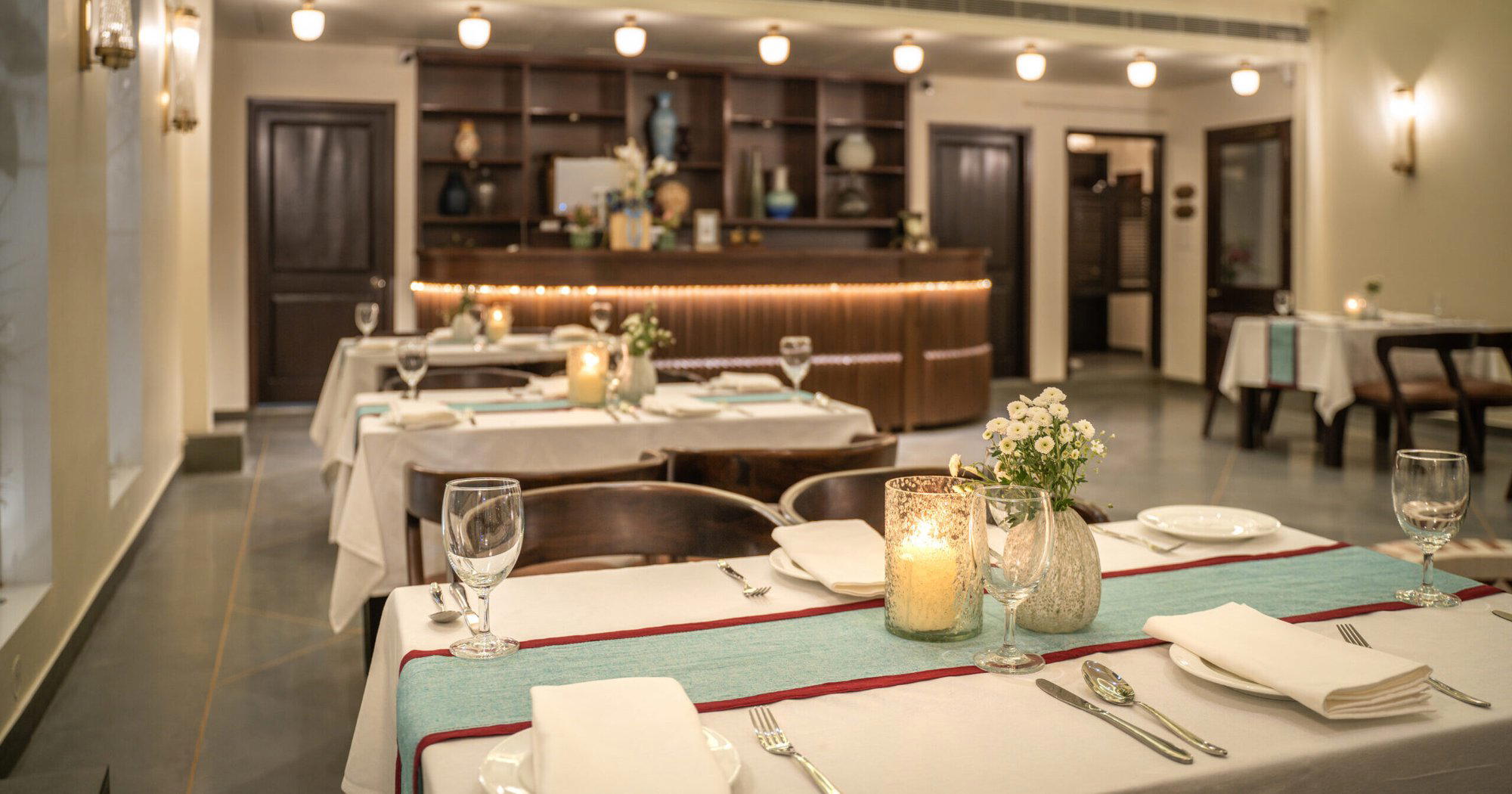
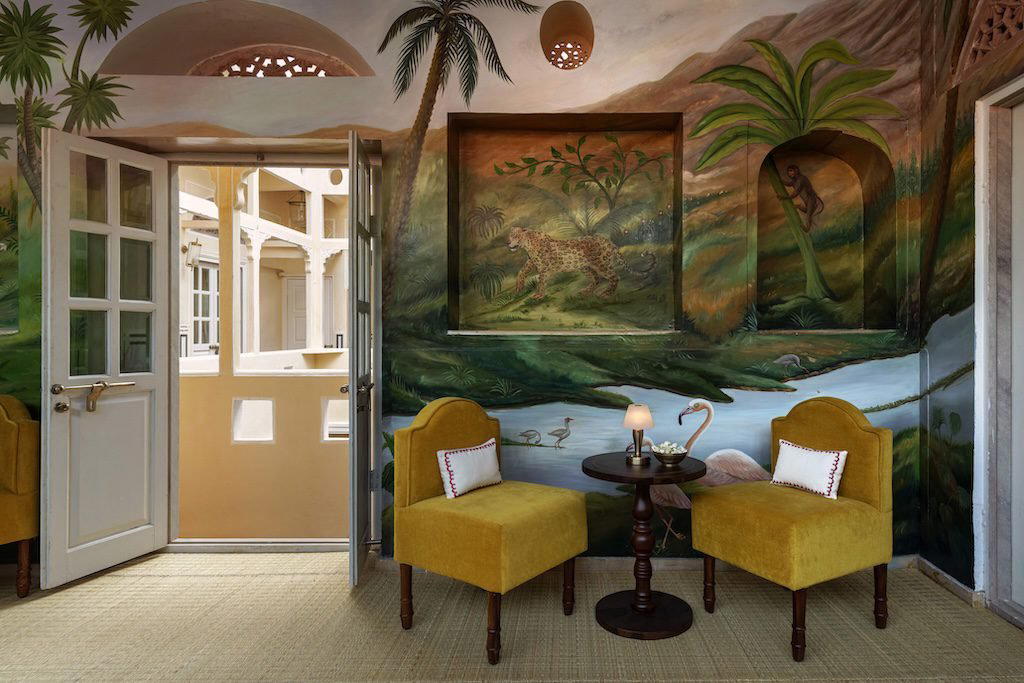
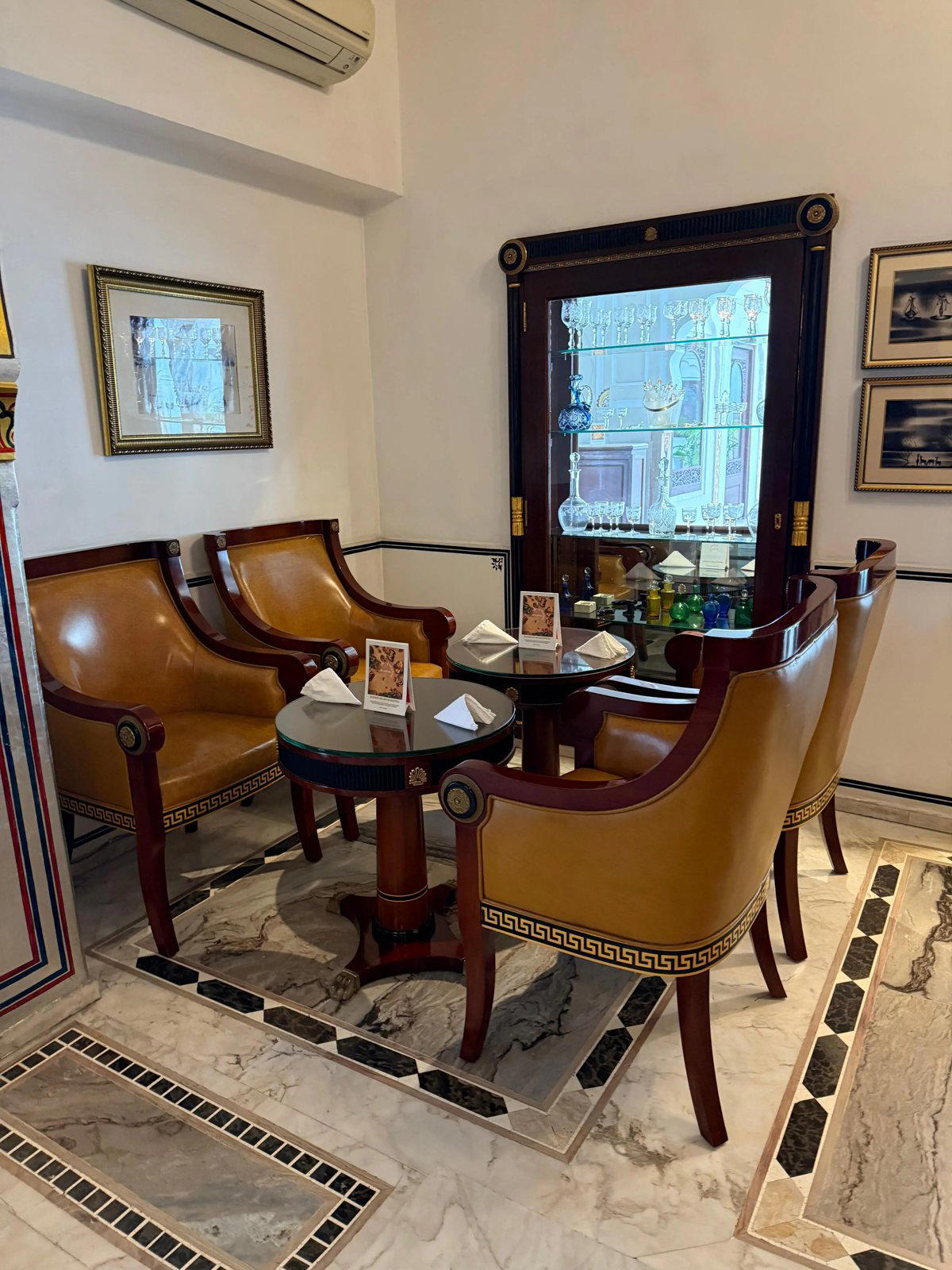
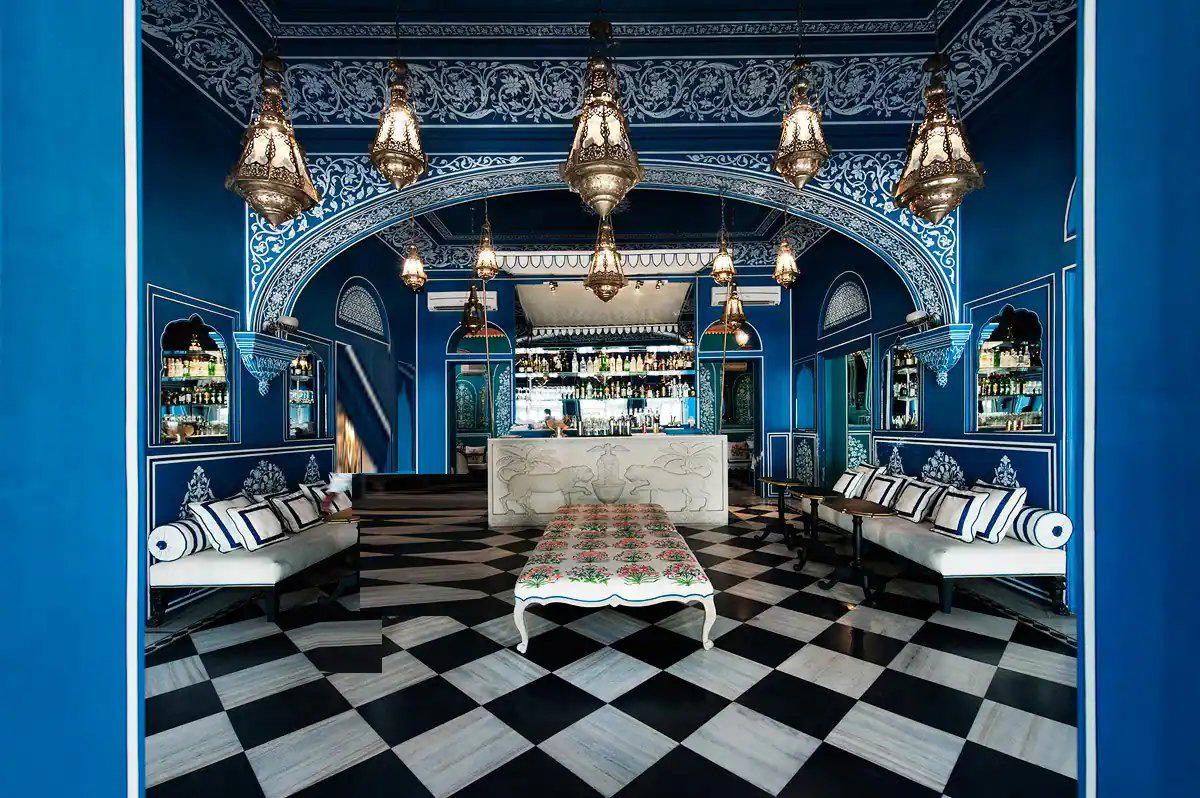
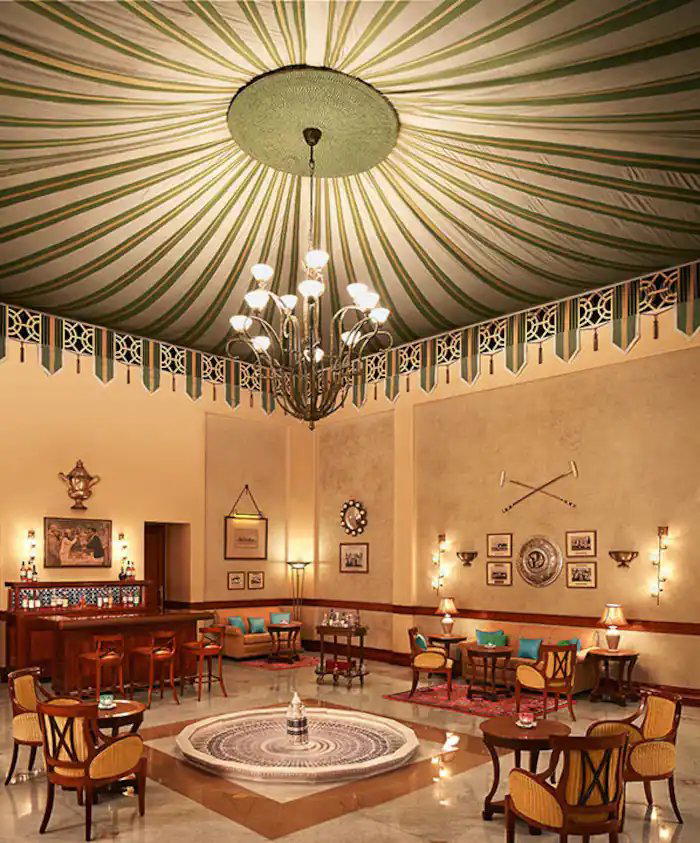
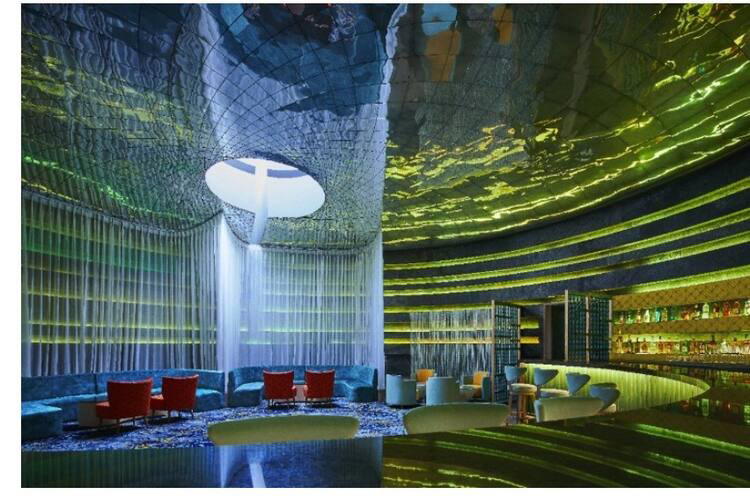
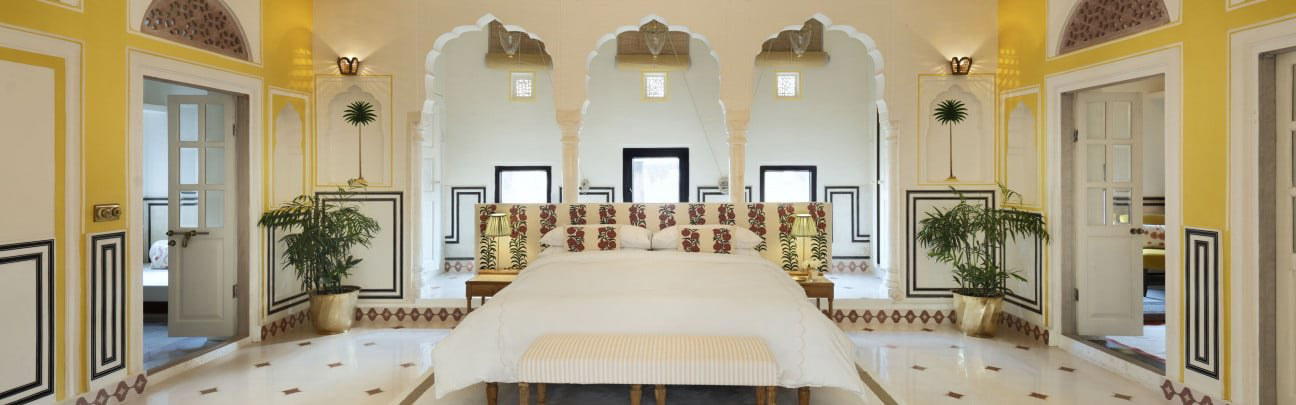
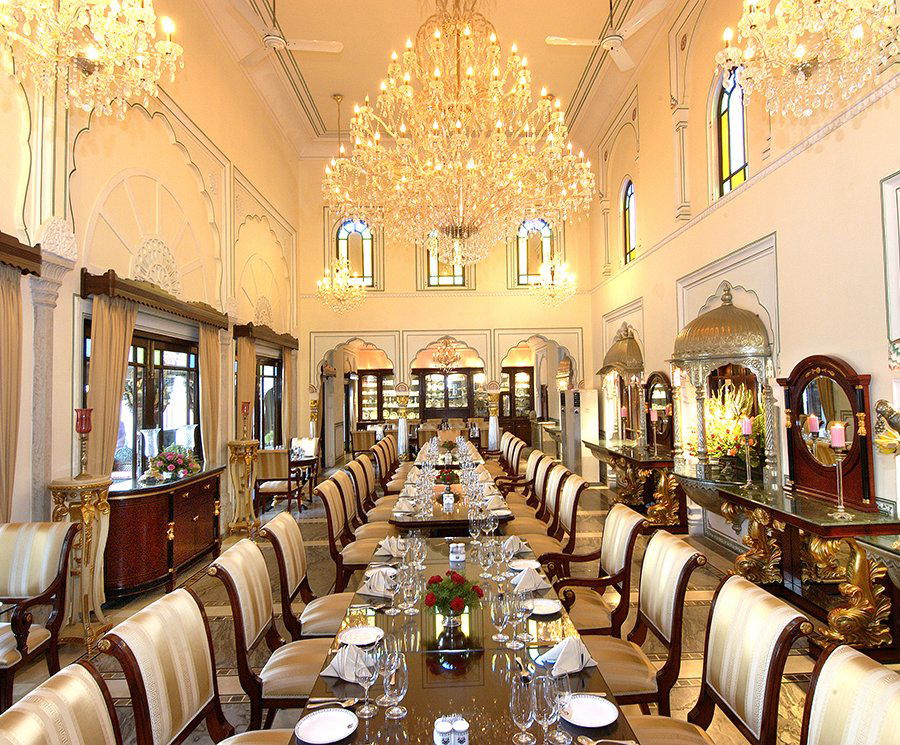
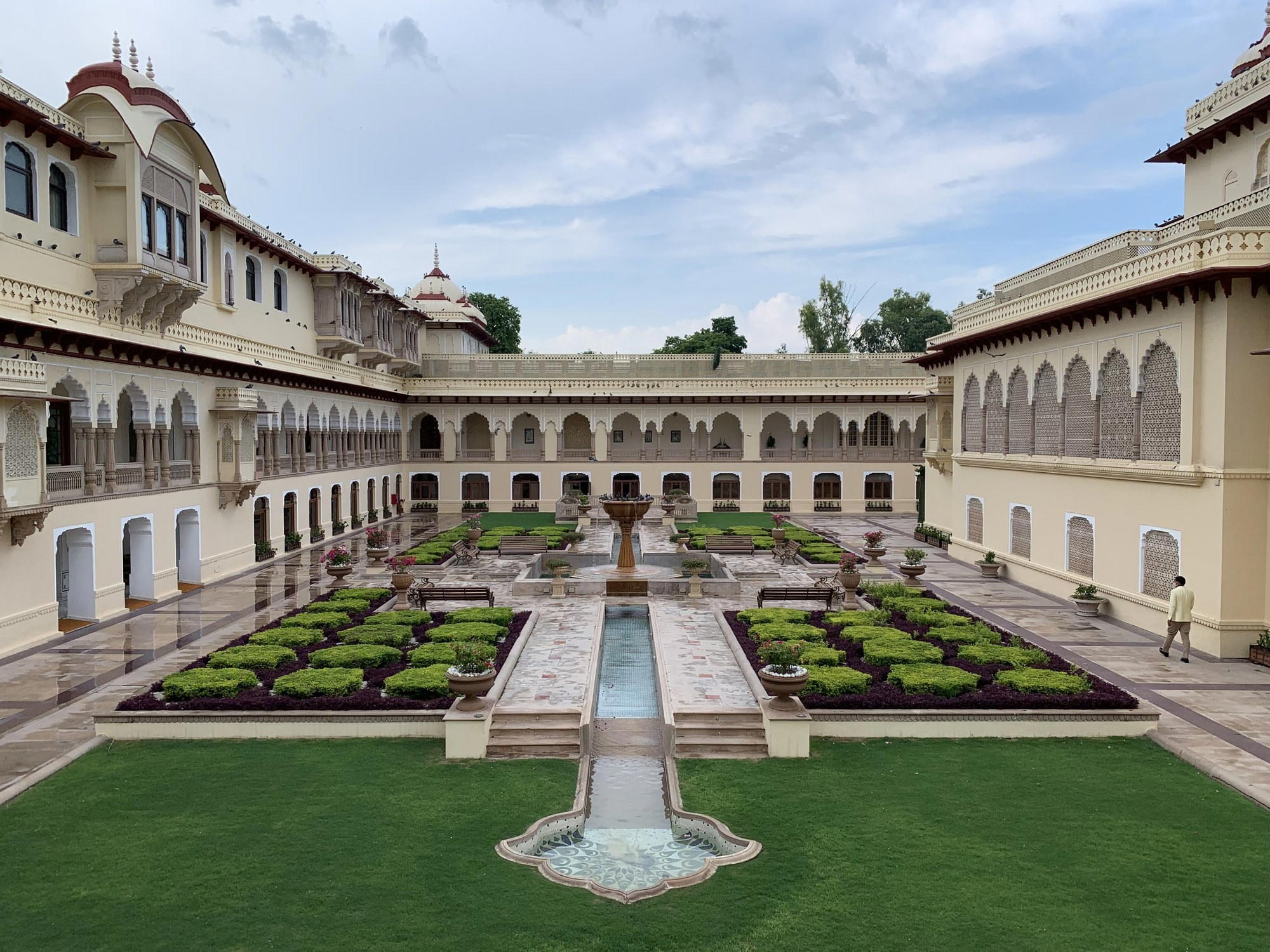
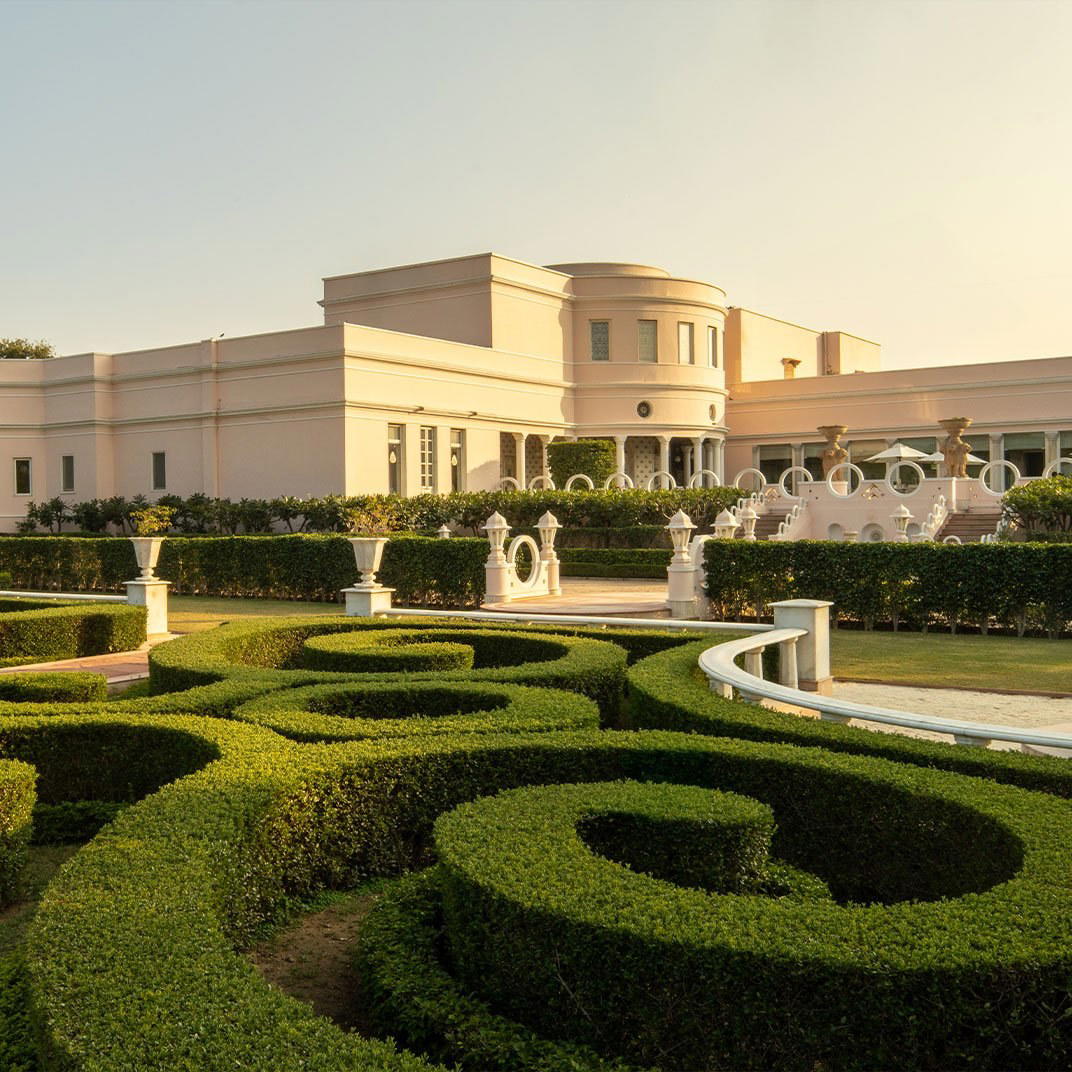
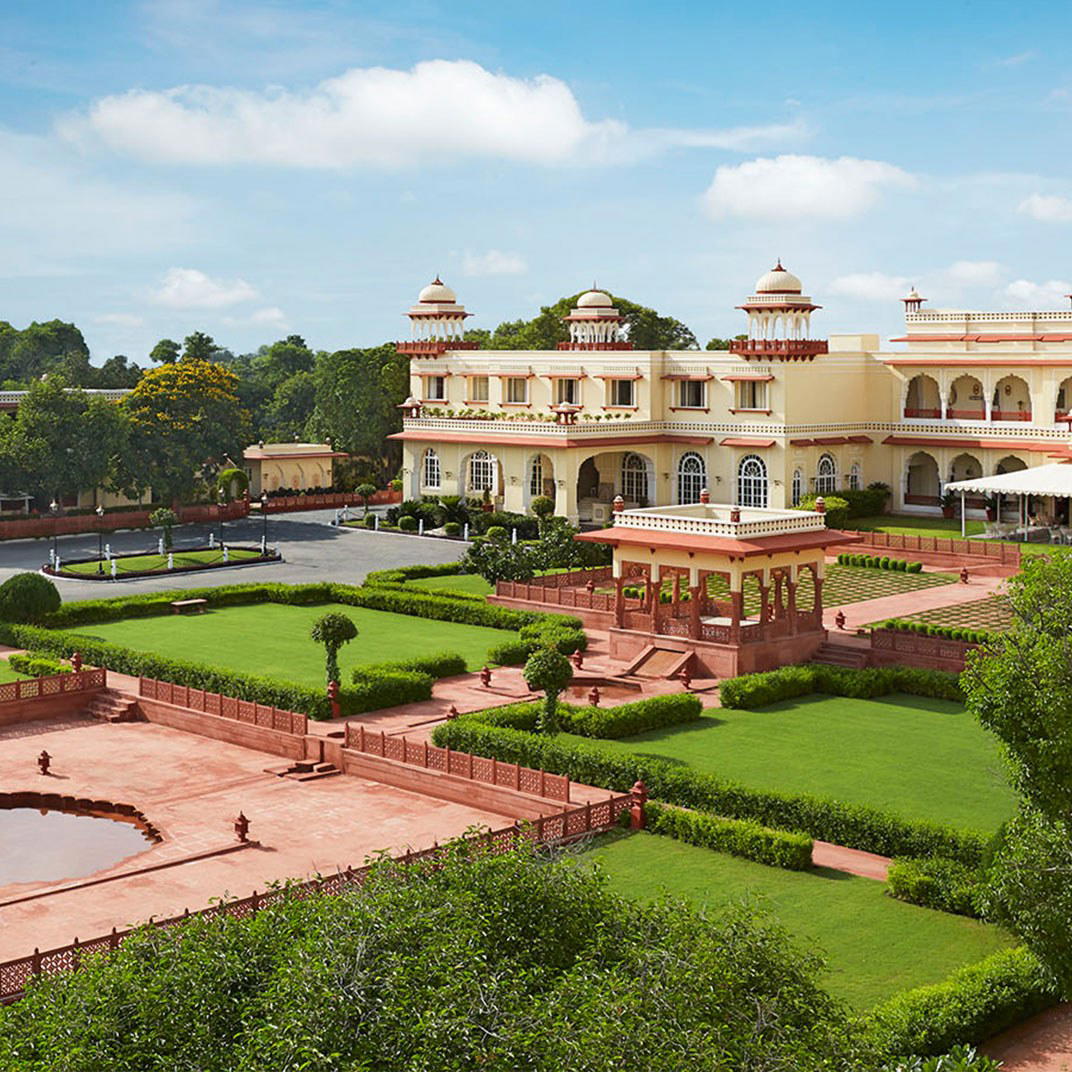
Elegant heritage haveli setting blending traditional craftsmanship with modern comforts, featuring quiet inner courtyards and pretty-as-a-picture dining spaces.