Our verdict
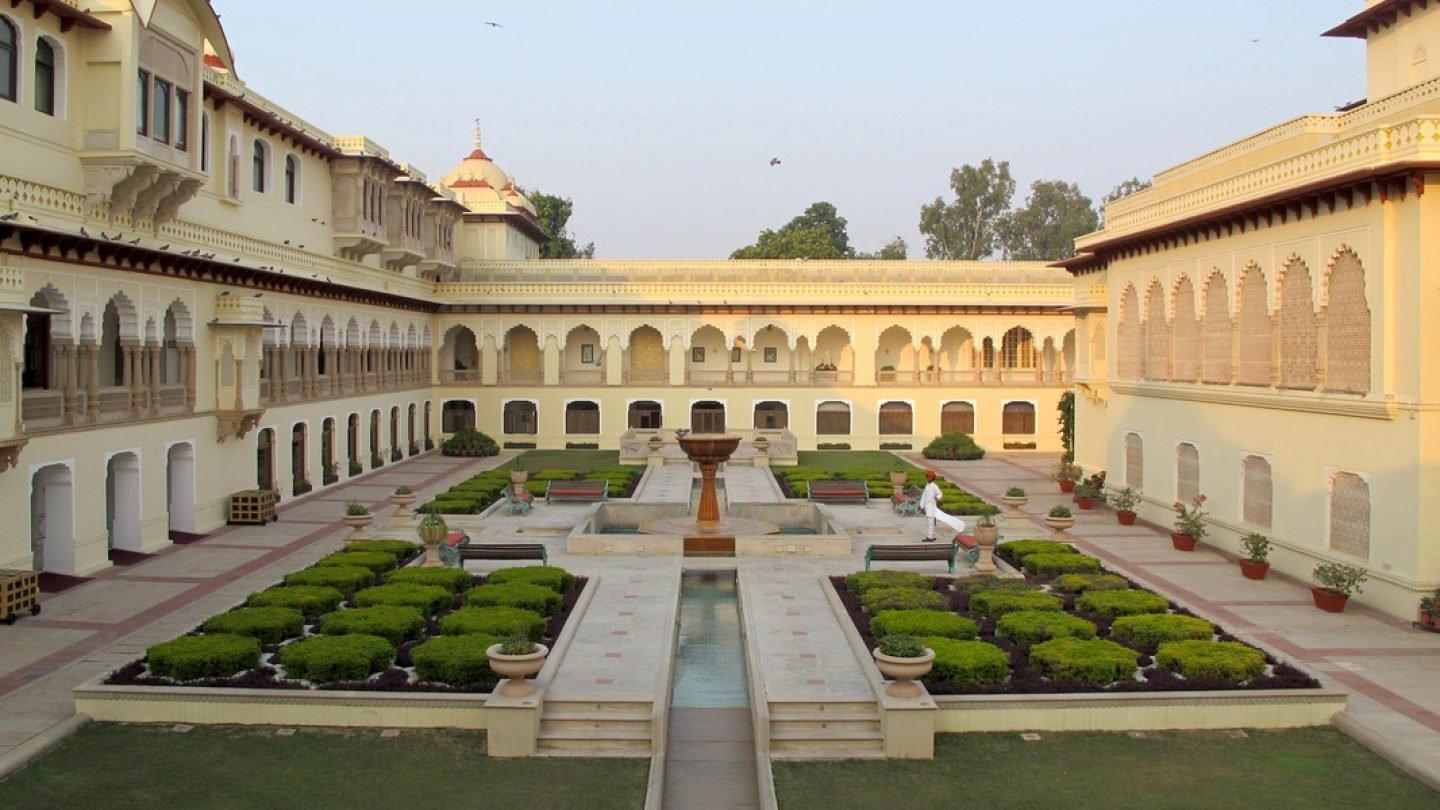
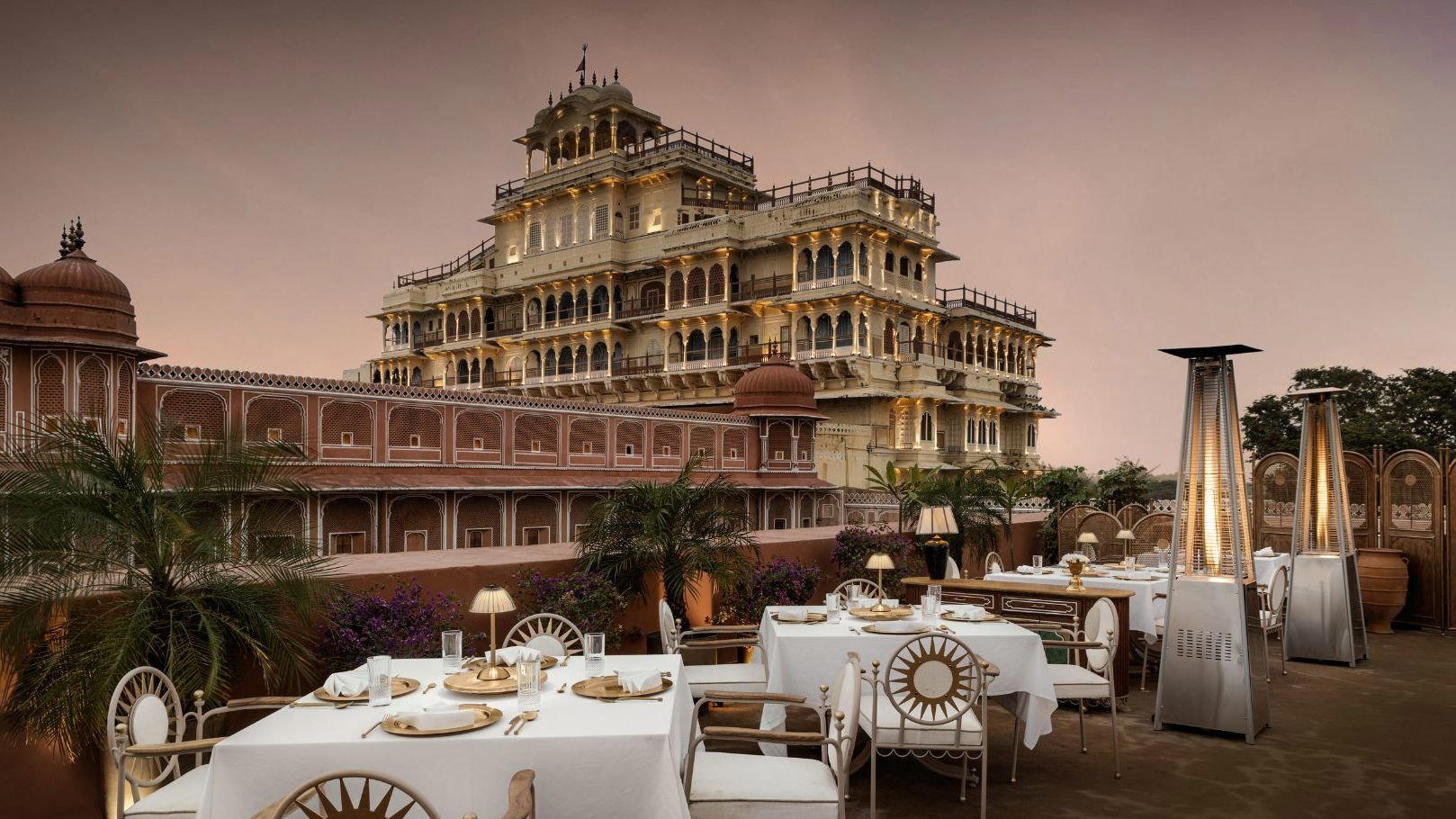
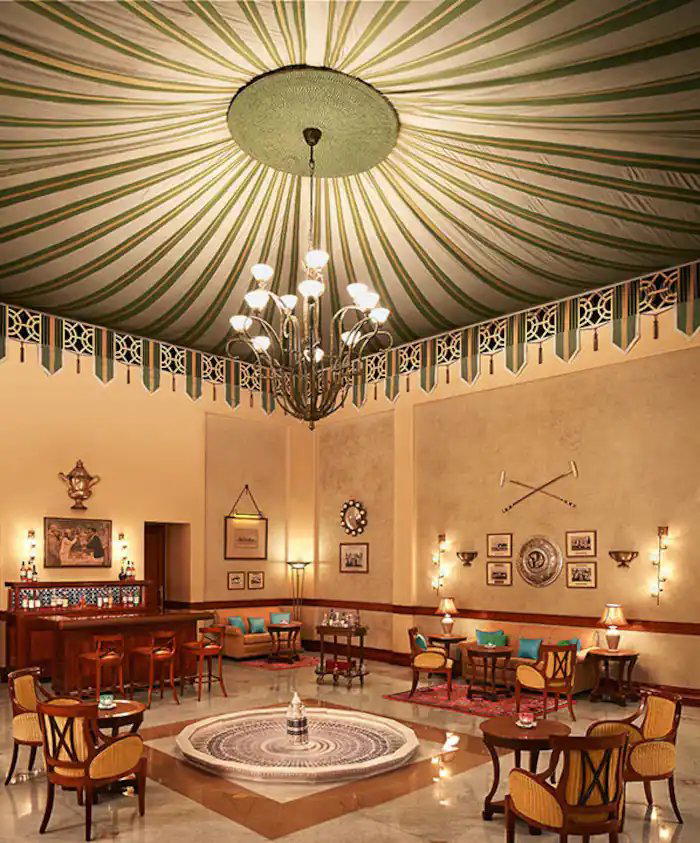
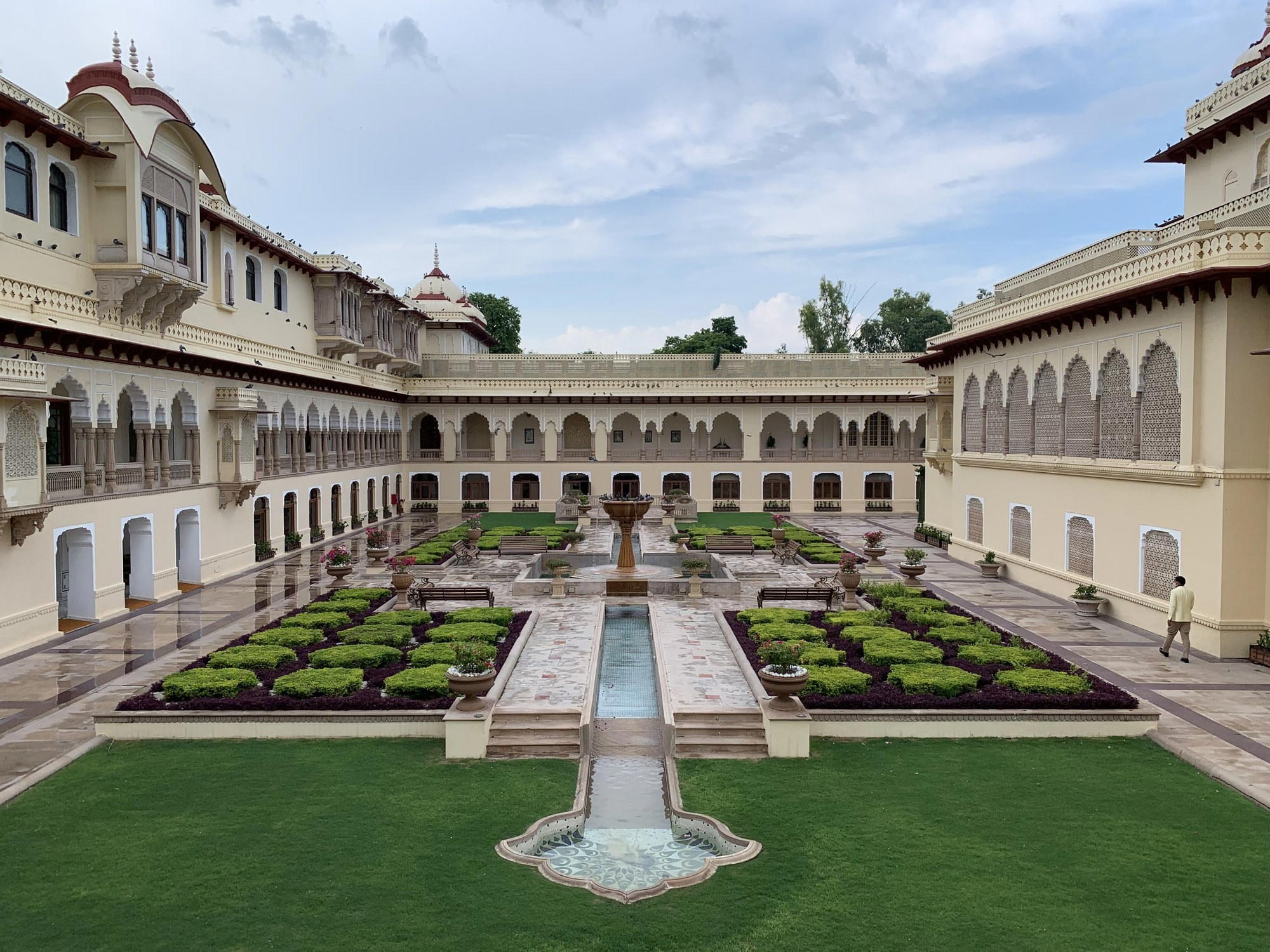
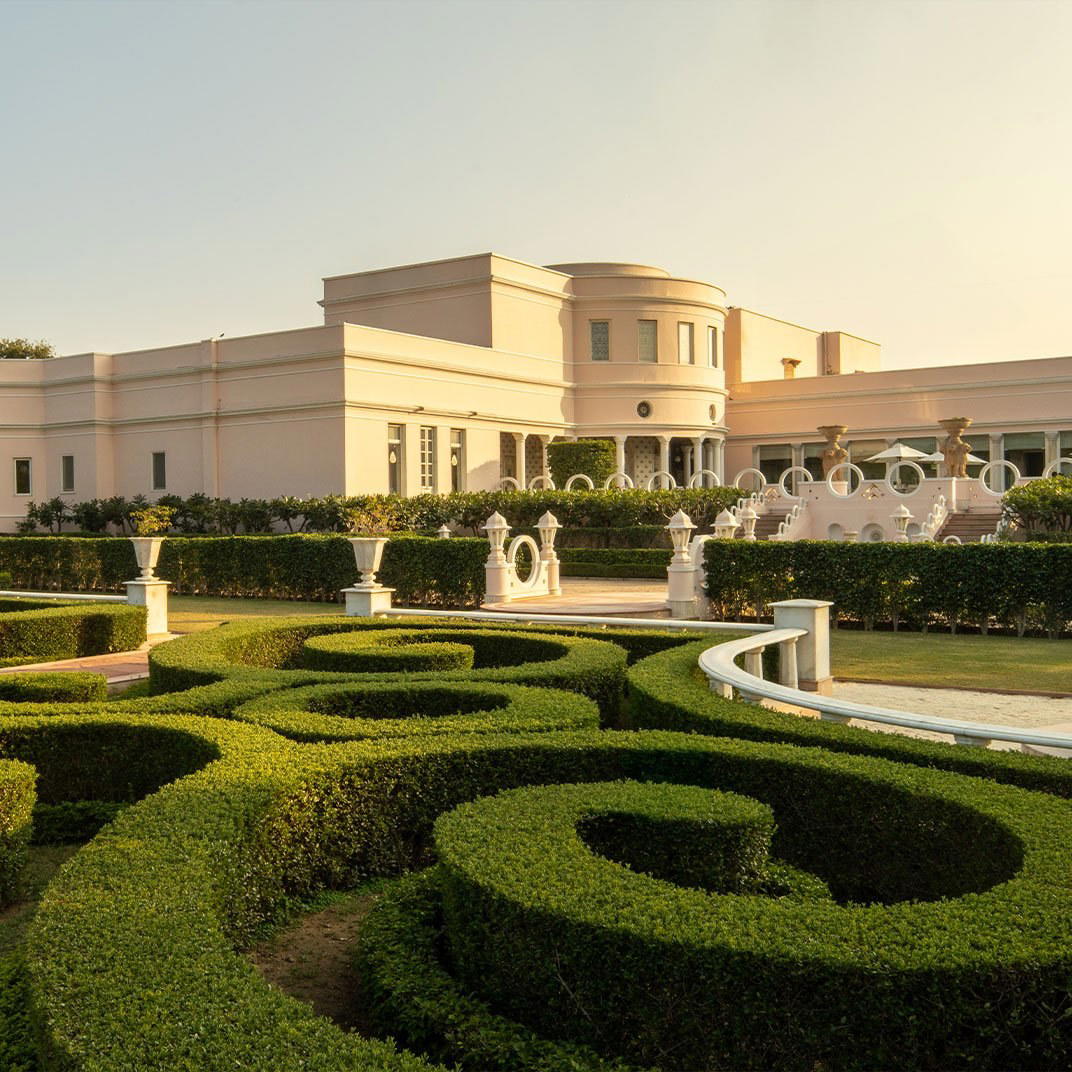
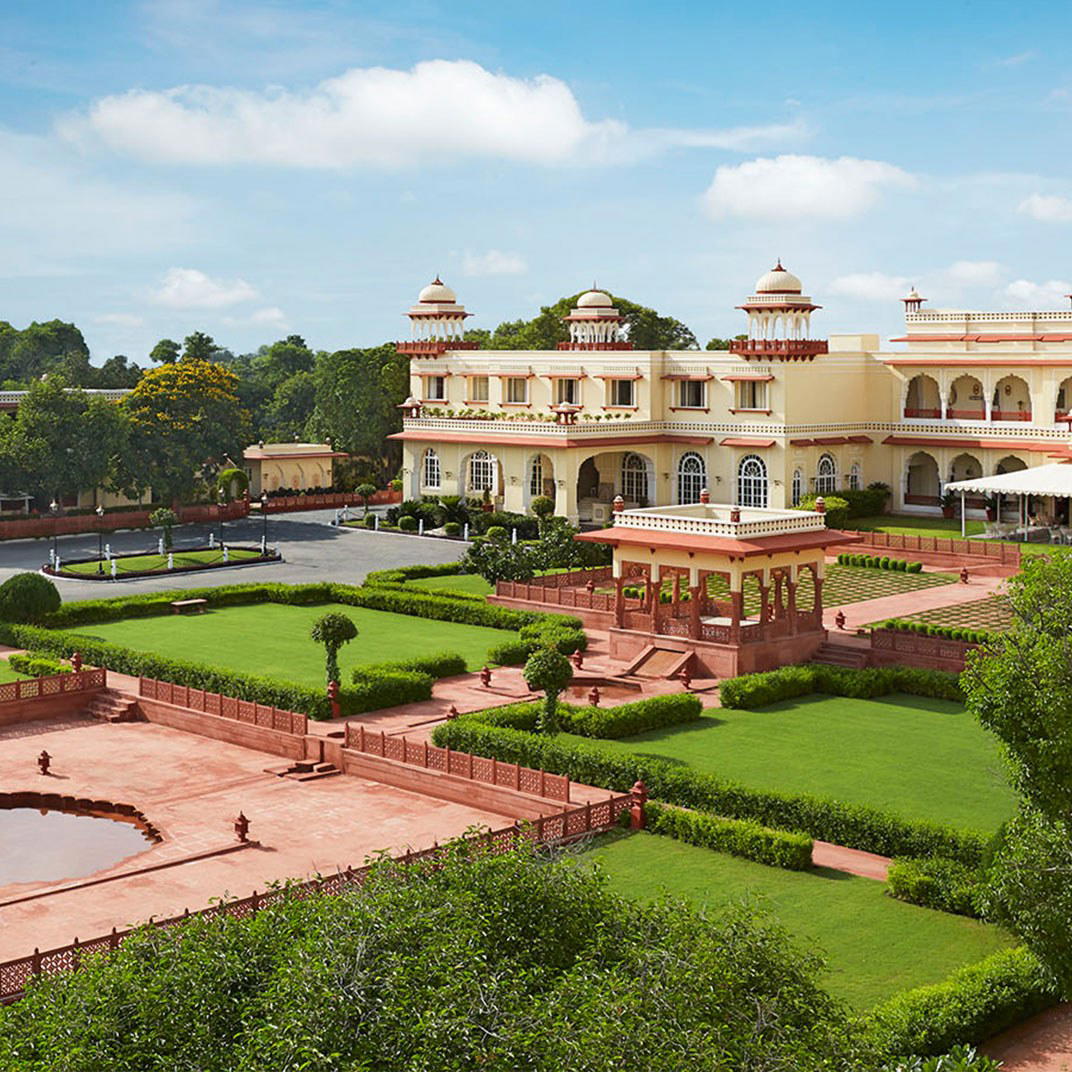
"A Banquet of Flavors Formerly the residence of the Maharajah of Jaipur, and now one of Jaipur’s most elegant luxury hotels, the 19th-century Rambagh Palace has had a front-row seat to history, and has hosted a long list of royals, dignitaries, and celebrities along the way. As an homage to those regal roots, the hotel’s fine-dining restaurant spotlights the cuisine of four of India’s former princely states: Rajasthan, Awadh, Punjab, and Hyderabad. In what used to be the palace’s banquet hall, still dripping with gilded mirrors and Italian frescos, enjoy dishes like laal maas (a Rajasthani spicy lamb curry), chicken cooked with raw mango and saffron, skillet-grilled lobster, and apricot-stuffed cheese dumplings simmered in tomato gravy. Cap off the night with a drink in the nearby Polo Bar, which serves fine spirits and cocktails inspired by the royal equestrian sport."

Pearl is the En Primeur Club membership app — saves, bookings, and concierge access live there. Same editors, same standards.
- Address
- RAMBAGH PALACE, Bhawani Singh Rd, Rambagh, Jaipur, Rajasthan 302015, India
- Phone
- +91 141 667 1234
- Hours
- Daily 7–11:45 PM
- Website
- tajhotels.com
- Directions
- Get directions
The menu
What to order
- Suvarna Mahal Royal Thali
- Dal Suvarna Mahal
- Khubani ke Kofta
Dining Inside a Former Throne Room
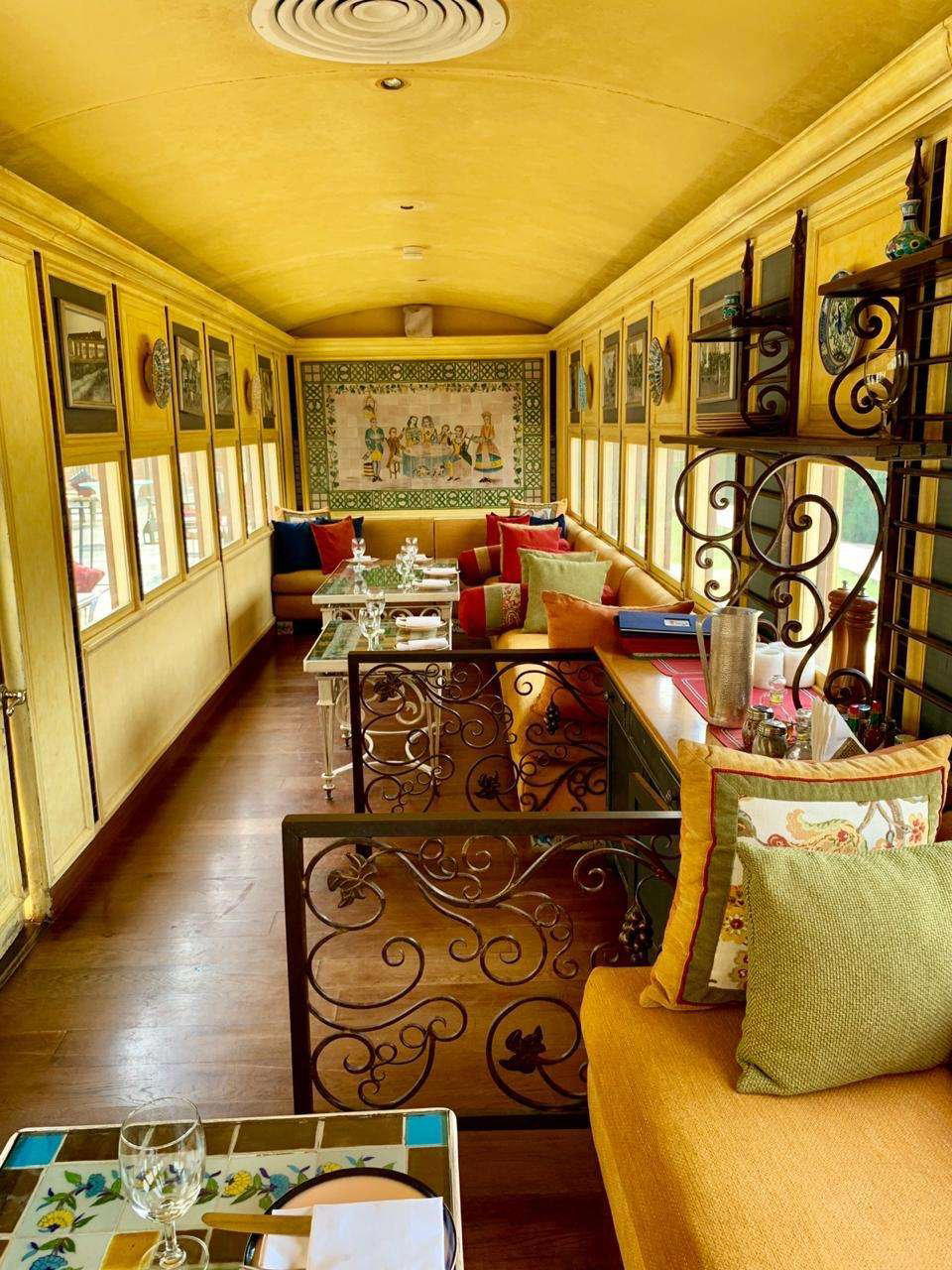
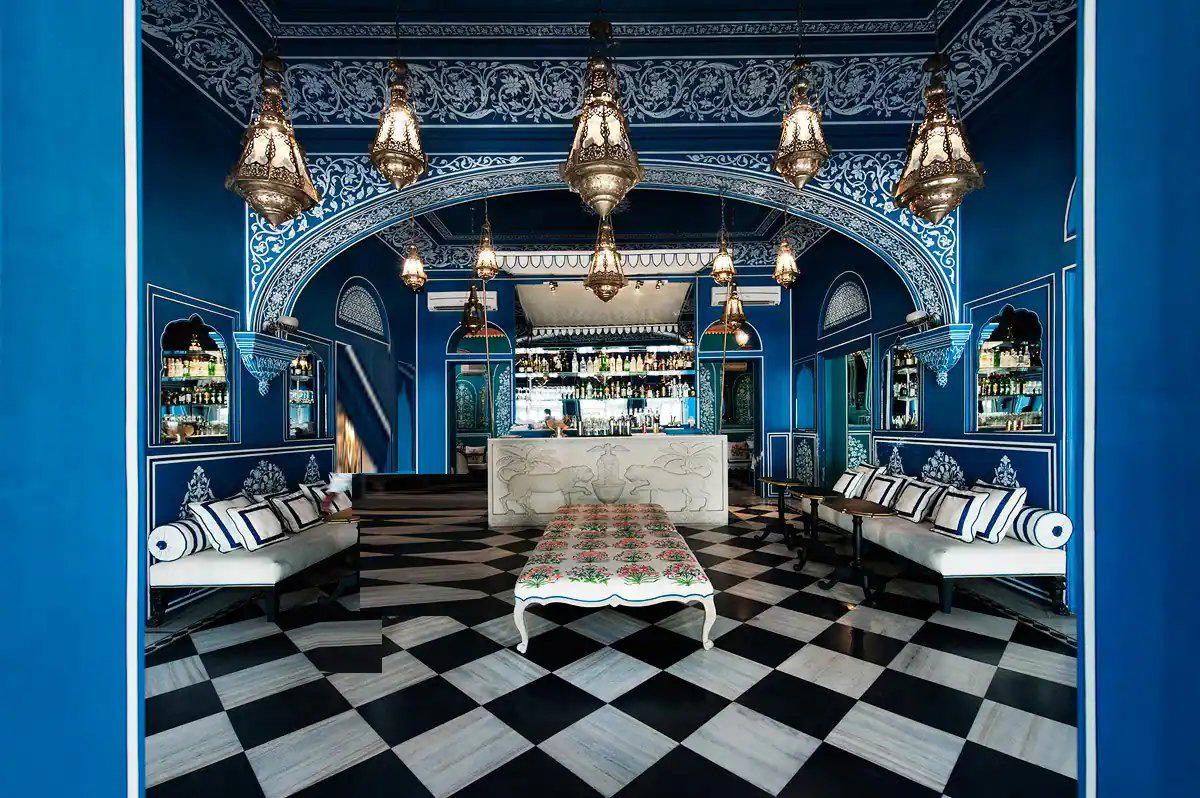
Rambagh Palace was, until 1957, the official residence of the Maharaja of Jaipur. The building's conversion into a hotel preserved several of its ceremonial spaces, and Suvarna Mahal occupies one of the most formally composed of these: a hall with gilded surfaces, painted ceilings, and proportions calibrated for royal audiences rather than intimate dinners. The physical environment does something that most heritage-restaurant settings fail to do — it maintains the asymmetry of power between the architecture and the diner. You are seated inside something larger than the meal itself.
That condition shapes everything about how an evening here unfolds. The pace is deliberate, the service posture is formal, and the spatial staging of the room invites a kind of attention that casual restaurant settings actively discourage. In the broader context of palace-hotel dining across Rajasthan, Suvarna Mahal sits in the category occupied by Adaa at Falaknuma Palace in Hyderabad — rooms where the dining ritual is inseparable from the architectural inheritance of the building.
The Ritual of a Palace Dinner
Rajasthani court cooking has a logic built on ceremony. Historically, the sequence of a royal meal was not organised by appetite progression in the European sense but by a combination of occasion, status, and the symbolic weight of particular ingredients. Dal baati churma, laal maas, and slow-cooked game preparations carried both practical and ceremonial meaning, they communicated the resources of a host and the respect shown to guests. That tradition, even translated into a hotel dining context, retains some of that ceremonial architecture when the room itself reinforces it.
At Suvarna Mahal, the act of being seated, the presentation of dishes, and the pacing of service are treated as components of a single composed experience rather than logistics to be moved through efficiently. This is a different model from the technical precision-focused tasting menus at places like Farmlore in Bangalore or the contemporary fusion format at Inja in New Delhi. The emphasis here is on tradition as a form of hospitality rather than on novelty as a demonstration of skill.
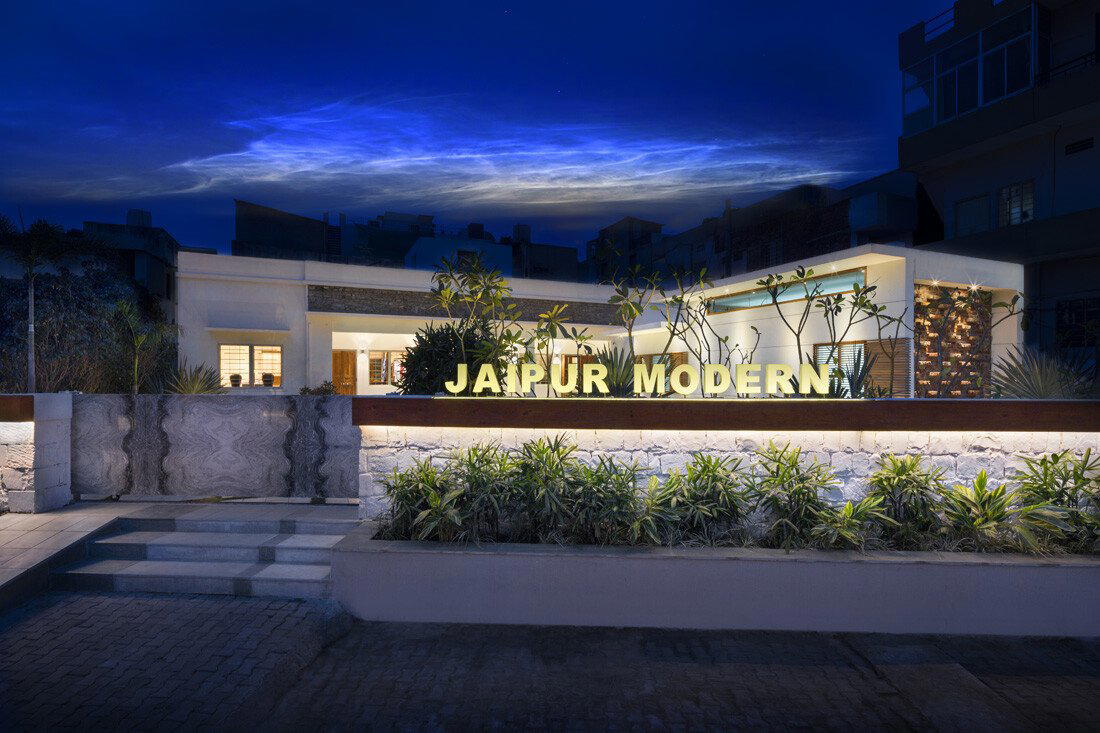
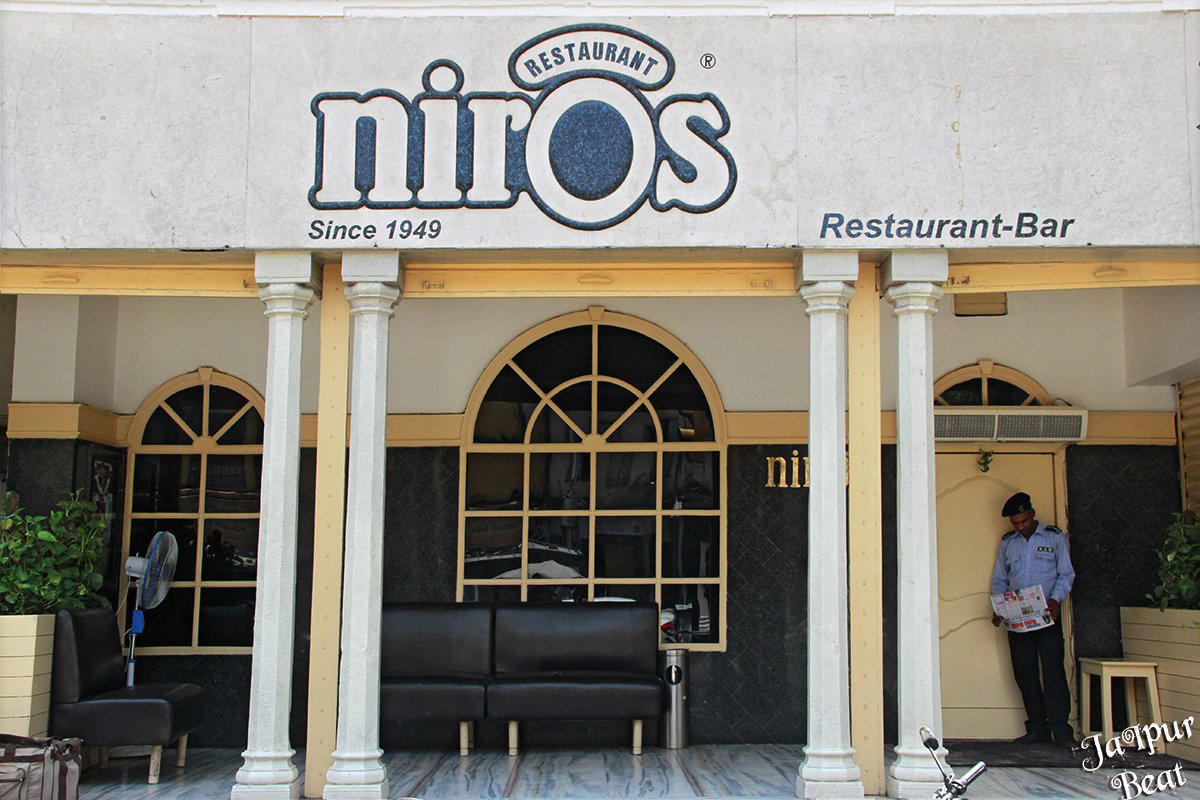
Jaipur's dining scene has developed a clear split between two categories: venues that use heritage as a backdrop for modern menus, and venues where the heritage is the substance of the offer. Suvarna Mahal belongs to the latter. For comparison, 1135 AD takes a similar approach within an Amber Fort context, grounding its menu in Rajput culinary history as the primary editorial point. Both operate in a different register from Jaipur's urban dining circuit, where Niros Restaurant has served as a reliable civic institution since 1949, and where Jaipur Modern - Store & Kitchen addresses a more contemporary, design-aware audience.
Positioning Within the Palace-Hotel Category
Rambagh Palace operates under the Taj Hotels umbrella, placing Suvarna Mahal within a portfolio that also includes formal dining rooms at other former royal properties across India. That group positioning matters because it sets expectations around service training, sourcing standards, and the consistency floor below which the experience should not fall. The peer comparison for a venue in this category is not the neighbourhood restaurant circuit but other destination dining rooms inside heritage palace hotels, a category where the architecture, the service choreography, and the provenance of the setting carry as much weight as what arrives on the plate.
Across India's palace-hotel category, the tension is between preservation and animation. Some heritage dining rooms become static, relying entirely on the building to do the work. The rooms that hold attention over time are those where the service team understands the ritual dimension of what they are offering and delivers it with conviction rather than rote formality. The difference is perceptible within the first ten minutes of being seated.
For travellers contextualising Jaipur against broader Rajasthan, the Dining Tent in Jaisalmer offers a contrasting model, the temporary and immersive desert format at the opposite end of the permanence spectrum from a palace hall. Both, in their own terms, are making an argument about how setting shapes the meaning of a meal.
The Wider Indian Fine-Dining Frame
India's premium restaurant category has expanded considerably in the past decade, with reservation-driven tasting-menu formats appearing in Bangalore, Mumbai, Delhi, and Goa. Venues like Americano in Mumbai, Bomras in Anjuna, Kappa Chakka Kandhari in Chennai, and Leela Kerala Terrace in Trivandrum each represent a different strand of that expansion, regional specificity, technique-led modernism, or destination hospitality. Suvarna Mahal sits apart from that current by grounding its identity in a pre-existing institution: the palace itself. The restaurant does not make a case for itself independently of Rambagh; it is Rambagh's formal dining expression, and the two are inseparable.
That is neither a weakness nor a constraint. Some of the most consistently serious dining rooms in the world, including Le Bernardin in New York City, derive part of their authority from operating within a clearly defined institutional identity. The setting sets the contract with the guest before a single dish is served.
Planning Your Visit
Rambagh Palace is located on Bhawani Singh Road in the Rambagh district, approximately four kilometres south of the walled city. For visitors combining this dinner with Jaipur's heritage circuit, the proximity to the polo grounds and the palace gardens makes the area a natural base. Reservations for Suvarna Mahal are handled through the Rambagh Palace hotel directly; guests staying at the property can coordinate through the concierge, while outside diners should contact the hotel in advance, particularly during the October-to-March high season when Jaipur sees its heaviest visitor load. Dress code expectations align with the formality of the setting, the room communicates its requirements clearly. For a broader orientation to the city's dining options across price points and formats, see our full Jaipur restaurants guide, which also covers Peshawri and The Johri alongside the palace category. Those comparing the northwest India heritage-dining circuit with options further north should also consider Neel in Patiala and, for a mountain counterpoint, Naar in Kasauli. And for those cross-referencing ceremony-forward dining internationally, Lazy Bear in San Francisco operates a comparable ritual logic, structured pacing, fixed-format hospitality, in a completely different cultural register.
Frequently asked questions
Where is Suvarna Mahal in Jaipur?
Suvarna Mahal is located at RAMBAGH PALACE, Bhawani Singh Rd, Rambagh, Jaipur, Rajasthan 302015, India, Jaipur.
Is Suvarna Mahal inside an actual royal palace, or is that just the hotel branding?
Rambagh Palace was the official residence of the Maharaja of Jaipur until 1957, when it was converted into a hotel under what is now the Taj Hotels group. Suvarna Mahal occupies one of the palace's preserved ceremonial spaces, making the royal-residence claim historically grounded rather than decorative marketing. For visitors specifically interested in Rajasthan's Rajput heritage, the address at Bhawani Singh Road, Rambagh, Jaipur places the restaurant within one of the subcontinent's most documented princely-state properties.
What do people recommend at Suvarna Mahal?
Suvarna Mahal is known for drawing on Rajasthani court cooking traditions, a cuisine built around ceremonial sequencing rather than the European appetite-progression model. Guests consistently highlight the formal setting inside Rambagh Palace, the former official residence of the Maharaja of Jaipur, as central to the experience. Specific dish recommendations vary by season and menu cycle, so confirming the current offering directly with the palace is advisable before your visit.
How far ahead should I plan for Suvarna Mahal?
Rambagh Palace is one of the most visited heritage hotel properties in Jaipur, and Suvarna Mahal draws both hotel guests and outside diners. Reservations during peak season — October through February, when Rajasthan's winter tourism is at its highest — should be secured well in advance, ideally two to four weeks ahead. For special occasions or during festival periods such as Diwali, earlier booking is prudent.
What's Suvarna Mahal best at?
The restaurant's clearest strength is context: dining inside a building that served as the Maharaja of Jaipur's official residence until 1957 places Rajasthani cuisine in an architectural setting few restaurants in India can match. Suvarna Mahal sits within the Taj Hotels portfolio, which maintains formal service standards across its palace properties. That combination of physical heritage and managed hospitality is what separates it from standalone fine-dining venues in the city.
Can Suvarna Mahal adjust for dietary needs?
Taj Hotels properties generally accommodate dietary requirements — vegetarian, vegan, and allergy-specific requests — as a standard practice across their formal dining rooms. Suvarna Mahal, operating within that framework at Rambagh Palace, is well-positioned to handle such requests, particularly given that Rajasthani court cuisine already has a substantial vegetarian tradition. Contacting the palace directly ahead of your reservation is the most reliable way to confirm current options.
Should I splurge on Suvarna Mahal?
If the reason for visiting Jaipur includes any interest in Rajasthani history or the architecture of the former royal households, then dining at Suvarna Mahal carries weight that a comparable spend at a standalone city restaurant would not. Rambagh Palace on Bhawani Singh Road is four kilometres from the walled city, and an evening here functions as access to a preserved ceremonial interior as much as a restaurant meal. Pricing sits at the upper end of Jaipur's dining spectrum, consistent with Taj Hotels' palace properties.
Cuisine-First Comparison
| Venue | Cuisine | Price |
|---|---|---|
| Suvarna MahalThis venue — the venue you are viewing | Royal Indian Fine Dining | Not listed |
| Jaipur Modern - Store & Kitchen | Modern Mediterranean & Healthy | $10–20 |
| Niros Restaurant | Multi-Cuisine Indian with Rajasthani Specialties | $10–20 |
| Verandah Cafe | Multi-Cuisine Café | $20–30 |
| Peshawri | North-West Frontier Tandoori | $30–50 |
| The Johri | Modern Rajasthani Vegetarian | $30–50 |
Details
- Elegant
- Ornate
- Sophisticated
- Classic
- Special Occasion
- Celebration
- Business Dinner
- Historic Building
- Hotel Restaurant
- A La Carte
- Vegetarian Friendly
Current opening hours
- Monday
- 7–11:45 PM
- Tuesday
- 7–11:45 PM
- Wednesday
- 7–11:45 PM
- Thursday
- 7–11:45 PM
- Friday
- 7–11:45 PM
- Saturday
- 7–11:45 PM
- Sunday
- 7–11:45 PM
Hours can change for holidays and private events. Last verified .
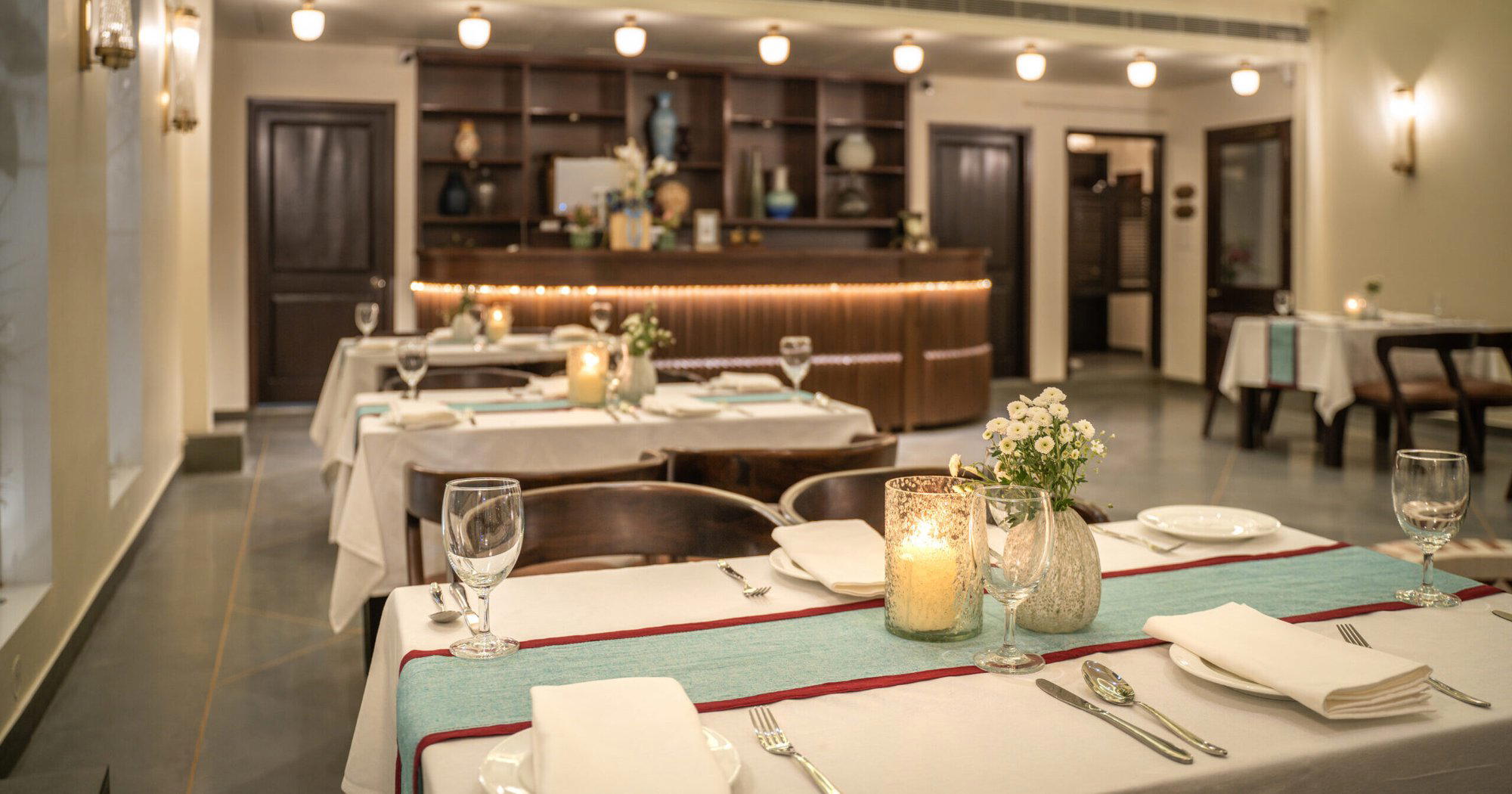
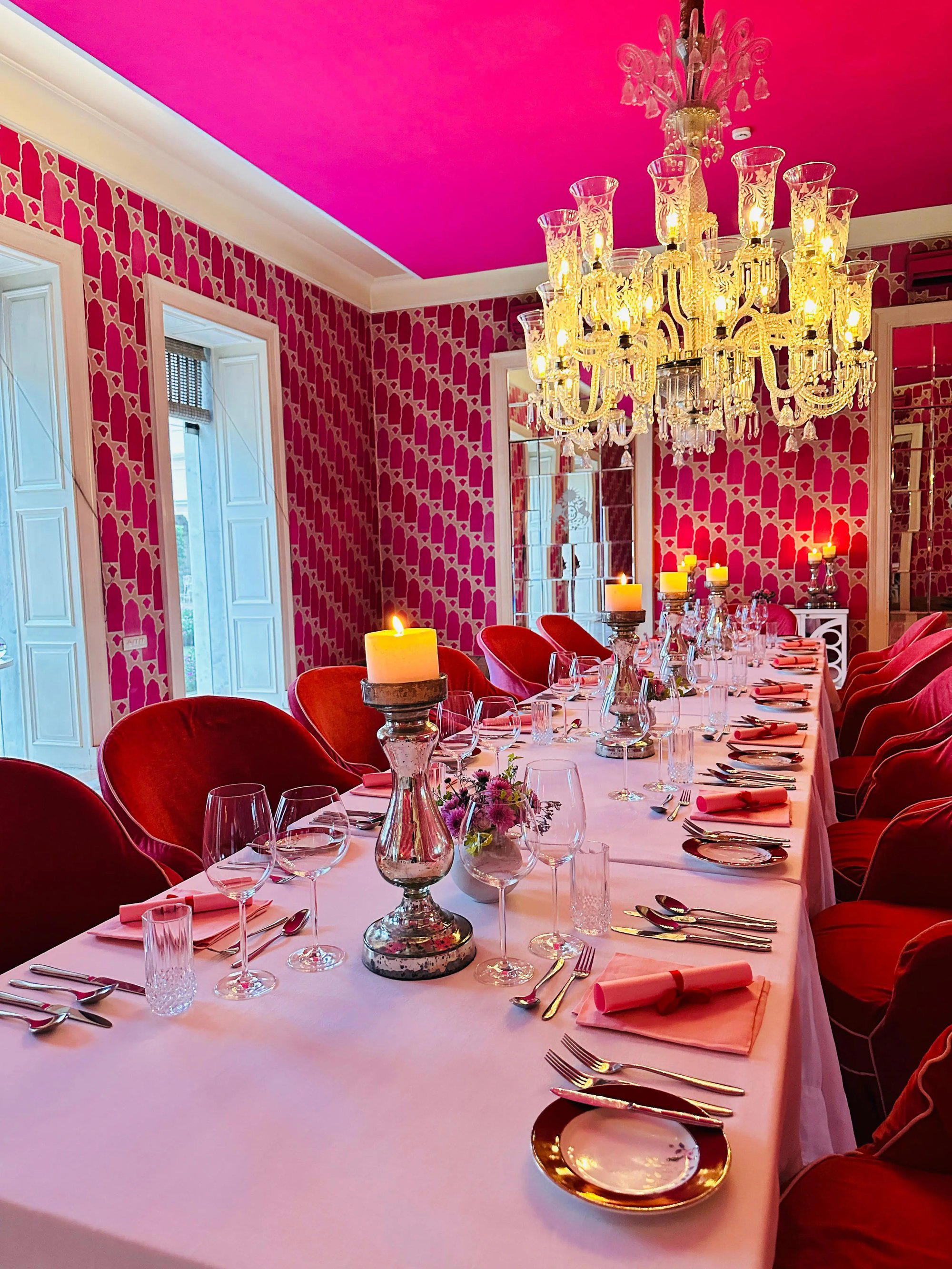
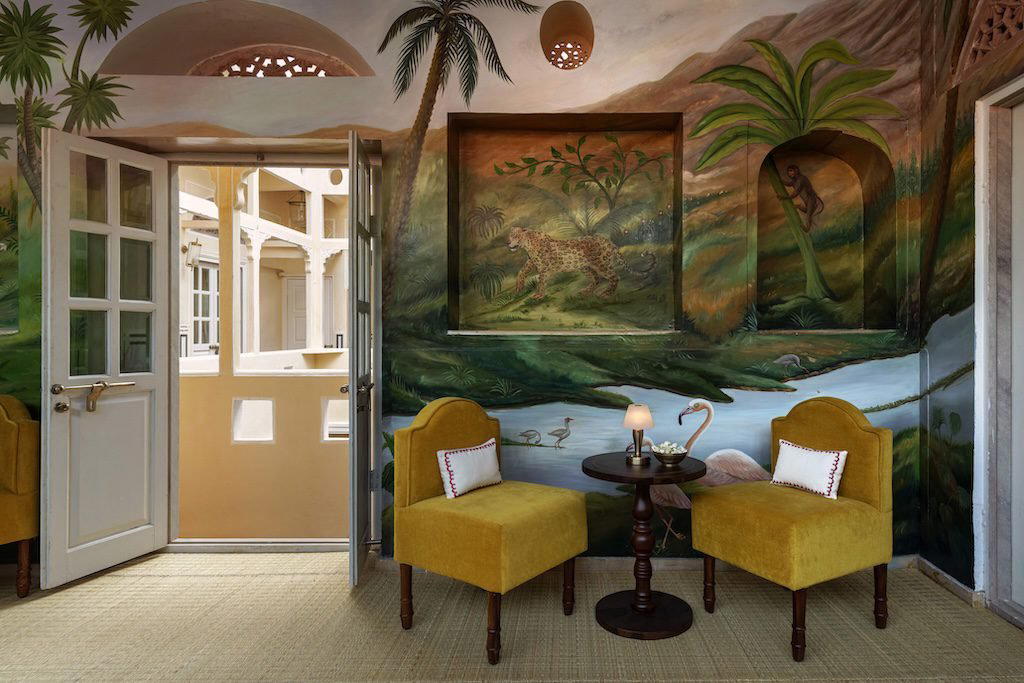
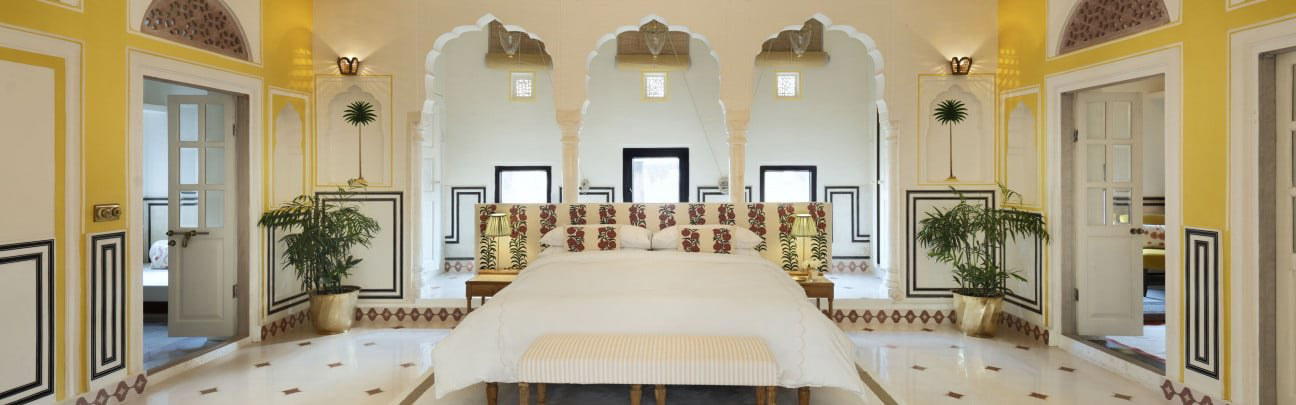
Ornate old-world charm with high ceilings, gilded mirrors, and Florentine frescoes evoking the heritage of Maharajas.