Set inside the Amber Palace complex, 1135 AD is among Jaipur's most historically grounded dining addresses, positioning Rajasthani court cuisine within one of India's most significant Mughal-era fortresses. The setting alone situates it in a different category from the city's hotel restaurants and heritage havelis. For visitors serious about the food traditions of the region, the address carries weight before the first dish arrives.
Pearl is the En Primeur Club membership app — saves, bookings, and concierge access live there. Same editors, same standards.
- Address
- Amber Palace, 1135 AD, Jaleb Chowk, Devisinghpura, Jaipur, Rajasthan 302028, India
- Phone
- +91 98290 37170
- Directions
- Get directions
 Saves & bookings on Pearl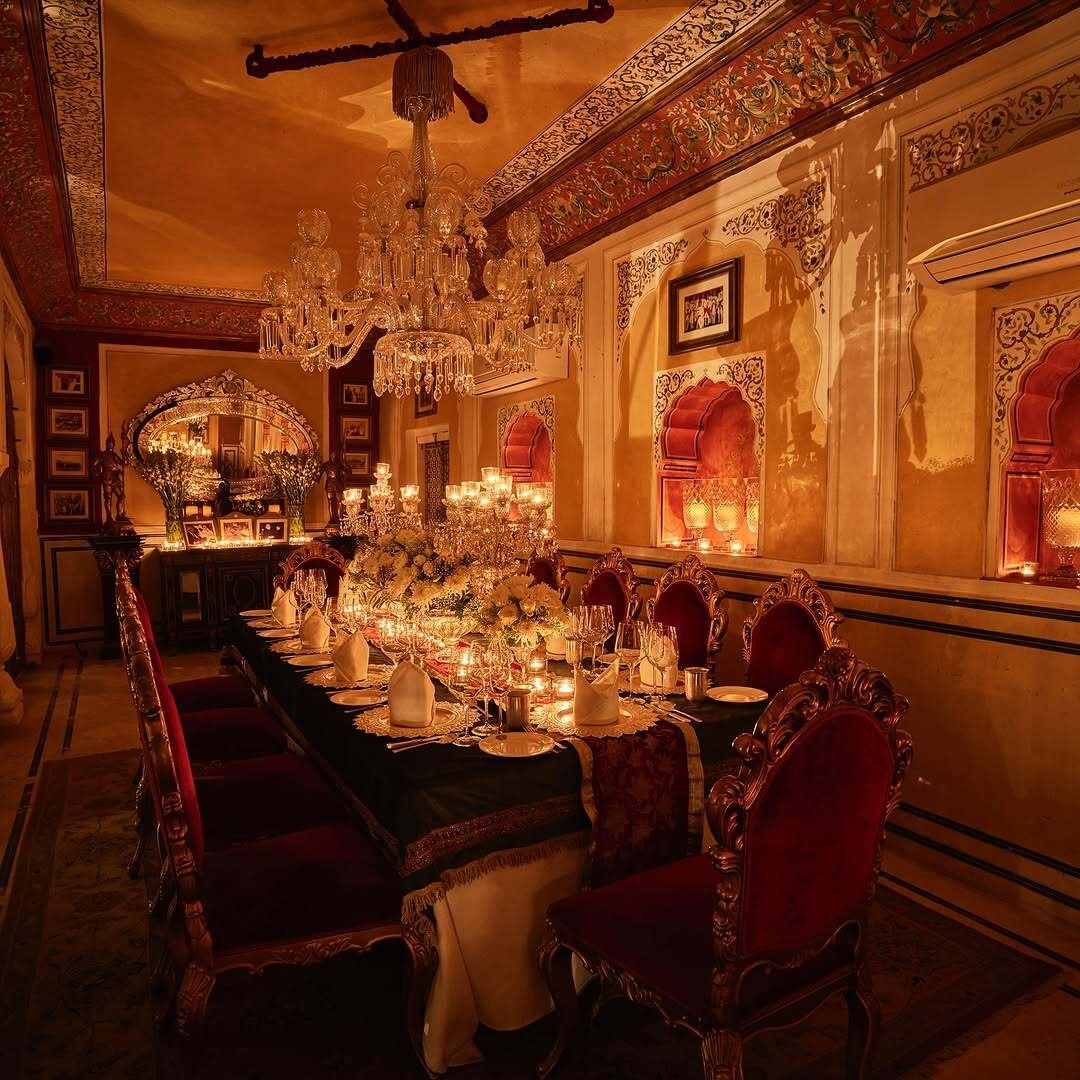
Dining Inside a Fortress: What Amber Palace Changes About the Meal
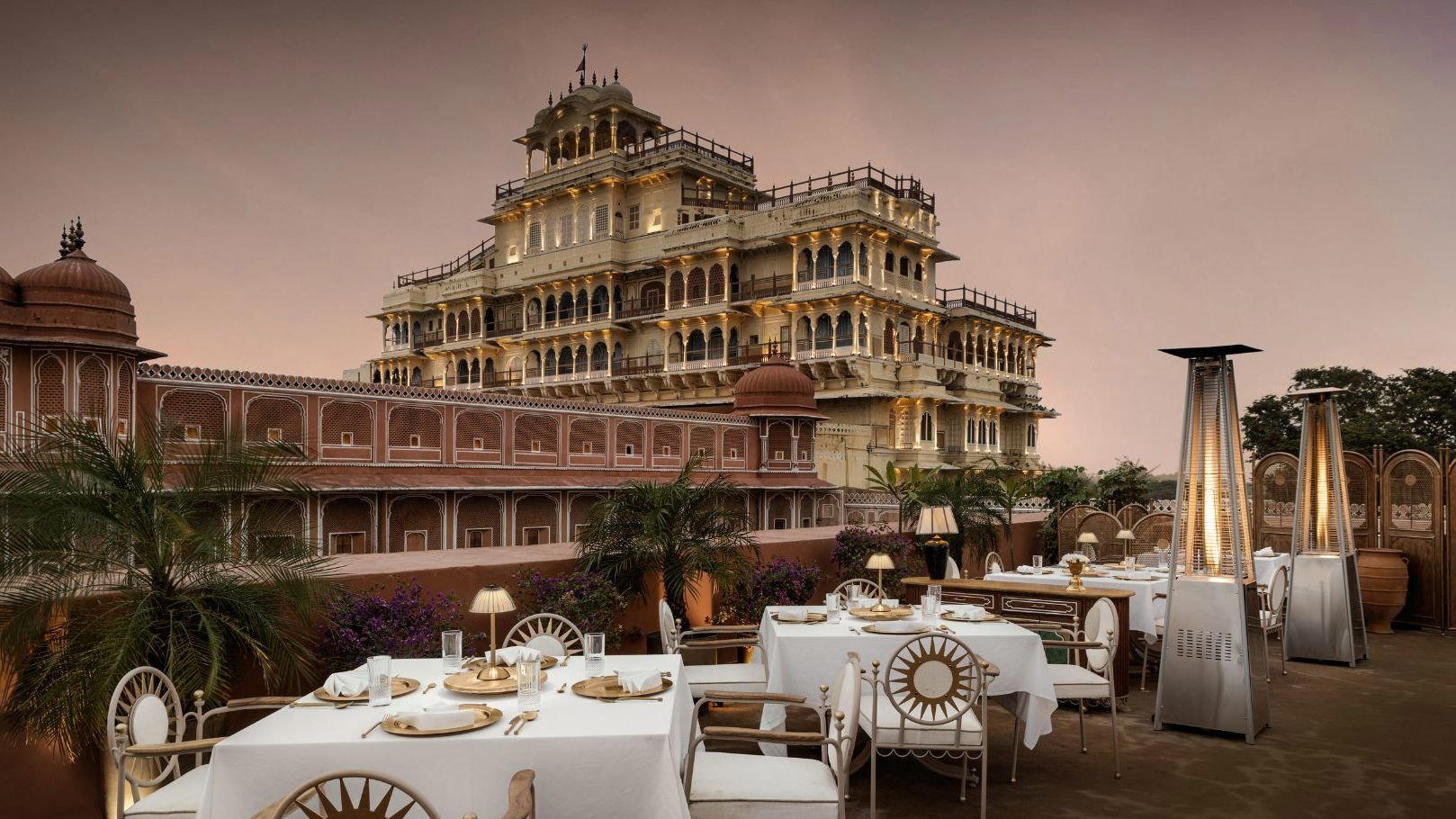
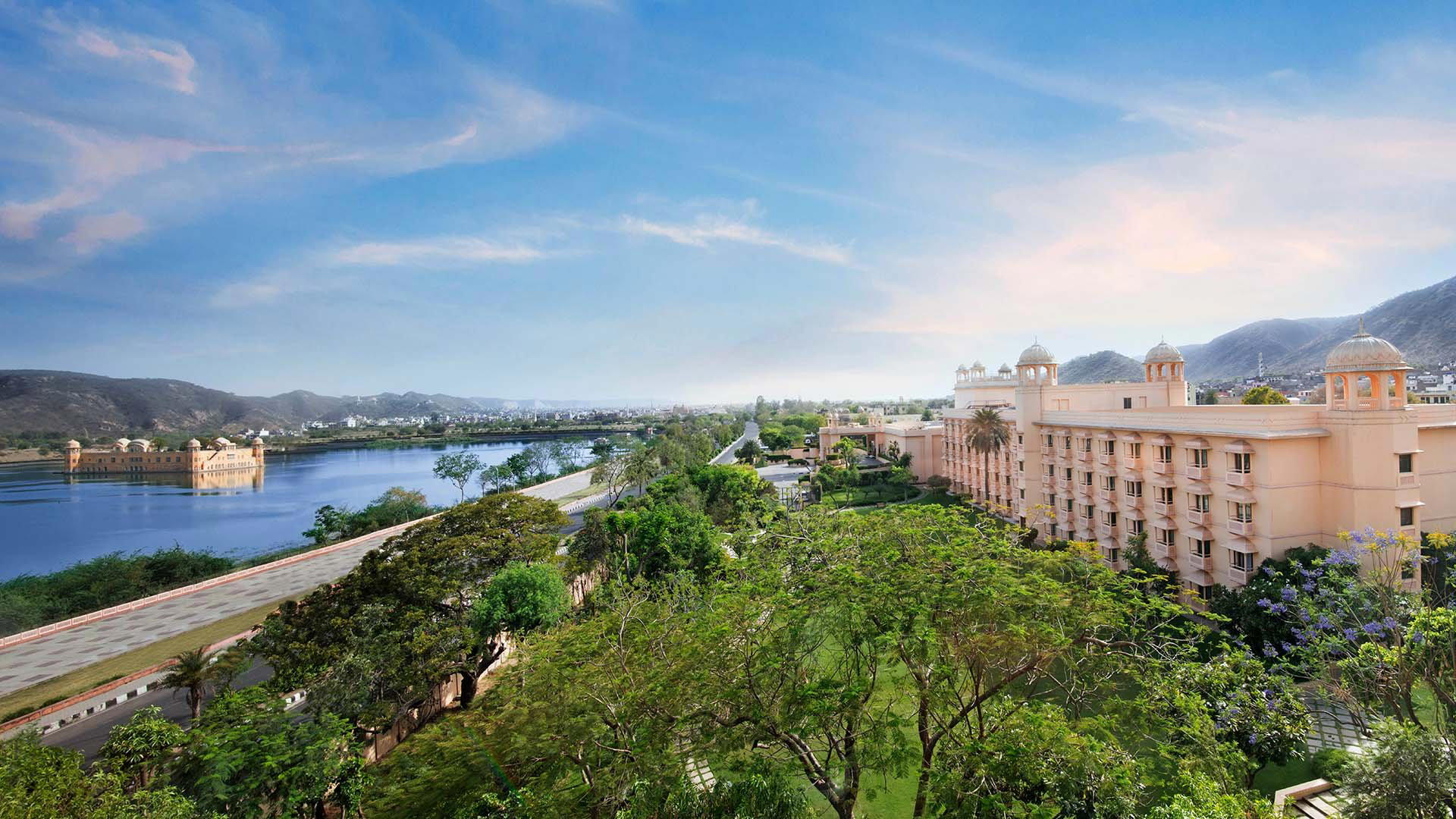
At Amber Palace, where the Amber Fort complex rises above Maota Lake on the edge of Jaipur's Aravalli hills, the architecture sets expectations before any menu is consulted. 1135 AD takes its name from the approximate founding year of the fort, and that numerical anchor is not incidental, it frames the food as a continuation of something, not a performance of it. In a city where heritage dining often means a hotel ballroom dressed with antique furniture, a restaurant physically embedded in a Mughal-Rajput palace compound occupies a different position entirely.
Jaipur's dining scene has expanded considerably over the past decade, with modern addresses like Jaipur Modern - Store & Kitchen and long-standing institutions like Niros Restaurant holding distinct positions in the market. But 1135 AD sits in a narrower category: restaurants where the physical location is itself a form of culinary argument. A restaurant inside that compound is not competing on foot traffic discovery, it is competing on the strength of the proposition itself.
The Ingredient Logic of Royal Rajasthani Cooking
Rajasthani court cuisine developed under specific geographic and historical constraints that shaped its ingredient logic in ways still visible on contemporary menus. The region's arid terrain meant limited fresh produce, so preservation techniques, dried legumes, dairy fats, and game meats became structural pillars of the cooking rather than supporting elements. The Rajput aristocracy maintained hunting traditions that introduced venison, wild boar, and partridge to court kitchens, while the spice trade routes through Rajasthan's merchant cities brought saffron, cardamom, and dried chilies into regular use well before they reached many other Indian regional cuisines.
This ingredient heritage distinguishes Rajasthani royal cooking from the more widely exported versions of North Indian cuisine, the tandoor-forward, Punjabi-influenced cooking that dominates restaurant menus from Delhi to Dubai. Addresses like Peshawri in Jaipur represent that tandoor tradition well, and it is a tradition worth respecting. But the court kitchens of Amber and Jaipur operated with different priorities: slow-cooked preparations, milk-based gravies, spice combinations calibrated for ceremonial feasts rather than daily staples. A restaurant committed to that tradition draws from a narrower and less commercially convenient pantry.
Across India, considered regional cooking is increasingly being defined by sourcing specificity. Farmlore in Bangalore has built its entire format around documented local sourcing. Naar in Kasauli anchors its menu in Himalayan forage and regional produce.
The Setting as Editorial Statement
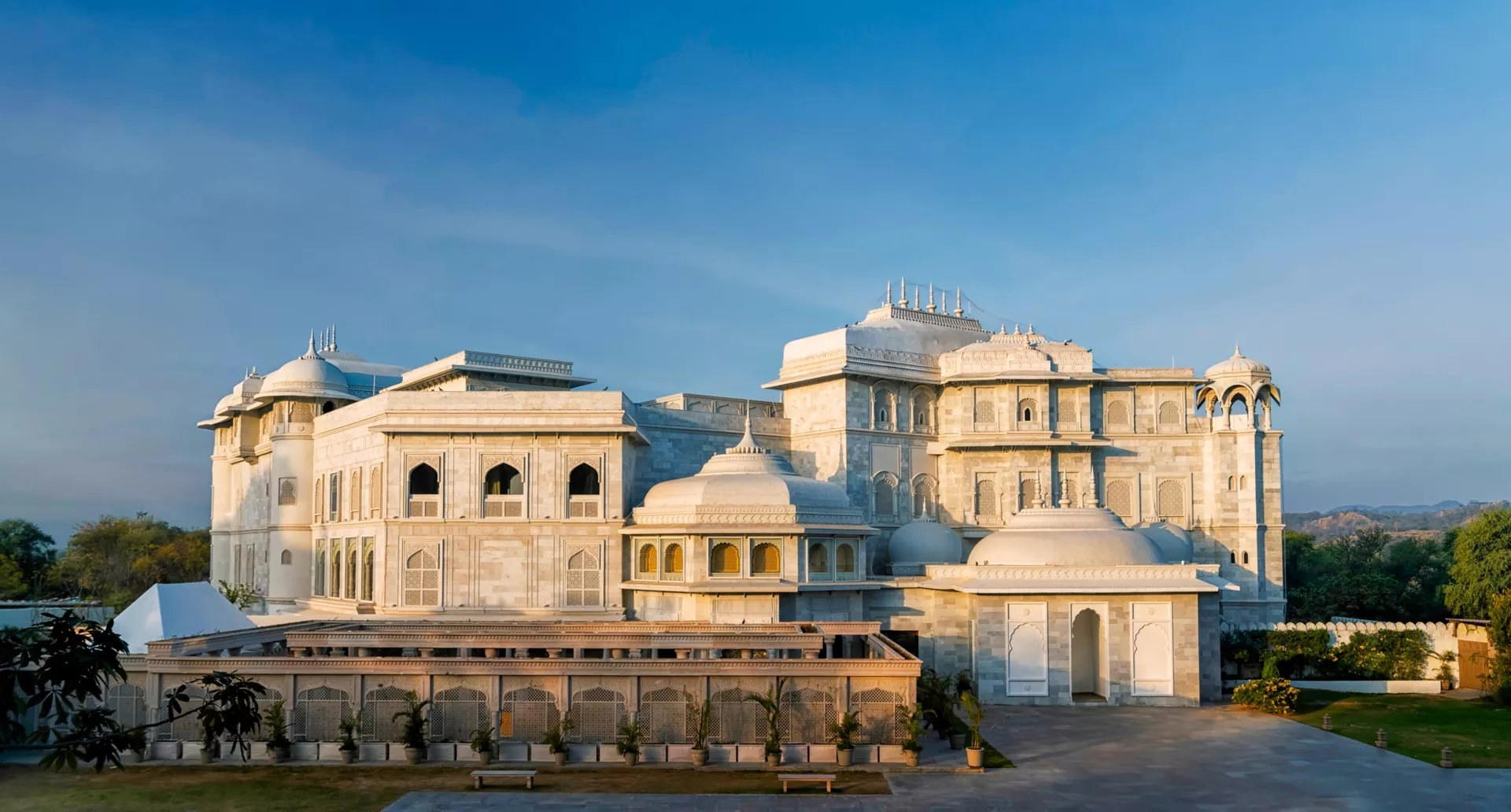
The Jaleb Chowk entrance, where 1135 AD is addressed, places the restaurant in the main courtyard of the Amber complex. Visitors arriving by road from Jaipur city, roughly 11 kilometres from the old walled city centre, pass through the same approaches that served the fort's original residents. That spatial sequence, the ascent, the courtyard, the stone architecture, functions as context that no interior designer can manufacture. Comparable fort-dining formats exist elsewhere in Rajasthan, but few operate within a UNESCO World Heritage Site complex, which Amber Fort became part of when the Hill Forts of Rajasthan received that designation in 2013.
Within Jaipur's heritage hotel category, Suvarna Mahal at the Rambagh Palace offers a different version of period dining, inside a former royal residence converted to a luxury hotel, with the formal dining room still intact. The Johri represents a more contemporary take on Rajasthani culinary identity. The restaurant occupies one historically specific position of these options: not a converted palace, but a functioning monument still open to the public, with the restaurant as one of its working components.
How 1135 AD Fits Into India's Broader Heritage Dining Pattern
India's heritage restaurant category has developed unevenly. Some of the country's most discussed addresses, Bukhara in New Delhi, for instance, built reputations on specific dishes and preparation styles that remained consistent over decades. Esphahan in Agra positions itself similarly within the Mughal belt's culinary tradition. What separates the serious addresses in this category from the performative ones is whether the kitchen program actually carries the weight of the historical claim, whether the cooking holds up independently of the setting.
For visitors assembling a broader picture of Indian regional cooking, the contrast between fort-based dining in Jaipur and, say, the coastal sourcing logic of Leela Kerala Terrace in Trivandrum or the market-driven approach at Americano in Mumbai is instructive. Indian cuisine is not a single tradition varying in spice level, it is a set of distinct regional systems, each shaped by geography, trade history, and court culture. Rajasthani court cooking is one of the more architecturally complex of those systems, built around specific techniques and ingredients that require deliberate sourcing to execute honestly.
Planning a Visit
Amber Palace sits approximately 11 kilometres northeast of Jaipur's city centre, reachable by taxi from the old city or from hotels along Mirza Ismail Road in under 30 minutes outside peak traffic hours. The fort complex has entry fees for the monument itself, separate from any dining reservation. Given the restaurant's location within an active heritage site, visiting during morning hours before large tour groups arrive at the fort makes for a materially different experience than midday. Jaipur's shoulder seasons, October through February, offer more manageable temperatures for the journey to the fort and for the outdoor portions of the complex.
Comparable Spots, Quickly
Comparable venues nearby, for context on price, style, and recognition.
| Venue | Cuisine | Price | Notes |
|---|---|---|---|
| 1135 ADThis venue — the venue you are viewing | Royal Rajput Fine Dining | $$$$ | Not listed |
| Peshawri | North-West Frontier Tandoori | $$$$ | Gopalbari |
| Suvarna Mahal | Royal Indian Fine Dining | $$$$ | Bhawani Singh Road |
| The Johri | Modern Rajasthani Vegetarian | $$$ | Johri Bazar |
| Niros Restaurant | Multi-Cuisine Indian with Rajasthani Specialties | $$ | Mirza Ismail Road |
| Verandah Cafe | Multi-Cuisine Café | $$$ | Ashok Nagar |
At a Glance
- Romantic
- Elegant
- Classic
- Ornate
- Historic
- Intimate
- Special Occasion
- Celebration
- Date Night
- Group Dining
- Historic Building
- Private Dining
- Open Kitchen
- Courtyard
- Live Music
Current opening hours
- Monday
- 11 AM–11:30 PM
- Tuesday
- 11 AM–11:30 PM
- Wednesday
- 11 AM–11:30 PM
- Thursday
- 11 AM–11:30 PM
- Friday
- 11 AM–11:30 PM
- Saturday
- 11 AM–11:30 PM
- Sunday
- 11 AM–11:30 PM
Hours can change for holidays and private events. Last verified .
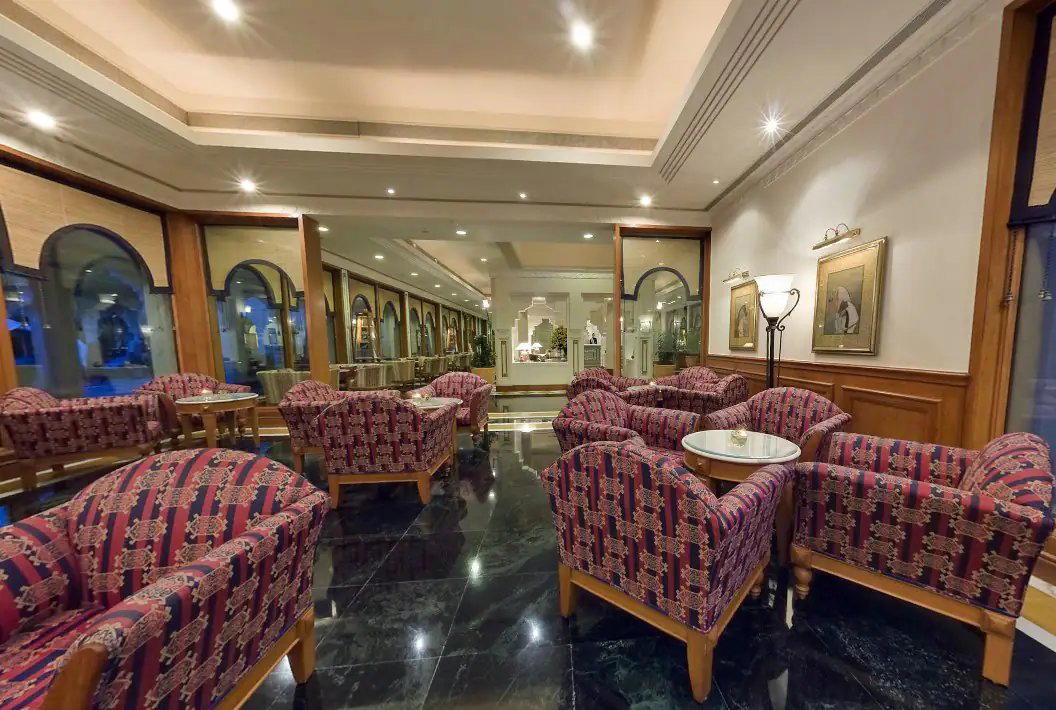
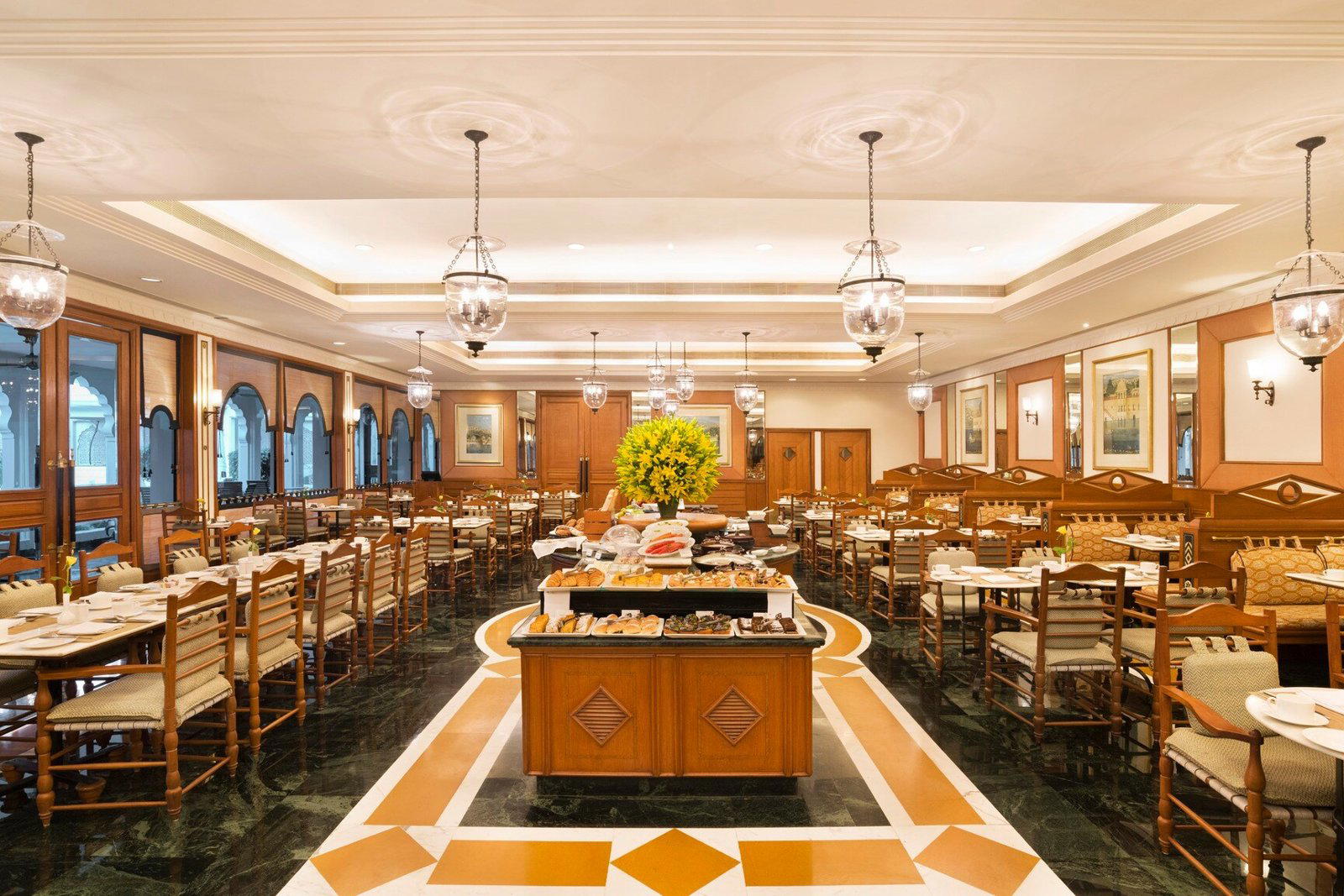
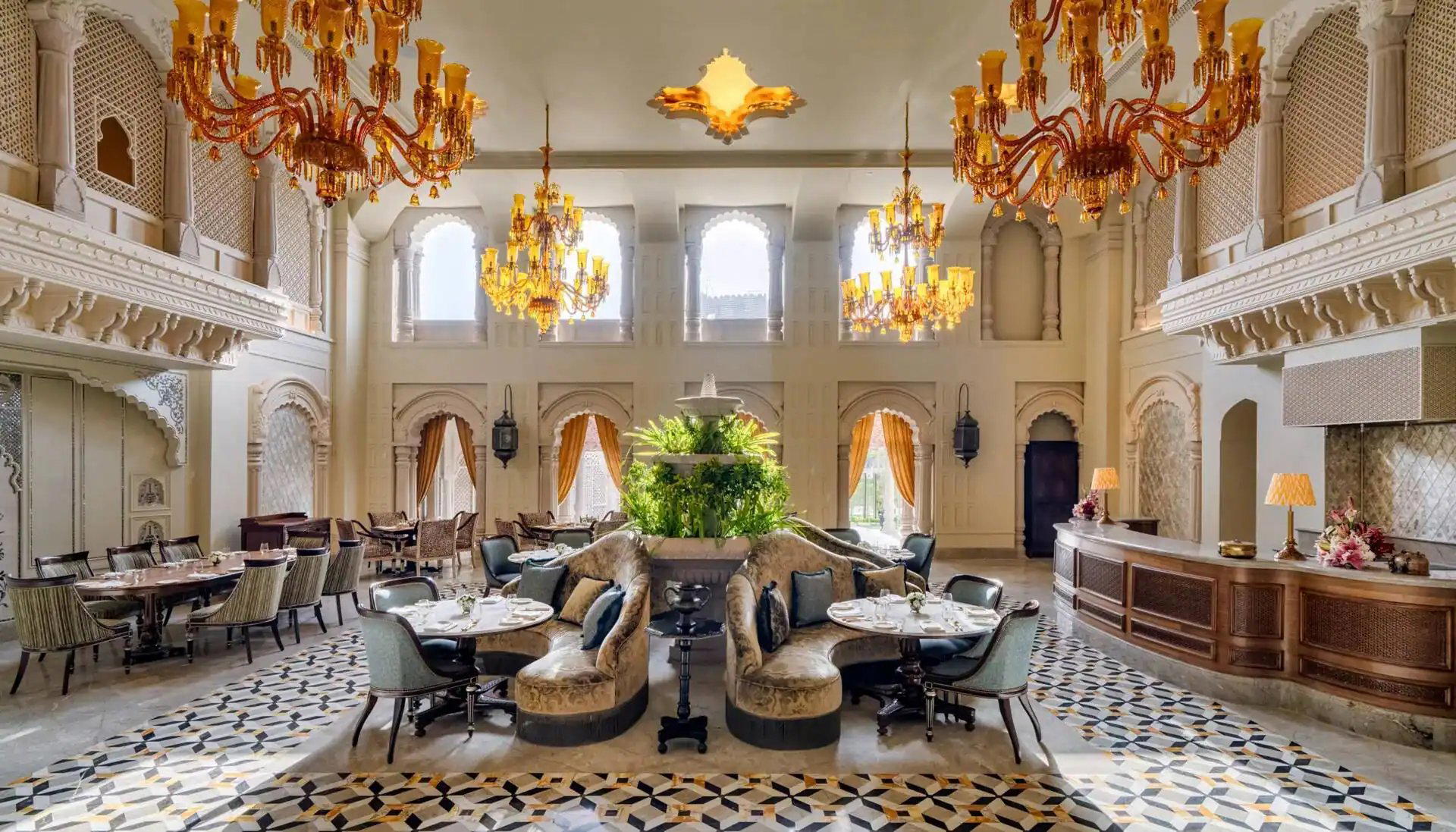
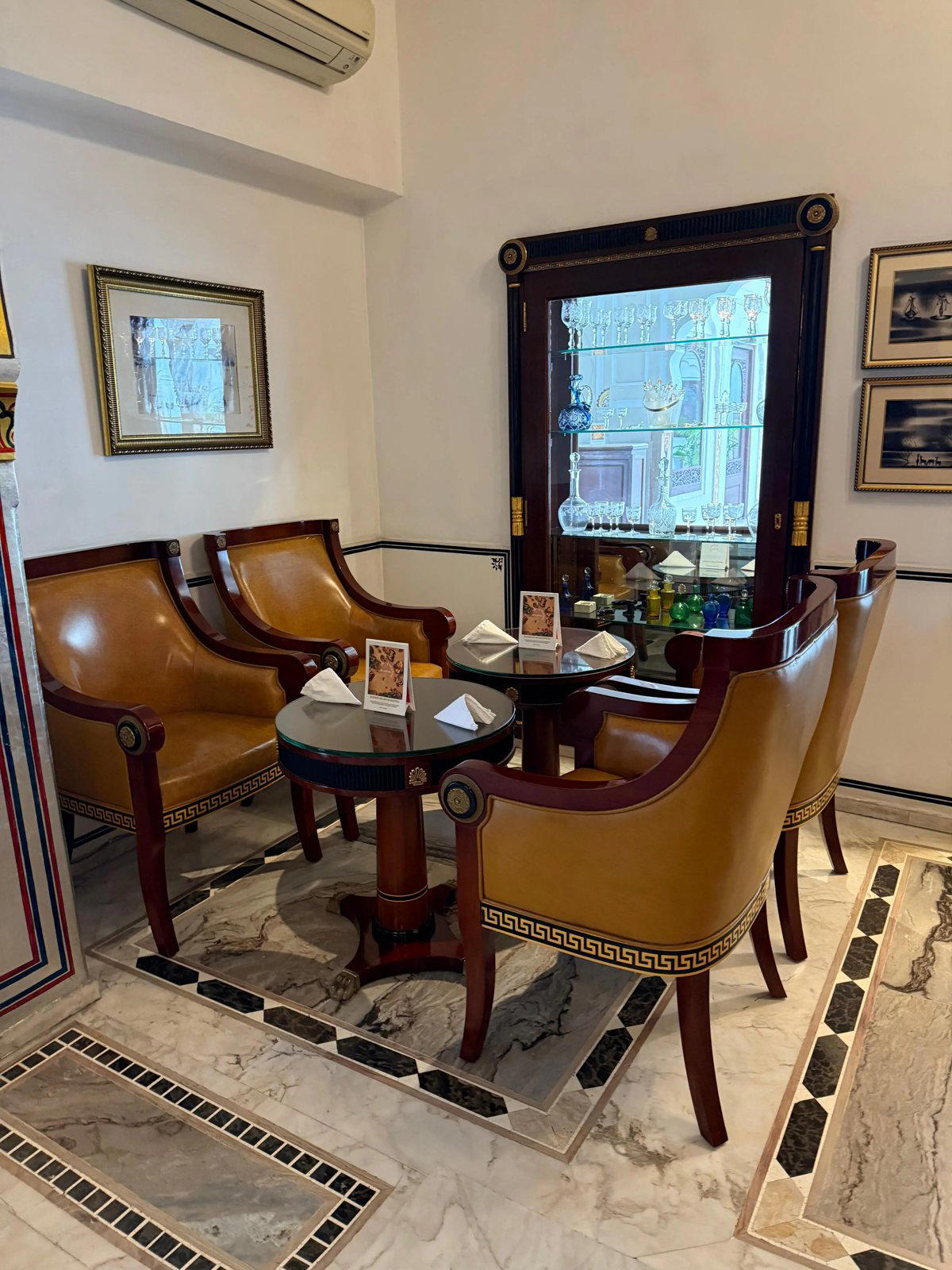
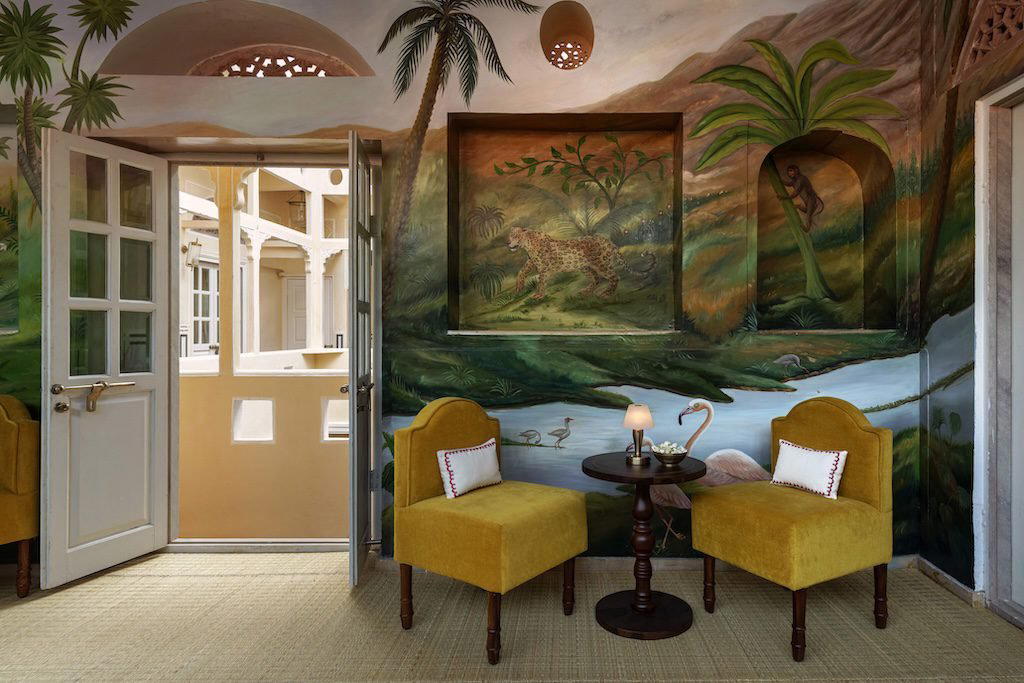
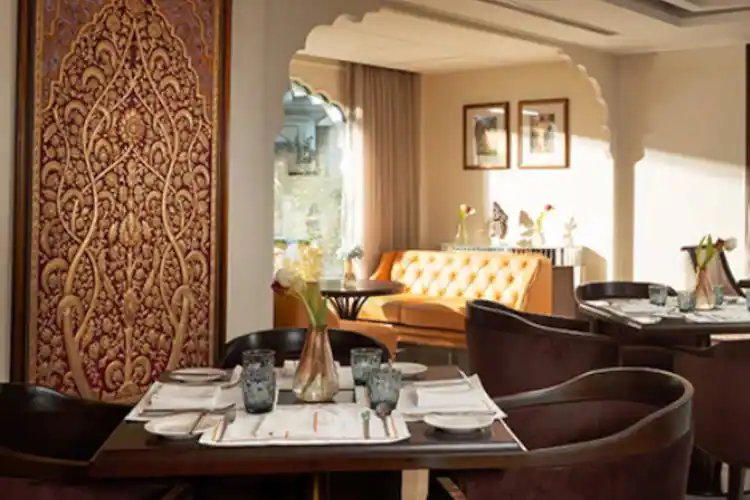
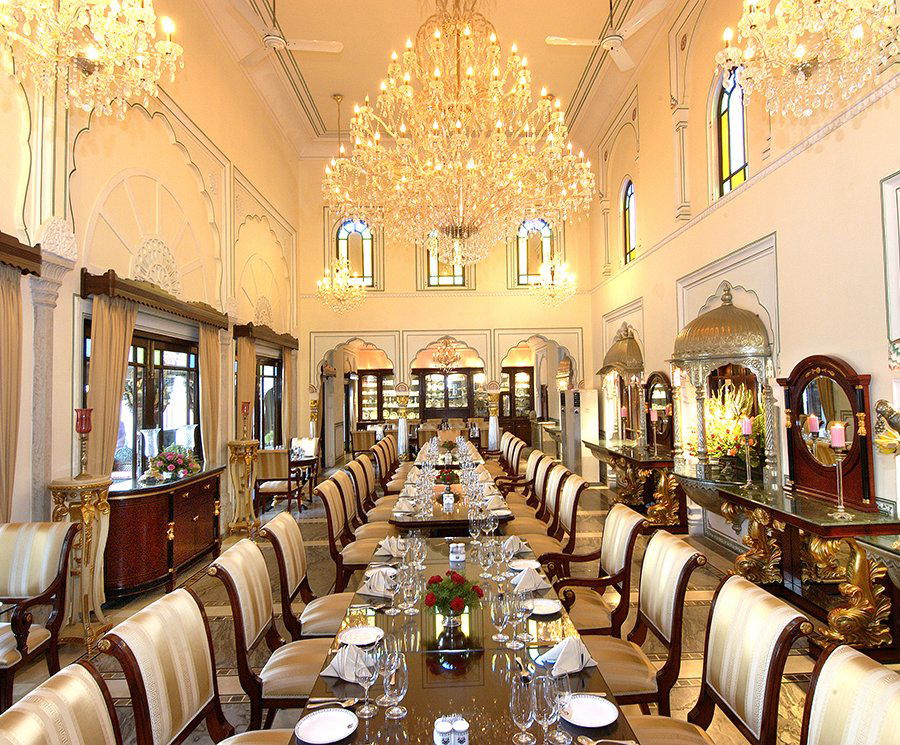
Vintage royal charm with mirrored and frescoed roofs, flickering candles, antiques, open-air courtyard, and live Rajasthani music evoking Rajput grandeur.