Our verdict
On the Barceloneta waterfront, Velissima occupies a stretch of Passeig de Joan de Borbó where the Mediterranean sets the editorial tone before the menu does. The address places it inside Ciutat Vella's coastal fringe, where the dining vernacular shifts between tourist-facing seafood and more considered cooking. What Velissima does within that context is the question worth answering before you book.

Pearl is the En Primeur Club membership app — saves, bookings, and concierge access live there. Same editors, same standards.
- Address
- Pg. de Joan de Borbó, 103, Ciutat Vella, 08039 Barcelona, Spain
- Phone
- +34936268426
- Hours
- Mon–Thu 1 PM–1 AMFri–Sun 1 PM–3 AM
- Website
- velissima.com
- Directions
- Get directions
- Booking
- Book on CoverManager
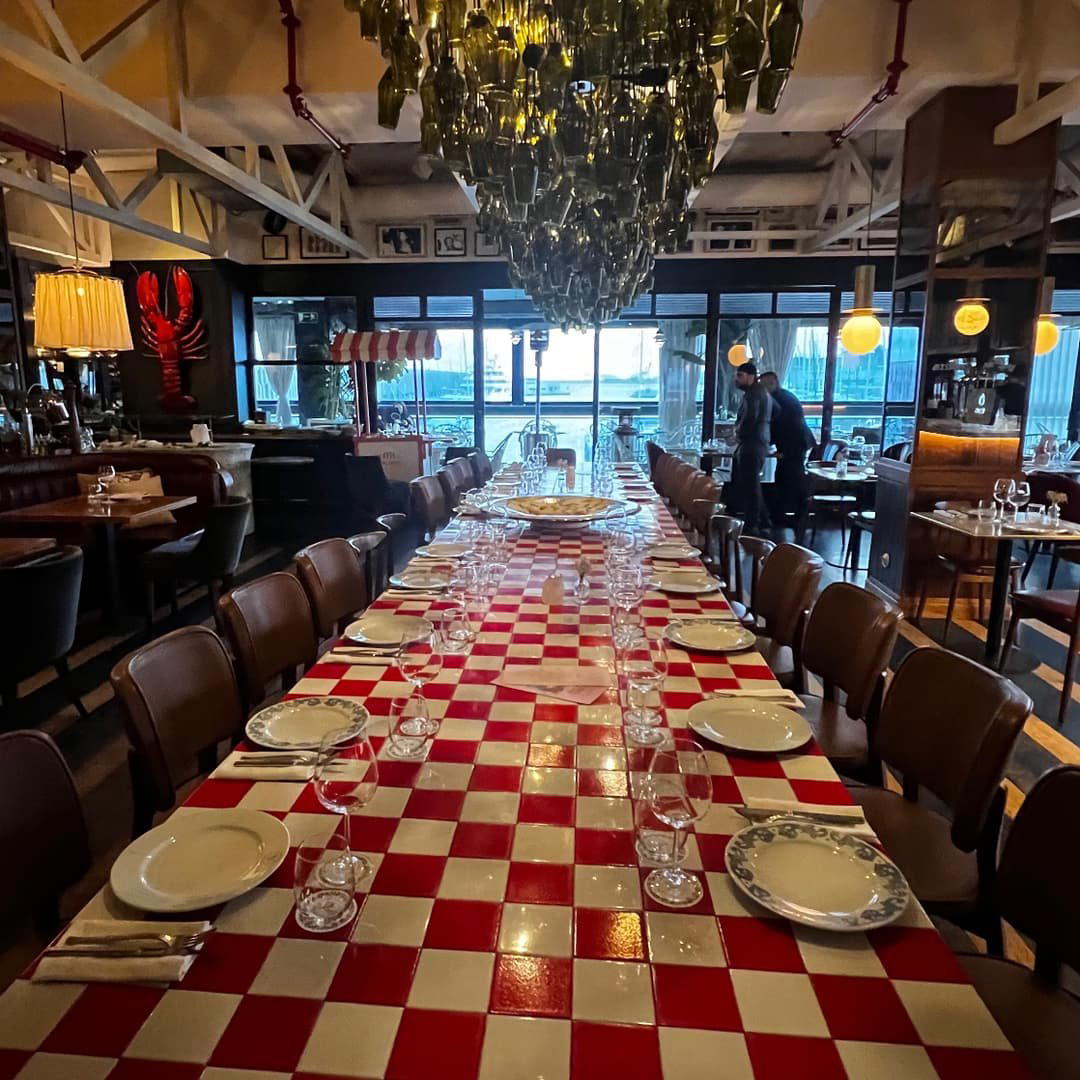
The menu
What to order
- Tonnarelli Cacio e Pepe
- Linguine all'Astice
- Mezzi Paccheri al Sapore di Mare
Where the Waterfront Sets the Agenda
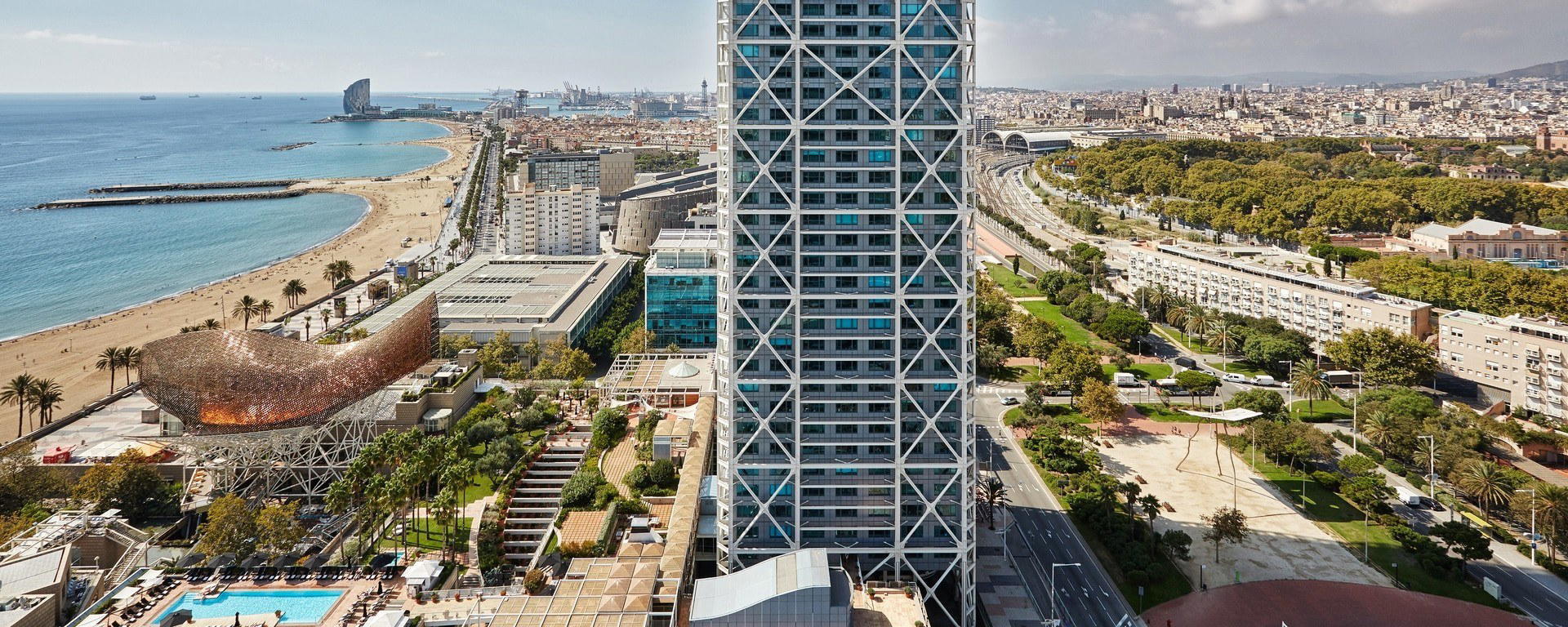
Passeig de Joan de Borbó runs the length of Barceloneta's landward edge, a promenade caught between the neighbourhood's working-class fishing history and the relentless pressure of coastal tourism. At number 103, Velissima sits in a part of Ciutat Vella where the sea is close enough to matter — where salt air and the particular quality of late-afternoon Mediterranean light are not decorative details but conditions that shape what a kitchen reaches for. This is not the abstracted fine dining of Barcelona's inland creative addresses; the waterfront exerts a gravitational pull toward seafood, toward directness, toward cooking that earns its confidence from proximity rather than from technique alone.
Barcelona's most decorated creative restaurants — Disfrutar, Cocina Hermanos Torres, ABaC, Lasarte, and Enigma, operate in a different register, in neighbourhoods where the city's interior ambitions concentrate. The waterfront runs on a different logic: the Mediterranean is the justification, and a menu that ignores it reads as an affectation. Velissima's address alone signals an orientation toward the sea and the traditions that grew from it.
Reading the Menu as Architecture
The most instructive way to assess any restaurant on the Barceloneta waterfront is to look at how the menu is built rather than what individual dishes appear on it. In this part of the city, menu architecture carries an argument. A kitchen that opens with cold preparations, cured fish, dressed shellfish, vinegar-bright escabeches, is acknowledging the Mediterranean preserving tradition that defined Catalan coastal cooking before refrigeration changed everything. A kitchen that structures its middle courses around live-fire or plancha work is placing itself in conversation with the chiringuito tradition, however distantly. The sequence of a menu here is a statement of allegiance.
Across the broader Spanish fine dining scene, this question of how a menu reveals its commitments has become increasingly central. At Aponiente in El Puerto de Santa María, the entire architecture is built around marine ingredients that conventional kitchens discard, a structural argument made visible through sequence and proportion. At El Celler de Can Roca in Girona, the menu moves through memory, geography, and technique in a deliberate arc. The discipline of those larger projects raises the stakes for any serious restaurant operating in Spain's coastal tradition. The question for a waterfront address like Velissima's is whether the menu's architecture reflects a coherent point of view or defaults to the comfortable logic of location, fresh fish, reliable execution, ocean views as the closing argument.
Barceloneta's Dining Position in the Broader City
Within Barcelona's dining geography, Barceloneta occupies a specific and somewhat contested tier. The neighbourhood's identity as a seafood destination is durable, it has accumulated that meaning over generations, but the quality spread across its restaurants is wide. At the leading end, a handful of addresses take the coastal tradition seriously as a culinary discipline rather than a backdrop. Below that, the density of tourist-facing operations keeps standards uneven. Finding a kitchen that treats the Mediterranean larder as a subject of genuine inquiry, rather than a reliable sales mechanism, requires some calibration.
The broader Spanish coastal dining conversation has moved in interesting directions over the past decade. Chefs associated with Quique Dacosta in Dénia and Ricard Camarena in València have demonstrated that Mediterranean seafood cooking can carry the same conceptual weight as the Basque and Navarran traditions represented by Arzak in San Sebastián, Martin Berasategui in Lasarte-Oria, Mugaritz in Errenteria, and Azurmendi in Larrabetzu. The Mediterranean has its own rigour. A waterfront address in Barceloneta that understands this occupies more interesting ground than its postcode alone would suggest.
For comparison beyond Spain, the relationship between a seafood-dominant menu and its coastal setting is something Le Bernardin in New York City has articulated with unusual consistency over decades, a kitchen that treats the sea as its entire argument, and builds a menu structure around that commitment rather than hedging with land-based options. Closer in format to the tasting-menu model that has spread through fine dining globally, Atomix in New York City demonstrates how a kitchen's menu architecture, the deliberate sequence of courses, the logic of progression, can itself communicate a culinary philosophy before a single dish is tasted. These are the reference points against which serious coastal restaurants are increasingly measured, regardless of geography.
Planning a Visit
Velissima's address on Passeig de Joan de Borbó places it within walking distance of Barceloneta Metro station (L4, Barceloneta stop), making it accessible from the Gothic Quarter and El Born without requiring a taxi. The waterfront promenade runs directly past the address, which means the approach on foot along the seafront is genuinely part of the experience, particularly in the hour before sunset, when the light on the water shifts in the way that makes this stretch of coast worth defending against its own overdevelopment. For visitors staying in the Eixample or Gràcia, the journey by metro takes under twenty minutes.
As a general signal: waterfront addresses at this level in Barceloneta tend to be most in demand during summer weekends and the Merce festival period in late September, when the city is at capacity and the coastal seats fill days in advance. Midweek visits in October and November offer a materially different dynamic, smaller covers, more attentive service, and a neighbourhood that has returned to something closer to its own rhythm. For the full picture of where Velissima sits within the city's dining options, our full Barcelona restaurants guide maps the category by neighbourhood and price tier.
For those building a wider itinerary around Spain's serious dining addresses, the contrast between Barcelona's waterfront tradition and the interior creative cooking at places like DiverXO in Madrid or Atrio in Cáceres is worth making deliberately. The coastal and the continental operate from different assumptions about what food is for, and moving between them inside a single trip gives both contexts more meaning.
Frequently asked questions
What dish is Velissima famous for?
How far ahead should I plan for Velissima?
Is Velissima a good choice for a meal focused on Catalan coastal cooking rather than Barcelona's creative tasting-menu scene?
Cuisine Lens
Comparable venues nearby, for context on price, style, and recognition.
| Venue | Cuisine | Price | Awards | Notes |
|---|---|---|---|---|
| VelissimaThis venue — the venue you are viewing | Authentic Italian Seafood and Handmade Pasta | $50–100 | Not listed | Not listed |
| Eatmosfera | Authentic Neapolitan Pizza & Italian Cuisine | $10–20 | Not listed | el Parc i la Llacuna del Poblenou |
| LeccaBaffi | Modern Italian Trattoria | $20–30 | Not listed | la Dreta de l'Eixample |
| El Felino | Traditional Italian Pizza and Pasta | $10–20 | Not listed | la Sagrada Familia |
| Isabella's Barcelona | Authentic Italian | $30–50 | Macarfi 7 Food Rating | Sant Gervasi - Galvany |
| Frankie Gallo Cha Cha Cha | Modern Italian Pizza | Not listed | Not listed | el Raval |
Continue exploring
More in Barcelona
Restaurants in Barcelona
Browse all →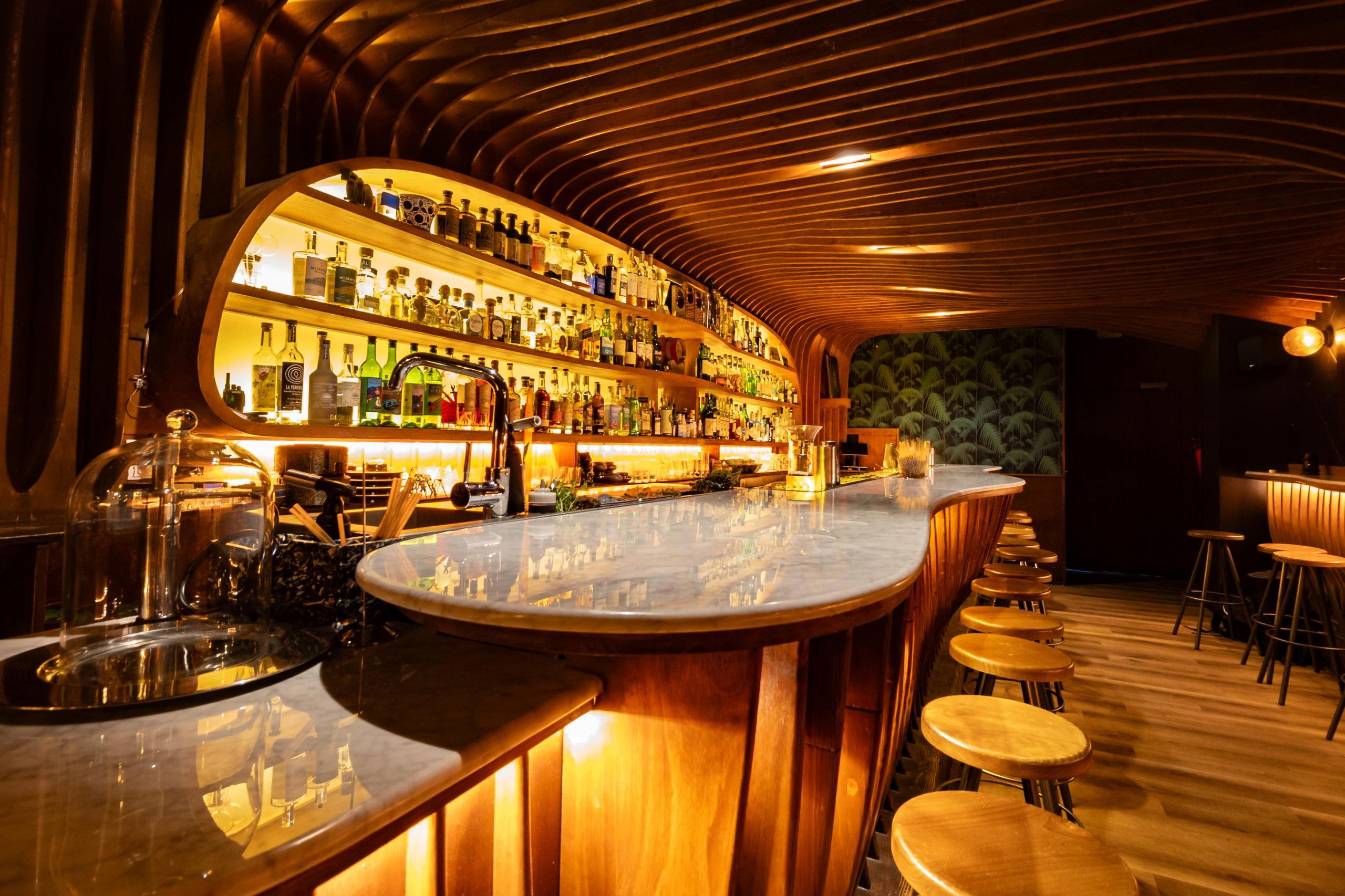
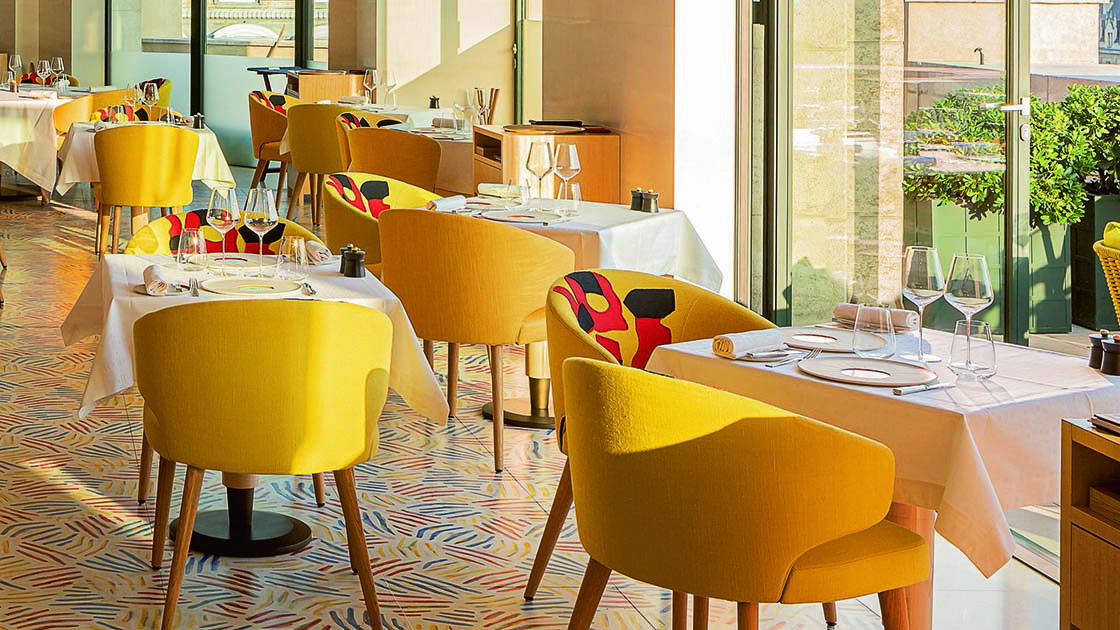
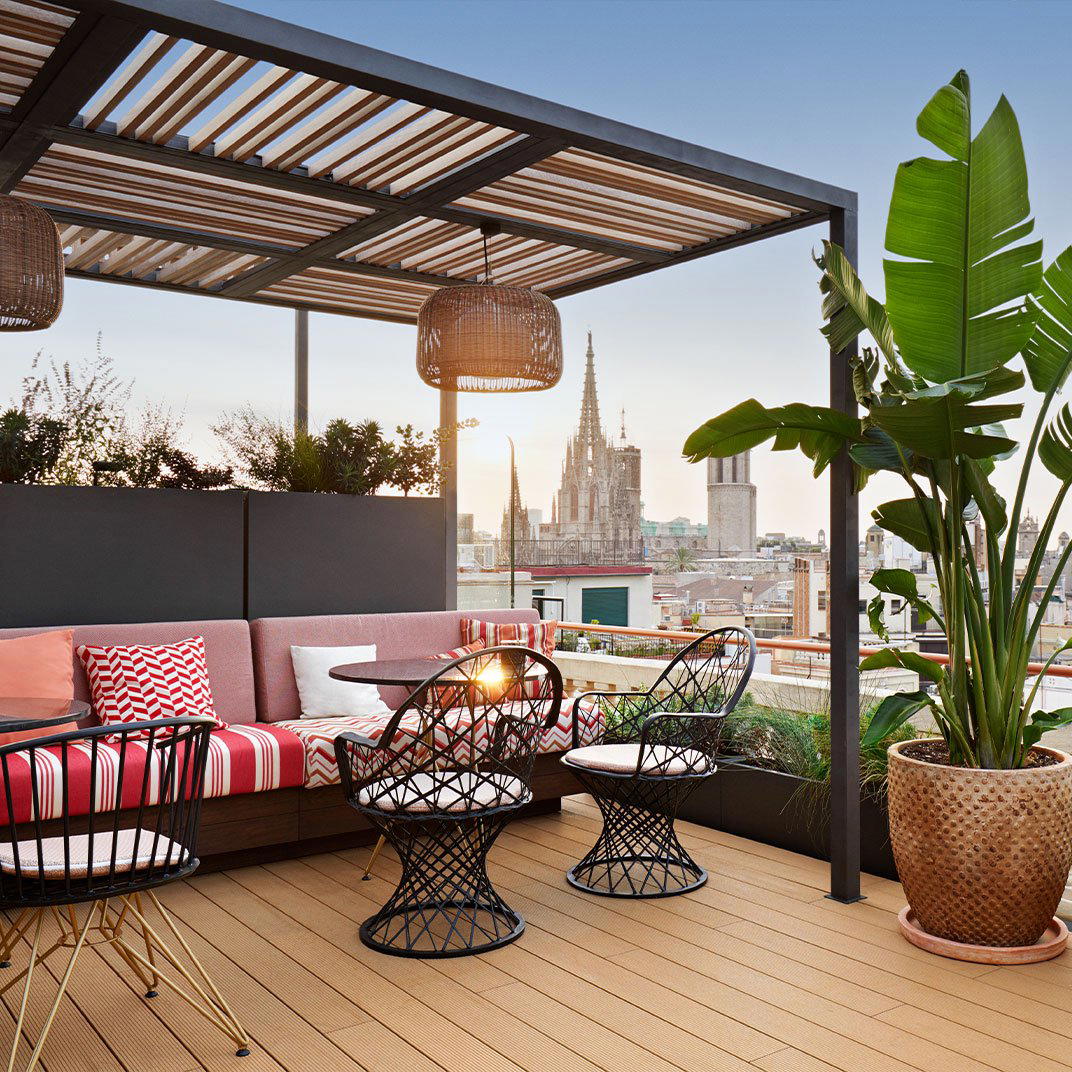
Bars in Barcelona
Browse all →
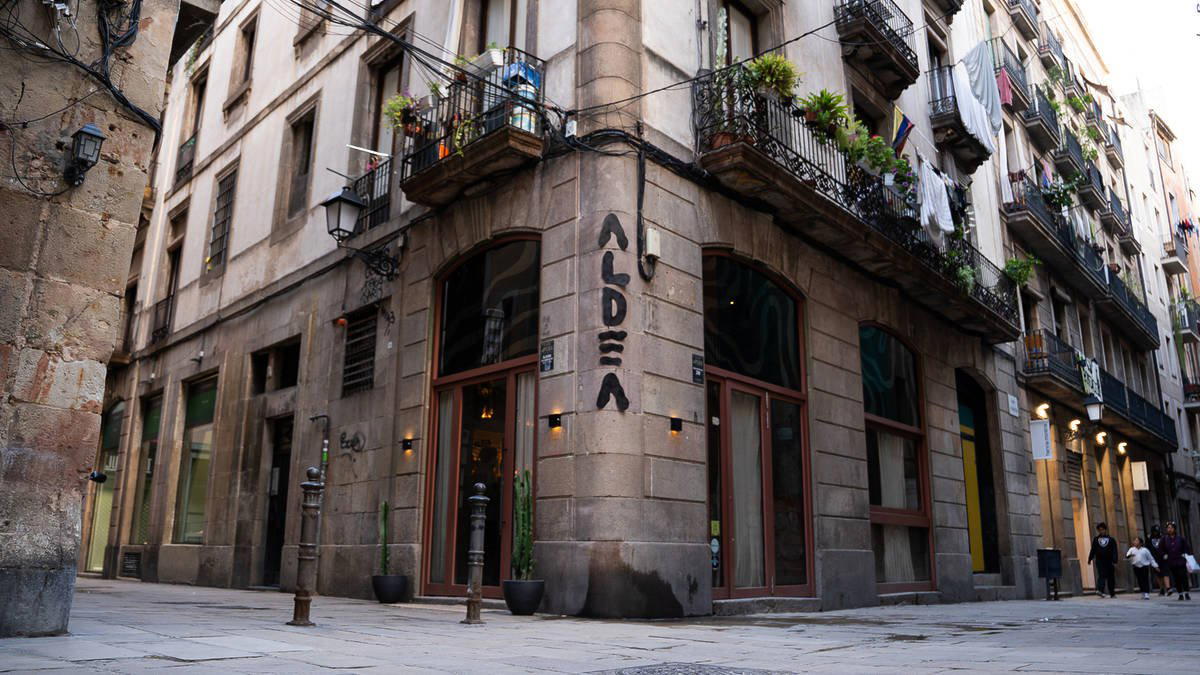
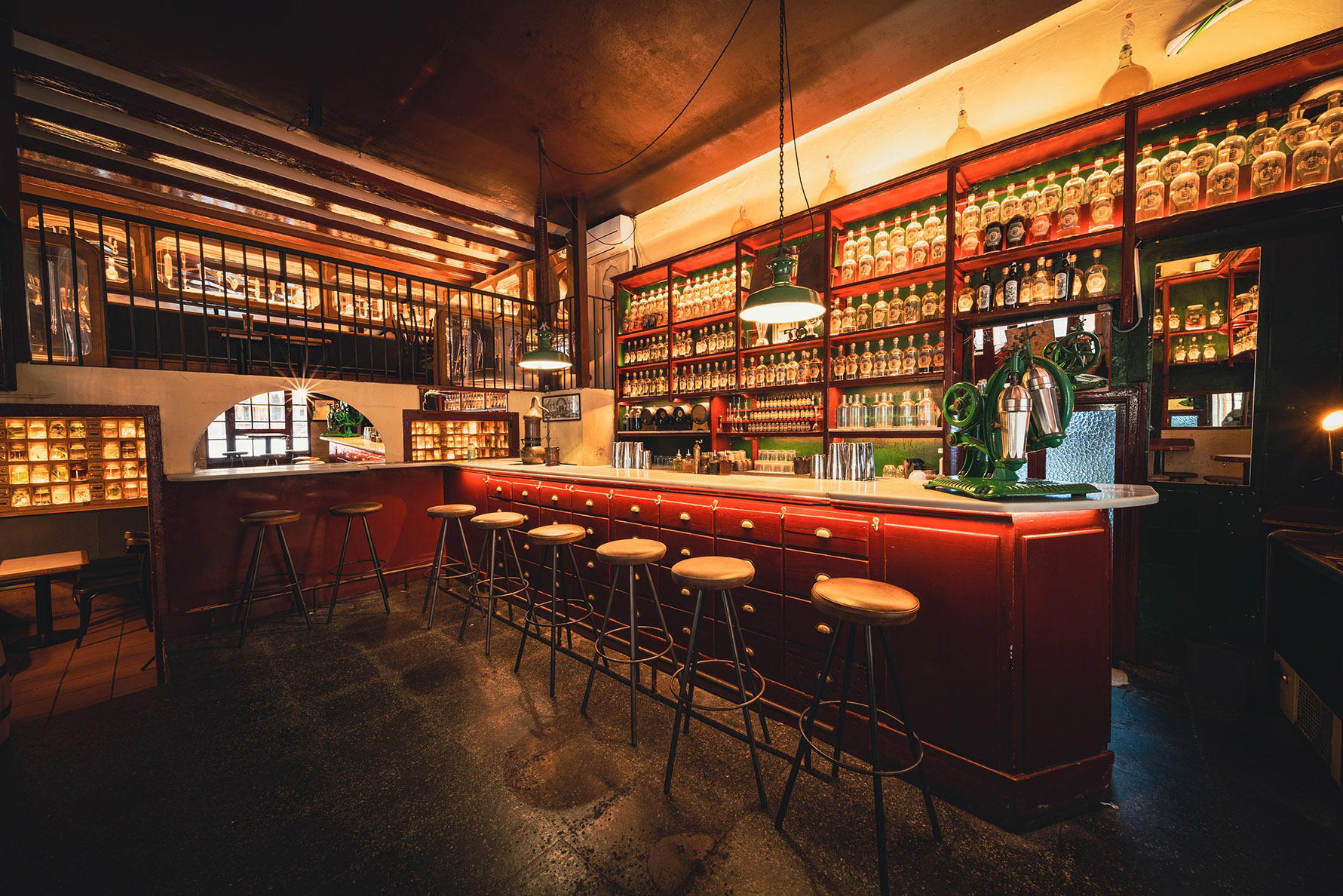
Hotels in Barcelona
Browse all →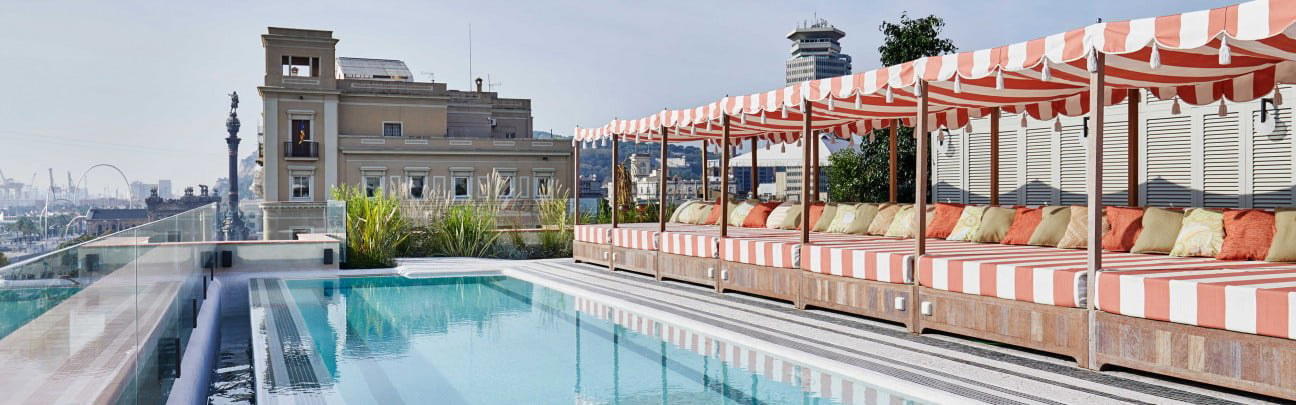
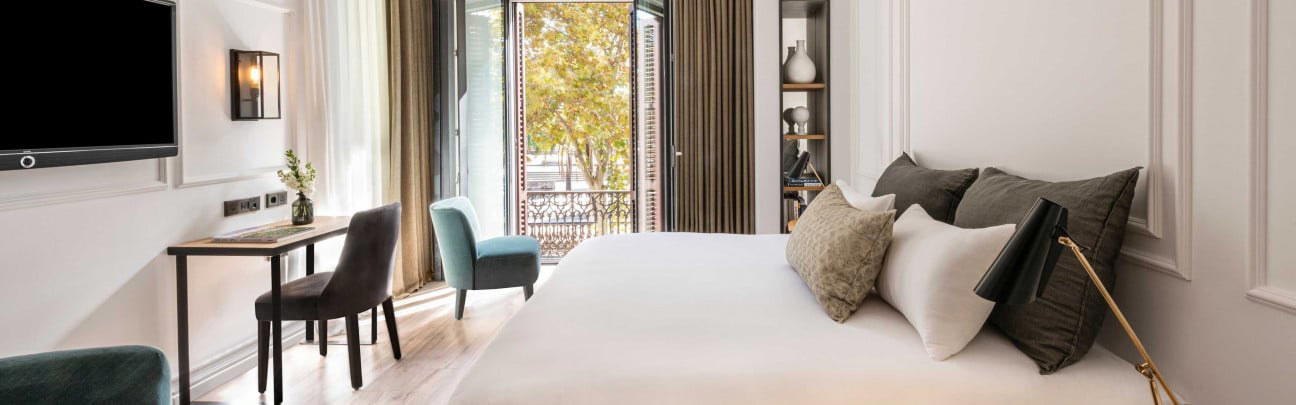
Velissima
The wine
- Wine program
- Curated wine list
- Extensive wine list
- Craft cocktails
Details
- Elegant
- Lively
- Trendy
- Sophisticated
- Scenic
- Date Night
- Group Dining
- Celebration
- Late Night
- Terrace
- Live Music
- Waterfront
- Open Kitchen
- Extensive Wine List
- Craft Cocktails
- Local Sourcing
- Waterfront
- A La Carte
- Small Plates
- Wine
- Cocktails
- Vegetarian Friendly
- Gluten Free Options
Current opening hours
- Monday
- 1 PM–1 AM
- Tuesday
- 1 PM–1 AM
- Wednesday
- 1 PM–1 AM
- Thursday
- 1 PM–1 AM
- Friday
- 1 PM–3 AM
- Saturday
- 1 PM–3 AM
- Sunday
- 1 PM–3 AM
Hours can change for holidays and private events. Last verified .
Sophisticated Mediterranean elegance with lively energy from live performances and DJs, offering panoramic marina views from the terrace.