
A Michelin Plate recipient in consecutive years (2024 and 2025), Vela operates from a Harbord Street address that places it inside Toronto's established dining corridor rather than at the periphery of it.
- Address
- 112 Harbord St, Toronto, ON M5S 1G6, Canada
- Phone
- +1 647-348-9666
- Website
- maventoronto.ca
- Directions
- Get directions
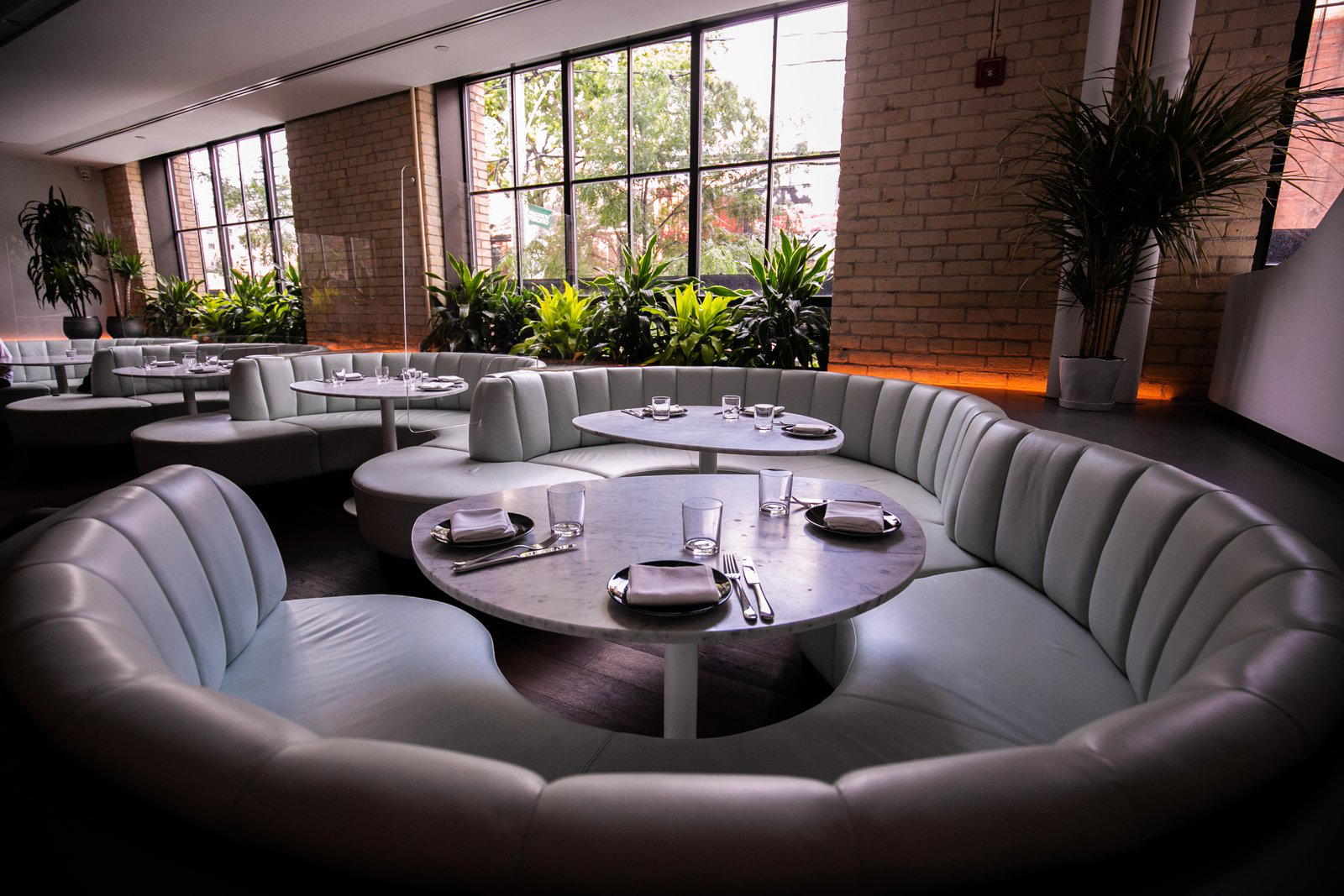
Harbord Street and the Ritual of Arrival
Toronto's dining scene has, over the past decade, reorganized itself around a handful of residential-adjacent corridors where the neighbourhood does as much work as the menu. Harbord Street is one of those corridors. The stretch running through the Annex and into the pocket blocks between Spadina and Bathurst carries a low-density, walk-in-pace character that shapes how meals begin before anyone sits down. At 112 Harbord St, Vela occupies that environment rather than fighting it. The approach, on foot from the side streets that feed the area, conditions a particular tempo, and that tempo is the right one for what follows inside.
In a city where the $$$$-tier table has become the default prestige format, restaurants operating at the $$$ price point face a specific editorial pressure: they must demonstrate that restraint in price does not mean restraint in seriousness. Vela's consecutive Michelin Plate recognition in 2024 and 2025 answers that pressure with the legible credential available. The Michelin Plate is not a star, but it is a formal signal of quality preparation and kitchen discipline, and earning it in back-to-back years suggests a program that has stabilized, not one still finding its footing.
Where American Cuisine Sits in Toronto's Competitive Frame
Toronto's Michelin cohort leans heavily into Japanese formats and French-influenced contemporary cooking. Sushi Masaki Saito and Aburi Hana anchor the Japanese tier at $$$$, while Alo holds the contemporary $$$$ position with sustained critical authority. Against that backdrop, an American-cuisine designation at $$$ occupies a less crowded lane. American cooking, as a restaurant category, covers considerable ground, from ingredient-driven California-influenced preparations to mid-Atlantic and Southern idioms, and its looseness is both a liability and an opening. The liability is a lack of the structural clarity that anchors, say, a kaiseki menu or a French tasting format. The opening is that it allows a kitchen to define its own grammar of progression and pacing.
That grammar matters because it shapes the dining ritual entirely. Without a received format to lean on, no prescribed sequence of raw, simmered, grilled, and dressed courses as in kaiseki, no strict amuse-entrée-fromage-dessert arc as in classical French, an American kitchen must earn each transition in the meal through the food itself. The reward, when it works, is a meal that feels authored rather than inherited. The risk is a meal that feels unresolved. Vela's Michelin recognition across two consecutive cycles is an argument that the kitchen is managing that balance.
At the $$$ tier, Vela positions itself below the $$$$-bracket intensity of DaNico and its Italian-inflected contemporaries, while sitting above the casual end of Harbord's neighbourhood offerings. That middle register is not a compromise, it is a deliberate competitive decision that makes the restaurant accessible across a wider range of occasions, from a serious weeknight dinner to a longer, more considered meal with guests.
Pacing, Sequence, and the Structure of the Meal
The dining ritual at an American-cuisine restaurant in the $$$ tier carries its own conventions, even if they are less codified than in other traditions. The expectation is a meal built around generosity of ingredient and directness of flavour, sequenced loosely enough to allow the table to breathe but tightly enough that nothing feels arbitrary. In a neighbourhood like the Annex, where the surrounding streets encourage a slower, more residential pace, that structure aligns with the environment. You are not rushing in and out; you are in for the evening.
This is the register in which Vela operates, and it is a register that a number of serious Canadian restaurants have been refining across multiple cities. AnnaLena in Vancouver and Tanière³ in Québec City both demonstrate how North American kitchens can establish a clear ritual of pacing without borrowing the full architecture of European tasting formats. Further afield, Jérôme Ferrer's Europea in Montreal sits at the intersection of that same instinct, a North American identity expressed through European fluency. What these rooms share is an understanding that the meal is a sequence, not a collection of plates, and that the ritual of dining depends on that sequencing being felt rather than announced.
Toronto's own dining corridor supports a version of that discipline. Chica's Chicken operates at the more casual end of the city's neighbourhood-restaurant spectrum, offering a useful reference point for where the category boundary sits. Vela's Michelin recognition places it clearly above that threshold, inside the tier where the kitchen is accountable to a more deliberate standard of preparation and service rhythm.
For readers tracking American cuisine as a format across North America, the comparison set extends south. Hilda and Jesse in San Francisco and Selby's in Atherton both represent the West Coast iteration of American dining at a serious register. Closer to home, The Pine in Creemore and Restaurant Pearl Morissette in Lincoln anchor the Ontario end of the province's most considered dining, with the latter operating one of the more discussed wine programs in the region. And in Rimouski, Narval has built a following on the strength of local sourcing in a market that offers none of the institutional support of the larger cities, a reminder that serious cooking is not exclusively a Toronto or Montreal enterprise.
Know Before You Go9 (113 reviews)Booking Check directly with the restaurant; Michelin-listed restaurants at this price tier in Toronto typically book out one to three weeks ahead for prime slots
Accolades, Compared
Comparable venues nearby, for context on price, style, and recognition.
| Venue | Cuisine | Price | Awards | Notes |
|---|---|---|---|---|
| VelaThis venue — the venue you are viewing | Modern Fusion Fine Dining | $$$ | Michelin Plate | Not listed |
| Ardo | Modern Sicilian | $$$ | Michelin Plate | Corktown |
| Lapinou | Modern French Bistro | $$$ | Michelin Plate | Fashion District |
| Aanch | Modernistic Indian Cuisine | $$$ | Michelin Plate | Entertainment District |
| Henry's | Seasonal Wine Bar Plates | $$$ | Michelin Plate | West Queen West |
| Queens Harbour | MediterrAsian Fusion | $$$ | Not listed | Harbourfront |
Recognition history
Dated appearances from independent guides and award organizations, with the underlying list record or original source where available.
Michelin Plate
Michelin
Michelin Plate
Michelin
Continue exploring
More in Toronto
Restaurants in Toronto
Browse all →
Bars in Toronto
Browse all →
Hotels in Toronto
Browse all →

At a Glance
- Trendy
- Modern
- Lively
- Sophisticated
- Date Night
- Group Dining
- Special Occasion
- Chefs Counter
- Live Music
- Open Kitchen
- Terrace
- Craft Cocktails
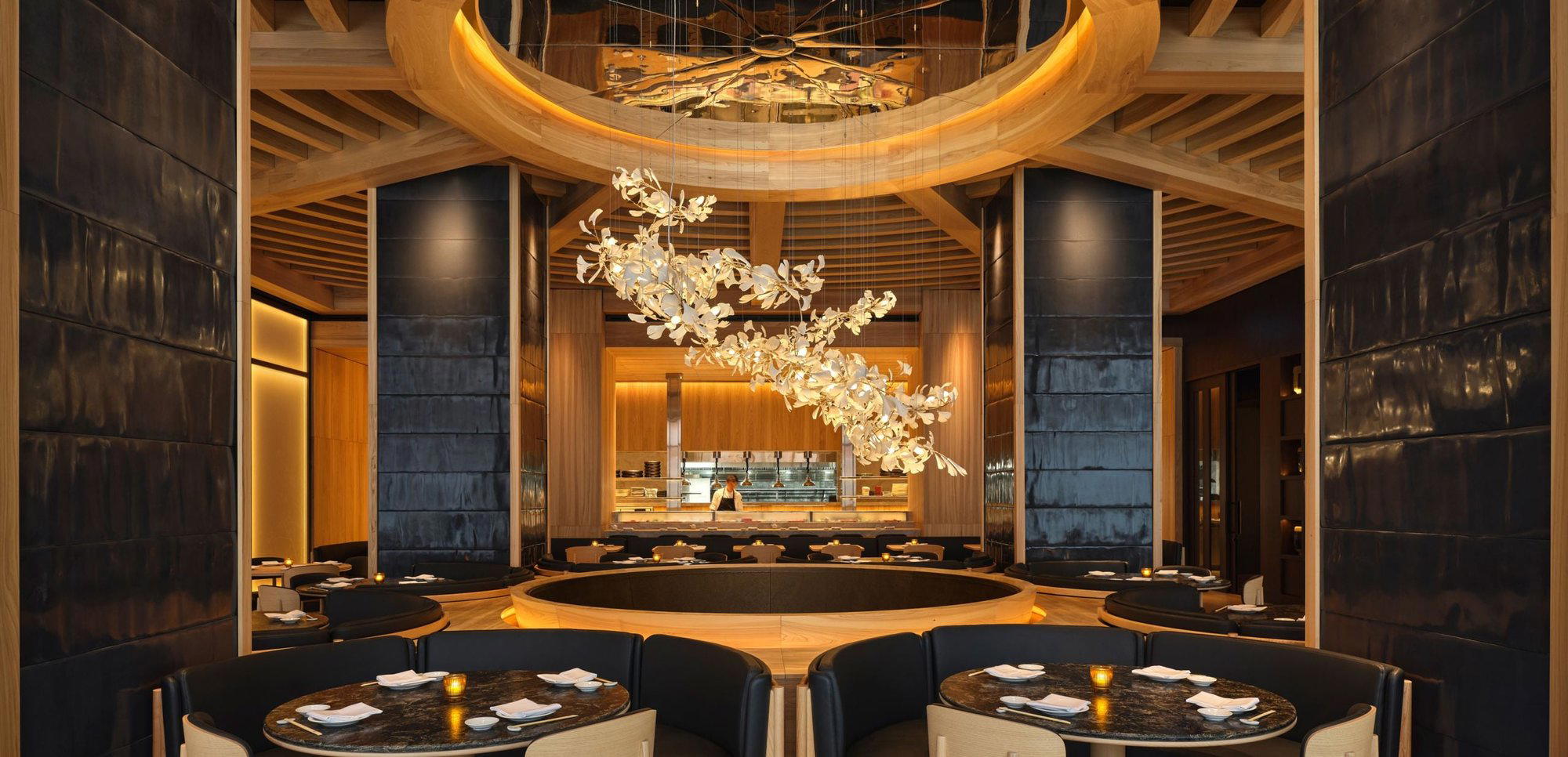
Sultry modernist ambiance with cascading sculptural lights evoking the Milky Way, sea foam banquettes, exposed brick, and live neo-soul music creating a hip, busy atmosphere.