Our verdict
Vega occupies a quiet stretch of Cortland Avenue in Bernal Heights, one of San Francisco's more residential dining corridors, sitting at a remove from the downtown fine-dining circuit. The restaurant draws comparison to the city's progressive American tier without carrying the same booking friction or price ceiling. Specific menu details and current hours are best confirmed directly with the venue.

Pearl is the En Primeur Club membership app, where members save venues, book tables and use the concierge.

The menu
What to order
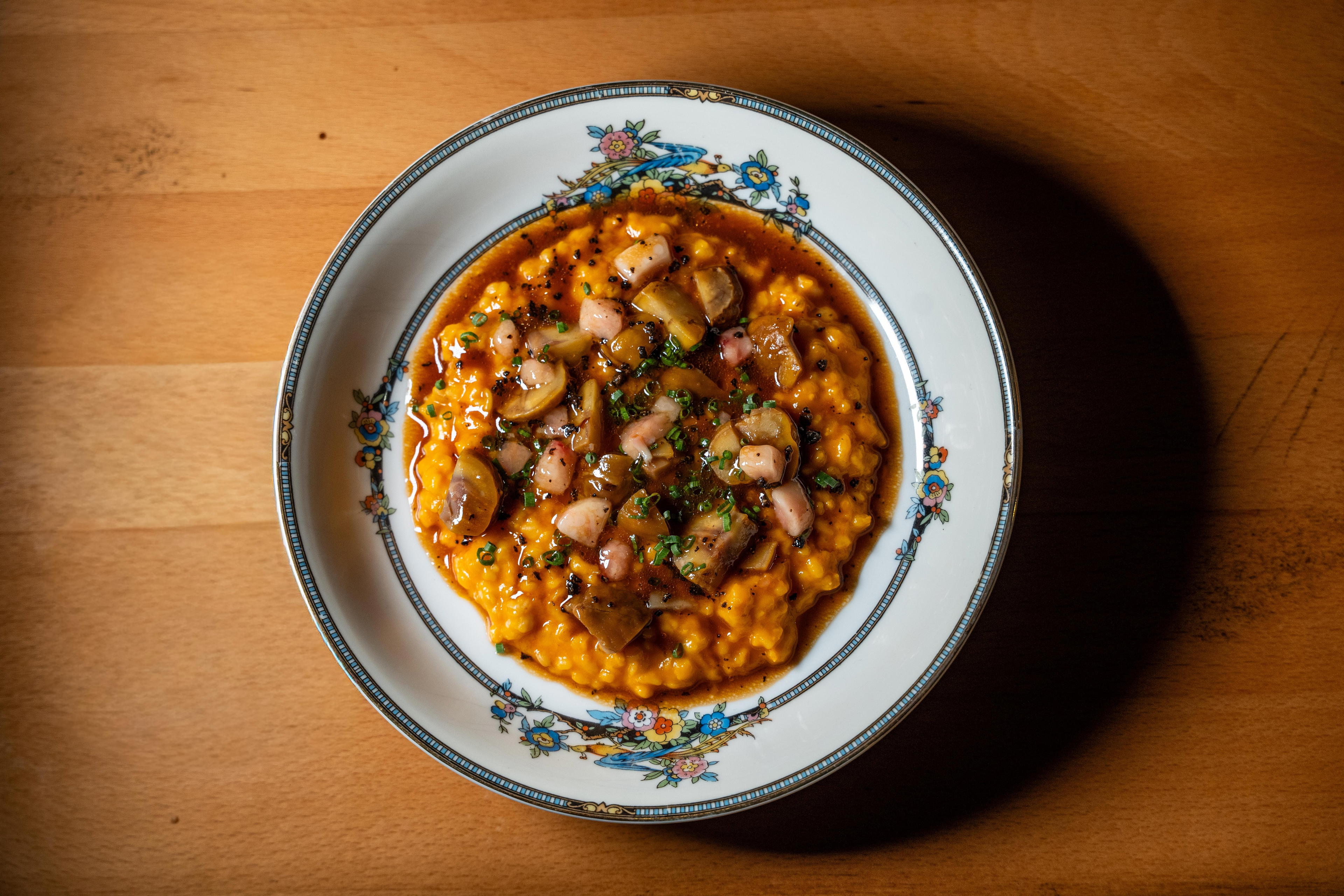
- Gnocchi alla Boscaiola
- Quattro Formaggi Pizza
Cortland Avenue and the Bernal Heights Dining Shift
San Francisco's fine-dining conversation has long been anchored to a handful of addresses: the Financial District, Hayes Valley, the Embarcadero waterfront. Bernal Heights has operated on a different register, a neighbourhood where the dining rooms are smaller, the atmosphere less performative, and the ambition occasionally harder to read from the outside. Cortland Avenue, the neighbourhood's main commercial artery, has quietly accumulated a dining scene that rewards attention over convenience. Vega, at 419 Cortland Ave, sits inside that pattern. Its address alone places it outside the standard circuit followed by visitors chasing Benu, Atelier Crenn, or Quince, and that distance is part of what defines the experience.
The neighbourhood around Cortland operates at a pace that the SoMa and downtown corridors rarely allow. Foot traffic is local, the blocks are residential, and the buildings are low. A restaurant here earns its audience through word-of-mouth and repeat visits rather than proximity to hotel concierge recommendations. That structural reality shapes the kind of dining room a place like Vega occupies: rooted in neighbourhood logic rather than destination-dining theatre.
Atmosphere and the Sensory Register of the Room
San Francisco's more considered neighbourhood restaurants tend to share certain atmospheric qualities: a compression of space that forces intimacy, lighting calibrated to conversation rather than photography, and a sound level that allows a table to hear itself think. The city's top tier, from Lazy Bear to Saison, has moved toward a kind of engineered atmosphere where every material choice is legible as intention. Smaller neighbourhood rooms like those along Cortland tend toward something less curated and, in many cases, more comfortable for it.
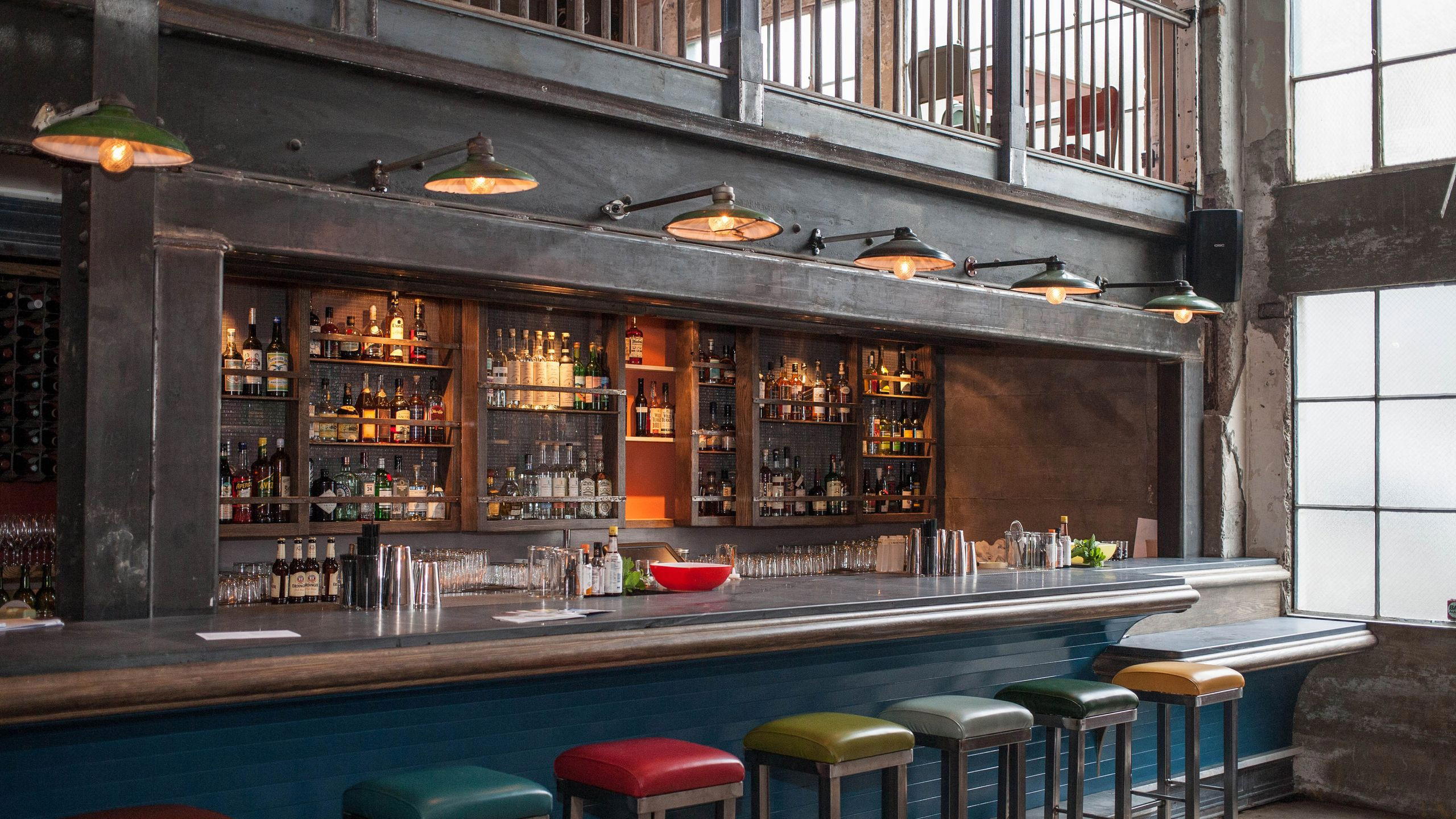
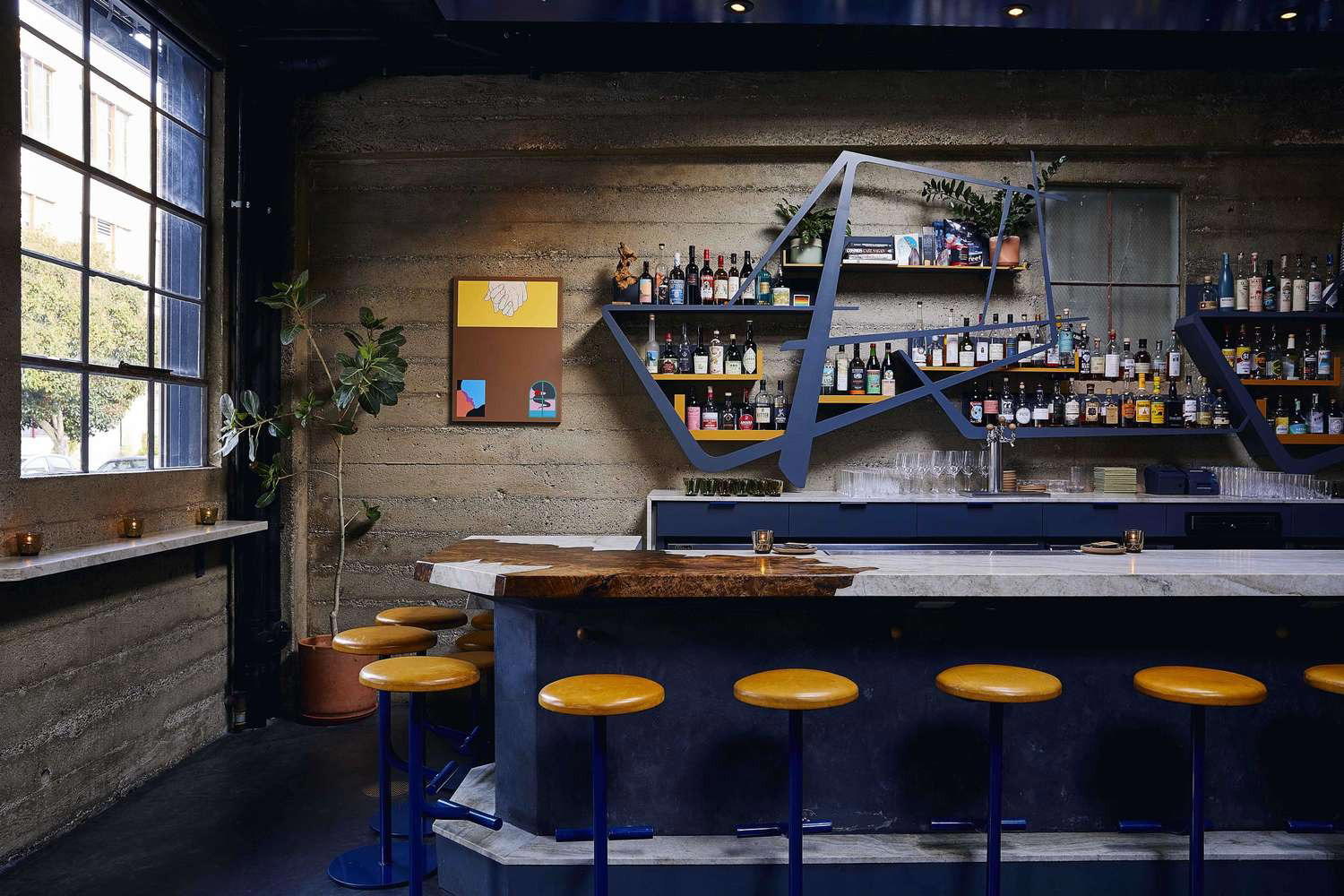
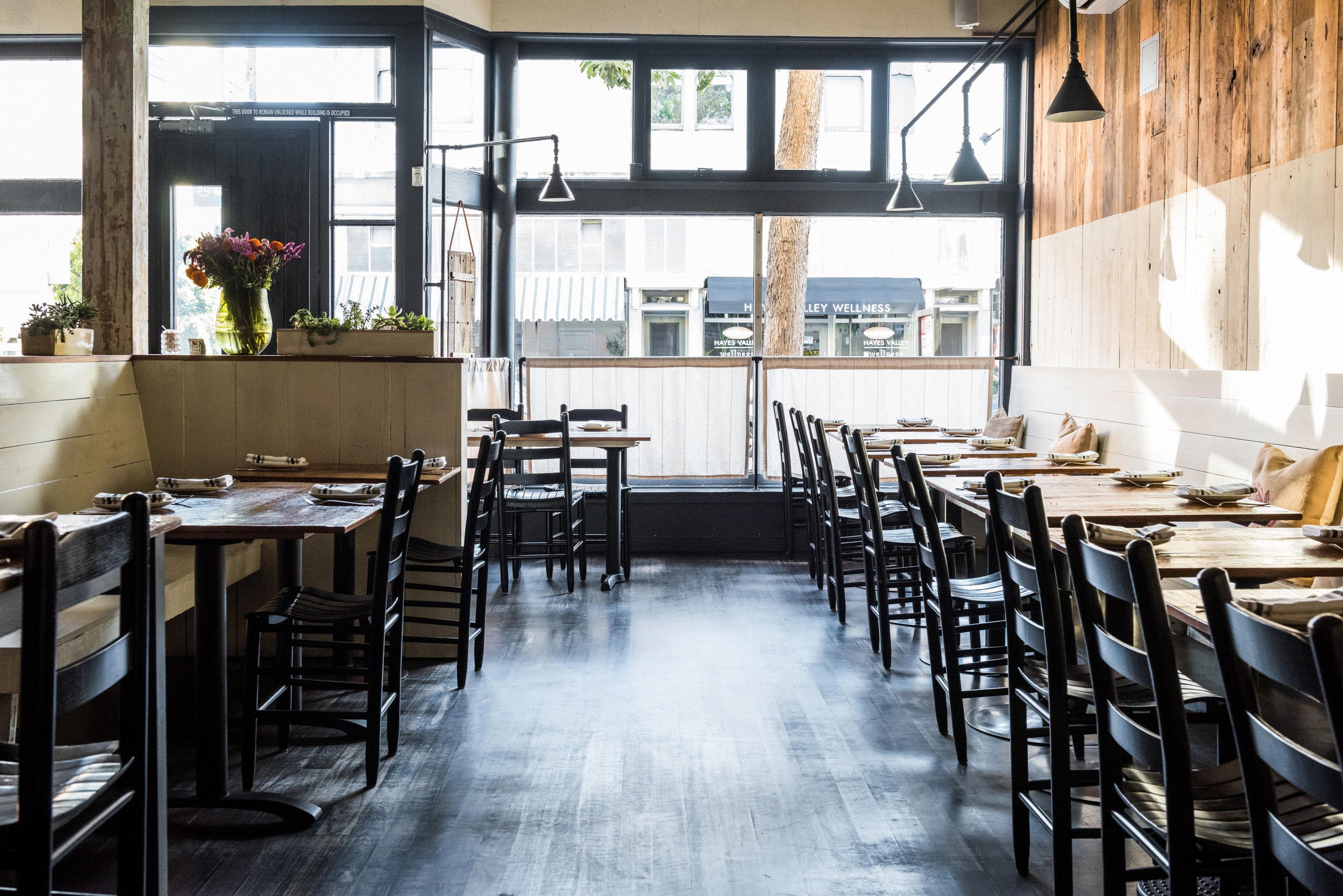
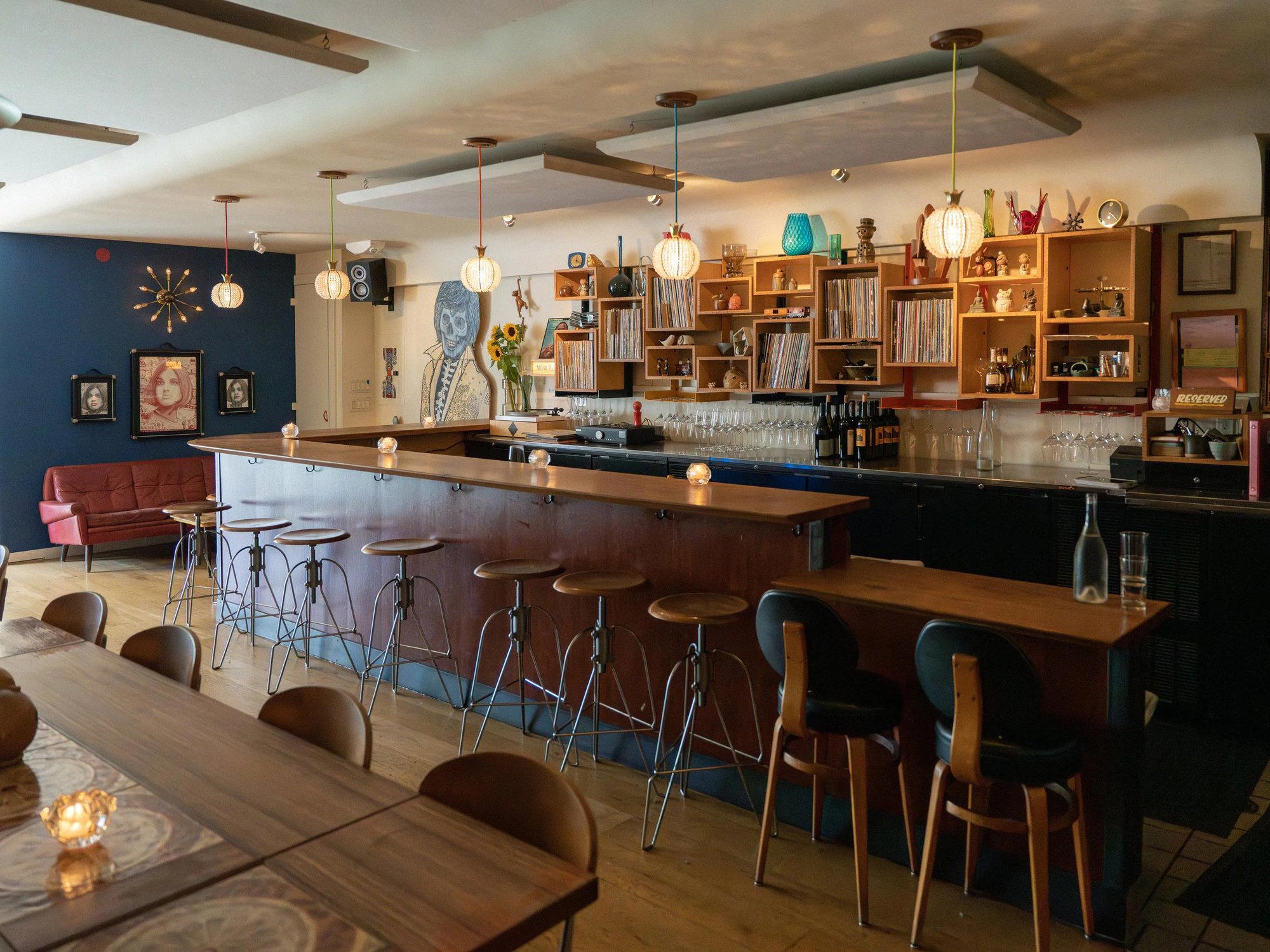
What a diner approaching Vega on Cortland Avenue is likely to encounter is that specific Bernal Heights quality: a shopfront scale, the ambient noise of a street that mixes pedestrians and neighbourhood traffic, and an interior that reads as personal rather than branded. The sensory experience of arriving at a restaurant in this part of the city differs materially from arriving at the glass-and-steel addresses of the Financial District or the converted industrial spaces that define parts of SoMa. Here the architecture is older, the proportions more modest, and the sense of occasion built from what happens at the table rather than from the envelope around it.
For context on what San Francisco's broader neighbourhood dining scene looks like at its most considered, the city's wine-country adjacents such as Single Thread Farm in Healdsburg and The French Laundry in Napa represent one endpoint of the California fine-dining spectrum. Vega operates at a different point on that spectrum, closer to the neighbourhood room than the destination temple.
Where Vega Fits in San Francisco's Dining Tiers
San Francisco's restaurant market currently runs across several distinct tiers. At the leading, a cluster of multi-Michelin-starred rooms charge $300-plus per person before wine, require reservations booked months in advance, and compete against each other and against peers like Alinea in Chicago, Le Bernardin in New York, and Atomix in New York City for a traveling fine-dining audience. Below that, a wider mid-tier operates across the neighbourhoods, offering cooking that draws on California's agricultural depth without the full overhead of a starred room.
Bernal Heights restaurants generally sit in that mid-to-upper neighbourhood tier. The area does not have the concentration of destination rooms found in Hayes Valley or the waterfront, but it has developed a dining identity built on regulars rather than tourists, and on cooking that is rooted rather than spectacular. That identity suits a certain kind of diner, one who measures a meal by what ended up on the plate rather than by how difficult the reservation was to secure.
For comparison within California, Providence in Los Angeles and Addison in San Diego represent the state's fine-dining tier at its most decorated. Vega operates without that level of public recognition, which is itself a meaningful data point: the restaurant's audience is built locally rather than through the award-circuit machinery that drives reservations at the city's most visible addresses.
The California Culinary Context
California's food culture is built around a particular relationship between sourcing and cooking: the idea that proximity to exceptional produce, meat, and seafood should be legible in the finished dish. That principle, which runs from Alice Waters' Chez Panisse through to the farm-driven model pioneered by Blue Hill at Stone Barns and its Bay Area equivalents, has become the organizing logic of Northern California's better neighbourhood restaurants. The Bay Area's access to the Central Valley, the Sonoma and Marin coasts, and the wine country to the north gives even a modestly sized kitchen a supply chain that most American cities cannot replicate.
Restaurants that operate in Bernal Heights and similar San Francisco neighbourhoods tend to work within that California sourcing logic without the budget or scale to build the kind of supplier relationships that define the city's top tier. The result is often cooking that is direct and seasonal, calibrated to what the market offers week to week rather than to a fixed tasting menu architecture. For travelers who have already covered the starred rooms, that neighbourhood-level expression of California cooking offers something different: less production, more plate.
For a wider view of where American fine dining is heading, the farm-to-table and seasonal sourcing model visible in San Francisco's neighbourhood rooms has parallels at Bacchanalia in Atlanta, Emeril's in New Orleans, and The Inn at Little Washington, each working within a regional sourcing logic particular to their geography.
Planning a Visit
Bernal Heights is accessible by BART to the Glen Park station, roughly a ten-minute walk from Cortland Avenue, or by Muni bus routes that run along the main corridor. Parking on Cortland is street-only and competitive on evenings, particularly at weekends. For the broader San Francisco dining picture, including the city's top-tier starred rooms and neighbourhood-level recommendations across all price points, see our full San Francisco restaurants guide.
Know Before You Go
- Address: 419 Cortland Ave, San Francisco, CA 94110
- Neighbourhood: Bernal Heights
- Getting There: BART to Glen Park, approximately 10-minute walk; Muni bus routes serve Cortland Ave directly
- Parking: Street parking on Cortland Ave; competitive on weekend evenings
- Booking:Saison and Lazy Bear, suggests a seasonal and produce-led approach is likely. Contacting the venue directly will give you the clearest picture of what is currently on the menu.
- What's the ideal way to book Vega?
- Benu or Atelier Crenn.
- What's Vega leading at?
- That structural positioning tends to produce cooking that is direct and seasonal. For the city's fully credentialed rooms, see our coverage of Quince and Lazy Bear.
- Can Vega accommodate dietary restrictions?
- Is Vega worth the price?
- Saison run well above $300 per person; neighbourhood rooms in this part of the city tend to offer a materially different price-to-experience ratio. Verify current pricing directly with the venue.
- How does Vega fit into the broader Bernal Heights dining scene?
- Bernal Heights has developed a distinct dining identity within San Francisco, built on neighbourhood loyalty and a relatively low profile compared to the city's more visited dining corridors. Vega's Cortland Avenue address places it within that local ecosystem, where the audience is primarily drawn from the surrounding residential streets rather than from hotel concierge lists or award-circuit tourism. That dynamic shapes what to expect: a room calibrated for repeat visits and local familiarity rather than one-off destination dining. For the full San Francisco picture across all neighbourhoods, see our complete San Francisco restaurants guide.
Frequently asked questions
What's Vega's location?
Vega is located at 419 Cortland Ave, San Francisco, CA 94110, San Francisco.
How does Vega compare to other Bernal Heights restaurants on Cortland Avenue?
Cortland Avenue has developed into one of San Francisco's more coherent neighbourhood dining streets, drawing residents away from the destination-dining circuits that dominate the city's food conversation. Vega at 419 Cortland Ave occupies that same local-first positioning, competing less on prestige credentials and more on the consistency that keeps a neighbourhood room full on a Tuesday. No awards are currently documented for Vega, which puts the emphasis squarely on the experience rather than the accolades.
What's the must-try dish at Vega?
The best approach is to ask the kitchen directly what they're running that week, that conversation usually tells you more than a printed menu would anyway.
What's the best way to book Vega?
Phone and website details for Vega are not publicly listed at this time. For Bernal Heights neighbourhood restaurants of this type, walking in during off-peak hours or asking a local contact to inquire directly tends to be the most reliable route.
What's Vega best at?
Vega sits on Cortland Avenue in Bernal Heights, a stretch of San Francisco that has drawn serious neighbourhood dining away from the more heavily trafficked corridors like Hayes Valley and the Embarcadero. Rooms in this category typically earn their footing through consistency and sourcing rather than spectacle, that positioning is Vega's operating ground.
Can Vega accommodate dietary restrictions?
Bernal Heights restaurants at this scale generally handle requests on a case-by-case basis, so contacting the venue ahead of your visit is the safest approach. Arriving with specific needs explained in advance gives the kitchen the best chance to work with you.
Is Vega worth the price?
San Francisco's neighbourhood dining tier, which Cortland Avenue increasingly represents, tends to offer better value-per-plate than the city's $300-plus Michelin-starred rooms, that context is worth keeping in mind when calibrating expectations.
Booking and Cost Snapshot
Comparable venues nearby, for context on price, style, and recognition.
| Venue | Cuisine | Price | Notes |
|---|---|---|---|
| VegaThis venue (the venue you are viewing) | Authentic Italian with Pizza and Pasta | $30–50 | Not listed |
| Gialina | Italian Pizzeria | $30–50 | Glen Park, Italian Pizzeria |
| Bambino's Ristorante | Classic Italian Trattoria | $30–50 | Haight Ashbury, Classic Italian Trattoria |
| Morella | Argentinian-Italian Fusion | $30–50 | Marina, Argentinian-Italian Fusion |
| Delarosa | Roman-Style Italian Pizzeria | $20–30 | Marina, Roman-Style Italian Pizzeria |
| Pizzeria Delfina - Mission | Neapolitan-Inspired Pizza | $20–30 | Mission, Neapolitan-Inspired Pizza |