Delarosa
Delarosa on Chestnut Street occupies a particular position in San Francisco's Marina district: a neighborhood Italian-leaning spot that draws regulars from the adjacent streets while sitting within easy reach of the city's more ambitious dining corridors. The menu structure tells the story more efficiently than any tagline, built around shareable formats that suit the area's social, post-work rhythm.
Pearl is the En Primeur Club membership app — saves, bookings, and concierge access live there. Same editors, same standards.
- Address
- 2175 Chestnut St, San Francisco, CA 94123
- Phone
- +14156737100
- Website
- delarosasf.com
- Directions
- Get directions
 Saves & bookings on Pearl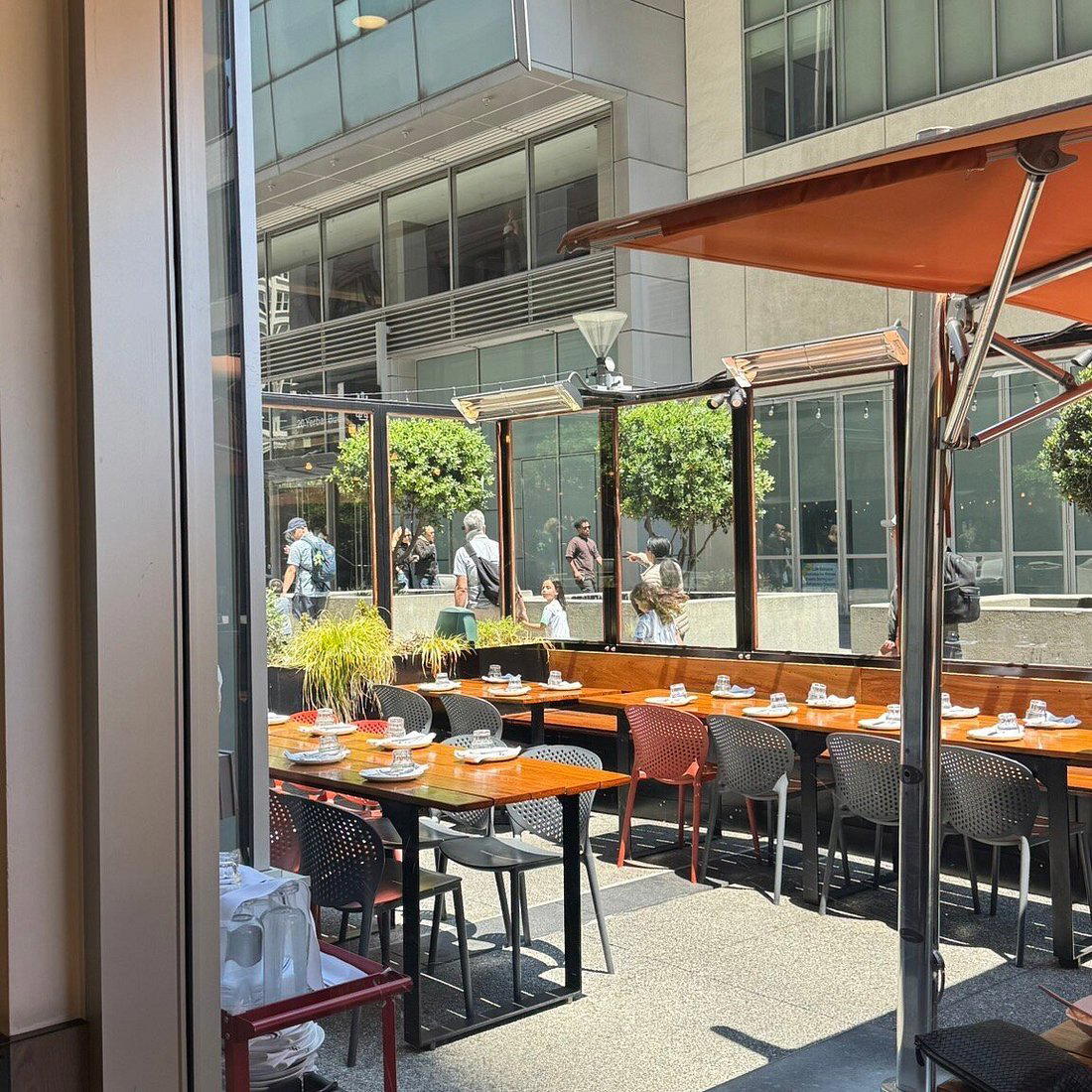
The Marina's Casual Counter to San Francisco's Tasting-Menu Default
San Francisco's dining conversation tends to drift toward its upper register: the omakase counters, the farm-driven tasting rooms, the places where a single evening requires advance planning measured in weeks. Venues like Lazy Bear, Atelier Crenn, and Benu define the city's national reputation, and rightly so. But a city's dining character is equally shaped by what happens on neighborhood streets after 6 p.m. on a Tuesday, when residents want something good without the ceremony. The Marina district has its own answer to that question, and Delarosa at 2175 Chestnut Street is part of it.
Chestnut Street functions as the Marina's commercial spine, and its restaurant density reflects the neighborhood's demographics: younger professionals, weekend brunch crowds, and the kind of regulars who walk to dinner rather than drive. Delarosa operates within that current. It is not positioning itself against Quince or Saison. The competitive set here is different, defined by value perception, accessibility, and the ability to absorb a last-minute table without apology.
How the Menu is Built, and What That Signals
One useful way to read any restaurant is through the architecture of its menu, because format is a form of argument. A restaurant that leads with a long antipasto list and organizes around small, shareable plates is making a claim about how people should eat together. It is a format popularized in California through the influence of Italian-American casual dining and reinforced by the city's social eating culture, where the goal is abundance of variety rather than precision of a single plate.
Delarosa's approach, centered on Roman-style thin-crust pizza and Italian-leaning small plates, belongs to a category of casual Italian that has found durable footing in American cities over the past two decades. This format works because it resolves a specific tension: guests want quality ingredients and recognizable Italian flavor logic, but they also want flexibility, speed, and the ability to order in rounds rather than courses. The thin-crust Roman pizza format, as distinct from the Neapolitan model that dominates the prestige tier, is less demanding of the diner's attention. It does not require the same reverence. It is social food, and that is the point.
The beverage program at a neighborhood Italian spot of this type typically reflects the menu's logic: an Italian-forward wine list weighted toward approachable price points, with a cocktail section that leans on aperitivo references. This structure is consistent with the broader Californian embrace of Italian drinking culture, a trend that accelerated significantly after 2010 and has not reversed. Whether Delarosa's list follows this pattern precisely is something confirmed at the bar rather than on a page, but the menu architecture makes it a reasonable expectation.
Marina District Context: What the Neighborhood Demands
The Marina is not the city's most critically observed dining district. That attention concentrates further south, in the Mission and SoMa corridors, or in Hayes Valley where smaller chef-driven projects tend to open. The Marina's restaurant culture has historically traded on reliability and volume rather than on the kind of innovation that draws press. That is not a criticism. It reflects a neighborhood that knows what it wants: rooms that are warm, menus that read clearly, and wine that arrives without a lecture.
For visitors using San Francisco as a base for broader California exploration, the Marina also functions as a geographic convenience. The Presidio and waterfront access are nearby, and the neighborhood sits between the Ferry Building's weekend market energy and the GoldenGate approaches. Arriving at Delarosa from a late-afternoon walk along Crissy Field, rather than from a crosstown Uber, is a reasonable and low-friction sequence. Chestnut Street's concentration of bars and cafés means the evening can extend naturally without planning.
Those seeking a more structured account of where Delarosa sits within the full city picture can consult our full San Francisco restaurants guide, which maps venues across price tiers and neighborhoods. For comparison with what casual Italian looks like in other American cities, Frasca Food and Wine in Boulder offers a useful reference point for the Italian-influenced format done at a slightly more ambitious register. Emeril's in New Orleans represents how a different American city handles the neighborhood anchor role. Further afield in the fine-dining spectrum, The French Laundry in Napa, Smyth in Chicago, Single Thread Farm in Healdsburg, Providence in Los Angeles, Blue Hill at Stone Barns in Tarrytown, Addison in San Diego, The Inn at Little Washington, Le Bernardin in New York City, Atomix in New York City, and Atelier Moessmer Norbert Niederkofler in Brunico illustrate the breadth of what the premium tier looks like across continents when ceremony and precision are the primary design principles.
Planning Your Visit
Delarosa is located at 2175 Chestnut Street in the Marina district, on one of the neighborhood's most walkable and concentrated dining blocks. Street parking on Chestnut is variable on weekday evenings and more contested on weekends; arriving by rideshare or on foot from nearby residential streets is generally the lower-friction option. The address places it within the 94123 zip code, which covers the western Marina and parts of Cow Hollow. Reservations: Specific booking policy is best confirmed directly with the venue, as walk-in availability at Marina casual dining spots varies significantly by night of week; weekday evenings typically offer more flexibility than Friday and Saturday service. Timing: Chestnut Street restaurants tend to fill between 7 and 8:30 p.m.; arriving before that window or after 9 p.m. generally produces shorter waits for parties without reservations.
Same-City Peers
Comparable venues nearby, for context on price, style, and recognition.
| Venue | Cuisine | Price | Notes |
|---|---|---|---|
| DelarosaThis venue — the venue you are viewing | Roman-Style Italian Pizzeria | $$ | Not listed |
| Acquolina | Authentic Tuscan Italian Trattoria | $$ | North Beach |
| Ragazza | Neapolitan Pizza and Italian | $$ | Haight Ashbury |
| Mangia Tutti | Classic Italian Trattoria | $$ | Chinatown |
| Spiazzo | Authentic Italian Pizza & Pasta | $$ | West of Twin Peaks |
| Trattoria Contadina | Traditional Italian Trattoria | $$ | Chinatown |
Continue exploring
More in San Francisco
Restaurants in San Francisco
Browse all →
Bars in San Francisco
Browse all →
Hotels in San Francisco
Browse all →
At a Glance
- Lively
- Trendy
- Cozy
- Casual Hangout
- Group Dining
- Brunch
- Open Kitchen
- Craft Cocktails
Current opening hours
- Monday
- 11:30 AM–9:30 PM
- Tuesday
- 11:30 AM–9:30 PM
- Wednesday
- 11:30 AM–9:30 PM
- Thursday
- 11:30 AM–10:30 PM
- Friday
- 11:30 AM–10:30 PM
- Saturday
- 11 AM–10:30 PM
- Sunday
- 11 AM–9 PM
Hours can change for holidays and private events. Last verified .