Bambino's Ristorante
Bambino's Ristorante on Cole Street sits in the Cole Valley neighborhood, a quieter residential pocket of San Francisco that operates at a different register than the city's high-profile dining corridors. Where the upper tier of the city's Italian dining scene, represented by venues like Quince, runs toward formal tasting menus, Cole Valley restaurants tend toward the neighborhood trattoria model, where regulars outnumber tourists and the room itself does significant work.
Pearl is the En Primeur Club membership app — saves, bookings, and concierge access live there. Same editors, same standards.
- Address
- 945 Cole St, San Francisco, CA 94117
- Phone
- +14157311343
- Website
- bambinosristorante.com
- Directions
- Get directions
 Saves & bookings on Pearl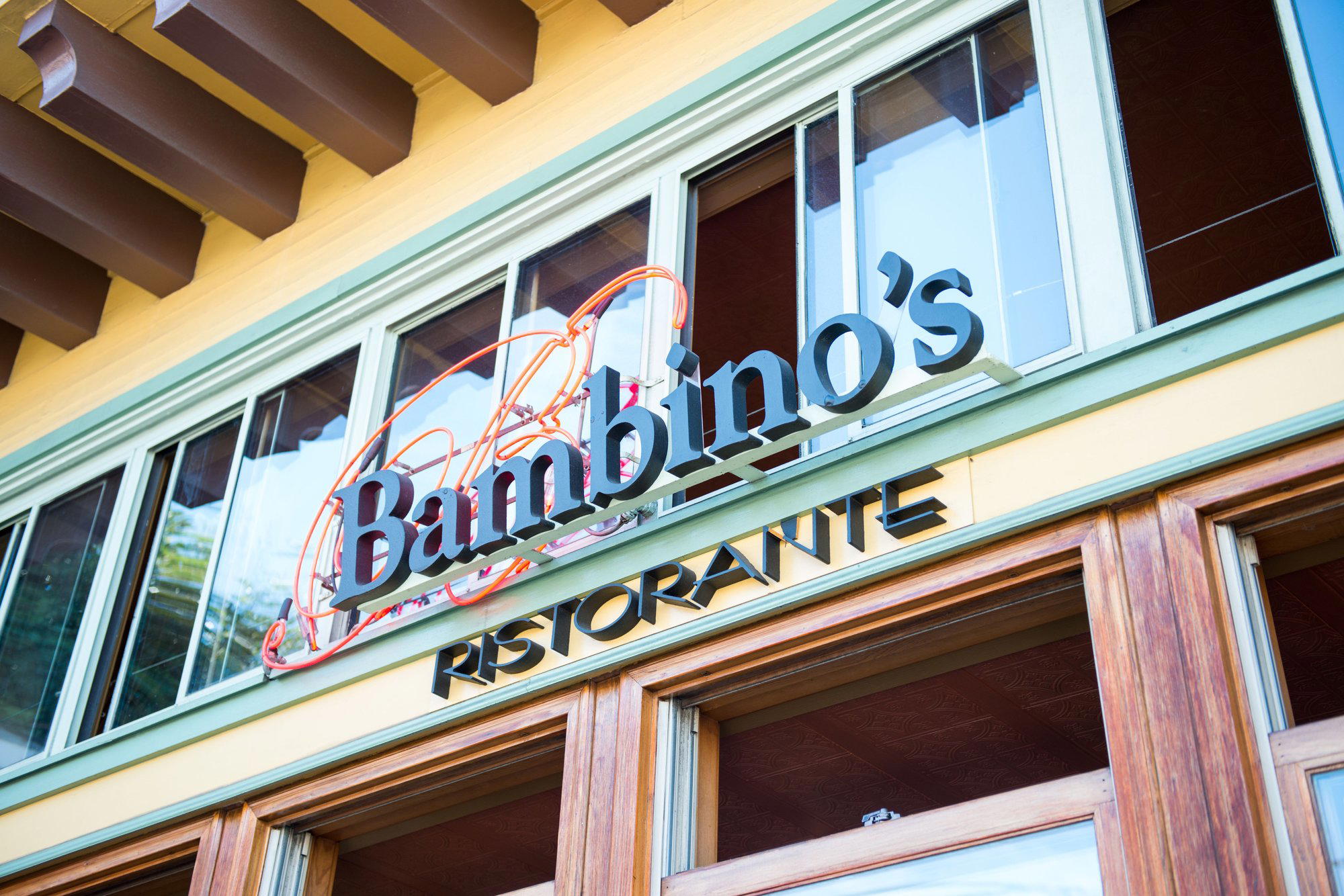
Cole Valley's Residential Dining Register
San Francisco's Italian dining scene divides along a clear fault line. On one side sit the formal, tasting-menu-driven rooms, Quince in the Financial District being the clearest example, where the architecture of the meal, the stemware, and the pacing all signal a destination occasion. On the other sit the neighborhood trattorias, where the physical space is smaller and less theatrically composed, the clientele is local and returning, and the kitchen's job is consistency rather than spectacle. Cole Valley, the residential stretch along Cole Street between the Haight and Twin Peaks, belongs decisively to the second category. Bambino's Ristorante is a Classic Italian Trattoria at 945 Cole St in San Francisco, with.
Bambino's Ristorante occupies 945 Cole Street in that neighborhood. The address alone tells you something about the dining proposition: Cole Street is a low-key commercial strip serving a dense residential grid, not a dining destination in the way that Hayes Valley or the Mission are. Restaurants here survive on repeat visits, not on first-time diners working through a shortlist. That dynamic shapes everything, how a room is arranged, how loud it gets on a Tuesday, how the menu is calibrated across seasons.
The Physical Container and What It Implies
The editorial angle that matters most when reading a room like this is spatial: what does the physical container tell you about how the kitchen and front-of-house have decided to position themselves? Neighborhood Italian restaurants in San Francisco tend toward a particular spatial grammar, close-set tables, a room that rewards groups over solo diners, and an acoustic environment that rises with the evening's energy rather than being managed by acoustic panels. That grammar differs substantially from the counter-and-pass formats you find at Lazy Bear or the choreographed dining rooms of Atelier Crenn, where space is rationed and the architecture actively signals premium positioning.
In the neighborhood trattoria model, interior design choices are less about differentiation and more about warmth. The dining room functions as a social container rather than a stage. That's not a lesser ambition, it's a different one, and it requires its own discipline. A room that makes regulars feel at home is harder to maintain than one that impresses first-timers, because regulars calibrate against memory and expectation rather than novelty.
This spatial logic puts Bambino's in a different competitive conversation than the city's Michelin-tracked rooms. The relevant comparison isn't Benu or Saison, it's the cluster of mid-register neighborhood Italians that serve San Francisco's residential neighborhoods and compete on familiarity, value, and consistency.
Cole Valley in the Broader San Francisco Dining Map
Understanding where Cole Valley sits geographically and socially is useful for calibrating expectations. The neighborhood is bounded by the relative density of the Inner Sunset to the west and the Haight's more commercial strip to the north. It draws a demographically stable, higher-income residential population that tends to eat locally rather than travel across town to high-profile destinations. That translates into a dining environment where operators can build loyal regulars over years, a stability that some of the city's more high-profile corridors, with their higher rents and tourist-heavy footfall, make structurally difficult.
San Francisco's broader restaurant map is worth holding in mind here. The city's top tier, the restaurants that draw national and international attention, clusters in areas like the Financial District, Hayes Valley, and SoMa. Cole Valley operates below and apart from that layer, and the restaurants there are better understood in the context of neighborhood dining than in comparison with the city's destination rooms.
For comparison: nationally, neighborhood Italian formats that have built sustained reputations include venues like Frasca Food and Wine in Boulder, which operates with a regional Italian focus and has built a loyal local following over many years. The format scales from ambitious to casual, but the underlying logic, spatial intimacy, repeat-customer orientation, consistency-first kitchen discipline, runs across the category.
Italian in San Francisco: Where the Category Sits
Italian food in San Francisco occupies a wide band of the market. At the leading, Quince has held Michelin recognition and operates as a white-tablecloth destination. Below that, a dense middle layer of casual-to-mid-range Italians serves neighborhoods across the city, from the North Beach trattorias with their long histories to newer operations in the Mission and the Richmond. The category is competitive and, in most sub-premium brackets, crowded.
What distinguishes the successful operators in that middle band is rarely menu innovation, the Italian canon is well-mapped, and more often room management, service consistency, and the accumulation of goodwill that comes from being present in a neighborhood across years. The comparison relevant to Bambino's is less with the tasting-menu tier and more with this dense middle band, where location and regulars are the primary business model.
For readers interested in how Italian food sits at the summit of the American dining spectrum, the contrast is usefully sharpened by looking at how venues like The French Laundry in Napa or Le Bernardin in New York City operate at the other end of the formality and price spectrum, or how Smyth in Chicago and Providence in Los Angeles have built destination reputations through sustained critical attention. Bambino's does not compete in that tier, and that's not a criticism, it's a clarification of the dining proposition.
| Venue | Cuisine | Price Range | Format |
|---|---|---|---|
| Bambino's Ristorante | Italian (neighborhood) | Not confirmed | Neighborhood trattoria |
| Quince | Italian, Contemporary | $$$$ | Formal tasting menu |
| Lazy Bear | Progressive American | $$$$ | Communal tasting format |
| Atelier Crenn | Modern French | $$$$ | Tasting menu, formal |
| Benu | French-Chinese | $$$$ | Tasting menu, formal |
At a Glance
Comparable venues nearby, for context on price, style, and recognition.
| Venue | Cuisine | Price | Notes |
|---|---|---|---|
| Bambino's RistoranteThis venue — the venue you are viewing | Not listed | $$ | Not listed |
| La Connessa | Potrero Hill, Modern Italian Trattoria | $$ | Not listed |
| Caffé Sport | North Beach, Authentic Sicilian Seafood | $$ | Not listed |
| Caffè Macaroni | North Beach, Neapolitan Trattoria | $$ | Not listed |
| Garibaldis | Not listed | $$ | Presidio Heights, California-Mediterranean Italian |
| Pasta Supply Co | Mission, Modern Italian Pasta Shop | $$ | Not listed |
Continue exploring
More in San Francisco
Restaurants in San Francisco
Browse all →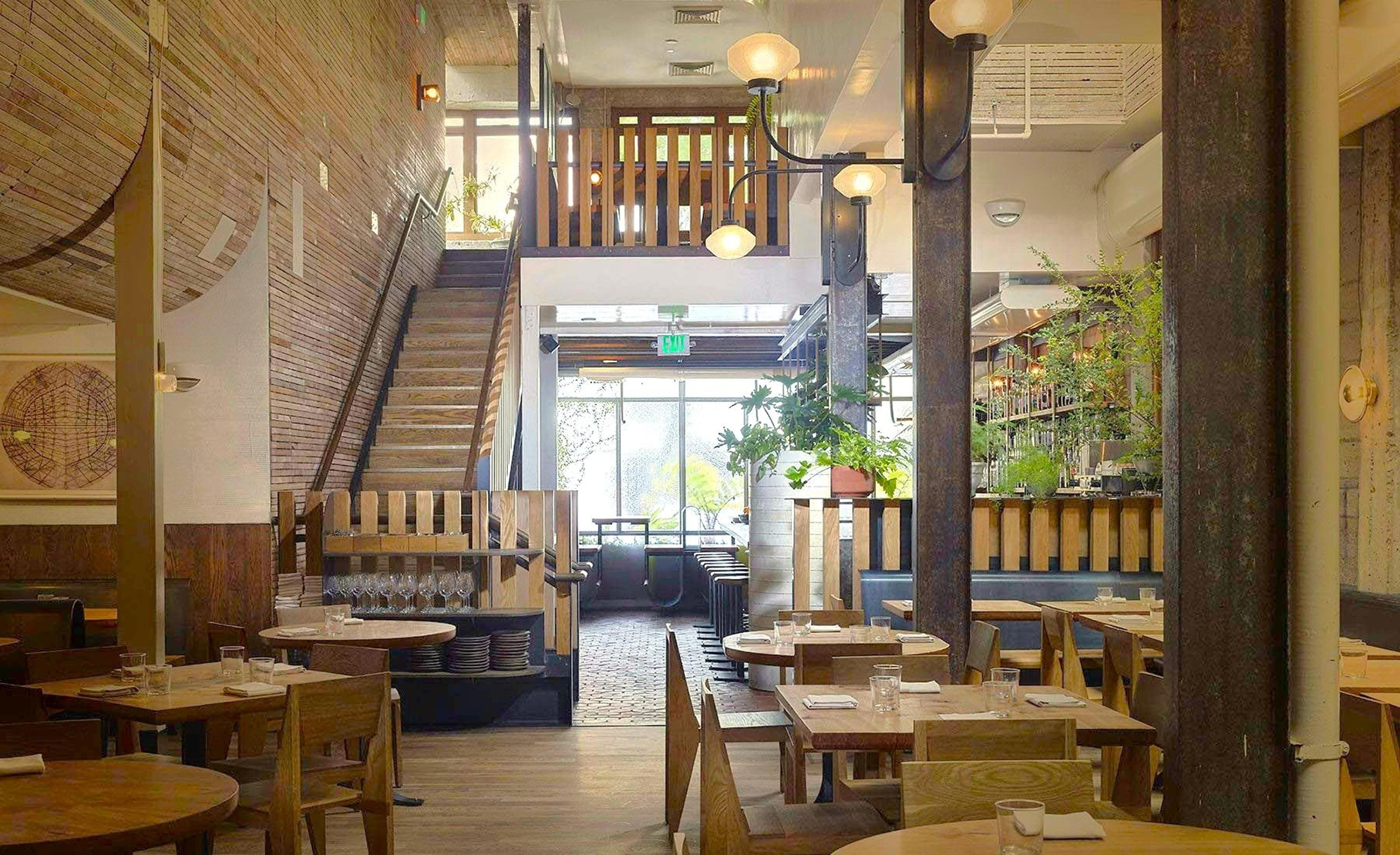
Bars in San Francisco
Browse all →
Hotels in San Francisco
Browse all →


At a Glance
- Cozy
- Classic
- Intimate
- Casual Hangout
- Group Dining
- Family
- Date Night
- Standalone
Current opening hours
- Monday
- 11:30 AM–9:30 PM
- Tuesday
- 11:30 AM–9:30 PM
- Wednesday
- 11:30 AM–9:30 PM
- Thursday
- 11:30 AM–9:30 PM
- Friday
- 11:30 AM–9:30 PM
- Saturday
- 10 AM–9:30 PM
- Sunday
- 10 AM–9:30 PM
Hours can change for holidays and private events. Last verified .
Warm, open, and hospitable with attentive service evoking classic Italian charm.