Vecio Piave
Vecio Piave sits on Via Caposile in San Donà di Piave, a town where the Piave river and the Veneto plain have shaped local cooking for generations. The restaurant draws on the agricultural and fishing traditions of the Venetian hinterland, placing it in a category of trattoria-rooted dining where provenance and seasonal rhythm matter more than spectacle. For visitors exploring the Venetian mainland beyond the lagoon, it represents a grounded, locally anchored option.
Pearl is the En Primeur Club membership app — saves, bookings, and concierge access live there. Same editors, same standards.
- Address
- Via Caposile, 22, 30027 San Donà di Piave VE, Italy
- Phone
- +39421230431
- Website
- linktr.ee
- Directions
- Get directions
 Saves & bookings on Pearl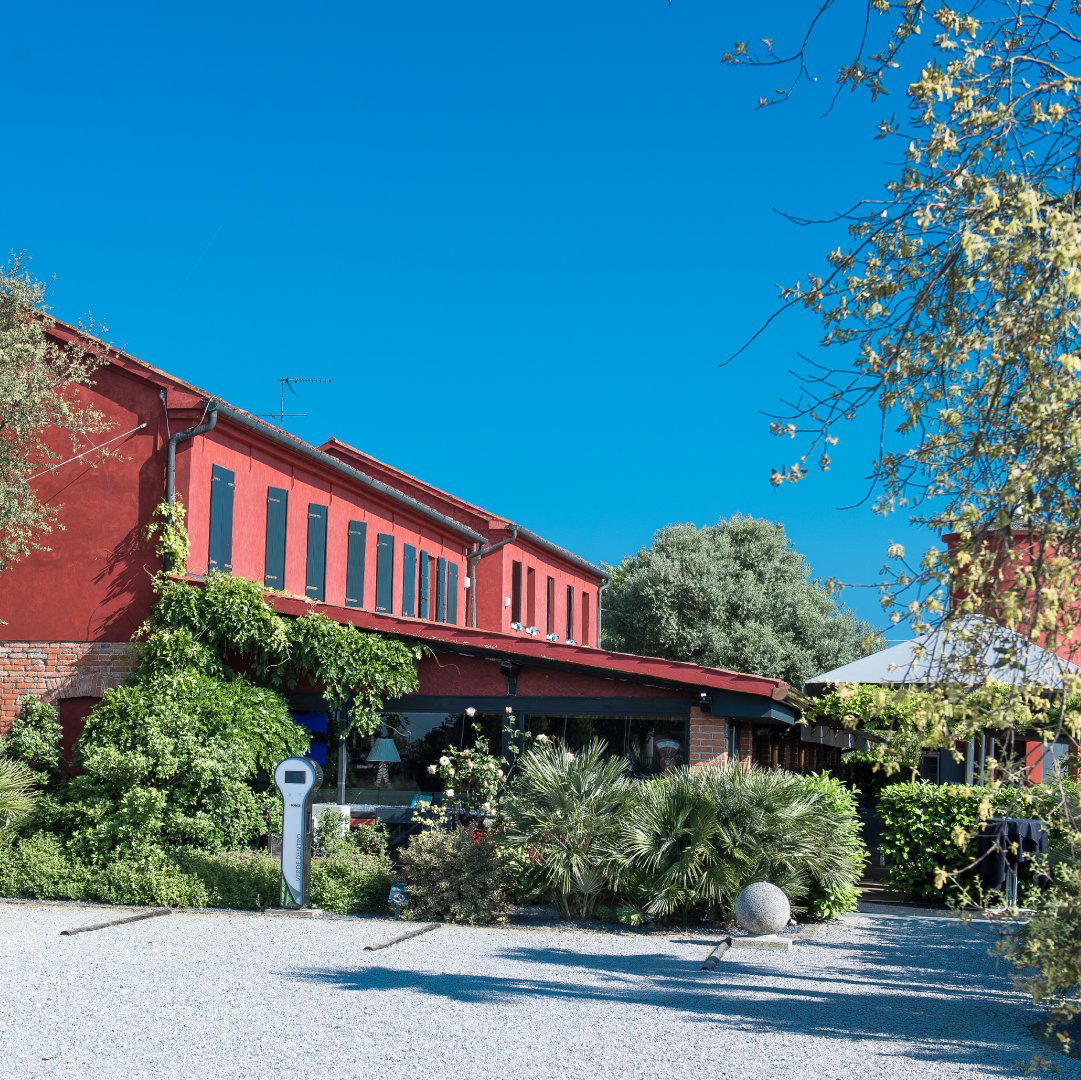
Eating Along the Piave: What the River Tells You About the Food
The stretch of northeastern Veneto between the Piave river and the Adriatic coast occupies a particular culinary position in Italy. It is neither the refined lakeside territory of Verona, home to places like Casa Perbellini 12 Apostoli, nor the coastal theatrics of somewhere like Uliassi in Senigallia. It is flatland Veneto: agricultural, historically modest, and defined by a proximity to both river and sea that produces a cooking style rooted in real supply chains rather than constructed menus. San Donà di Piave is the main market town for this corridor, and Vecio Piave, on Via Caposile, sits within that tradition rather than apart from it.
The address itself signals something. Via Caposile runs toward Caposile, the small settlement at the mouth of the old Piave riverbed where it meets the lagoon edge. That geography, river mouth meeting brackish water meeting agricultural plain, has historically produced ingredients that don't travel far: eels, freshwater fish, seasonal vegetables from the alluvial soil, and the kind of proteins that require a local cook who knows the supplier by name. In a dining culture that has spent two decades celebrating sourcing as a concept, the Venetian hinterland was doing it out of necessity long before it became an editorial point.
The Venetian Inland Table: Sourcing as Structure
Across northeastern Italy, particularly coherent trattoria-style restaurants tend to organize their menus around what the land and water immediately around them can provide. This contrasts with the model at celebrated destination restaurants further afield, where sourcing becomes a narrative layer on top of a technically constructed experience. At Atelier Moessmer Norbert Niederkofler in Brunico, the Alpine sourcing philosophy is explicitly the intellectual framework of the entire restaurant. At Dal Pescatore in Runate, a family operation with Michelin recognition, the Lombard countryside provides a different kind of anchor. Vecio Piave operates at a different register, one where the sourcing is structural rather than signposted, embedded in a regional cooking tradition that predates the language of farm-to-table.
The Piave river corridor has specific seasonal patterns worth knowing. Spring brings the first asparagus from the sandy soils around Cimadolmo and Bibione, a variety with protected designation status in the region. Summer means the arrival of freshwater species and the agricultural produce from the plain's intensive vegetable cultivation. Autumn shifts toward game, mushrooms from the pre-Alpine foothills, and the grape harvest along the Piave DOC wine route that runs parallel to the river. A restaurant on Via Caposile, embedded in this geography, is positioned to track those rhythms in a way that a city-centre restaurant in Venice proper cannot.
San Donà di Piave: Context for the Visitor
San Donà di Piave is not a dining destination in the way that, say, Modena is, where Osteria Francescana anchors an entire visitor itinerary, or Alba, where Piazza Duomo draws international traffic. It is a working town, rebuilt after near-total destruction in the First World War, with a civic rather than touristic character. That context shapes what eating here means: the audience for most restaurants in San Donà is local, the expectations are set by regular customers rather than passing critics, and the measure of quality is repetition rather than occasion.
Within the town's restaurant options, there is a readable spread. Forte del 48 operates in the Venetian register with a price point around €€, sitting at the more formal end of the local offer. Manà and Pizzeria Fantasy represent other formats in the local dining mix. Vecio Piave, on Via Caposile at the town's eastern edge, occupies a position that reads as neighbourhood-anchored: accessible by car from the town centre, oriented toward regulars rather than walk-in traffic.
For visitors arriving from Venice, the journey is approximately 40 kilometres east by train or car, making San Donà a plausible excursion. The town connects to the Venice-Trieste rail line, and the SS14 road runs alongside the Piave for the final approach. That accessibility puts the restaurant in reach of anyone willing to step off the main tourist circuit and eat where the Venetian mainland actually feeds itself.
Where This Fits in the Broader Italian Picture
Italy's restaurant culture is often discussed through its celebrated northern institutions. The multi-starred rooms at Le Calandre in Rubano, Enrico Bartolini in Milan, and Enoteca Pinchiorri in Florence represent one tier of the national conversation. Internationally, restaurants like Le Bernardin in New York City and Atomix demonstrate how sourcing narratives travel into fine dining globally. But the backbone of Italian food culture has always been the trattoria tier: restaurants without awards ambitions, serving a local population, drawing on whatever is fresh within a short radius. The restaurant sits in that category, and that category is, in many ways, what makes Italian food culture worth examining in the first place.
Restaurants operating at this level in the Veneto are increasingly under pressure from the same forces affecting provincial dining across Europe: rising ingredient costs, a narrowing pool of cooks willing to work the hours, and a customer base that skews older and more local than a decade ago. The ones that persist tend to do so because they have a clear identity, a regular clientele, and a kitchen that doesn't try to be something it isn't. What the address and geography confirm is that the conditions for that kind of cooking exist in San Donà di Piave.
Planning Your Visit
The restaurant is located at Via Caposile 22, San Donà di Piave, in the province of Venice. Reservations are recommended. Visitors arriving by car from Venice have greater flexibility.
At-a-Glance Comparison
Comparable venues nearby, for context on price, style, and recognition.
| Venue | Cuisine | Price | Awards | Notes |
|---|---|---|---|---|
| Vecio PiaveThis venue — the venue you are viewing | Italian Seafood | $$ | Not listed | Not listed |
| Manà | Italian Pizza and Ristorante | $$ | Not listed | San Dona Di Piave |
| Pizzeria Fantasy | Artisanal Italian Pizza | $ | Not listed | San Donà di Piave |
| Forte del 48 | Traditional Italian Seafood and Meat | $$$ | Michelin Plate | San Donà di Piave |
| Vesuvio | Neapolitan Pizza & Seafood | $$ | Not listed | Jesolo Lido |
| Caorlina | Traditional Italian Seafood & Pizza | $$ | Not listed | historic center |
Continue exploring
More in San Dona Di Piave
Restaurants in San Dona Di Piave
Browse all →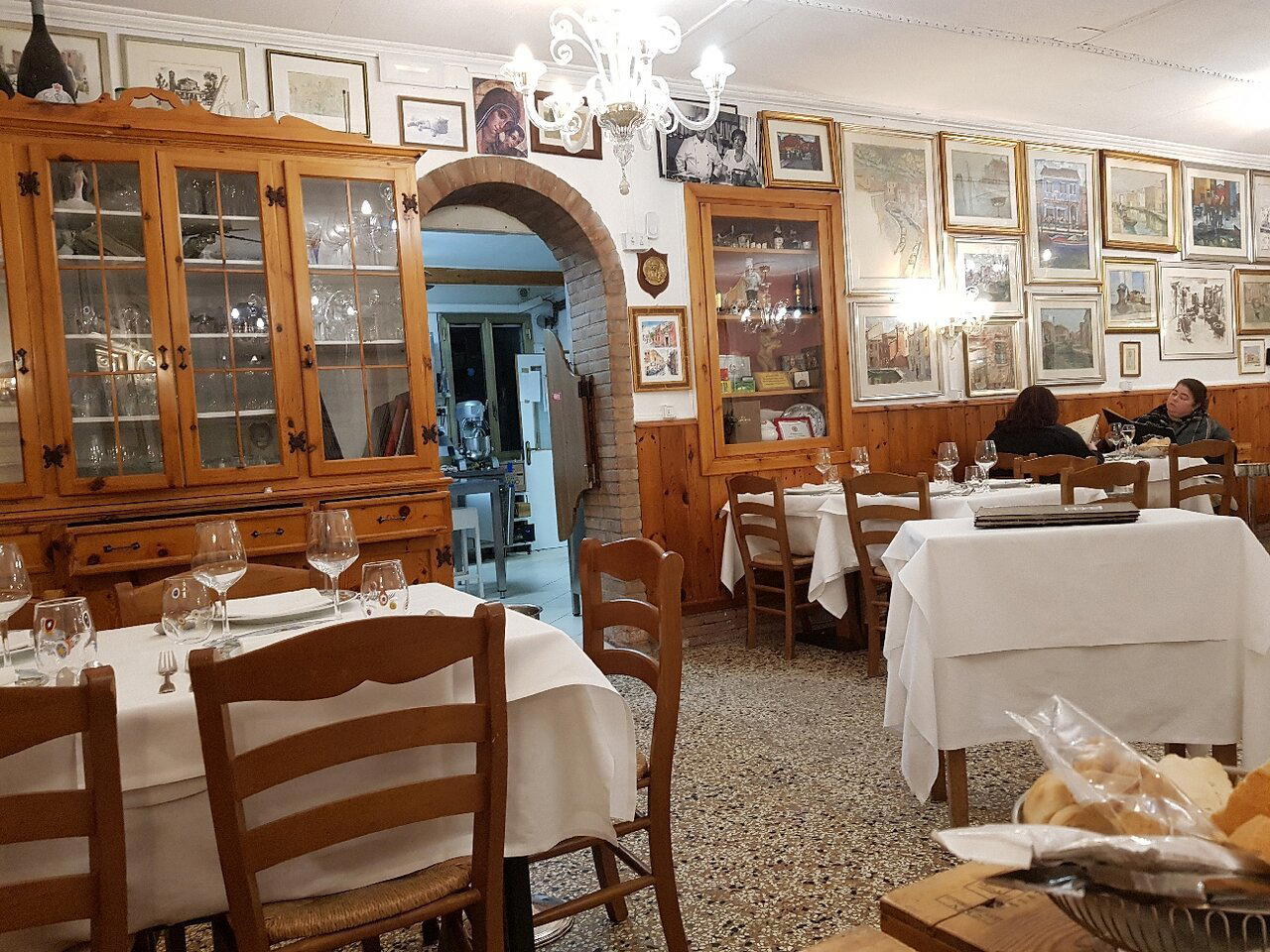
Bars in San Dona Di Piave
Browse all →
Hotels in San Dona Di Piave
Browse all →
At a Glance
- Classic
- Rustic
- Group Dining
- Celebration
- Terrace
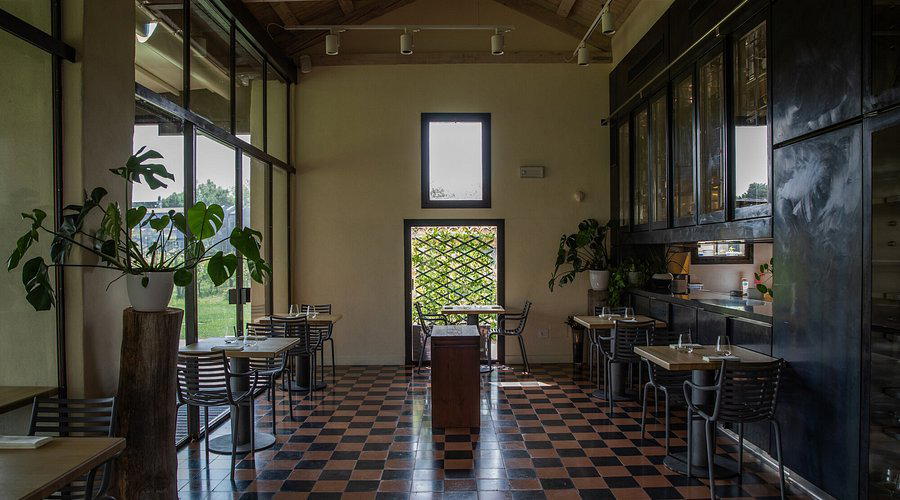
Welcoming with a big dining room and terrace for warm season dining, described as having a beautiful environment by some guests.