Caorlina occupies a quiet address on Via Francesconi in Caorle, a small Adriatic fishing town that has resisted the resort sprawl swallowing much of the Venetian coast. The restaurant draws from the same lagoon-and-sea pantry that defines this corner of northeastern Italy, placing it inside a compact local dining scene where proximity to the catch is the baseline credential, not the selling point.
Pearl is the En Primeur Club membership app — saves, bookings, and concierge access live there. Same editors, same standards.
- Address
- Via Francesconi, 19, 30021 Caorle VE, Italy
- Phone
- +393942181115
- Website
- caorlina.it
- Directions
- Get directions
 Saves & bookings on Pearl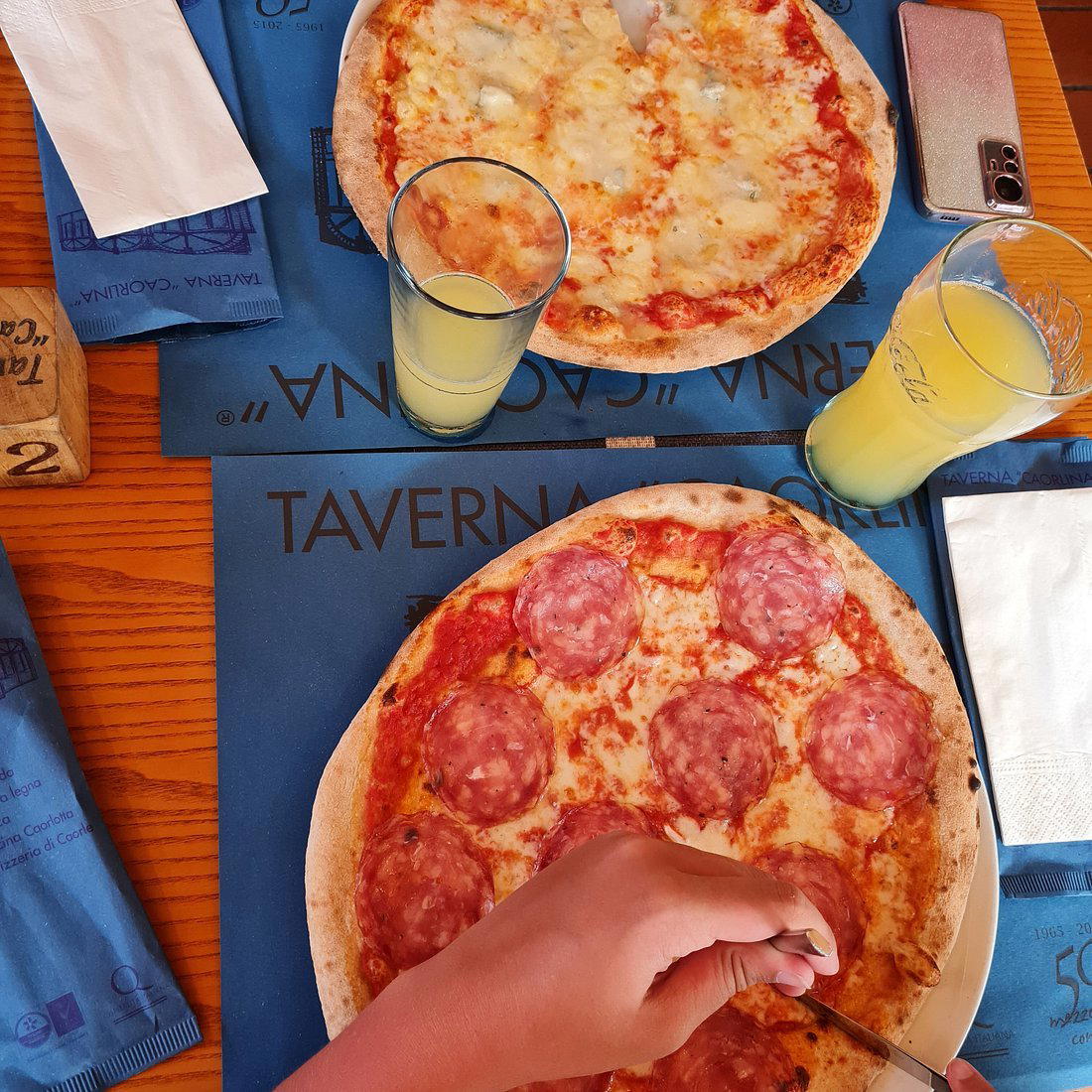
Where the Adriatic Pantry Takes Shape
Caorle sits roughly halfway between Venice and Trieste on a stretch of Adriatic coastline that tourism has touched without entirely transforming. The old town pushes out on a narrow promontory, its fishermen's houses in terracotta and ochre stacked tight against the sea wall, and the daily fish market still operates as a functional supply chain rather than a tourist attraction. That geography matters when reading any restaurant here: the distance from catch to kitchen is measured in minutes, not hours, and menus at the town's established addresses are structured around what that morning's boats delivered, not around what a corporate purchasing team approved.
Caorlina, addressed on Via Francesconi in the heart of the old quarter, sits inside that supply logic. The street itself is narrow enough that the dining room feels continuous with the neighbourhood rather than separated from it, and the sounds and pace of a working Adriatic town filter through in ways that larger, purpose-built resort restaurants deliberately design out.
How the Menu Is Built Here
The structural grammar of northeastern Italian coastal cooking is worth understanding before reading any Caorle menu. This is not the fried-seafood-and-pasta simplicity that mass tourism has exported elsewhere along the Adriatic. The Venetian lagoon tradition runs deeper: crudo preparations that prioritise the texture and temperature of the fish rather than aggressive seasoning; risotto cooked with the kind of patience that cannot be replicated at volume; broeto, the regional fish stew, which requires the cook to sequence different fish species by their cooking times and is therefore a reliable indicator of kitchen discipline.
A menu architected around these traditions signals something specific. It tells you the kitchen is working from the day's availability rather than from a fixed template, that portion sizes are calibrated by what was caught rather than by a standardised recipe card, and that the wine list almost certainly leans toward the light, high-acid whites of the Veneto and Friuli that cut through lagoon flavours: Soave, Lugana, Collio, and the mineral-edged Prosecco Superiore of Valdobbiadene. This is the frame within which Caorlina operates, and it is a more demanding frame than it first appears. Getting it right requires sourcing discipline and a kitchen that can adjust daily, not just seasonally.
Within Caorle's dining scene, this model places Caorlina alongside a small group of addresses that take the local ingredient argument seriously. Ai Bragozzi and All'Anguilla work similar territory, as does Antico Petronia, which tilts toward the lagoon eel and crab preparations that have defined this stretch of coast for centuries. Bucintoro and Enoteca Enos extend the local dining map further, the latter with a wine-led format that complements the food-first houses. None of these restaurants are competing for the same regional accolades as Uliassi in Senigallia or Quattro Passi in Marina del Cantone, whose coastal Italian cooking operates at a different tier of technical ambition. Caorle is not that kind of town, and its leading restaurants do not pretend to be. What they offer instead is cooking that is specifically and accurately local, which is its own form of quality.
The Broader Italian Coastal Dining Context
Italian coastal cooking at the high end has splintered into several distinct approaches over the past decade. The tasting-menu model, exemplified by addresses like Reale in Castel di Sangro or the more cerebral Osteria Francescana in Modena, has pushed Italian fine dining toward abstraction and concept. At the opposite end, the trattoria tradition has held its ground in towns where tourism brings volume but local diners remain the credibility check. Caorle belongs to this second category: a place where residents eat alongside visitors, where the menu changes with the season and the catch, and where a restaurant earns its standing over years of consistent sourcing rather than through a single celebrated dish.
That standing is harder to communicate internationally than a Michelin star, which is partly why towns like Caorle remain underrepresented in the editorial conversation that orbits Le Calandre in Rubano or Piazza Duomo in Alba. The comparison points for Caorlina are not those rooms. They are the working fishing-town restaurants of the northern Adriatic, places where the editorial argument is one of access and accuracy rather than ambition and technique. For a reader who has spent time at Le Bernardin in New York City or tracked the progression of Atelier Moessmer Norbert Niederkofler in Brunico, the value of Caorlina is precisely that it operates outside that hierarchy: no reservation three months out, no tasting menu with a fixed price locked weeks in advance, no performance.
Visiting Caorle and Planning Around Caorlina
Caorle is accessible from Venice by road in under an hour, making it a viable half-day or full-day excursion from the city, though the town rewards an overnight stay, particularly in the shoulder months of May, June, and September when the summer crowds have not yet arrived or have already thinned. July and August bring significant seasonal tourism that changes the pace of the old town and puts pressure on restaurant capacity across the board. Visitors arriving by car will find parking on the edges of the old quarter, which is largely pedestrian. Those travelling from Venice without a car can reach Caorle by regional bus from Mestre.
Via Francesconi sits within comfortable walking distance of the waterfront and the cathedral, which puts Caorlina in the natural circuit of the old town rather than requiring a deliberate detour. Reservation is recommended, particularly during the high summer period.
Dal Pescatore in Runate, Enoteca Pinchiorri in Florence, Enrico Bartolini in Milan, and the format-driven American comparison of Lazy Bear in San Francisco, each of which illustrates a different answer to the question of how a restaurant builds and communicates its identity through the structure of what it serves.
A Credentials Check
Comparable venues nearby, for context on price, style, and recognition.
| Venue | Cuisine | Price | Notes |
|---|---|---|---|
| CaorlinaThis venue — the venue you are viewing | Traditional Italian Seafood & Pizza | $$ | Not listed |
| Enoteca Enos | Italian Steak & Wine Bar | $$ | :null |
| Ristoro Golf Caorle | Italian Pizzeria and Grill | $$ | Duna Verde |
| Antico Petronia | Italian Seafood | $$ | Caorle center |
| Maison B. Restaurant & Contemporary Art | Northern Adriatic Seafood with Contemporary Art | $$$$ | Caorle |
| Ristorante Pizzeria Ae do Rode | Italian Pizza and Seafood | $$ | historic center |
Continue exploring
More in Caorle
Restaurants in Caorle
Browse all →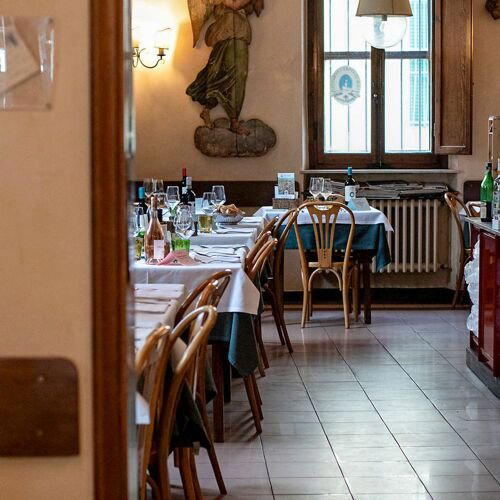
Bars in Caorle
Browse all →
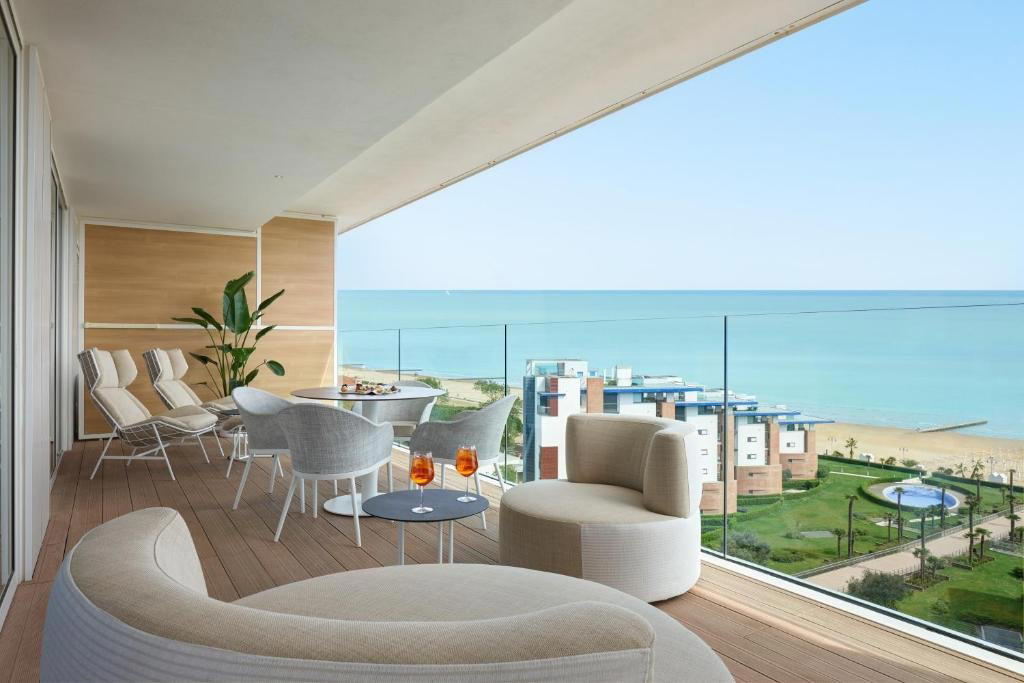
Hotels in Caorle
Browse all →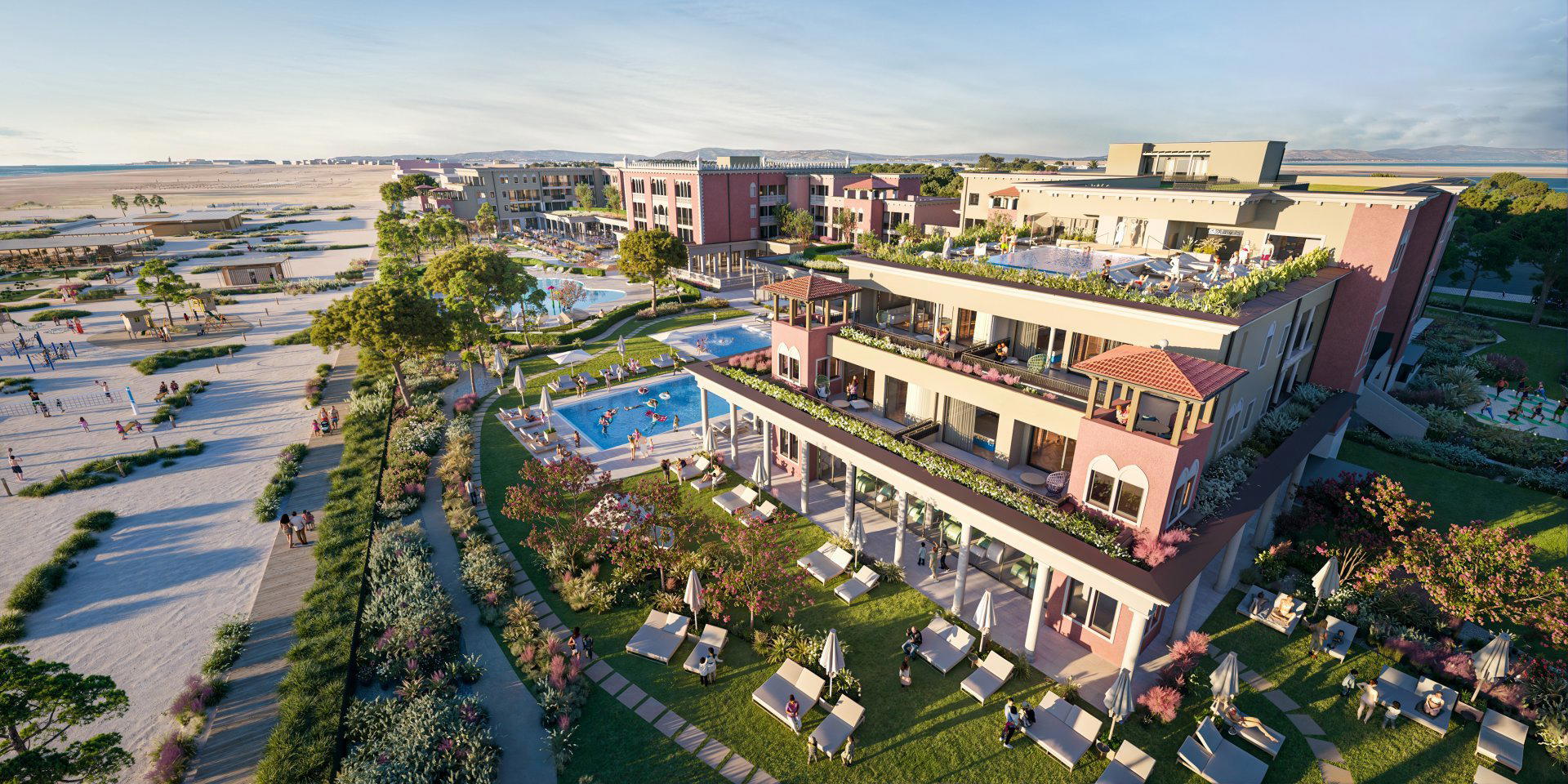
At a Glance
- Classic
- Rustic
- Family
- Casual Hangout
- Waterfront
- Waterfront
Current opening hours
- Monday
- 12–2:30 PM, 6–10:30 PM
- Tuesday
- 12–2:30 PM, 6–10:30 PM
- Wednesday
- 12–2:30 PM
- Thursday
- Closed
- Friday
- 12–2:30 PM, 6–10:30 PM
- Saturday
- 12–2:30 PM, 6–10:30 PM
- Sunday
- 12–2:30 PM, 6–10:30 PM
Hours can change for holidays and private events. Last verified .
Charming taverna atmosphere in a picturesque harbor setting with friendly service.