Grand Hotel Courmayeur Mont Blanc

At 72 rooms, Grand Hotel Courmayeur Mont Blanc occupies a measured position in one of the Italian Alps' most competitive resort addresses. The property sits on Strada Grand Ru at the base of Mont Blanc, placing guests within reach of the valley's ski infrastructure and its compact, characterful town centre. For Courmayeur, it represents the mid-to-upper tier of structured hotel accommodation in a destination that increasingly attracts a design-conscious European clientele.
Pearl is the En Primeur Club membership app — saves, bookings, and concierge access live there. Same editors, same standards.
- Address
- Strada Grand Ru, 1, 11013 Courmayeur AO
- Phone
- +39 0165 844542
- Directions
- Get directions
 Saves & bookings on Pearl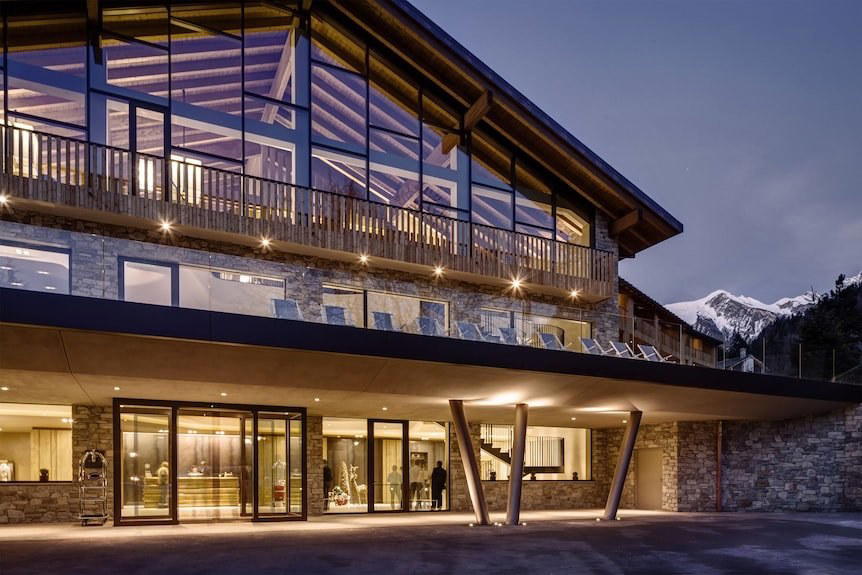
Alpine Architecture and the Courmayeur Standard
Courmayeur has long operated differently from its French neighbour Chamonix across the Mont Blanc tunnel. Where Chamonix built outward into a sprawling resort town, Courmayeur stayed compact and Italian, its main street lined with stone-fronted shops and its accommodation stock weighted toward family-run hotels and a handful of larger properties that understand how to hold a mountain address with some architectural integrity. Grand Hotel Courmayeur Mont Blanc, on Strada Grand Ru, sits within that tradition. At 72 rooms, it occupies a scale that allows for coherent design without the anonymity that tends to arrive once a property crosses into triple-digit key counts.
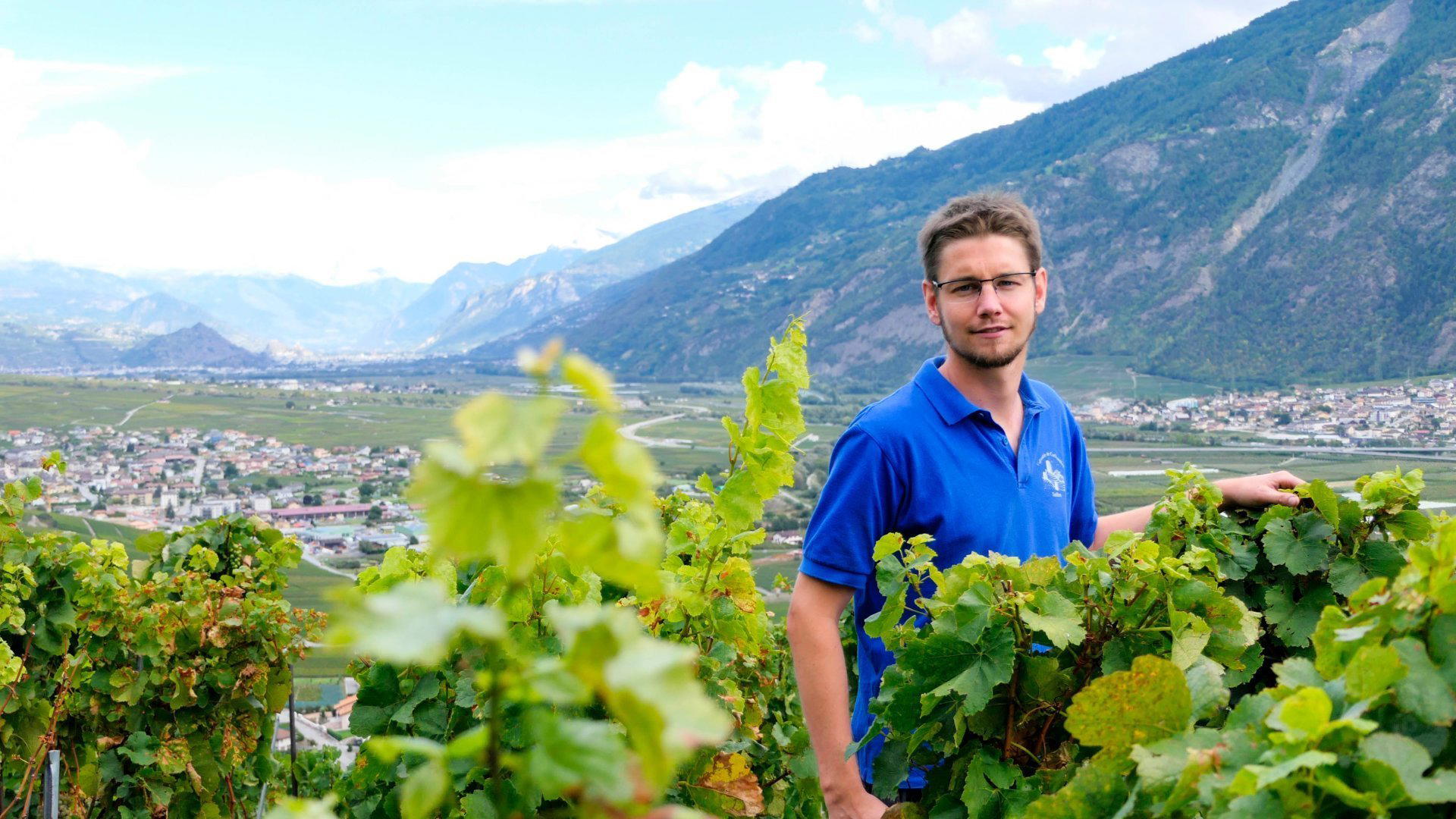
The physical placement of a hotel in Courmayeur carries more editorial weight than it might in a flat city. The valley floor reads in layers: the town centre, the cable car access points, the tree line, and then the glaciated upper ridges of the massif itself. Properties on Strada Grand Ru sit close enough to the centre to make the town usable on foot while still commanding mountain sightlines. That positioning is a design decision in itself, and it shapes what the room experience actually delivers. For a property built around an Alpine identity, proximity to the landscape is infrastructure, not amenity.
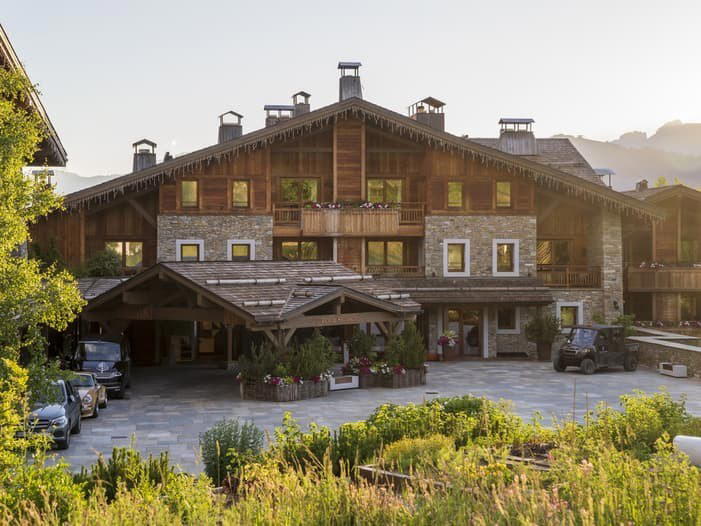
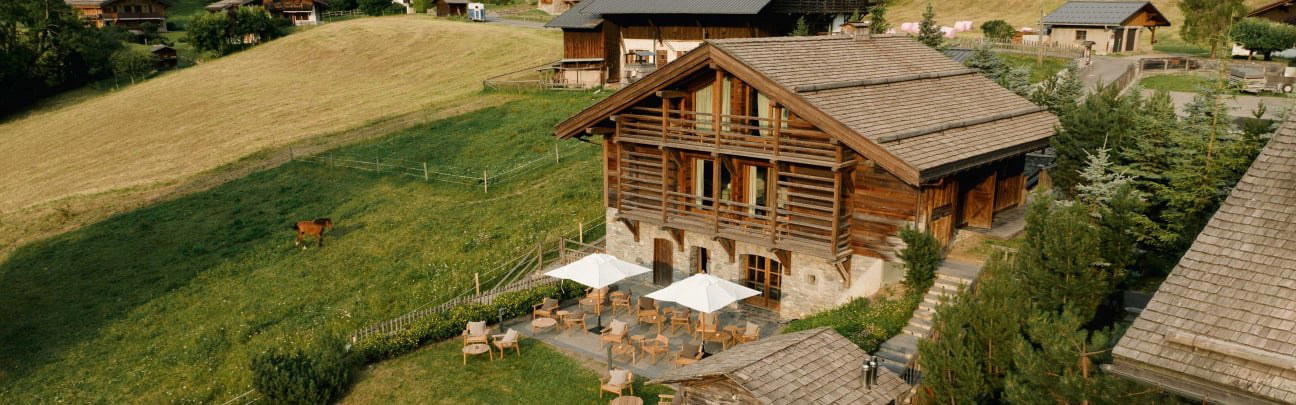
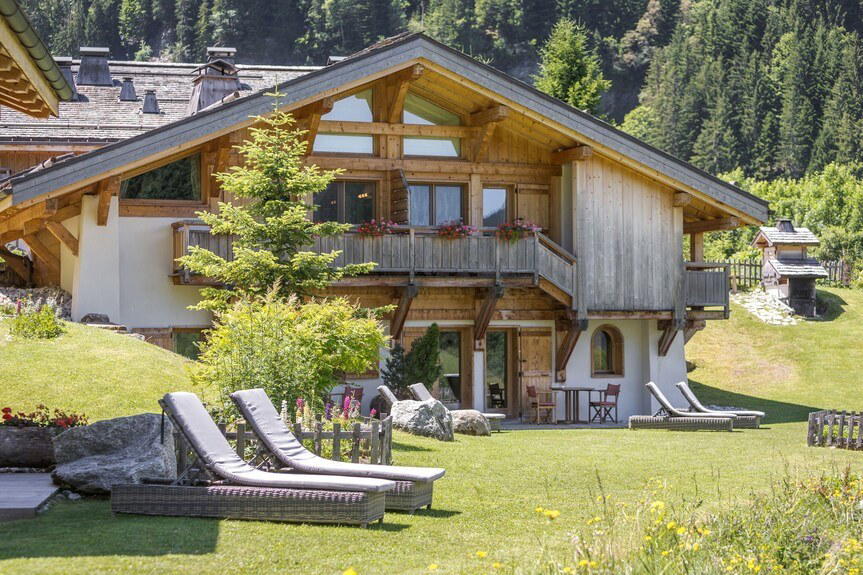
The broader category of Alpine grand hotels in the Italian and Swiss tradition draws on a specific set of design signals: dark timber, local stone, pitched rooflines, and a studied warmth that distinguishes itself from the glass-and-concrete minimalism that became fashionable in ski resort development through the 2000s and 2010s. Properties that hold to that tradition, whether the scale of Forestis Dolomites in Plose or the more intimate formats found across South Tyrol at Castel Fragsburg in Merano, tend to age better architecturally than those that chased contemporary resort minimalism. Grand Hotel Courmayeur Mont Blanc, with a name that positions it explicitly within the grand hotel category, signals alignment with that longer tradition.
What 72 Rooms Means in This Market
Room count is a reasonable proxy for the kind of experience a hotel is calibrated to deliver. Properties below 30 keys, like Passalacqua in Moltrasio or EALA My Lakeside Dream in Limone sul Garda, trade on near-total privacy and a guest-to-staff ratio that allows genuinely personalised service. Properties above 100 keys gain operational flexibility and amenity breadth but can lose the texture that makes mountain accommodation feel distinct from a branded city hotel dropped into an Alpine setting.
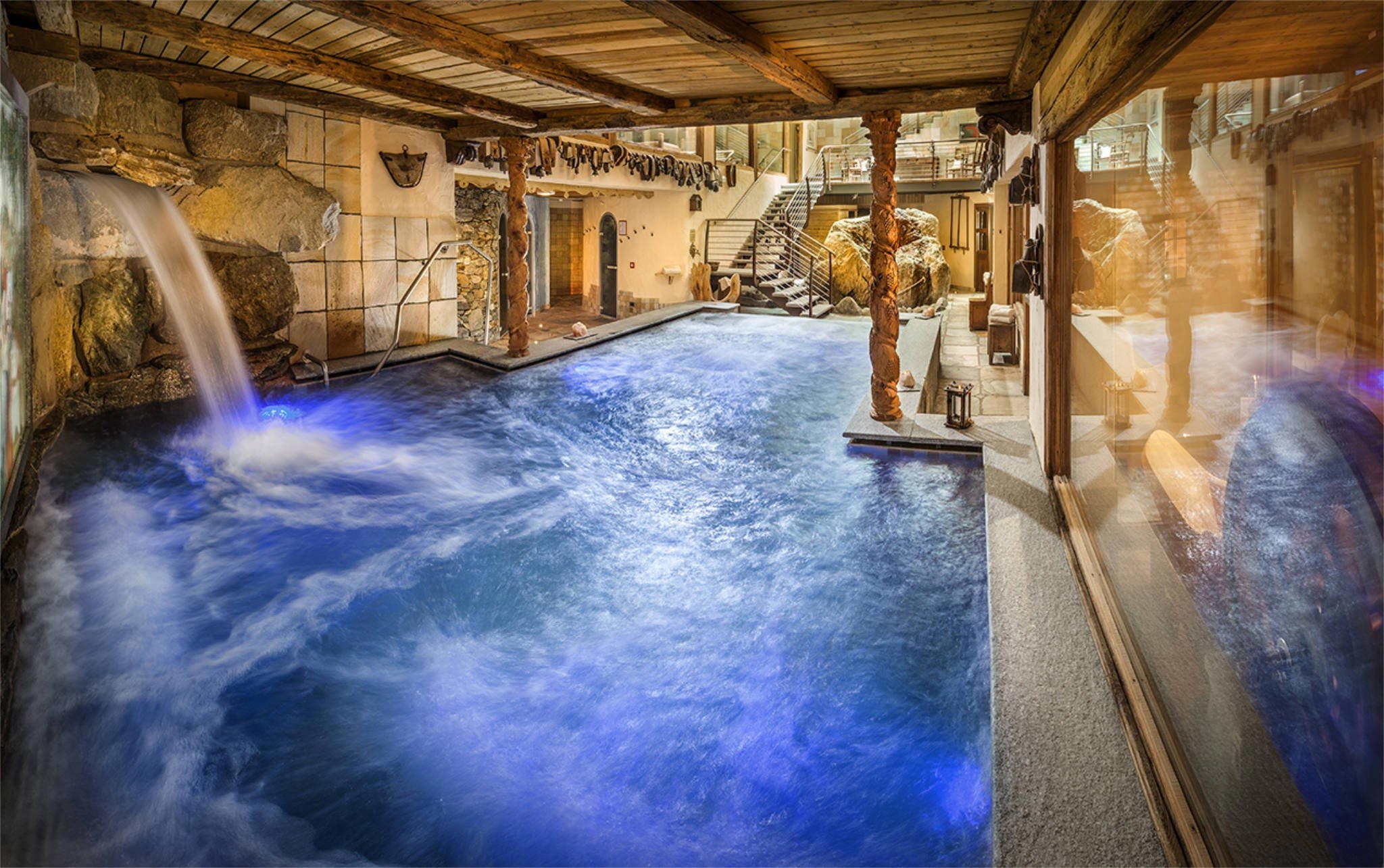
At 72 rooms, Grand Hotel Courmayeur Mont Blanc occupies a middle register that, when well managed, delivers the amenity infrastructure of a larger hotel alongside enough spatial restraint to keep the guest experience coherent. This is the scale at which spa facilities, a proper bar operation, and a dining room with serious intent become viable without requiring the revenue targets that push larger properties toward conference business and group bookings, which have a way of reshaping the atmosphere of a mountain hotel in ways that leisure guests notice immediately.
Across Italy's premium hotel stock, the 60-to-80-room count has proven a reliable marker of properties that have made deliberate editorial choices. Borgo Santandrea on the Amalfi Coast, Il Pellicano in Porto Ercole, and Bellevue Syrene 1820 in Sorrento all operate within roughly that band, and all carry identities that would not survive dilution through scale. In an Alpine context, that logic holds with particular force: the experience of a mountain hotel is inseparable from the physical containment of its setting, and larger properties risk becoming self-enclosed resorts that happen to have a view, rather than places that are actually in conversation with their landscape.
Courmayeur's Position in the Italian Alpine Tier
Italy's Alpine resorts split along several axes: ski infrastructure, summer hiking credentials, town character, and the quality of accommodation available at the upper end. Courmayeur scores well on all four but carries a particular advantage in town character. Its pedestrianised centre, with Via Roma as its social axis, functions as a genuine Italian mountain town rather than a purpose-built ski village, and that distinction matters to the European clientele, primarily Italian, French, and increasingly British, that makes up its core market.
The ski area, accessed via the Skyway Monte Bianco cable car that ascends to 3,466 metres, is compact by Verbier or Val d'Isère standards but offers terrain quality that overrides the statistical argument about piste kilometres. In summer, the valley's position at the base of Mont Blanc makes it one of the better staging points for long-distance Alpine hiking, particularly sections of the Tour du Mont Blanc. A hotel at Strada Grand Ru is positioned to serve both markets without the compromise that sometimes accompanies dual-season properties.
For guests considering how Grand Hotel Courmayeur Mont Blanc sits within the wider Italian luxury hotel geography, the useful comparison set extends beyond the Alps. Le Massif is the most direct local reference point, operating within the same valley and the same guest profile. Further afield, the Italian mountain hotel tradition connects to properties like Castelfalfi in Montaione and Borgo San Felice Resort in Castelnuovo Berardenga, which operate on different terrain but share an investment in place-specific design that keeps them legible as Italian properties rather than internationally interchangeable resort hotels.
Italy's broader premium hotel network, from Aman Venice and Four Seasons Hotel Firenze in Florence at the heritage urban end to Rosewood Castiglion Del Bosco in Montalcino and Borgo Egnazia in Savelletri di Fasano in the countryside and coast categories, demonstrates that the market has real depth and genuine differentiation. The Alpine tier, anchored by properties in Courmayeur, Madonna di Campiglio, and the South Tyrolean valleys, represents a distinct sub-category with its own logic around seasonality, outdoor access, and design vocabulary.
Planning a Stay
Courmayeur's two main seasons run December through late March for skiing and June through September for hiking and summer mountain access. Both periods carry pricing pressure, with the ski season typically seeing earlier demand from Italian and French guests who book Courmayeur as a short-drive or quick-flight destination from Milan, Turin, Geneva, and Paris. The address at Strada Grand Ru, 1, 11013 Courmayeur AO, places the hotel at a walkable distance from the town centre. Guests arriving by road should note that the Mont Blanc tunnel provides a direct link from France, making Courmayeur accessible from Geneva airport in roughly 90 minutes under normal conditions. For dining beyond the hotel, our full Courmayeur restaurants guide maps the valley's leading options across price points and formats.
Recognition history
Dated appearances from independent guides and award organizations, with the underlying list record or original source where available.
Michelin Selected
Michelin
Preferred Hotels L.V.X. Collection
Preferred Hotels
Continue exploring
More in Courmayeur
Hotels in Courmayeur
Browse all →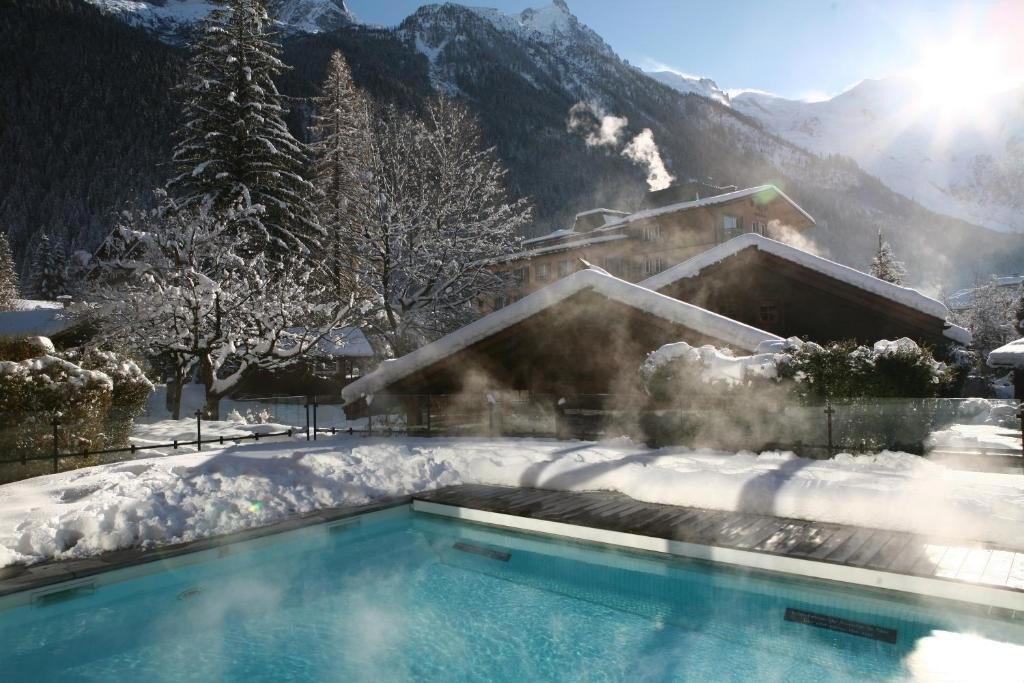
Bars in Courmayeur
Browse all →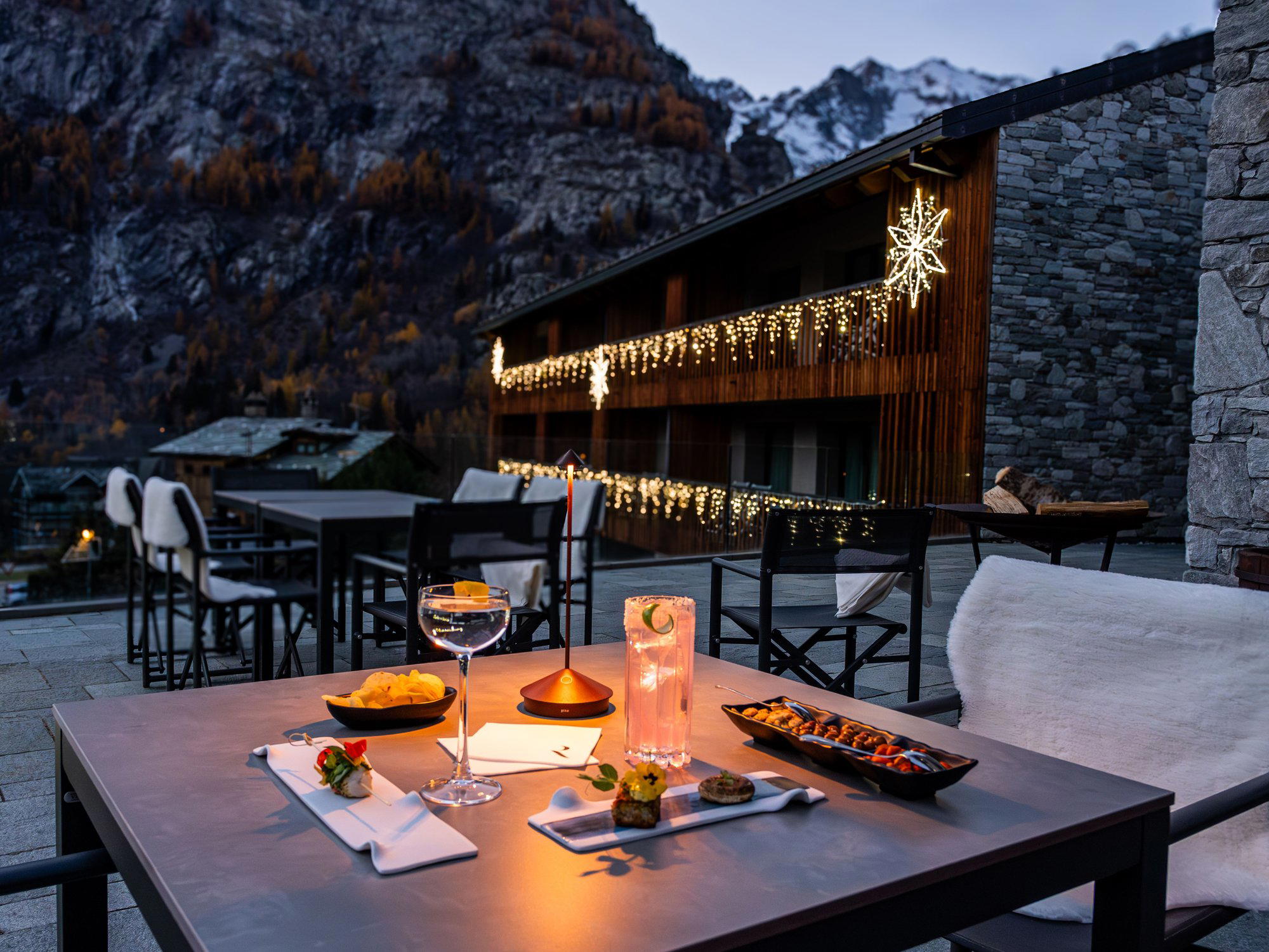
Restaurants in Courmayeur
Browse all →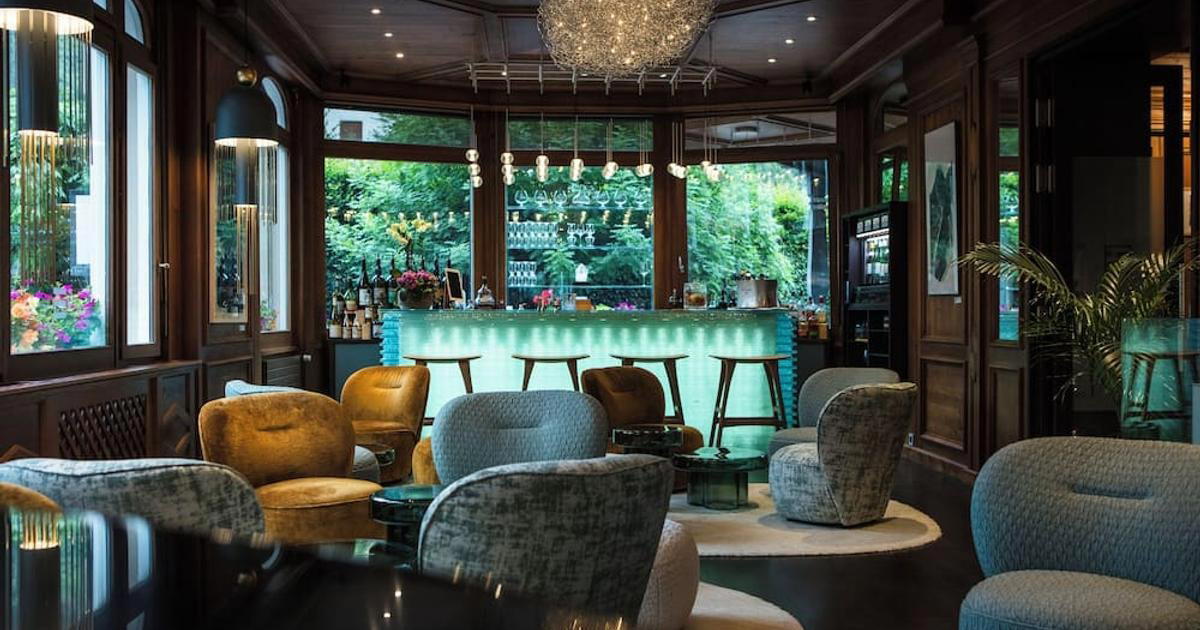

At a Glance
- Romantic
- Elegant
- Sophisticated
- Scenic
- Romantic Getaway
- Wellness Retreat
- Family Vacation
- Honeymoon
- Anniversary
- Destination Spa
- Panoramic View
- Ski In Ski Out
- Garden
- Terrace
- Private Dining
- Spa
- Pool
- Fitness Center
- Sauna
- Restaurant
- Bar
- Room Service
- Wi Fi
- Concierge
- Mountain
- Spa
- Pool
- Fitness Center
- Sauna
- Restaurant
- Bar
- Room Service
- Wi Fi
- Concierge
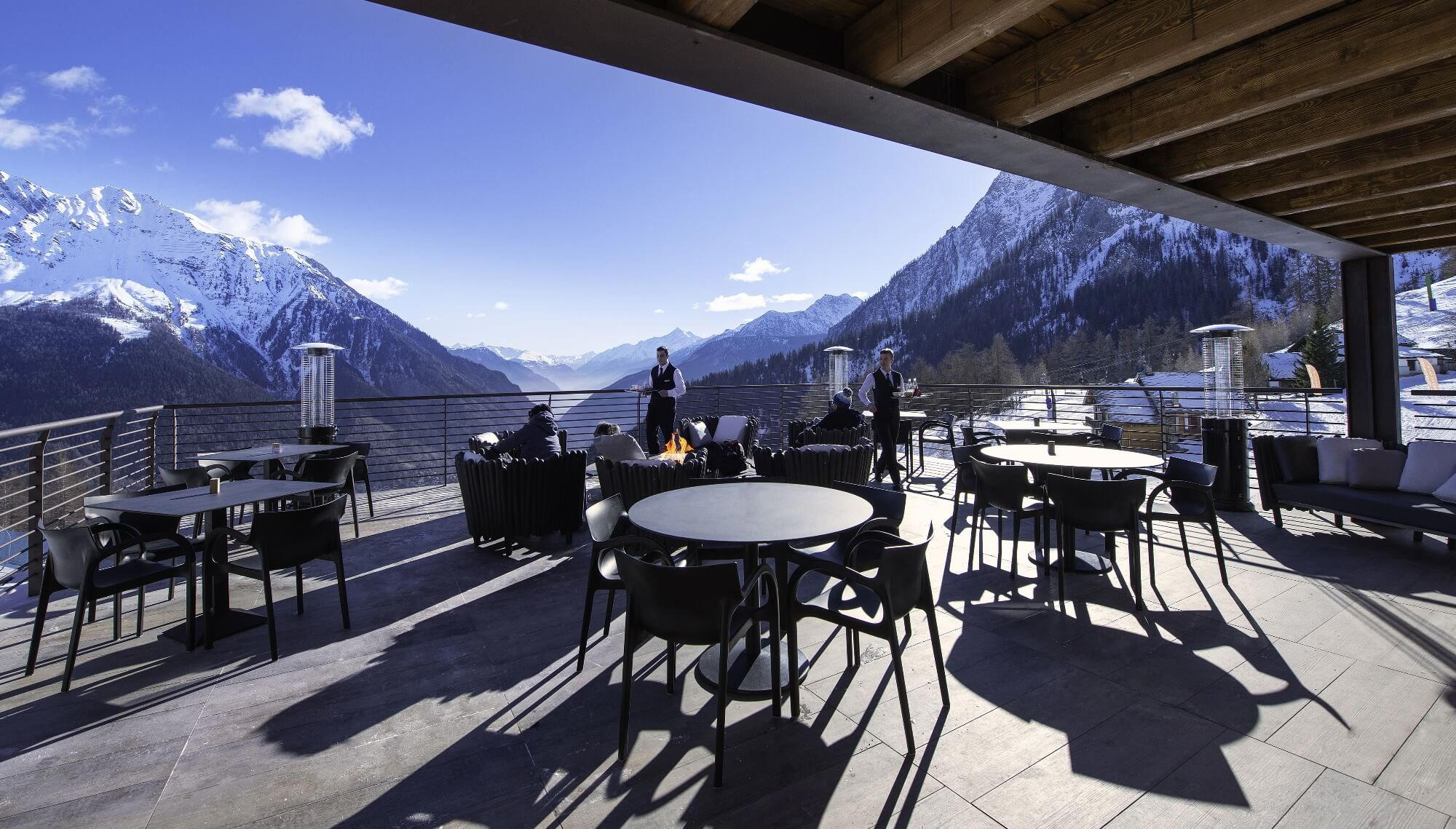
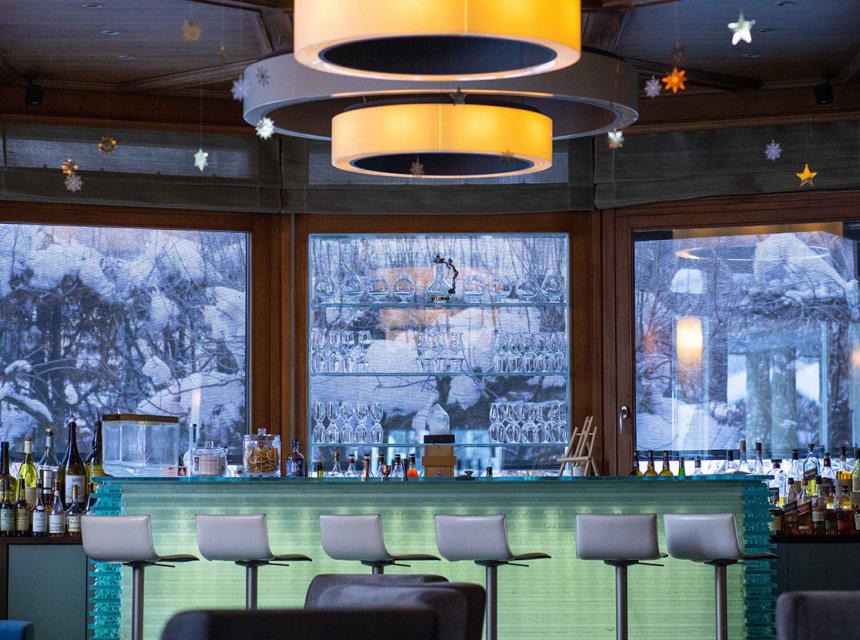
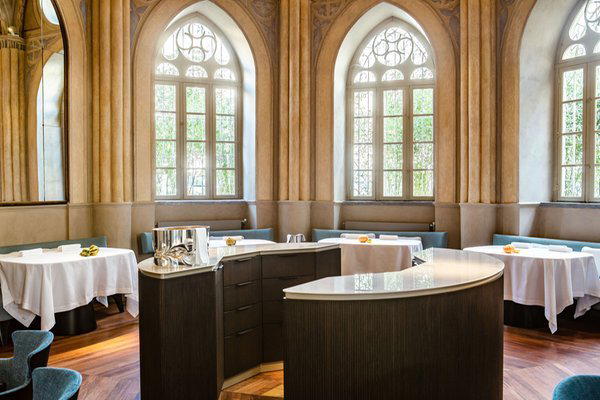
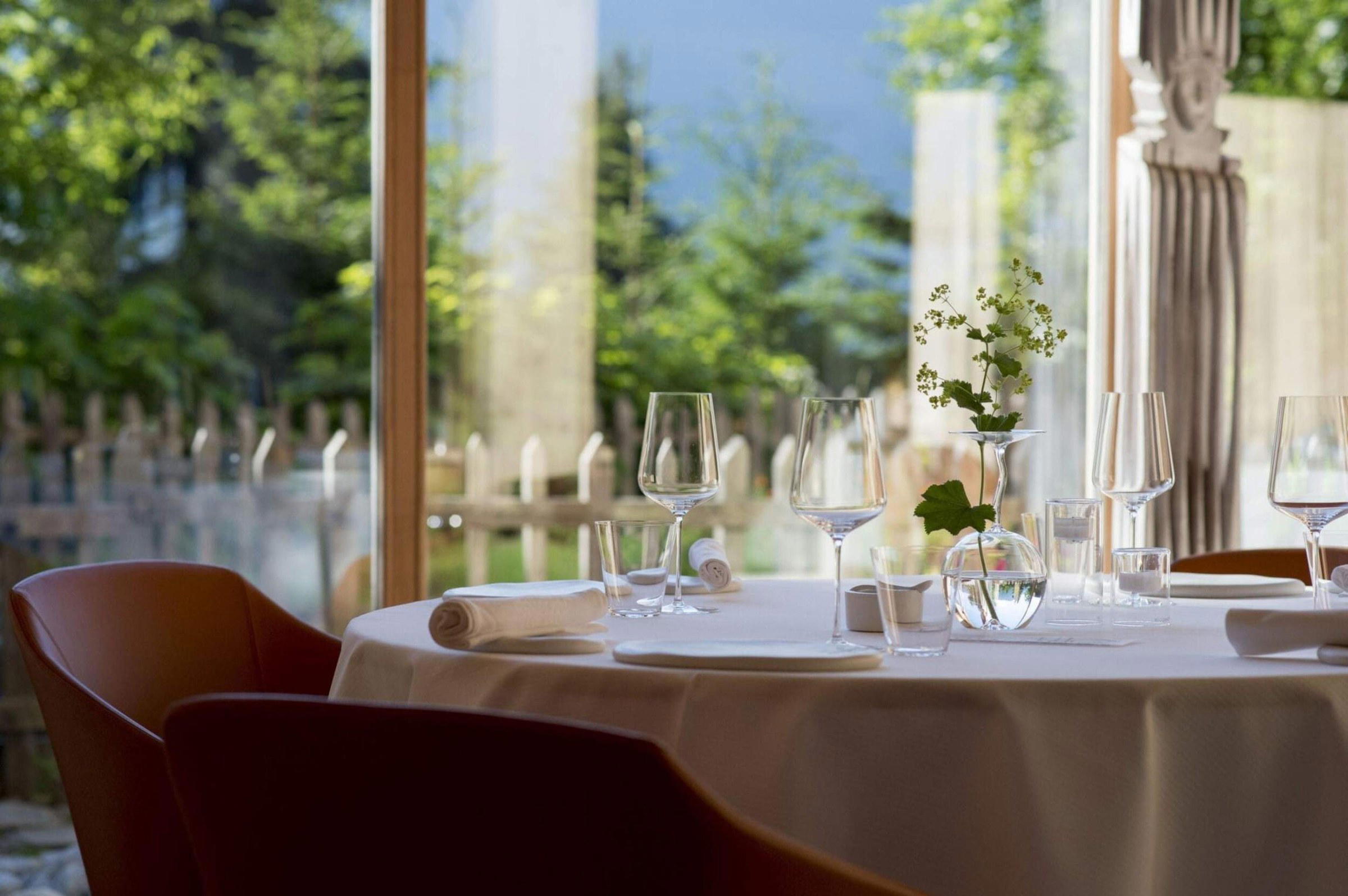
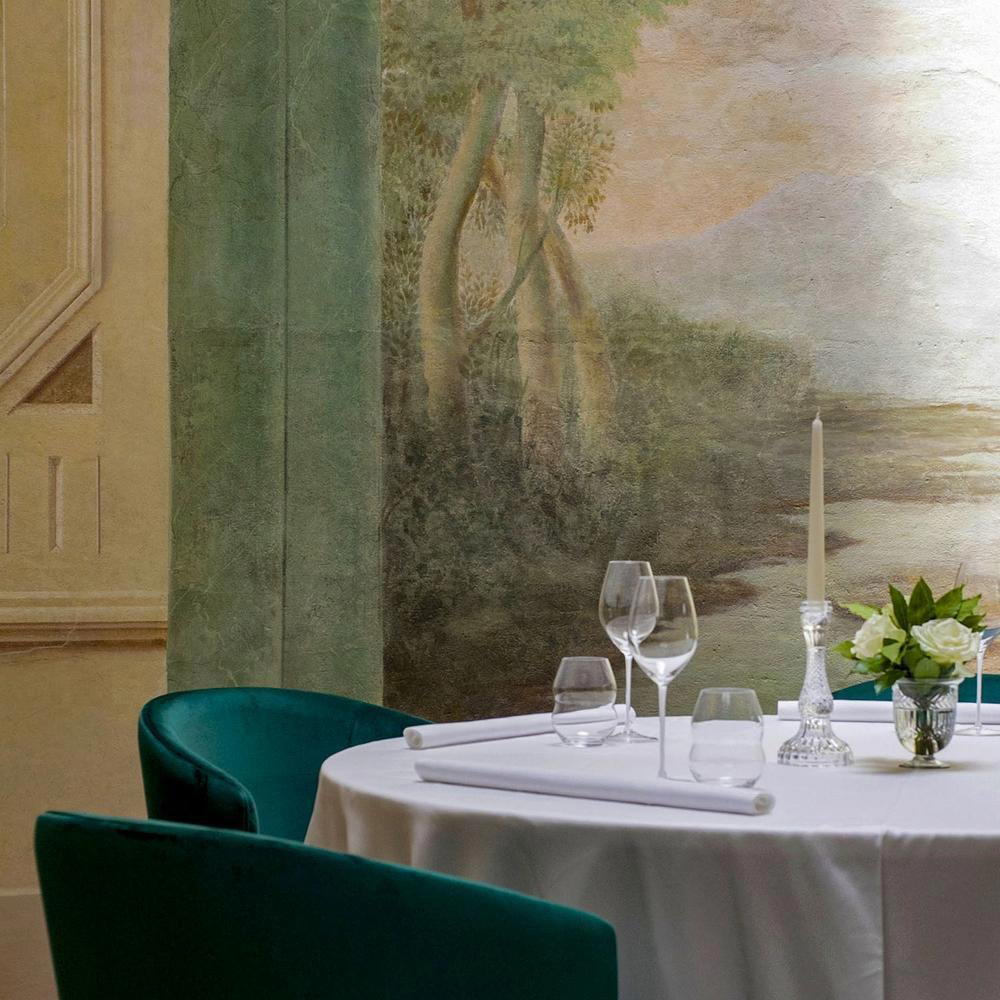
Refined and warm with contemporary designer furnishings, stylish wood-lined bar with cozy lounge spaces, and an enchanting alpine setting designed for relaxation and elegance.