
Tucked into an alleyway in Aosta's historic centre, Stefenelli Desk occupies the vaulted brick stables of an 18th-century palazzo, serving Aosta Valley cuisine with a creative contemporary edge. Holding a Michelin Plate for 2024 and 2025, it sits in the accessible mid-range tier of the city's dining scene, a counterpoint to the higher-priced tasting menus found elsewhere in the valley.
Pearl is the En Primeur Club membership app — saves, bookings, and concierge access live there. Same editors, same standards.
- Address
- Via D'Avise, 14, 11100 Aosta AO, Italy
- Phone
- +39 0165 185 0847
- Website
- stefenellidesk.com
- Directions
- Get directions
 Saves & bookings on Pearl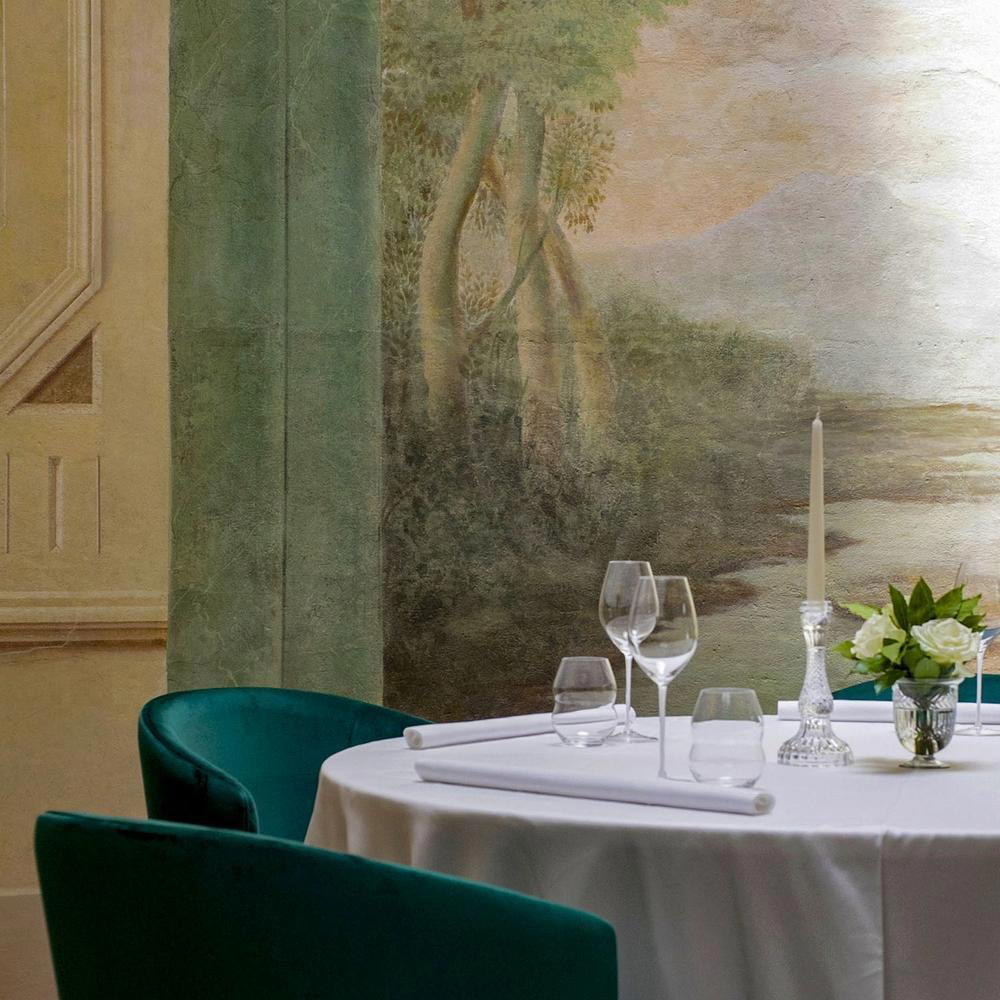
A Vaulted Room in the Old Town
Stefenelli Desk is a Modern Alpine restaurant in Aosta, priced at €€€, with a Michelin Plate recognition in 2024 and 2025. The address on Via D'Avise places you in one of Aosta's characterful alleyways, deep in the historic centre that the Romans laid out and that medieval builders layered over for centuries afterward. From the entrance hall, a staircase descends into what were almost certainly the stables of an 18th-century palazzo, a setting that communicates something about how the Aosta Valley treats its built heritage: not as a stage set, but as functional space repurposed with minimal fuss. Inside, the dining room runs under brick-vaulted ceilings and arches, the kind of architecture that took generations to build and that no amount of interior design spend can replicate. The atmosphere is intimate and materially honest, which is consistent with how the better independent restaurants in this part of Italy tend to approach the question of setting.
Where Stefenelli Desk Sits in Aosta's Dining Order
Aosta's restaurant scene is smaller than its Alpine profile might suggest, but it is not without structure. At the upper end, Paolo Griffa al Caffè Nazionale and Vecchio Ristoro both operate at the €€€€ price tier, with tasting menus and the kitchen investment to match. Gina sits at €€€. Stefenelli Desk, priced at €€, shares its tier with Osteria da Nando, another Aosta Valley cuisine address at the same price point. That positioning matters: the restaurant holds a Michelin Plate for both 2024 and 2025, which is Michelin's signal of good cooking that falls just below star level. At the €€ price range, that recognition is notable. It suggests a kitchen doing more than the price demands, which is exactly the kind of restaurant that warrants attention in any city.9 from 388 reviews adds a second data point.
The Logic of Aosta Valley Cuisine
The cooking at the restaurant belongs to a tradition shaped by altitude, isolation, and a short growing season. Valle d'Aosta cuisine has always been livestock-forward, lard d'Arnad, mocetta (cured chamois or beef), fontina in its many applications, with the kind of caloric density that made sense when residents were moving through mountain terrain in winter. What the contemporary kitchen does with this inheritance varies: some restaurants treat it as a museum exercise, others use it as raw material for something more current. The restaurant's described approach, Aosta valley cuisine with a creative twist, places it in the second camp. The creative modifier, applied to a regional canon, tends to mean that classical preparations are either reconfigured technically or paired with ingredients from outside the traditional range. The Michelin Plate signals that the execution is coherent rather than arbitrary.
Italian contemporary cooking at this level, across the country, is well-documented by the work at restaurants like Osteria Francescana in Modena and Enrico Bartolini in Milan. The regional expression in the Alps, as also seen in Atelier Moessmer Norbert Niederkofler in Brunico, tends to keep a tighter grip on local sourcing than kitchens in coastal or urban centres. That rootedness is part of the product.
Wine in the Valley: What the Glass Should Carry
The editorial angle that makes most sense for the restaurant is the relationship between what is on the plate and what is in the glass. Valle d'Aosta produces some of Italy's most geographically specific wines, Petite Arvine, Fumin, Cornalin, Mayolet, from steep terraced vineyards that are among the highest in Europe. These are not wines with wide international distribution, and the DOC Valle d'Aosta appellation covers a small total production that rarely leaves the region in large volumes. A restaurant committed to Aosta valley cuisine with a creative approach has every reason to build its list around these varieties, because the pairing logic is direct: wines grown at altitude in cold continental conditions carry the acidity and mineral profile that cut through fat-forward alpine preparations.
Petite Arvine in particular has become something of a reference white for the valley, aromatic, with a saline finish that functions well against cured meats and fontina-based dishes. Fumin, the principal local red, tends toward dark fruit and firm tannin, making it a natural partner for game and aged preparations. The wine regions producing at the upper end of Italian fine dining, represented at venues like Enoteca Pinchiorri in Florence and Uliassi in Senigallia, tend toward deep cellar lists with national breadth. At the €€ tier in Aosta, a more focused regional approach is likely and, at this latitude, is the more interesting editorial choice.
Planning a Visit
The restaurant is at Via D'Avise, 14, in Aosta's historic centre, a walkable location for visitors staying in the city proper, and accessible from the main tourist circuits around the Roman theatre and the Cathedral. Aosta itself is a compact city, and the old town is dense with independent restaurants across several price tiers. Those planning around the dining scene should cross-reference with the EP Club Aosta hotels guide, the bars guide, and the experiences guide for a fuller itinerary. The €€ price tier suggests a per-head spend in line with the mid-range of the city's independent restaurants, making it one of the more accessible Michelin-recognised addresses in the region.
A Lean Comparison
Comparable venues nearby, for context on price, style, and recognition.
| Venue | Cuisine | Price | Notes |
|---|---|---|---|
| Stefenelli DeskThis venue — the venue you are viewing | historic centre, Modern Alpine | $$$ | Not listed |
| Gina casa con cucina | Aosta center, Modern Italian | $$$ | Not listed |
| Gina | Not listed | $$$ | Aosta center, Traditional Italian with Local Aosta Flavors |
| Osteria da Nando | Not listed | $$ | historic center, Traditional Valdostan Italian |
| Vecchio Ristoro | Not listed | $$$$ | central Aosta, Contemporary Aosta Valley Cuisine |
| Paolo Griffa al Caffè Nazionale | Not listed | $$$$ | Piazza Emile Chanoux, Contemporary Italian Fine Dining |
Recognition history
Dated appearances from independent guides and award organizations, with the underlying list record or original source where available.
Michelin Plate
Michelin
Michelin Plate
Michelin
Michelin Plate
Michelin
Continue exploring
More in Aosta
Restaurants in Aosta
Browse all →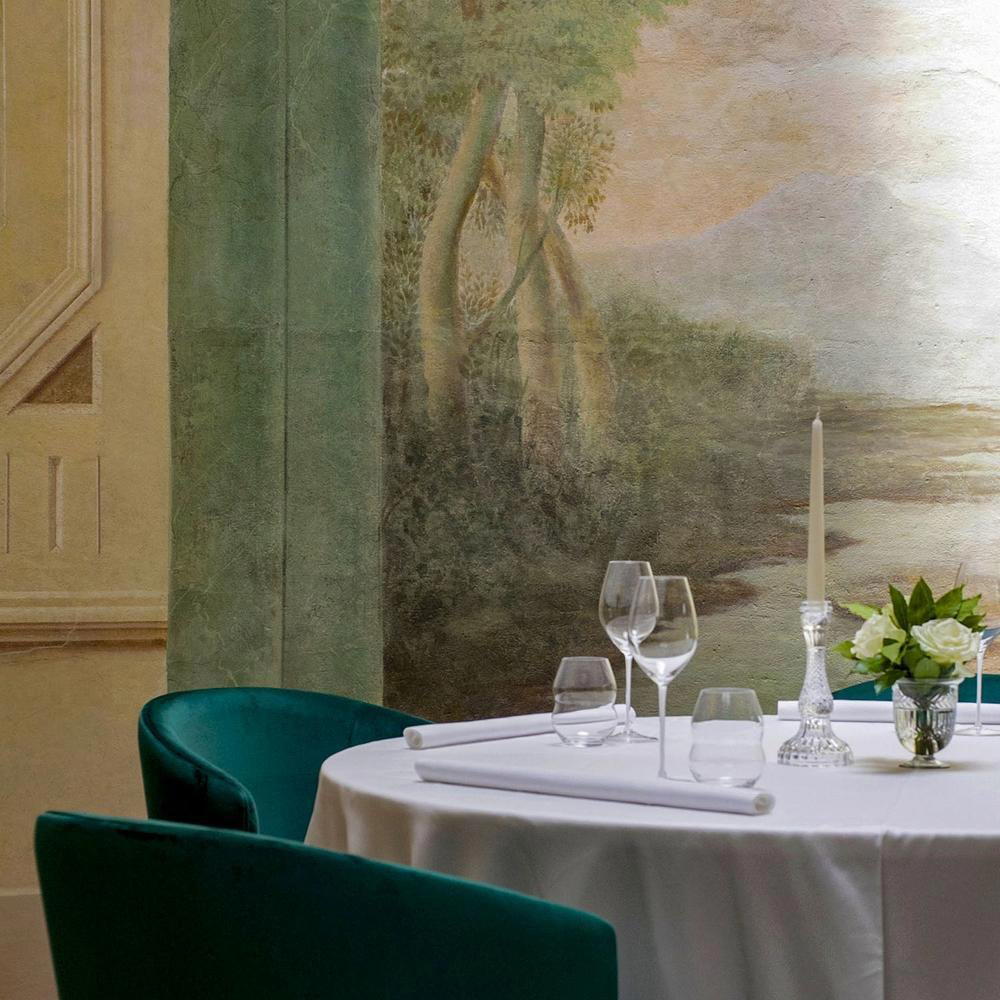
Bars in Aosta
Browse all →
Hotels in Aosta
Browse all →

At a Glance
- Romantic
- Intimate
- Elegant
- Sophisticated
- Historic
- Date Night
- Special Occasion
- Celebration
- Historic Building
- Private Dining
- Design Destination
- Extensive Wine List
- Local Sourcing
Current opening hours
- Monday
- 12:30–2 PM, 7:30–9 PM
- Tuesday
- 12:30–2 PM, 7:30–9 PM
- Wednesday
- Closed
- Thursday
- Closed
- Friday
- 12:30–2 PM, 7:30–9 PM
- Saturday
- 12:30–2 PM, 7:30–9 PM
- Sunday
- 12:30–2 PM, 7:30–9 PM
Hours can change for holidays and private events. Last verified .
Candlelit brick-vaulted ceilings and archways create an atmospheric, secret sanctuary with a suspended quality between ancient and contemporary; intimate and ceremonial.