
Operating since 1957 and recognised with a Michelin Plate in 2025, Osteria da Nando is one of Aosta's most consistent addresses for Valdostan cooking. The menu is grounded in regional tradition: fontina-laced cured meats, cheese fondue, polenta tart with goat's milk gelato, and a wine list of over 100 Aosta Valley labels. Prices sit at the €€ tier, making it accessible without compromising on ingredient quality.
Pearl is the En Primeur Club membership app — saves, bookings, and concierge access live there. Same editors, same standards.
- Address
- Via Sant'Anselmo, 99, 11100 Aosta AO, Italy
- Phone
- +39 0165 44455
- Website
- sites.google.com
- Directions
- Get directions
 Saves & bookings on Pearl
Where the Stone Town Meets the Table
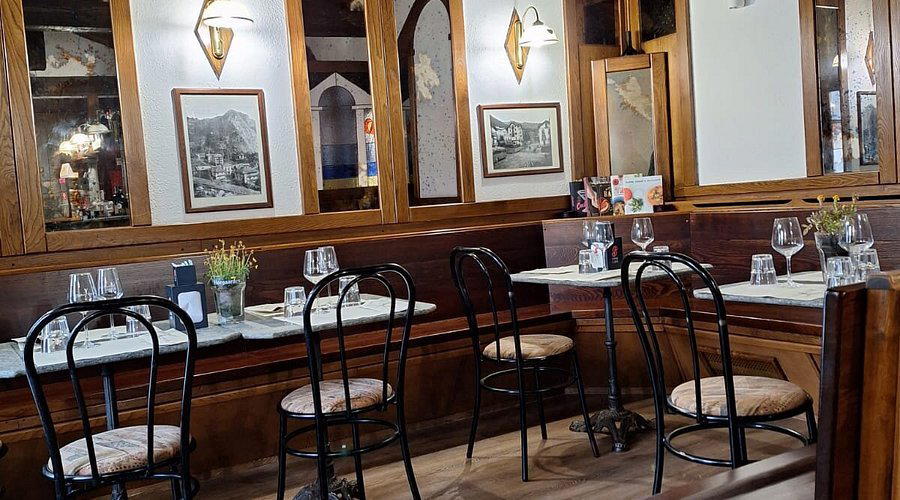
Via Sant'Anselmo runs through the historic centre of Aosta like a spine, its Roman-era stone and medieval overhangs framing the kind of street that rewards slow walking. Osteria da Nando occupies a position at number 99 that feels less like a restaurant address and more like a fixed point in the town's memory. The dining room is simple, no design gestures, no ambient theatre, and that simplicity functions as its own argument. In a valley where the food has always been shaped by altitude, winter, and the logic of what keeps, an atmospheric setting built on character rather than decoration is entirely consistent with what the kitchen does.
Valdostan Cuisine and What It Actually Means
The Aosta Valley sits at the northwestern tip of Italy, enclosed by the highest peaks in the Alps and historically cut off enough from the rest of the country to develop a food culture with its own internal logic. The cuisine here is not Italian in the Emilian or Sicilian sense. It belongs to a mountain continuum that connects the Val d'Aosta with the Savoie and the Swiss Valais: preserved meats, aged cheeses, cornmeal cooked low and slow, dairy fat deployed as a primary flavour rather than a background note. Fontina, the valley's defining cheese, protected by DOP status and produced only here from the milk of Valdostana cows, appears throughout the menu, not as a garnish but as a structural ingredient.
Cured meats at Nando arrive typically alongside fontina, a pairing that is less a menu decision than a regional reflex. Mocetta (cured chamois or beef), lardo d'Arnad (protected since 1996 under IGP), and boudin (a blood-and-potato sausage distinctive to the valley) represent a tradition of preservation that developed before refrigeration and has since been absorbed into the identity of the place. The fondue here follows the Valdostan model rather than the Swiss: fontina melted with egg yolks and butter, served with croutons or poured over polenta, thicker and more restrained than its Swiss cousin.
Polenta itself sits at the centre of alpine cooking across the arc from Friuli to the Rhône Valley, and the version at Nando, presented as a rustic tart paired with goat's milk gelato, uses the format to navigate between savoury and sweet in a way that is specific to this part of the world. The rothia, a dessert of white wine custard, spiced bread, and cinnamon, belongs to the same logic: intensely flavoured, built from ingredients that survive cold storage, carrying the weight of a winter kitchen.
Opened in 1957: What Continuity Signals in This Context
Restaurants that survive across multiple generations in small alpine towns do so by serving a function beyond dining. Osteria da Nando has been operating since 1957, a span that covers the postwar rural exodus, the development of Aosta as a transit and ski-access hub, and the subsequent growth of food tourism in the valley. That continuity is a data point, not just a warm story: places that hold their position in tight, knowledgeable local markets for nearly seven decades do so because they remain useful to the people who know the options. The Michelin Plate recognition confirms that the kitchen has maintained standards into the present, not coasted on historical status.
Within Aosta's current restaurant tier, Nando occupies a different register from its immediate peers. Vecchio Ristoro and Paolo Griffa al Caffè Nazionale operate at the €€€€ level, with tasting formats and the kind of creative ambition that competes regionally and nationally. Gina sits at €€€ with a modern cuisine approach. Nando's €€ price point, sustained since before most of those restaurants existed, positions it as the entry point for serious Valdostan cooking rather than a budget fallback.
The Wine List as a Regional Document
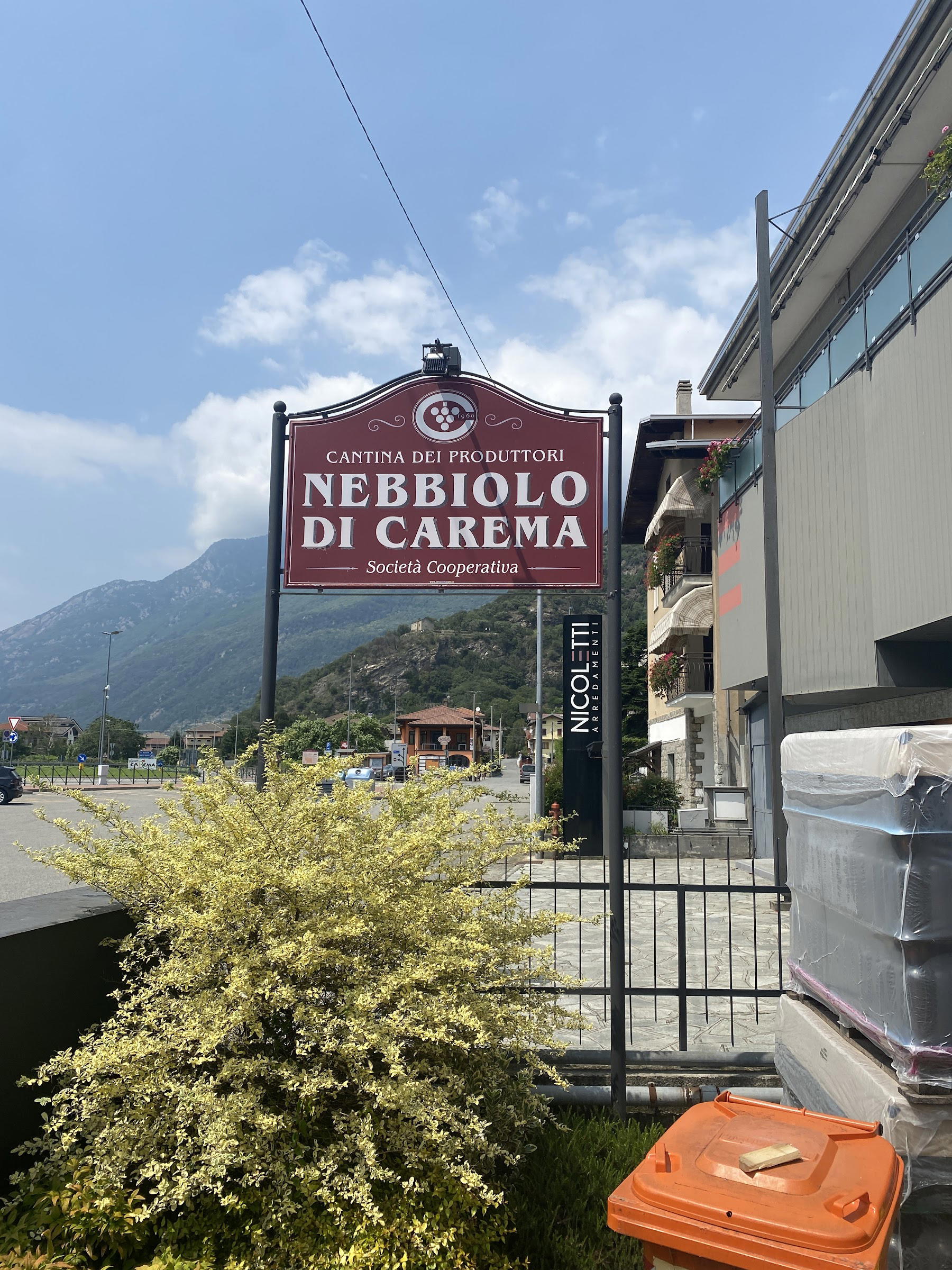
With over 100 labels focused on the Aosta Valley, the wine list at Nando functions as something closer to a regional survey than a restaurant wine list. The valley's DOC encompasses a run of micro-appellations from Morgex, at 1,200 metres, where Blanc de Morgex et de La Salle is produced from ungrafted Prié Blanc vines, down to Donnas in the east, where Nebbiolo grown on steep granite slopes produces wines structurally closer to northern Piedmont than to anything else in the valley. The fact that many labels are available by the glass makes the list genuinely navigable for a single sitting rather than a reference document for collectors.
This is unusual for a €€ osteria. At comparable price points in other Italian regions, the wine list is typically regional only in name, with a few local bottles alongside a generic national selection. A list of this depth, focused almost entirely on a wine region that produces a fraction of one percent of Italy's total output, reflects an investment in regional coherence that goes beyond the obvious commercial logic.
Where Nando Sits in the Broader Italian Osteria Tradition
The osteria as a format, neighbourhood-scale, ingredient-driven, wine-serious, without the performative ambition of a ristorante, has been under structural pressure across Italy for decades, squeezed between the casualisation of trattorias and the internationalisation of fine dining. Institutions such as Osteria Francescana in Modena have reconceived the format entirely upward into global fine dining, while the middle tier has thinned in many cities. What survives at the neighbourhood end of the spectrum, particularly in smaller towns with strong culinary identity, tends to survive because it remains genuinely local in sourcing, menu logic, and customer base.
Other Italian addresses that draw Michelin attention for ingredient quality and regional fidelity rather than technical ambition include Dal Pescatore in Runate and, at a different register entirely, Quattro Passi in Marina del Cantone. The common thread across those addresses and Nando is that the Michelin recognition reflects depth in a specific tradition rather than the ambition to transcend it. At the higher technical end, Enoteca Pinchiorri in Florence, Enrico Bartolini in Milan, Uliassi in Senigallia, and Atelier Moessmer Norbert Niederkofler in Brunico represent a different category of Italian dining altogether. Nando does not compete with those addresses and does not need to.
Planning a Visit
Osteria da Nando is located at Via Sant'Anselmo, 99, in the heart of Aosta's historic centre, within easy walking distance of the Roman theatre, the Arch of Augustus, and the central Piazza Chanoux.
Budget and Context
Comparable venues nearby, for context on price, style, and recognition.
| Venue | Cuisine | Price | Awards | Notes |
|---|---|---|---|---|
| Osteria da NandoThis venue — the venue you are viewing | Cuisine from the Aosta Valley | $$ | Michelin Plate | Not listed |
| Gina casa con cucina | Aosta center, Modern Italian | $$$ | Michelin Plate | Not listed |
| Stefenelli Desk | historic centre, Modern Alpine | $$$ | Michelin Plate | Not listed |
| Gina | Not listed | $$$ | Michelin Plate | Aosta center, Traditional Italian with Local Aosta Flavors |
| Vecchio Ristoro | Not listed | $$$$ | Michelin 1 Star | central Aosta, Contemporary Aosta Valley Cuisine |
| Paolo Griffa al Caffè Nazionale | Not listed | $$$$ | Michelin 1 Star | Piazza Emile Chanoux, Contemporary Italian Fine Dining |
Recognition history
Dated appearances from independent guides and award organizations, with the underlying list record or original source where available.
Michelin Plate
Michelin
Michelin Plate
Michelin
Michelin Plate
Michelin
Continue exploring
More in Aosta
Restaurants in Aosta
Browse all →
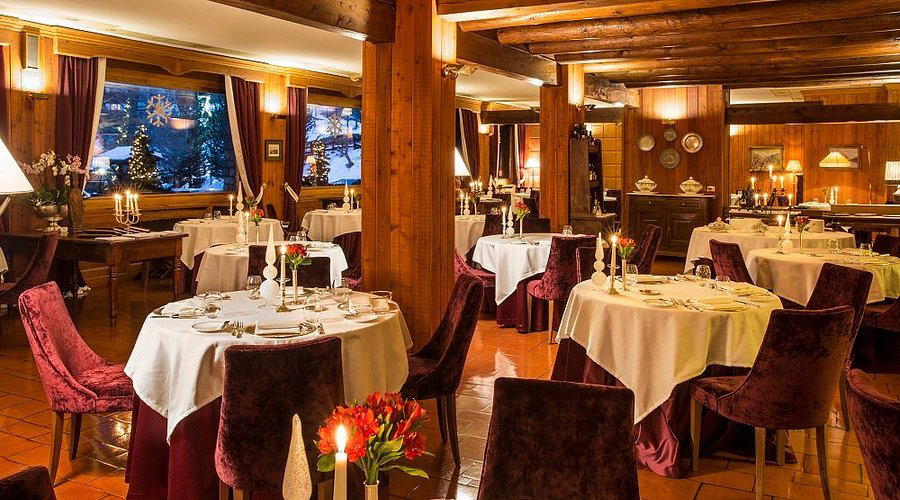
Bars in Aosta
Browse all →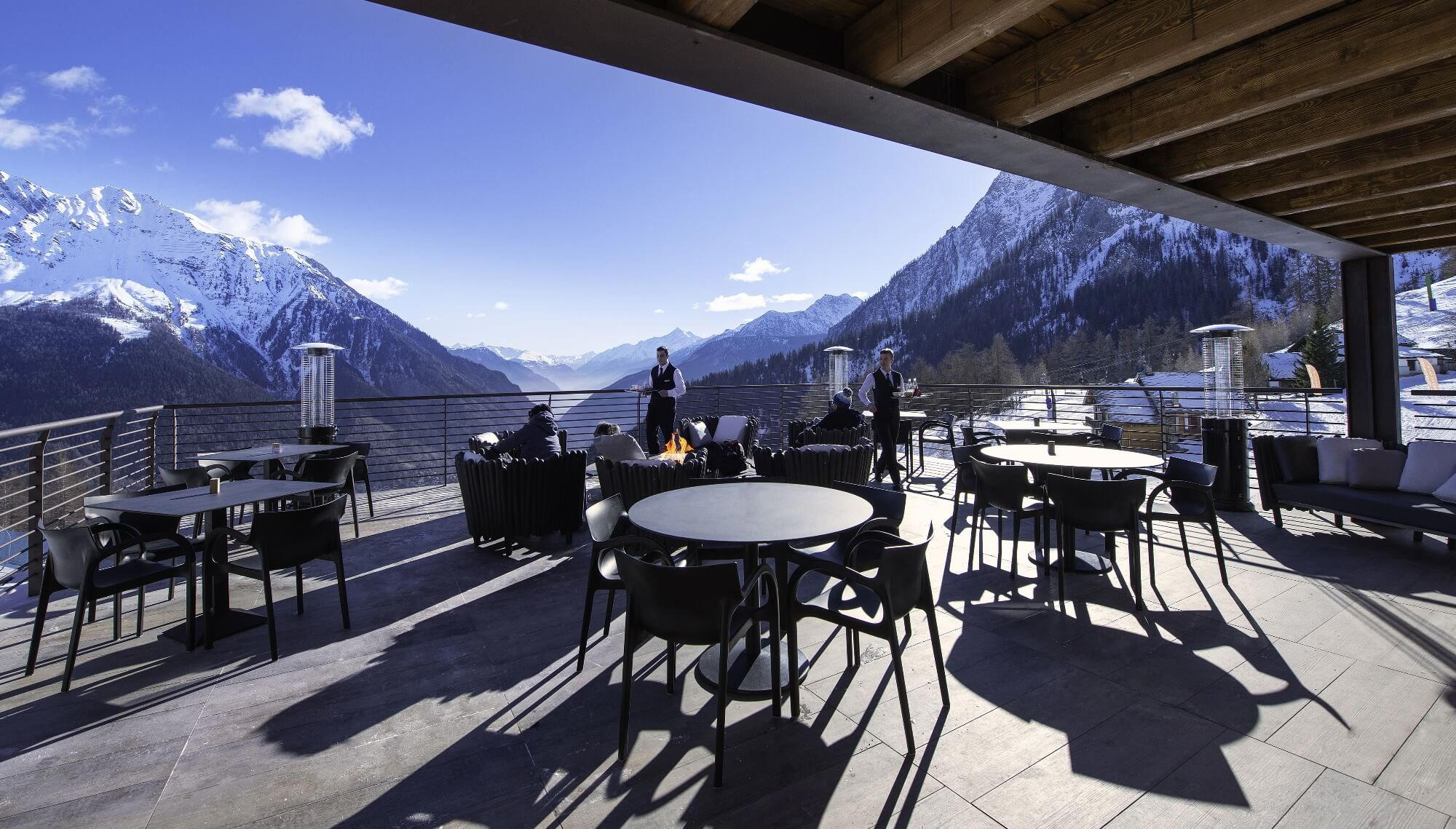
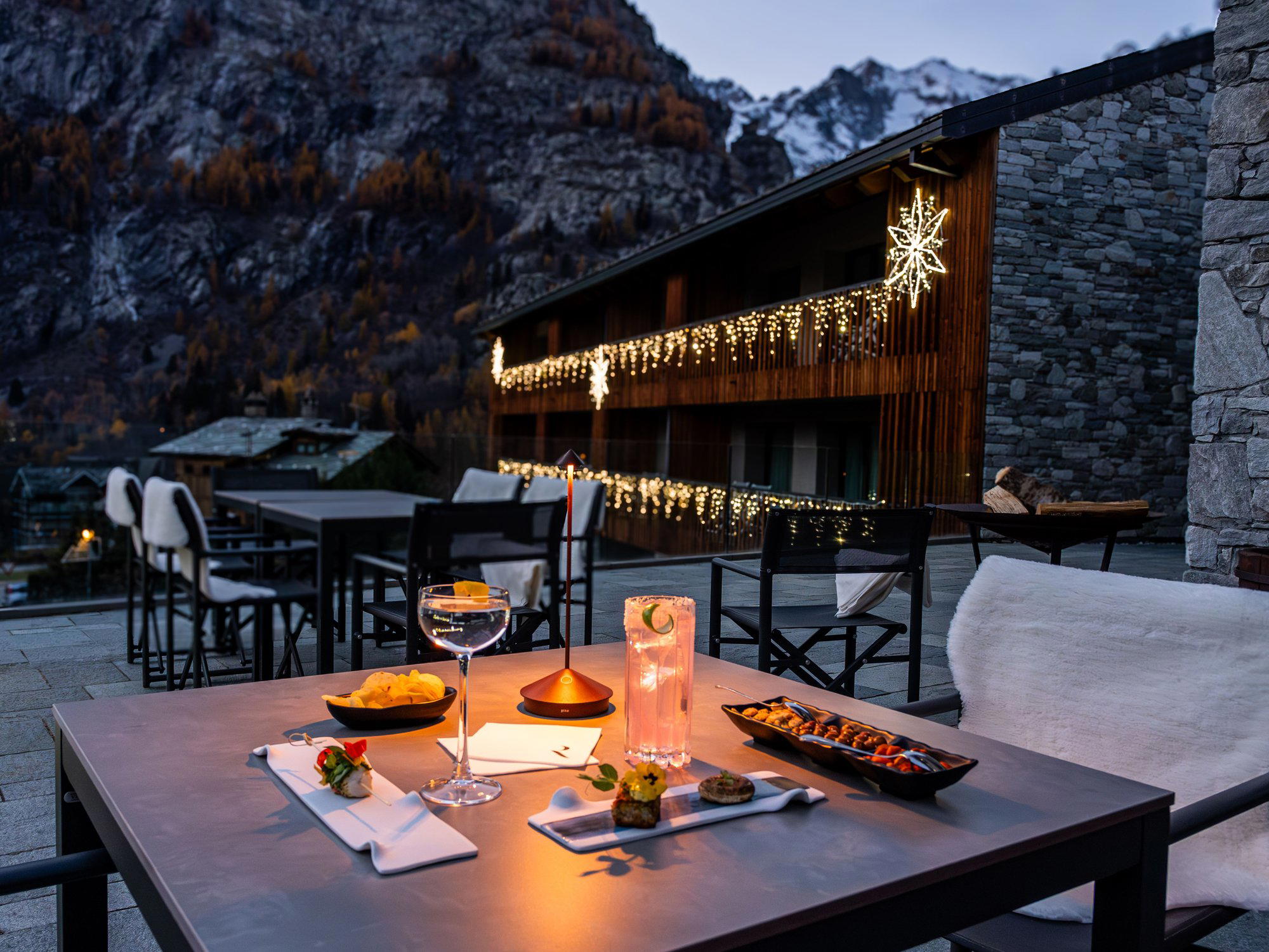
Hotels in Aosta
Browse all →

At a Glance
- Cozy
- Rustic
- Intimate
- Classic
- Date Night
- Special Occasion
- Historic Building
- Extensive Wine List
- Local Sourcing
Current opening hours
- Monday
- 12:15–2 PM, 7:15–9:30 PM
- Tuesday
- Closed
- Wednesday
- 7:15–9:30 PM
- Thursday
- 12:15–2 PM, 7:15–9:30 PM
- Friday
- 12:15–2 PM, 7:15–9:30 PM
- Saturday
- 12:15–2 PM, 7:15–9:30 PM
- Sunday
- 12:15–2 PM, 7:15–9:30 PM
Hours can change for holidays and private events. Last verified .
Simple yet atmospheric setting with a cozy, welcoming vibe praised for its intimate scale and warm family service.