Valois Restaurant
Our verdict
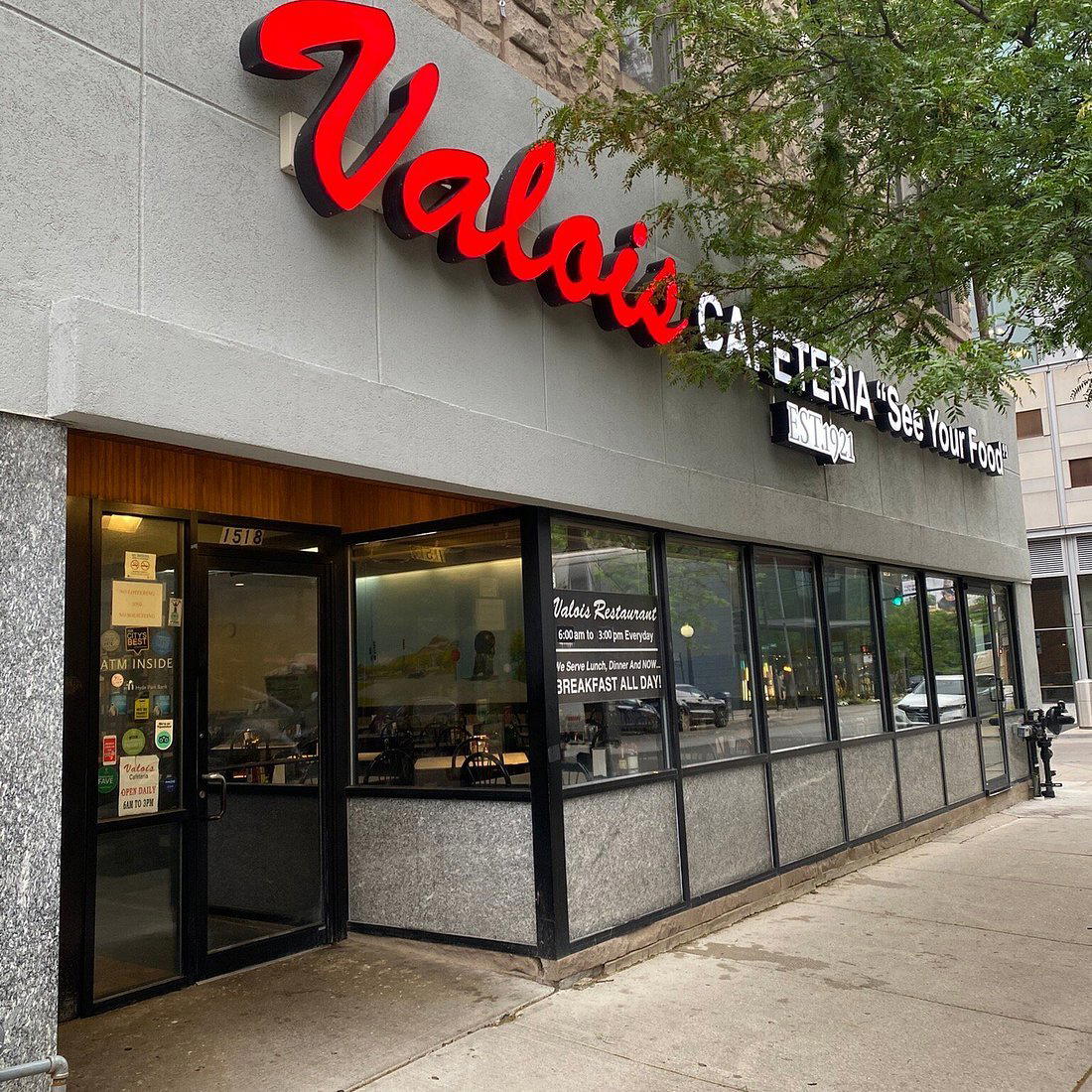
Valois Restaurant has anchored the Hyde Park neighborhood at 1518 E 53rd Street for decades, drawing a cross-section of University of Chicago faculty, South Side regulars, and first-time visitors drawn by its reputation for straightforward, cafeteria-style American cooking. The format is transparent and unpretentious: a visible line, a short menu built around dailiness, and a room that functions as something close to a public institution.

Pearl is the En Primeur Club membership app — saves, bookings, and concierge access live there. Same editors, same standards.
- Address
- 1518 E 53rd St, Chicago, IL 60615
- Phone
- (773) 667-0647
- Hours
- Daily 6 AM–3 PM
- Website
- valoisrestaurant.com
- Directions
- Get directions
The menu
What to order
- New York steak and eggs
- Roast Beef
- Chopped Steak
Hyde Park's Cafeteria Counter and What It Says About Chicago's Dining Spectrum
On 53rd Street in Hyde Park, a neighborhood defined by the intellectual weight of the University of Chicago and the residential density of Chicago's South Side, a certain kind of restaurant survives not on novelty but on consistency. Valois Restaurant sits on that block as a functioning artifact of how American neighborhoods once organized their daily eating: a cafeteria line, a short rotating menu, a room where the clientele spans income levels, occupations, and ages without anyone apparently noticing. That format is increasingly rare in a city whose premium dining scene has consolidated around tasting-menu counters and reservation-only rooms.
Chicago's restaurant conversation tends to center on the river north corridor or the West Loop, where Alinea, Smyth, and Oriole operate at the upper register of American fine dining, with prix-fixe formats, long booking windows, and price points that sit well above $200 per person. The South Side runs a different current. Here, the dining grammar is more immediate: counter service, cash-friendly pricing, and a menu structured around what people actually eat on weekday mornings and afternoons. Valois fits that grammar without apology.
The Line as Menu Architecture
The cafeteria format is itself a kind of menu philosophy. At Valois, the structure is visible from the moment you enter: you move through the line, read what's available above the counter, point, and pay. There is no curated tasting sequence, no intermezzo, no amuse-bouche signaling the kitchen's ambitions. The architecture is additive rather than narrative. You build a plate from what's offered that day, which means the menu is legible in seconds rather than minutes.
This approach sits at the opposite end of the structural spectrum from the formats that currently dominate American fine dining coverage. Operations like Next Restaurant or Kasama deploy menus as carefully sequenced arguments about a cuisine or a season. The cafeteria line makes no such argument. It offers legibility and democratic access: whatever is in the warming trays is what exists, priced to be visible and chosen without negotiation. That transparency is its own editorial position, even if it is never framed that way.
The broader pattern this reflects is not unique to Chicago. Cafeteria-style diners once served as the baseline infrastructure of American urban eating, functioning as community dining rooms before the restaurant industry bifurcated so sharply between fast food and formal dining. Valois is one of the surviving examples of that middle register, which is why it draws the cross-section it does. The room accommodates everyone from graduate students to retired South Siders to occasional visitors who have read about the place in the context of Hyde Park's institutional life.
Hyde Park Context and Neighborhood Position
Hyde Park is not a neighborhood that appears often in national food media. It lacks the restaurant density of the West Loop, the bar culture of Wicker Park, or the chef-driven experimentation visible in neighborhoods further north. What it has is a concentrated, educated, and locally loyal customer base shaped by the university, by several decades of neighborhood advocacy, and by a residential character that resists the kind of gentrification-driven restaurant turnover visible elsewhere in the city. In that environment, longevity is its own credential. A restaurant that has served the same block for an extended period earns a different kind of trust than one that opens with a publicist and closes within three years.
For visitors building a Chicago itinerary around the full dining spectrum, from the $300 tasting menus at Smyth to the daily-rotation format at Valois, the South Side detour requires a specific kind of appetite for context. Hyde Park is a forty-minute ride from the Loop by the Metra Electric line, or a shorter trip by rideshare. The neighborhood itself warrants time beyond the meal: the Museum of Science and Industry sits nearby, and the University of Chicago's campus architecture gives the area a density of visual interest that most Chicago neighborhoods lack. Visiting Valois as an isolated transaction misses what makes it worth the trip.
Where Valois Sits in the National Spectrum of American Diner Culture
Compared to the destinations that currently generate most of the editorial attention in American dining, Valois operates in a register that rarely receives formal critical treatment. The restaurants that earn sustained coverage in national publications tend to be places like Le Bernardin in New York City, The French Laundry in Napa, or Blue Hill at Stone Barns in Tarrytown: operations where the menu is an extended thesis and the kitchen brigade is credited by name. Valois is the other end of that spectrum, and the contrast is useful for anyone thinking seriously about what American restaurant culture actually comprises.
The cafeteria format has peers across American cities: long-running operations in New Orleans, institutional diners in San Francisco, neighborhood counters in Los Angeles that predate the current premium-casual wave. What they share is a structural commitment to access over experience design. The food is hot, the portions are visible before you commit, and the social contract is clear. That directness has become its own form of distinction as the average price per head at formally reviewed American restaurants has risen substantially over the past decade.
For context on how differently Chicago's premium tier is structured, a single dinner at Oriole or Alinea can cost more than a week of meals at a place like Valois. That gap is not a failing of either end; it is a description of how American dining has stratified. Operations at the premium tier, from Lazy Bear in San Francisco to Addison in San Diego to The Inn at Little Washington, are optimized for a specific audience willing to pay for format and occasion. Valois is optimized for frequency and community function, which is a different design brief entirely.
Planning a Visit
Valois Restaurant is located at 1518 E 53rd Street in Hyde Park, Chicago. The cafeteria format means no reservation is required and no advance planning is necessary beyond getting there during operating hours. For visitors whose Chicago itinerary already includes the higher end of the city's dining spectrum, Valois works well as a counterpoint, particularly if the visit to Hyde Park includes time at the Museum of Science and Industry or a walk through the university campus. The neighborhood is accessible by public transit and, unlike many of Chicago's restaurant-dense neighborhoods, offers free street parking without significant difficulty. For a fuller picture of where this fits within the city's dining geography, the EP Club Chicago restaurants guide covers the full range from neighborhood institutions to the tasting-menu tier.
Frequently asked questions
What's the signature dish at Valois Restaurant?
How hard is it to get a table at Valois Restaurant?
What is Valois Restaurant known for?
Can Valois Restaurant accommodate dietary restrictions?
Does Valois Restaurant justify its prices?
Is Valois Restaurant a good option for visitors staying outside Hyde Park?
Where It Fits
Comparable venues nearby, for context on price, style, and recognition.
| Venue | Cuisine | Price | Awards | Notes |
|---|---|---|---|---|
| Valois RestaurantThis venue — the venue you are viewing | Classic American Diner | $10–20 | Not listed | Not listed |
| White Palace Grill | Classic American Diner | $10–20 | Diners, Drive-Ins and Dives Featured Restaurant | West Side |
| Margie's Candies | Classic American Ice Cream Parlor & Candy Shop | $10–20 | Not listed | Bucktown |
| Lucky's Sandwich Co. | Overstuffed Deli Sandwiches | Not listed | Not listed | Lake View |
| Byron's Hot Dogs | Chicago-Style Hot Dogs | $10–20 | Not listed | Lake View |
| Wolfy's | Chicago-Style Hot Dogs & Deli | $10–20 | Not listed | West Ridge (West Rogers Park) |
Details
- Classic
- Cozy
- Well Known
- Casual Hangout
- Brunch
- Family
- Historic Building
- A La Carte
- Vegetarian Friendly
Current opening hours
- Monday
- 6 AM–3 PM
- Tuesday
- 6 AM–3 PM
- Wednesday
- 6 AM–3 PM
- Thursday
- 6 AM–3 PM
- Friday
- 6 AM–3 PM
- Saturday
- 6 AM–3 PM
- Sunday
- 6 AM–3 PM
Hours can change for holidays and private events. Last verified .
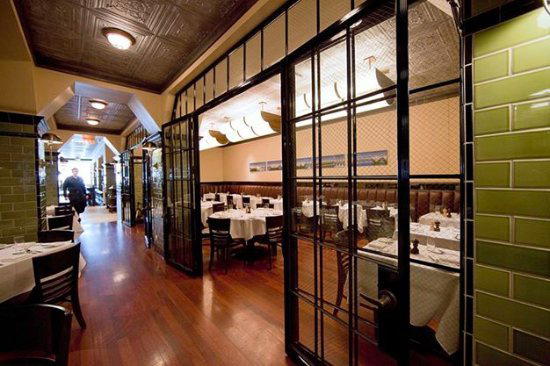
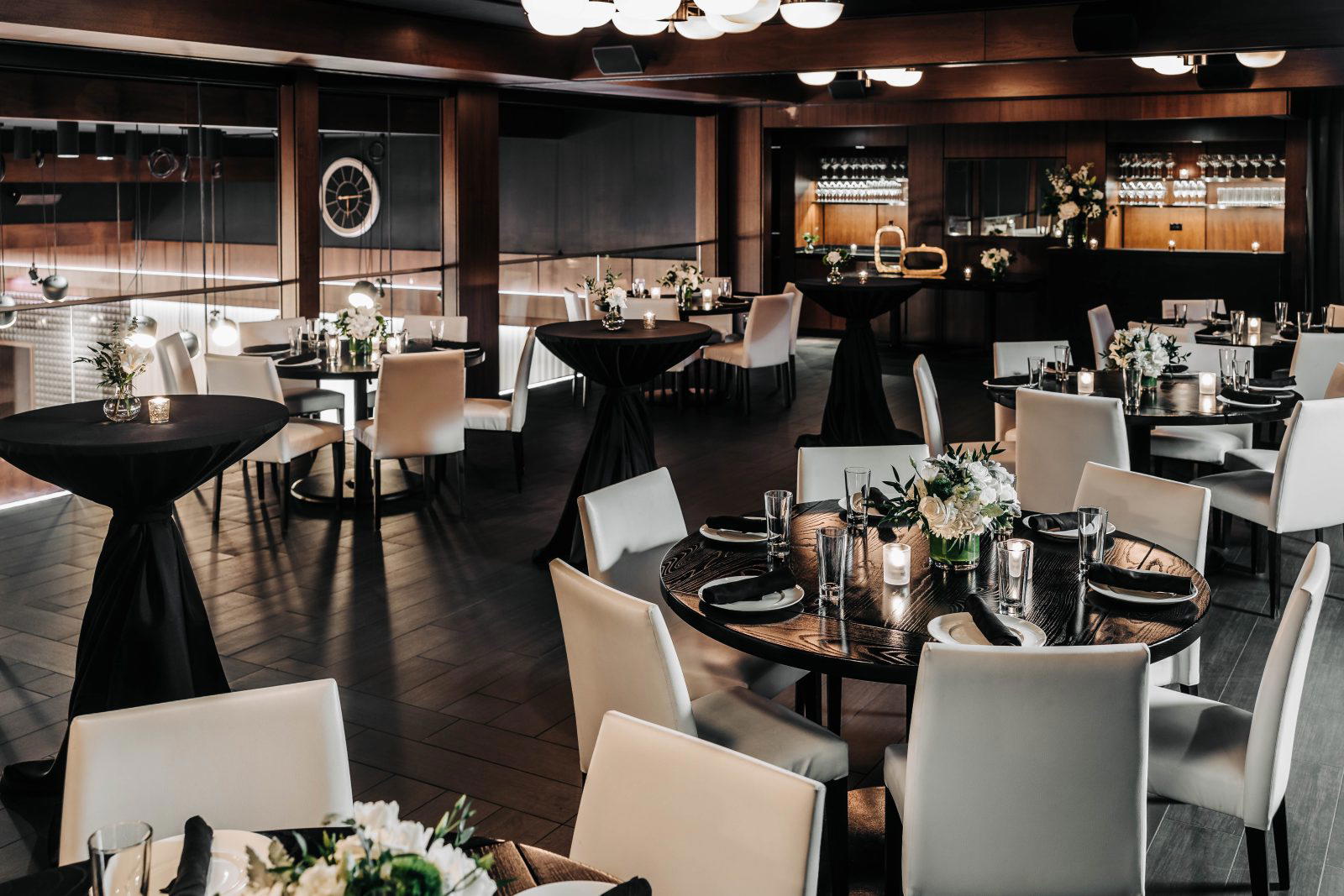
Bright space with skylights, impressionist murals of Chicago landmarks, worn black chairs, and a vintage Americana diner atmosphere.