
Tabelog 100 #63
Our verdict
Kamezou gives Sabae a serious soba address without the ceremony or pricing of Japan’s destination counters. Its Tabelog 100 Soba WEST 2025 selection, modest JPY 1,000–1,999 range, and compact 20-seat format place it in the category of regional noodle shops where sourcing, milling, and texture matter more than luxury signals.

Pearl is the En Primeur Club membership app, where members save venues, book tables and use the concierge.
The menu
What to order
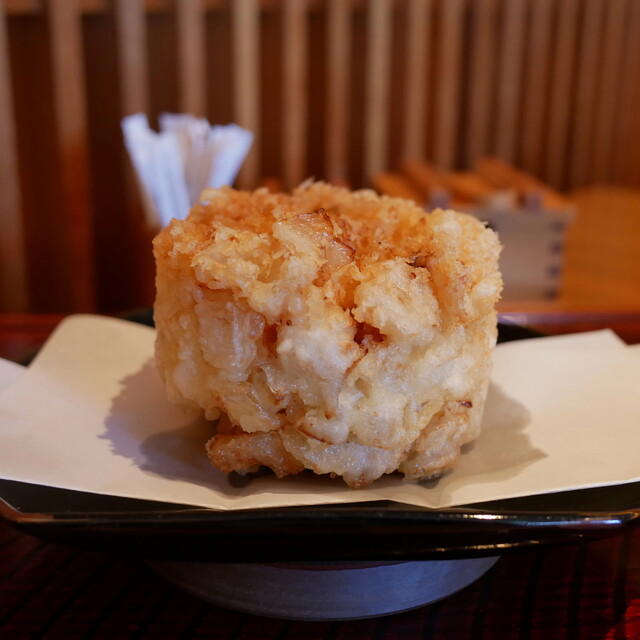
- Kakiage oroshi soba
- Kakiage seiro soba
- Kakiage kake soba
- Soba tofu
- Soba grain mentai ae
- Jidori and mushroom dipping soba
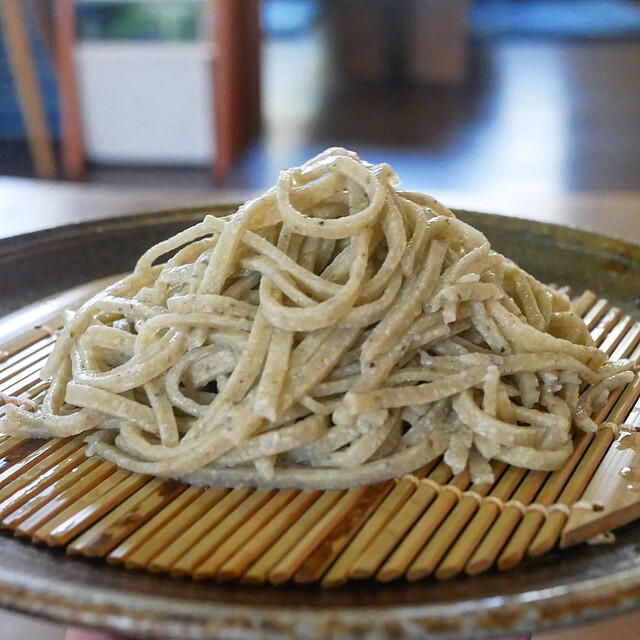
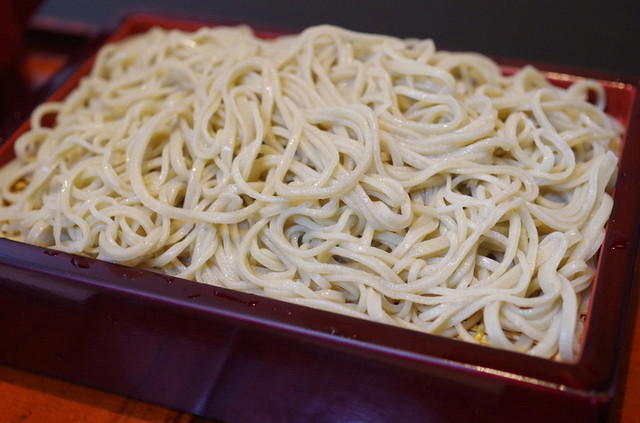
In Sabae, a city better known to many travelers for craft and local industry than restaurant pilgrimages, a soba meal can have a different rhythm from the big-city tasting counter. The point is not theatrical arrival. It is a tighter grammar: buckwheat, water, cut, boil, dip, repeat. Kamezou belongs to that school of Japanese dining, where the meal’s authority sits in restraint and repetition rather than in a long menu arc.
That matters because soba is one of Japan’s clearest tests of ingredient handling. Buckwheat has little tolerance for disguise. Regional shops are often judged on texture, aroma, noodle width, dipping balance, and the discipline of service timing. In Fukui, where soba gives the prefecture a strong noodle identity, a serious soba shop is not an accessory to travel; it is one of the more direct ways to read the local table.
Fukui soba culture rewards grain, cut, and restraint
The 2025 Tabelog Hyakumeiten recognition gives Kamezou a useful external marker, especially outside the larger restaurant circuits of Tokyo, Kyoto, and Osaka. Tabelog’s Hyakumeiten lists tend to favor category specialists rather than broad luxury dining, so inclusion says something precise: this is a soba address being measured within a specialist context, not against general Japanese restaurants or multi-course kaiseki rooms.
The category itself keeps expectations honest. Soba at this level is not about a parade of plates. It is about whether the kitchen can make buckwheat feel clean and structured without leaning on excess. Deep-fried dishes and Japanese cuisine appear in the broader category listing, but the editorial center is buckwheat noodles and the decisions around them: how the noodle carries water, how the dipping sauce frames grain, and how quickly the bowl reaches the table after cooking.
That ingredient angle is the reason regional soba can be more revealing than a high-ticket dinner. Buckwheat varies by harvest and milling, and water changes the way dough behaves. Fukui’s noodle tradition also resists over-decoration. Local soba culture shows how the prefecture tends to value sharpness and clarity over sweetness or richness. Kamezou sits inside that conversation rather than outside it as a tourist novelty.
For readers mapping Sabae’s dining scene, the contrast is useful. ときの蔵 and 九龍飯店 point to other local registers, while Our full Sabae restaurants guide gives the broader spread. Kamezou’s lane is narrower: a soba specialist with enough recognition to justify a detour, but not the pricing posture of a formal destination meal.
A focused format changes the way soba is read
The format is part of the judgment. A soba-focused restaurant keeps the experience closer to a specialist noodle meal than a staged culinary format. The setting should be read through the food rather than through assumptions about luxury service. That matters in a city where a meal may sit between craft visits, shopping, train connections, or a low-key regional itinerary.
Recognition has not pushed the restaurant into a luxury bracket. The listed price range of JPY 1,000–1,999 keeps it closer to everyday regional dining than to Japan’s reservation-driven prestige economy. That gap is exactly why the address is interesting: the award signal and the price signal do not point in the same direction. In major cities, specialist recognition can become a pricing accelerant. In Sabae, the appeal is more practical and more local, a serious bowl without the inflated choreography around it.
There is also a useful comparison beyond the city. Soba Kura Tanigawa, another soba specialist, shows how the category can sustain critical attention without requiring a luxury frame. Tsukihi and Iida sit in different culinary registers, so they are less helpful as direct comparisons. The better reading is categorical: soba shops should be judged against other noodle specialists, not against restaurants whose value comes from tasting-menu architecture or chef-led narrative.
That distinction protects the meal from the wrong expectations. A diner looking for ceremony, extended pacing, or a chef biography as the central drama is misreading the format. A diner interested in regional food systems, buckwheat craft, and the small decisions that separate ordinary noodles from disciplined ones is closer to the point.
How to place it in a Sabae itinerary
Sabae rewards travelers who think in clusters rather than single monuments. The city’s food scene is smaller than Kanazawa’s or Kyoto’s, but that can work in its favor: restaurant choices are easier to connect to daily life, and a soba lunch can sit naturally alongside craft, shopping, or transit rather than requiring an entire evening. For lodging context, Our full Sabae hotels guide is the sensible starting point; for after-hours planning, use Our full Sabae bars guide, Our full Sabae wineries guide, and Our full Sabae experiences guide.
The wider Japan dining map also helps frame expectations. Beef-focused stops, izakaya-style addresses, and casual urban rooms each ask to be read through a different lens. So do other specialist counters, curry shops, cafes, and neighborhood dining rooms across Japan. Kamezou’s value is quieter: it is a regional soba decision, not a genre-hopping night out.
For travelers building a broader Japan itinerary, the comparison can stretch further without turning into a ranking exercise. Other single-category restaurants show how focus can work across different price and format bands. Even Japanese-adjacent references overseas underline the same point: the more specific the category, the more the details matter. At Kamezou, those details begin with buckwheat and end with whether the room lets the noodles stay central.
Frequently asked questions
Is Kamezou child-friendly?
Kamezou is a soba-focused restaurant in Sabae. Families should check the venue's official channels for the latest seating and service details before visiting.
What should I expect atmosphere-wise at Kamezou?
Expect a soba-focused Japanese dining room in Sabae, with buckwheat noodles at the center of the experience. Check the venue's official channels for the latest details.
What does dinner at Kamezou typically cost?
Kamezou’s listed price range is JPY 1,000 - JPY 1,999, with lunch listed at JPY 1,000 - JPY 1,999.
When can I go to Kamezou?
Check Kamezou’s official channels before visiting.
How do I find Kamezou?
Sabae.
What do critics highlight about Kamezou?
The clearest external marker is the Tabelog Hyakumeiten recognition for 2025. Critics and diners can read Kamezou through its soba focus, its Japanese cuisine and deep-fried-food category listing, its 3.71 Tabelog score, and its JPY 1,000–JPY 1,999 listed price range.
A Quick Peer Check
Comparable venues by cuisine and price in the same metro.
| Venue | Cuisine | Price | Awards | Notes |
|---|---|---|---|---|
| KamezouThis venue (the venue you are viewing) | Handmade Soba & Sake | $10–20 | Tabelog 100 #63 | Not listed |
| 九龍飯店 | japanese | Not listed | Not listed | Sabae |
| ときの蔵 | Seasonal Japanese Izakaya | $30–50 | Not listed | Shinyokoe |
| 蕎麦処 そばの実 | Togakushi Soba | $20–30 | Tabelog 100 #53 | Togakushi |
| Gyoza Kogetsu | Traditional Japanese Gyoza | $10–20 | Tabelog 100 #48 | Kitahama |
| Kawakyu (とんかつ川久) | 鹿児島黒豚とんかつ | Not listed | Not listed | 鹿児島中央 |
Recognition history
Dated appearances from independent guides and award organizations, with the underlying list record or original source where available.
Tabelog 100 #63 · No. 63
Tabelog · Tabelog 100 - Soba - WEST - 2025
Continue exploring
More in Sabae
Restaurants in Sabae
All restaurants in Sabae →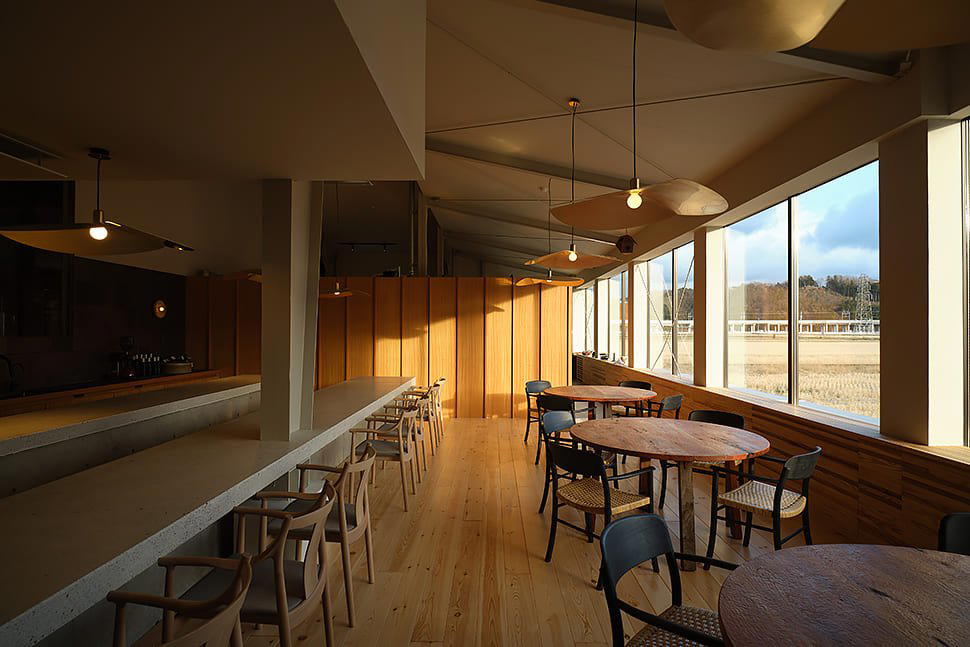
Details
- Cozy
- Modern
- Intimate
- Solo
- Casual Hangout
- After Work
- Group Dining
- Standalone
- Sake Program
- Beer Program
- Local Sourcing
- A La Carte
- Small Plates
- Sake
- Beer
Current opening hours
- Monday
- 11 AM–3 PM
- Tuesday
- Closed
- Wednesday
- 11 AM–3 PM
- Thursday
- 11 AM–3 PM
- Friday
- 11 AM–3 PM
- Saturday
- 11 AM–3 PM, 6–9:30 PM
- Sunday
- 11 AM–3 PM, 6–9:30 PM
Hours can change for holidays and private events. Hours as of .
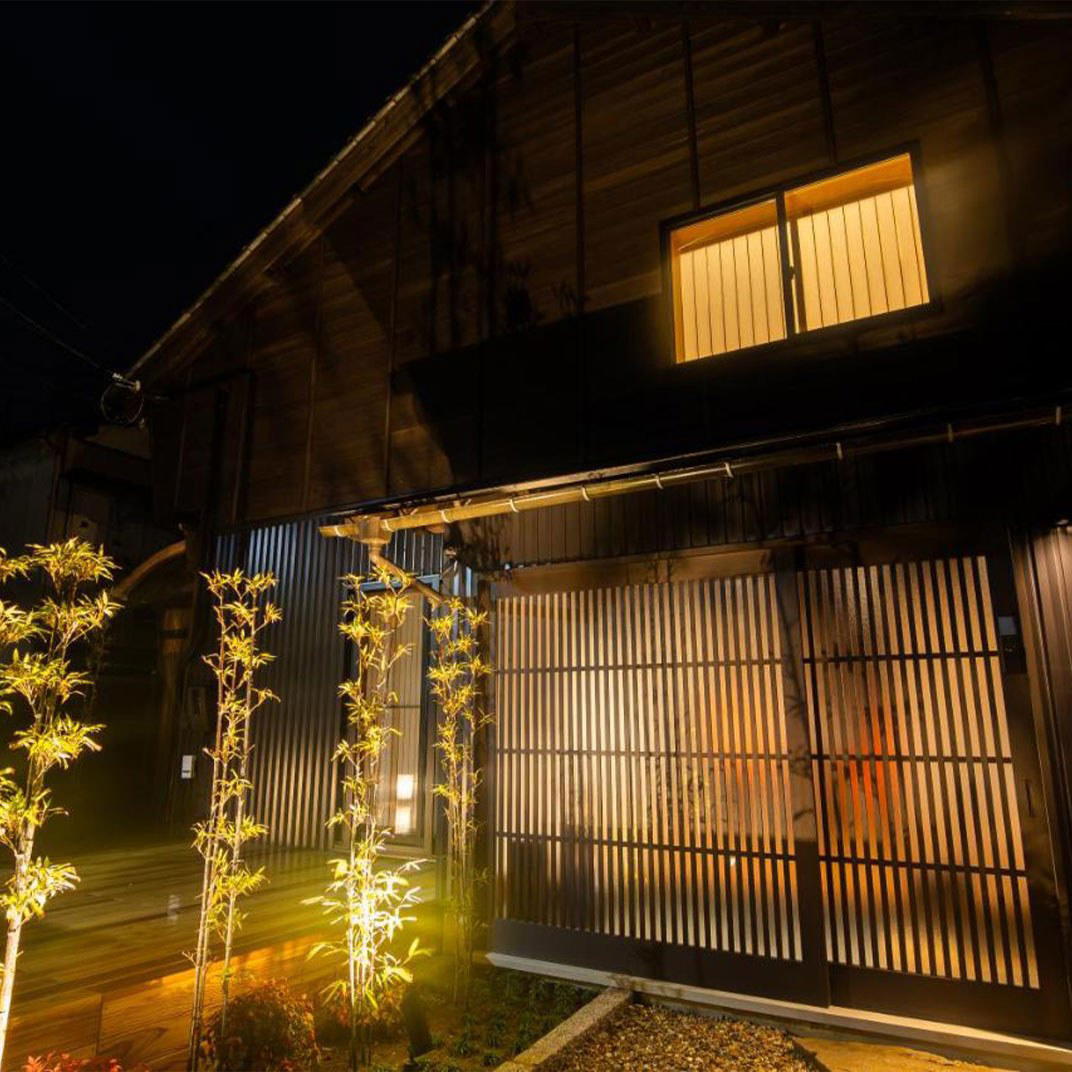
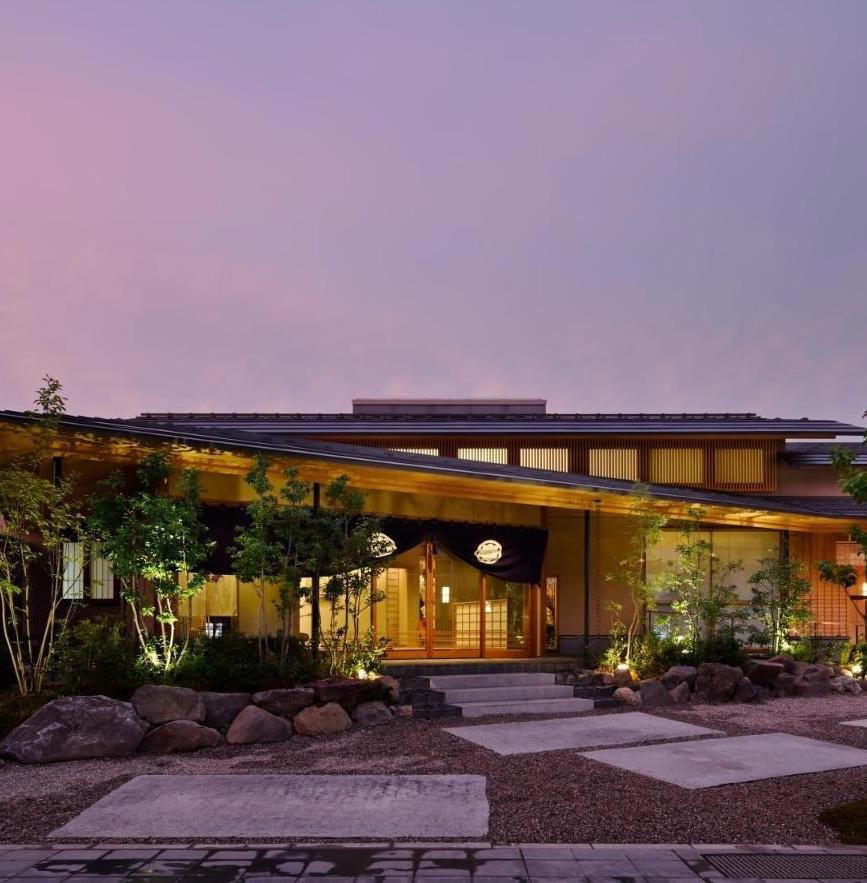
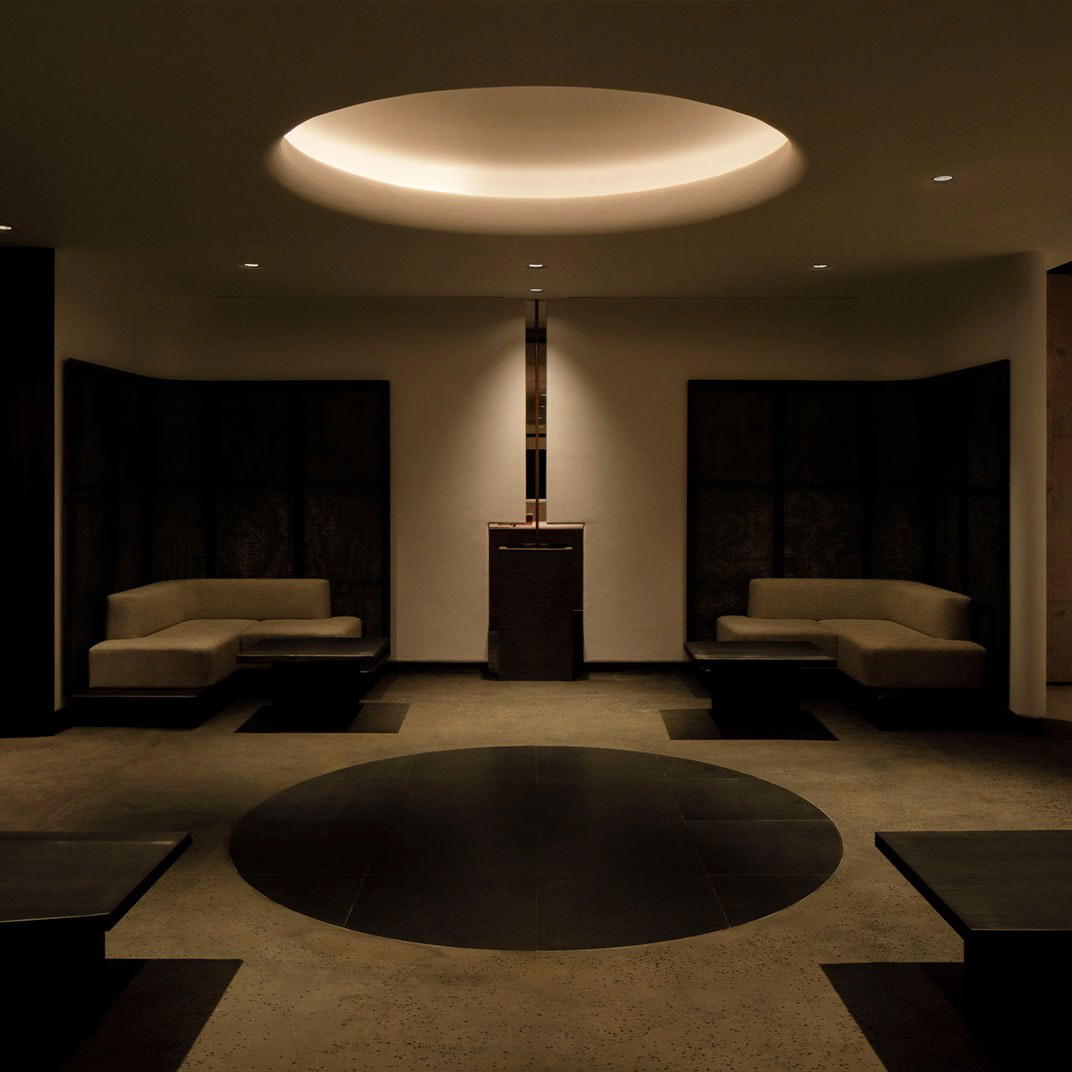
A calm, wood-accented interior with a chic, contemporary feel that is unusual for a soba shop, offering a relaxed, intimate atmosphere suited to lingering over soba and sake.