On Queen Street West, Curryish Tavern occupies the middle ground between casual takeaway and formal dining room that Toronto's South Asian-inflected neighbourhood spots have long carved out for themselves. The tavern format signals something deliberate: spiced cooking served with the ease of a local bar, in a corridor of the city where culinary identities shift block by block.
Pearl is the En Primeur Club membership app — saves, bookings, and concierge access live there. Same editors, same standards.
- Address
- 783 Queen St W, Toronto, ON M6J 1G1, Canada
- Phone
- +14163927837
- Website
- curryishtavern.ca
- Directions
- Get directions
 Saves & bookings on Pearl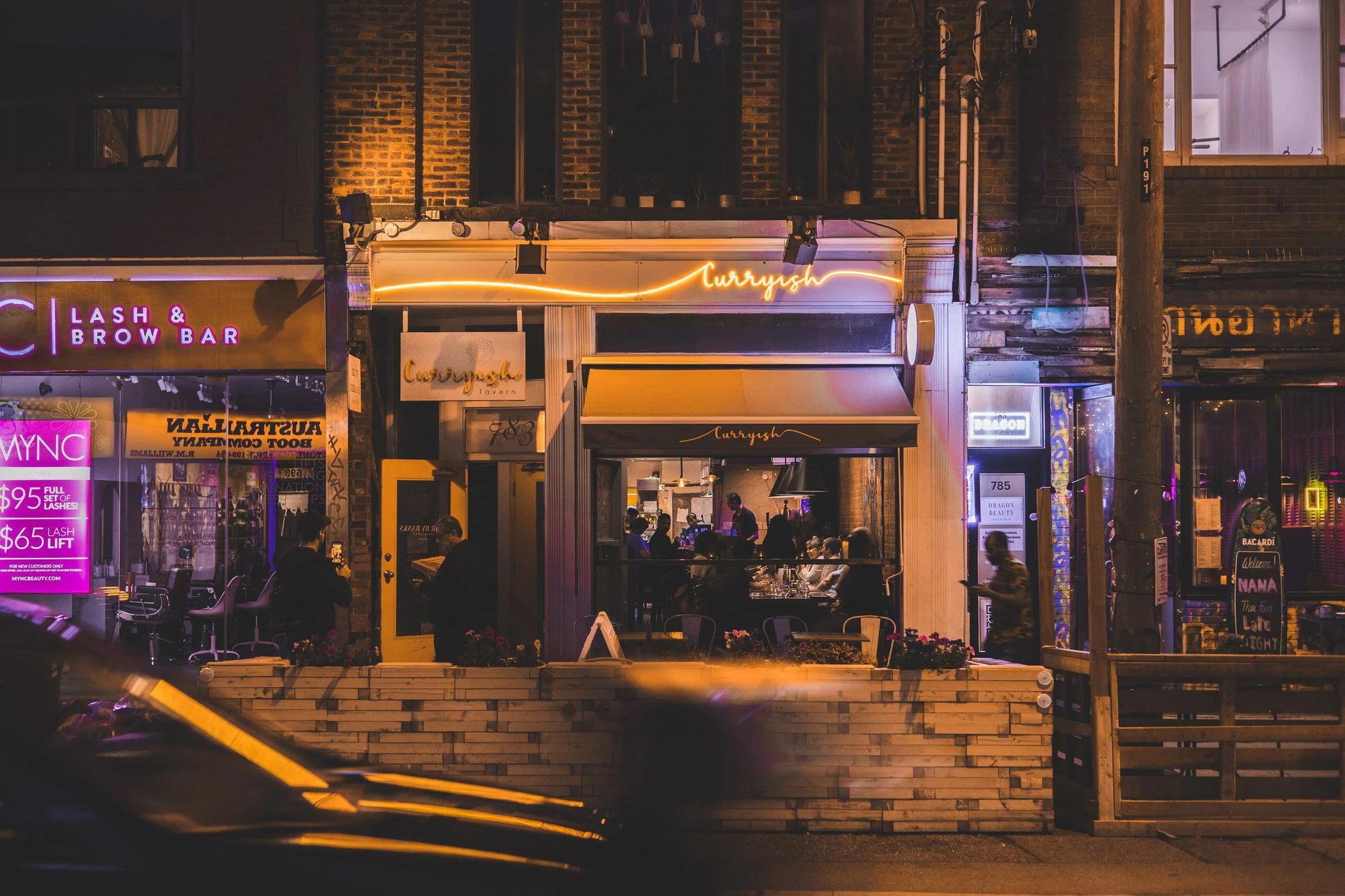
Queen West's Spice Register
Queen Street West between Bathurst and Ossington has a particular culinary character that resists neat categorisation. The strip runs from vintage-shop lunch counters through mid-range European bistros to a handful of places doing something harder to place, venues where the cooking draws on South Asian spice traditions but the format owes more to a neighbourhood tavern than to any subcontinental dining room. Curryish Tavern, at 783 Queen St W, sits squarely in that last category, and the name itself does a lot of work: the suffix signals intent, a deliberate step sideways from strict genre.
The word "tavern" in a Toronto context carries a specific weight. It implies a room with a bar at its centre, a menu designed for the pace of a drink, and a crowd that comes back on weekday evenings rather than just for special occasions. Layering South Asian spice logic onto that frame is a move that a growing number of Toronto kitchens have made in recent years, though most do it with either a fast-casual vocabulary or a high-tasting-menu register. The tavern middle ground is less populated, which gives this address a distinct position on the street.
The Atmosphere on Arrival
Queen West at the 783 block carries the particular ambient noise of a neighbourhood in motion: streetcar wire overhead, the hum of patios two doors down, and the visual texture of low-rise storefronts that have changed tenants every few years since the 1990s. Walking into a room that signals warmth against that backdrop, spice in the air and the low register of a bar doing its job, is a shift in sensory register that the tavern format is built to deliver.
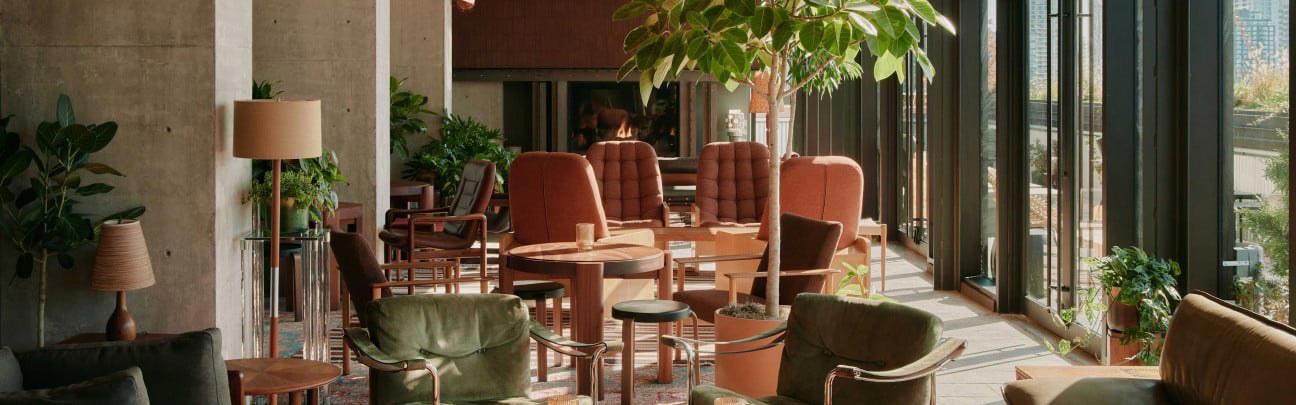
South Asian cooking in a tavern setting means the nose engages before the menu arrives: cumin, coriander, dried chili heat or a curry leaf oil releasing its fragrance from a hot pan somewhere behind the pass. These are not subtle signals. They place you in a specific culinary tradition while the room around you remains legible as a neighbourhood bar, stools, a drinks list, surfaces worn to the right degree of character. That contrast, spice-forward cooking in an unpretentious physical room, is the sensory argument the format makes.
Where Curryish Sits in Toronto's Mid-Market
Toronto's restaurant scene at the premium end is well-mapped. Alo anchors the contemporary fine-dining tier. Sushi Masaki Saito and Aburi Hana hold the high-end Japanese counter format. Italian at the summit of the market has its own addresses in DaNico and Don Alfonso 1890. What the city has historically done less confidently is the middle register: neighbourhood rooms with a clear culinary point of view, accessible pricing, and no performance anxiety about format.
The tavern model addresses that gap directly. It sets expectations through its vocabulary, drinks-led, drop-in-friendly, spice as the organising principle rather than as an accent, without requiring the diner to commit to a three-hour tasting arc. For the section of Queen West where it operates, that positioning makes sense against the demographic reality of the street: a high volume of regulars, a preference for rooms that don't require a reason to visit.
Across Canada, the restaurants that have built particularly durable neighbourhood identities tend to be those that commit to a specific culinary argument while keeping the room itself approachable. AnnaLena in Vancouver works this way in its own idiom. Cafe Brio in Victoria has held a similar position for years. The tavern format in Toronto applies the same logic to South Asian-influenced cooking.
The Culinary Tradition Behind the Name
"Curryish" as a label points to something specific about how South Asian spice traditions have moved through diaspora cooking in a city like Toronto. The word acknowledges that what arrives on the plate is not a direct reproduction of any single regional cuisine, Punjabi, Tamil, Bengali, Gujarati, but something that has passed through the filter of a North American kitchen, a different supply chain, a different diner expectation. The honesty of that framing is worth noting.
Canada's most interesting regional cooking has always operated in this mode of acknowledged translation. Tanière³ in Quebec City works Northern terroir through a contemporary lens. Restaurant Pearl Morissette in Lincoln applies wine-country discipline to the same instinct. Eigensinn Farm in Singhampton has been making a version of this argument since the 1990s. The common thread is a kitchen that knows where it sits relative to its source material and works from that position deliberately rather than pretending to purity it cannot claim.
For South Asian cooking in Toronto specifically, the tavern frame offers a way to sidestep the hierarchy of authenticity debates that dog diaspora restaurants and just cook in a register the room supports. Whether that bet pays off in the long run depends on execution and consistency, variables that any room on Queen West navigates against the reality of a competitive street.
Planning Your Visit
Curryish Tavern is located at 783 Queen St W, Toronto, ON M6J 1G1, on one of the city's most walked restaurant corridors west of Bathurst. Queen West dining rewards mid-week visits: the strip thins out considerably Tuesday through Thursday, and the tavern format is at its leading when the bar is at half-capacity and the kitchen isn't under weekend pressure. Dress: The tavern category on Queen West runs casual to smart-casual without exception.
If the Queen West register isn't the right fit for a given evening, the city's range extends considerably. The Pine in Creemore and Fogo Island Inn Dining Room in Joe Batt's Arm represent the destination-dining end of Canadian cooking. For international reference points in the fine-dining tier, Le Bernardin in New York City and Lazy Bear in San Francisco define different ends of the serious-restaurant spectrum. Closer to home, Jérôme Ferrer - Europea in Montreal and Narval in Rimouski illustrate how Quebec's restaurant culture handles the mid-to-upper register. Busters Barbeque in Kenora is a useful point of comparison for how informal formats build durable local identity outside major urban centres.
A Quick Peer Check
Comparable venues nearby, for context on price, style, and recognition.
| Venue | Cuisine | Price | Notes |
|---|---|---|---|
| Curryish TavernThis venue — the venue you are viewing | Modern Indian Gastropub | $$ | Not listed |
| Utsav | Authentic Indian | $$ | Yorkville |
| Leela - Dundas West | Modern Indian Street Food and Curries | $$ | The Junction |
| The Dirty Bird Chicken + Waffles | Fried Chicken & Waffles | $$ | Kensington |
| Florette | Funky Modern Canadian with Seasonal Sharing Plates | $$ | Little Portugal |
| The Rec Room Roundhouse | Contemporary Canadian Pub | $$ | Entertainment District |
Continue exploring
More in Toronto
Restaurants in Toronto
Browse all →
Bars in Toronto
Browse all →
Hotels in Toronto
Browse all →

At a Glance
- Trendy
- Modern
- Cozy
- Date Night
- Special Occasion
- Open Kitchen
- Craft Cocktails
- Local Sourcing
Current opening hours
- Monday
- 5–10 PM
- Tuesday
- 5–10 PM
- Wednesday
- 5–10 PM
- Thursday
- 12–11 PM
- Friday
- 12–11 PM
- Saturday
- 11 AM–11 PM
- Sunday
- 12–10 PM
Hours can change for holidays and private events. Last verified .
Exciting and eccentric space with focused, expressive, and welcoming atmosphere.