
Tabelog 100 #24
Our verdict
Uokusa belongs to Ueno’s compact tachinomi culture: stand-up seafood, sake and wine, a tight counter rhythm, and little patience for lingering. Its selection for Tabelog 100 - Tachinomi - 2025 places it among the city’s noted standing bars, but the appeal is less ceremonial than immediate: fish-led drinking in Ameyoko’s market-adjacent tempo.

Pearl is the En Primeur Club membership app, where members save venues, book tables and use the concierge.
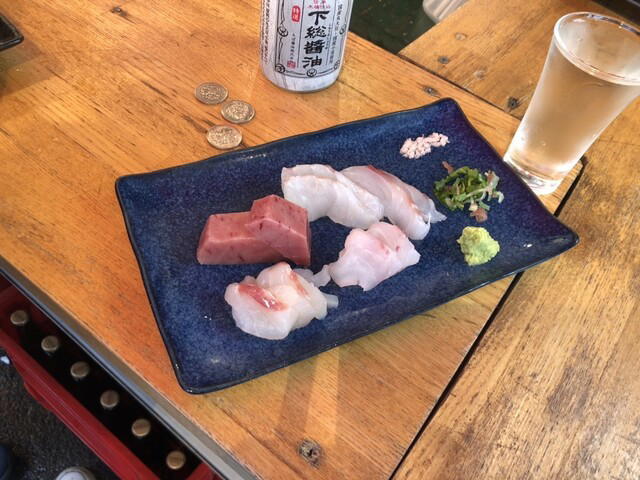
The menu
What to order
- Fresh oysters
- Boiled king crab (tarabagani)
- Seafood donburi with salmon roe
- Assorted sashimi
- Grilled or steamed crab legs
Tokyo changes volume by the metre. Around busy dining streets, voices bounce off shutters, storefronts, plastic awnings, and the steady traffic of the city. In that environment, tachinomi makes sense: no upholstered ceremony, no long arc of courses, no hushed dining-room choreography. The format asks for pace, appetite, and a drink in hand. Uokusa sits inside that grammar, using seafood rather than a more generic drinking-food template as its anchor.
Tokyo’s standing-bar culture has never been only about cheapness. At its sharper end, the appeal is compression: a narrow room, a counter, quick ordering, and enough discipline to make a short stop feel complete. The seafood version adds another layer because fish punishes vagueness. A seafood-focused stand-up bar places this in a different lane from the beer-and-skewer template that many visitors expect when they hear tachinomi. The result is closer to focused counter drinking than pub drinking, and Tokyo is one of the city’s natural stages for it.
Seafood tachinomi in Tokyo
Tokyo’s dining identity is unusually mixed even by the city’s own standards. Yoshoku rooms, tonkatsu counters, curry shops, old izakaya, tourist-facing snacks, and serious drinking dens can sit within a short distance of one another. In the comparison set, Daitoryo represents an old drinking-house pull, while Tokyo Tonkatsu Gabuu and Tompachitei show how tightly priced, single-category meals can define a city circuit. Kurofune Tei and Gensen Yoshoku Sakurai belong to another Tokyo tradition: Western-style Japanese cooking with a more seated, meal-driven cadence. Uokusa is useful because it shows the other axis of the city, the stand-up stop where the room’s turnover and the Tokyo setting shape the experience as much as the menu category.
Its Tabelog Hyakumeiten recognition for tachinomi in 2025 is the cleanest trust signal here. In Tokyo, where rating culture can flatten different formats into the same search page, category recognition matters: a standing seafood bar should be judged against standing bars, not sushi counters, kaiseki rooms, or hotel dining. The listed Tabelog score of 3.56 also points to a venue with established local traction rather than a glossy international profile. That distinction matters for travellers who already have omakase and fine dining covered and want a shorter, more local drinking format with editorial credibility.
The room’s compact standing-bar format means behaviour becomes part of the design. A counter-led seafood stop creates a different social contract from a restaurant built around private tables. Visitors should read the room rather than assume casual Japanese drinking spaces are frictionless: smaller parties, restrained conduct, and quick decisions usually fit the format best. That is not a hospitality flaw. It is the operating logic of tachinomi, where one loud group can distort the entire room.
What the format tells you before the first order
There is no chef mythology to decode here, and that is a relief. The experience is legible through format: seafood, a stand-up bar rhythm, and a short-stay culture. Tokyo has plenty of venues built around a named chef’s progression or a tasting-menu thesis. This belongs to the city’s other serious tradition, where the discipline is operational. The counter has to move, the drinking has to stay focused, and the food has to justify attention without asking for a full evening.
That makes it a smart counterpoint to more structured Tokyo dining. A traveller comparing categories might use Our full Tokyo restaurants guide for the wider restaurant map, then place Uokusa’s standing seafood against other unnamed casual-specialist formats across the city. The point is not sameness; it is Tokyo’s habit of letting narrow formats become complete experiences when the room, price tier, and ordering rhythm are aligned.
For travellers building a broader itinerary, the contrast is useful beyond restaurants. Broader Tokyo guides can frame where to stay, while separate bar and experience planning can help distinguish drinking, lodging, and cultural time from meals. Uokusa works in that itinerary as a concentrated Tokyo stop rather than a destination dinner with ceremony attached.
Who should make room for it
This is strongest for visitors who understand that casual in Tokyo does not mean loose. A standing bar with seafood asks for attention, but not reverence. It suits people comfortable with quick decisions and close quarters. Anyone seeking a long seated meal, private conversation, or a broad à la carte evening should look elsewhere in Tokyo’s dining field.
The broader Japan map reinforces the point without needing a direct one-to-one comparison. Specialist counters, cafe formats, regional dining rooms, and casual drinking spaces each teach something different about how tightly Japan defines dining categories. Even when Japanese snack and drinking cultures travel outside the country, they often lose the spatial pressure that makes the Tokyo originals so direct. Uokusa’s value is tied to that pressure: a small-format seafood stop, not a relaxed all-evening restaurant.
The editorial case for Uokusa is not grandeur. It is precision of category. In a city where luxury dining often receives the louder international attention, Tokyo’s standing seafood bars preserve another kind of seriousness: small footprint, strict manners, short duration, and a menu built around seafood. That is exactly why this address belongs on a Tokyo list for travellers who want the city at counter height, close to the noise, without turning every meal into an appointment.
Style and Standing
Comparable venues to place this listing in its category.
| Venue | Cuisine | Price | Awards | Notes |
|---|---|---|---|---|
| UokusaThis venue (the venue you are viewing) | Standing seafood bar & raw bar | $20–30 | Tabelog 100 #24 | Not listed |
| Noguchi Sengyo Ten | Casual Japanese seafood eatery | $10–20 | Tabelog 100 #28 | Sumida |
| 釣船茶屋 ざうお 新宿店/Fishing Restaurant Zauo Shinjuku | Interactive Fishing Seafood Izakaya | $20–30 | Not listed | Shinjuku |
| Uogashi Fukuchan 2 gou ten | Standing seafood izakaya (tachinomi) | $30–50 | Tabelog 100 #21 | Shibuya |
| Gyoza no Fukuho (餃子の福包) | Traditional Japanese Gyoza | $1–10 | Not listed | Shinjuku |
| Hekkelun | Classic Japanese kissaten & pudding café | $1–10 | Tabelog 100 | Toranomon/Shinbashi |
Recognition history
Dated appearances from independent guides and award organizations, with the underlying list record or original source where available.
Tabelog 100 #24 · No. 24
Tabelog · Tabelog 100 - Tachinomi - 2025
Continue exploring
More in Tokyo
Restaurants in Tokyo
All restaurants in Tokyo →






Details
- Lively
- Energetic
- Rustic
- Solo
- Casual Hangout
- After Work
- Late Night
- Standalone
- Sake Program
- Beer Program
- Sustainable Seafood
- Street Scene
- Small Plates
- Counter Dining
- Sake
- Beer
- Pescatarian Friendly
Current opening hours
- Monday
- 12–7:30 PM
- Tuesday
- 12–7:30 PM
- Wednesday
- 12–7:30 PM
- Thursday
- 12–7:30 PM
- Friday
- 12–7:30 PM
- Saturday
- 12–7:30 PM
- Sunday
- 12–8 PM
Hours can change for holidays and private events. Hours as of .
Bustling standing-bar atmosphere in the middle of Ameyoko market, with guests packed around U-shaped counters, bright market lighting, and an energetic street-food vibe rather than a sit-down restaurant feel.