
Tabelog 100 #21
Our verdict
Uogashi Fukuchan 2 gou ten brings Shibuya’s tachinomi ritual into sharper focus: seafood, standing-room pacing, and a tight after-work window near the station. Its selection for Tabelog 100 - Tachinomi - 2025 places it among Japan’s notable stand-up drinking rooms, with the emphasis less on ceremony than on fish, timing, and knowing the rules before arriving.

Pearl is the En Primeur Club membership app, where members save venues, book tables and use the concierge.
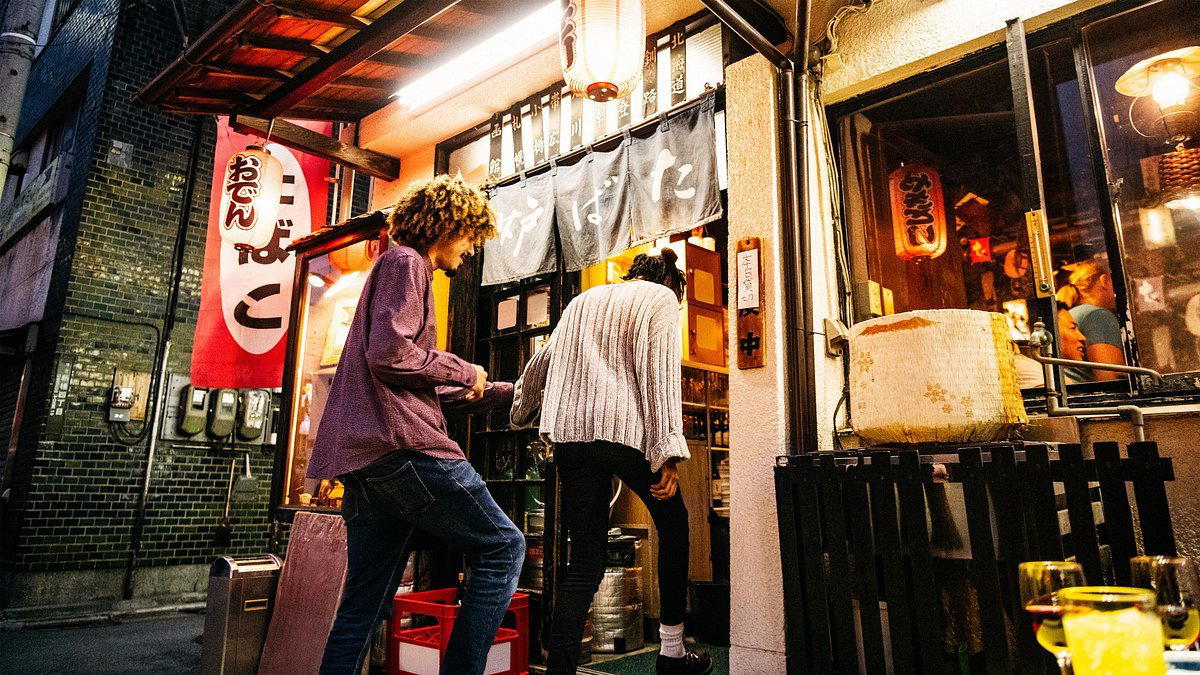
After office hours, Tokyo shifts quickly: station exits, drinking alleys, and compact rooms for people not lingering over linen. Tokyo’s stand-up bar tradition runs differently from counter sushi or izakaya dining. Space is scarce, turnover matters, and the meal is shaped by proximity to the counter, staff, and next person waiting. Uogashi Fukuchan 2 gou ten belongs to that Tokyo grammar: a seafood-focused tachinomi where the point is a disciplined sequence of drinking, ordering, eating, and making room.
Tokyo’s premium dining conversation often favours reservations, chef counters, and long-form menus, but tachinomi has its own hierarchy. Recognition in Tabelog 100 - Tachinomi - 2025 matters because the category is narrow: standing bars are judged where efficiency, sourcing, and regular-customer fluency matter as much as polish. Here, the seafood identity is the argument. Tokyo has abundant casual drinking, yet fish-led standing bars occupy a more exacting lane than the city’s louder izakaya economy.
Seafood tachinomi, not a miniature izakaya
Read this room as a dining ritual, not a restaurant format. Tachinomi compresses the meal: less emphasis on private-room comfort, seated pacing, or theatrical reset between courses. Standing changes behaviour. Orders should be decisive, groups compact, and the table becomes a ledge, counter, or shared surface. That is not a compromise; it is the custom. The format rewards diners who understand that drinking and seafood arrive in short, practical intervals, not a staged procession.
Seafood sharpens the format. Fish-focused standing bars ask more from the kitchen than fried-snack drinking rooms because freshness, knife work, and turnover are exposed. The category description, stand-up bar and seafood, places Uogashi Fukuchan 2 gou ten closer to market-drinking tradition than an all-purpose pub. Its Tabelog score of 3.61 is a useful Japan signal, where scores move conservatively and specialists often sit below numbers international diners associate with fine dining. The 2025 Tachinomi selection is the stronger trust marker: relevance within the standing-bar field, not just general popularity.
Comparisons to Tokyo’s seated restaurants can mislead. クーカーニョ, Szechwan Restaurant Chen Shibuya, A bientôt, Shunsai, and Sushi Ito Ikkan share the city conversation but solve different problems: polished dining, more formal service, small-restaurant intimacy, seasonal Japanese cooking, or sushi counter precision. Tachinomi solves the after-work problem with less space and more immediacy. The better comparison is the social contract: how long diners occupy a place, how directly they order, and how much structure the room expects them to bring.
The etiquette is part of the meal
Tokyo standing bars run on tacit rules. Arrive ready to eat, not for a long catch-up. Keep bags controlled, avoid spreading across the counter, and treat the pace as part of the experience. The seafood emphasis also rewards diners who pay attention to freshness, ordering rhythm, and the way small plates fit with drinks. This is compact dining, better for friends who can move with the rhythm than for anyone needing space, flexibility, or a slow introduction to Japanese drinking culture.
The money side reinforces the category. Dinner is listed in the JPY 6,000 to JPY 7,999 band, while lunch is listed in the JPY 5,000 to JPY 5,999 band. That places Uogashi Fukuchan 2 gou ten above the cheapest standing-bar image without turning it into a luxury counter. The value proposition is format-specific: seafood, speed, and concentration rather than linen, prolonged service, or a room designed for lingering.
Timing is part of the strategy. A fish-led tachinomi does not reward casual lateness in the same way as a broad, all-night pub, and the best experience usually comes from treating the visit as a focused stop rather than an open-ended evening. Its Tokyo setting is the logistical advantage: easy to build into a central city evening without turning dinner into a cross-town project. Plan with current listings in mind, keep the party small, and let the room’s rhythm set the pace.
How to place it in a Tokyo dining itinerary
For a Tokyo food week, this is the counterweight to reservation-heavy dining: an early stop before a bar crawl, a compact seafood-and-drinks session with friends, or a night focused on a local format rather than another long tasting menu. With the important public signals being category, budget, score, and 2025 Tachinomi recognition, rely on fixed facts and current listings rather than assuming it behaves like a full-service restaurant. The rest depends on reading the room.
It also clarifies Tokyo more broadly: the city’s strongest meals are not always seated, quiet, or expensive in the same way. Tachinomi is democratic in posture but demanding in execution. Diners stand, order, drink, and leave with less cushioning than at a hotel dining room or chef counter. Uogashi Fukuchan 2 gou ten earns attention because it sits in that tradition with seafood focus and category recognition, not because it translates itself into luxury language.
For broader planning, compare this stop by format rather than by a generic cuisine label. Seafood drinkers can look at other Tokyo dining rooms, while late-evening planning may point toward other compact stops. Yakitori belongs to a different ritual, and casual Tokyo mapping can widen through cafés, curry counters, and neighbourhood restaurants. For citywide context, use Our full Tokyo restaurants guide, then cross-check with Our full Tokyo hotels guide, Our full Tokyo bars guide, Our full Tokyo wineries guide, and Our full Tokyo experiences guide.
Travellers extending beyond Tokyo can keep the same format-first thinking. Regional comparisons might include other standing bars, seafood counters, curry specialists, cafés, and compact drinking rooms across Japan. Across the Pacific, Japanese drinking and snack formats translate differently, useful as broad contrasts for seeing what Tokyo keeps compact, direct, and rule-bound. The point is not to match names one-for-one, but to understand how posture, pace, and ordering etiquette define the meal.
Frequently asked questions
Where is Uogashi Fukuchan 2 gou ten located?
Tokyo.
Is Uogashi Fukuchan 2 gou ten expensive?
Pricing at Uogashi Fukuchan 2 gou ten is listed as Dinner: JPY 6,000 - JPY 7,999; Lunch: JPY 5,000 - JPY 5,999.
When can I go to Uogashi Fukuchan 2 gou ten?
Check current listings before visiting Uogashi Fukuchan 2 gou ten, as the reliable provided facts here do not include a detailed schedule.
What's Uogashi Fukuchan 2 gou ten best at?
Its strongest case is the seafood tachinomi format: a stand-up bar, fish-focused, and recognized in Tabelog 100 Tachinomi 2025. It suits a quick, drink-led Tokyo stop rather than a long sit-down meal.
Can Uogashi Fukuchan 2 gou ten accommodate dietary restrictions?
The listed category includes seafood, so it fits diners comfortable with fish more than those needing broad alternatives. Guests with strict vegetarian, allergy, or other dietary needs should check directly before going.
Is Uogashi Fukuchan 2 gou ten suitable for children?
Because Uogashi Fukuchan 2 gou ten is categorized as a stand-up bar, it is best considered an adult-oriented, compact dining format rather than relaxed family dining. Families should check current policies before visiting.
Comparable Options
Comparable venues by cuisine and price in the same metro.
| Venue | Cuisine | Price | Awards |
|---|---|---|---|
| Uogashi Fukuchan 2 gou tenThis venue (the venue you are viewing) | Standing seafood izakaya (tachinomi) | $30–50 | Tabelog 100 #21 |
| Szechwan Restaurant Chen Shibuya | Authentic Sichuan Cuisine | $50–100 | Tabelog 100 #54 |
| A bientôt | Seasonal French Fine Dining | $100–150 | Not listed |
| Shunsai | Japanese Kaiseki | Not listed | Not listed |
| Sushi Ito Ikkan | Edomae Sushi Omakase | $150–200 | Not listed |
Recognition history
Dated appearances from independent guides and award organizations, with the underlying list record or original source where available.
Tabelog 100 #21 · No. 21
Tabelog · Tabelog 100 - Tachinomi - 2025
Continue exploring
More in Tokyo
Restaurants in Tokyo
All restaurants in Tokyo →
Bars in Tokyo
All bars in Tokyo →
Details
- Lively
- Energetic
- Trendy
- After Work
- Casual Hangout
- Solo
- Late Night
- Standalone
- Sake Program
- Beer Program
- Sustainable Seafood
- Small Plates
- Counter Dining
- A La Carte
- Sake
- Beer
- Pescatarian Friendly
Current opening hours
- Monday
- 4–9:30 PM
- Tuesday
- 4–9:30 PM
- Wednesday
- 4–9:30 PM
- Thursday
- 4–9:30 PM
- Friday
- 4–9:30 PM
- Saturday
- Closed
- Sunday
- Closed
Hours can change for holidays and private events. Hours as of .