Uncle

Uncle sits in Denver's LoHi neighborhood at 2215 W 32nd Ave, operating as one of the district's more quietly serious dining rooms. The kitchen's approach connects to broader conversations around sourcing ethics and waste reduction that have reshaped how ambitious American restaurants operate. For a neighborhood that trends casual, Uncle represents a more considered register.
Pearl is the En Primeur Club membership app — saves, bookings, and concierge access live there. Same editors, same standards.
- Address
- 2215 W 32nd Ave, Denver, CO 80211
- Phone
- +13034333263
- Website
- uncleramen.com
- Directions
- Get directions
 Saves & bookings on Pearl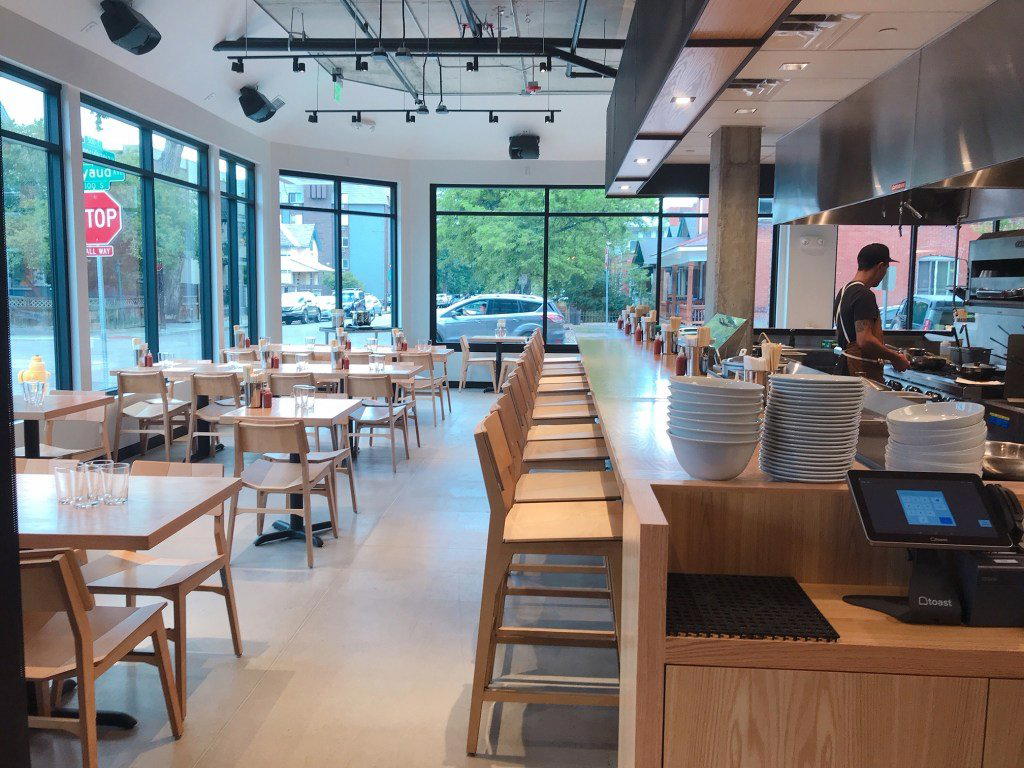
LoHi's Quieter Frequency
West 32nd Avenue in Denver's Lower Highlands runs through a stretch of the city where converted bungalows and newer build-outs sit in close proximity, and where the dining room density has climbed steadily over the past decade. The neighborhood draws a mixed crowd: residents who walked over, visitors who researched, and the occasional diner who wandered off Tennyson or down from the Platte River corridor. Uncle, a modern ramen restaurant at 2215 W 32nd Ave in Denver, occupies this context without announcing itself aggressively. LoHi rewards the restaurants that let their cooking do the talking.
Denver's ambitious restaurant scene has fragmented in useful ways. On one end, you have the tasting-menu tier, where Beckon and Brutø work through structured, course-by-course formats at the $$$$ price point. On the other, neighborhood-anchored spots like Alma Fonda Fina hold the $$ tier with genuine craft and accessible entry. Uncle sits somewhere in that conversation, a room that reads as a neighborhood restaurant but operates with a seriousness that the category doesn't always demand.
Sourcing as Structure, Not Marketing
Across American dining, the restaurants that have aged leading over the past fifteen years are not the ones that marketed sustainability loudest, but the ones that built it into their operational skeleton. Blue Hill at Stone Barns in Tarrytown made the farm-to-table framework rigorous rather than decorative. Single Thread Farm in Healdsburg integrated growing, processing, and service into a single continuous system. These are outlier cases in terms of scale and investment, but the underlying logic, that sourcing decisions should precede and shape menu decisions, not follow them, has filtered into smaller operations across the country.
In Denver, that shift shows up in kitchens where the relationship with Colorado's agricultural producers is treated as a design constraint rather than a talking point. The state's high-altitude growing conditions, short seasons, and proximity to ranching country give kitchens real material to work with, if they choose to engage with it seriously. A restaurant that builds its menu around what is actually available from regional producers at a given moment operates under a different set of creative pressures than one that sources conventionally and adds a local-ingredient callout to the menu header. The former approach produces menus that shift frequently and sometimes uncomfortably; it also produces cooking that is harder to fake.
Uncle's position in LoHi places it in a neighborhood where that kind of operational commitment is increasingly common. Annette, operating in the broader Denver metro, has made fermentation and preservation central to how it handles seasonal abundance. The Wolf's Tailor has worked through grains and fermentation as both flavor and waste-reduction mechanisms. These are not isolated choices, they reflect a wider set of decisions about what kind of kitchen a chef wants to run and what kind of relationship with ingredients is possible when you treat waste as a problem worth solving rather than an acceptable cost of doing business.
The American Context
It is worth placing Denver's current dining ambition inside the national frame. The restaurants that have defined serious American cooking over the past two decades, Alinea in Chicago, The French Laundry in Napa, Le Bernardin in New York, built their reputations on technical mastery and a controlled, often expensive, experience. That model produced great restaurants. It also produced an expectation that ambition requires formality, that serious cooking lives behind reservation systems booked months out and tasting menus priced at three figures per head.
The more interesting development of the last decade has been the migration of that ambition into smaller, less ceremonial formats. Lazy Bear in San Francisco runs a communal dinner format at high price points but in a room that reads more like a dinner party than a dining room. Atomix in New York City compresses serious Korean technique into a counter format. Providence in Los Angeles maintains a commitment to sustainable seafood sourcing that shapes the menu before the chef gets near the stove. Addison in San Diego and The Inn at Little Washington represent the more formal end of that spectrum, where the physical environment and service structure carry as much weight as the plate. Emeril's in New Orleans and 8½ Otto e Mezzo Bombana in Hong Kong show how named-chef operations scale across different cultural contexts. What connects the better examples across all these formats is a decision made at the operational level: what you source, how you handle what comes in, and what you do with what's left over are as much a part of the kitchen's identity as what ends up on the plate.
Denver is not yet in that top tier nationally, but the city's dining community has closed the gap meaningfully. The combination of a growing local agricultural network, a younger chef cohort that trained at serious institutions outside Colorado, and a customer base that has become more sophisticated over the past decade has created conditions where a restaurant like Uncle can exist and find its audience.
Planning a Visit
Uncle is located at 2215 W 32nd Ave in the LoHi neighborhood, accessible from downtown Denver in roughly ten to fifteen minutes by rideshare and walkable from several of the neighborhood's residential streets. Uncle is a walk-in-friendly restaurant with hours of Mon: 5-9 PM; Tue: 5-9 PM; Wed: 5-9 PM; Thu: 5-9 PM; Fri: 5-10 PM; Sat: 5-10 PM; Sun: Closed. Given the neighborhood's dining density, pairing a visit with drinks at one of 32nd Avenue's wine-focused spots before or after is a practical approach to an evening in the area. Our full Denver restaurants guide covers the broader scene across neighborhoods and price points.
Category Peers
Comparable venues nearby, for context on price, style, and recognition.
| Venue | Cuisine | Price | Notes |
|---|---|---|---|
| UncleThis venue — the venue you are viewing | Modern Ramen | $$ | Not listed |
| Fontana Sushi | Japanese Sushi | $$ | Speer |
| Izakaya Den | Modern Japanese Izakaya | $$$ | Platt Park |
| Banzai Sushi | Japanese Sushi with 100 Rolls | $$ | Washington Virginia Vale |
| Broken Bow | Western bar with food | $$ | Five Points |
| Cart-Driver LoHi | Italian Pizzeria & Oyster Bar | $$ | Highland |
Recognition history
Dated appearances from independent guides and award organizations, with the underlying list record or original source where available.
James Beard Award Semi Finalist
James Beard Award
Continue exploring
More in Denver
Restaurants in Denver
Browse all →
Bars in Denver
Browse all →
Hotels in Denver
Browse all →


At a Glance
- Trendy
- Modern
- Minimalist
- Casual Hangout
- Date Night
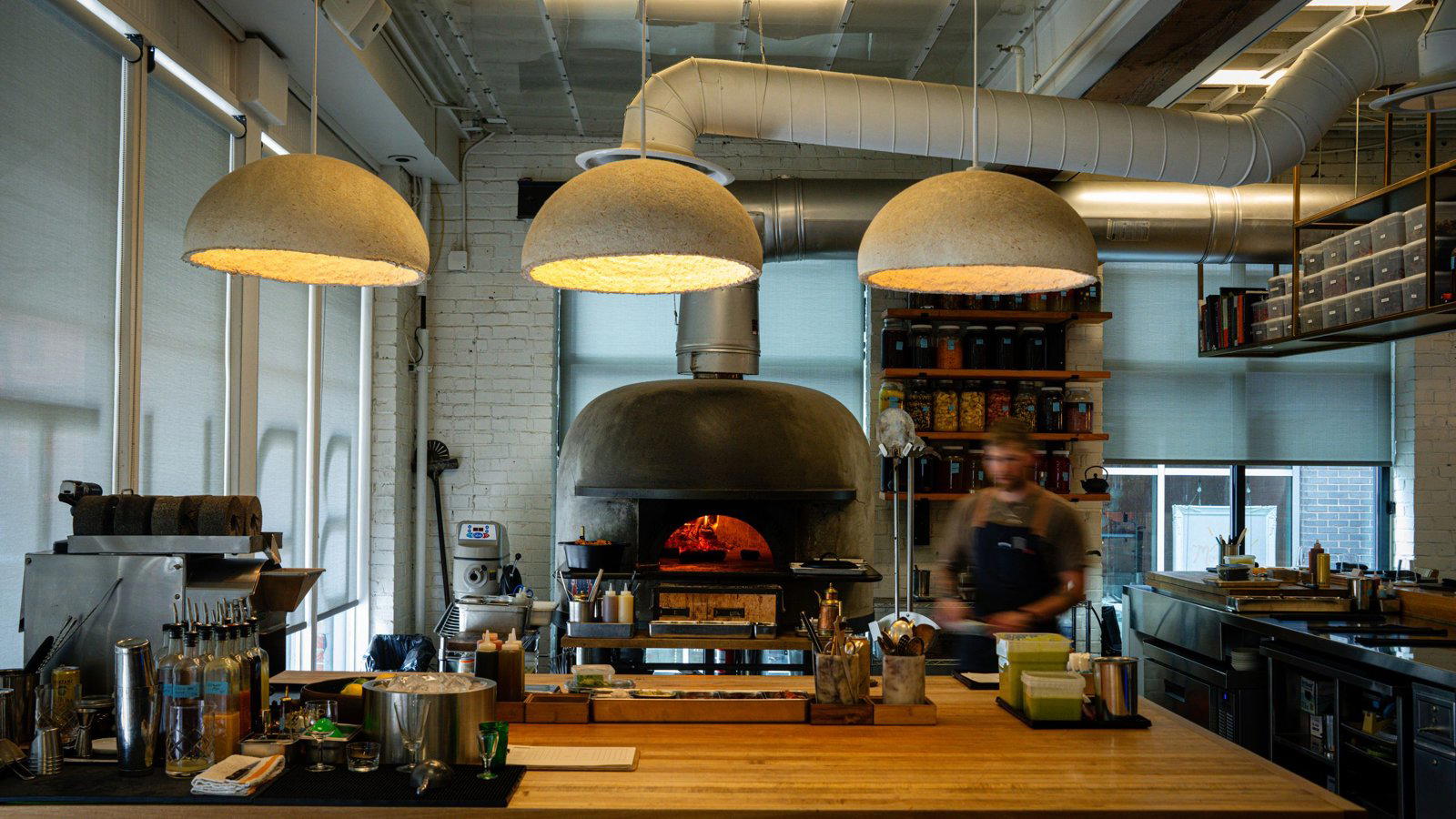
- Open Kitchen
- Local Sourcing
Current opening hours
- Monday
- 5–9 PM
- Tuesday
- 5–9 PM
- Wednesday
- 5–9 PM
- Thursday
- 5–9 PM
- Friday
- 5–10 PM
- Saturday
- 5–10 PM
- Sunday
- Closed
Hours can change for holidays and private events. Last verified .
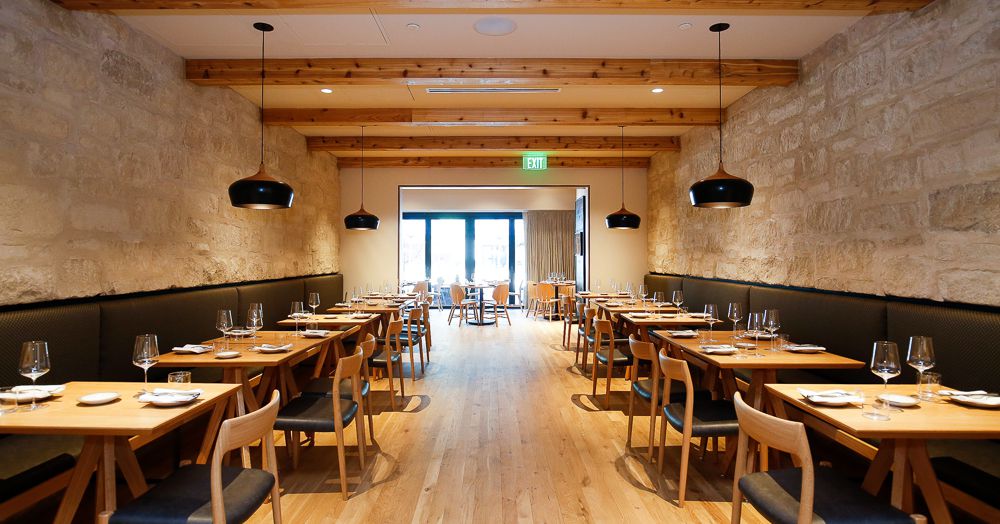
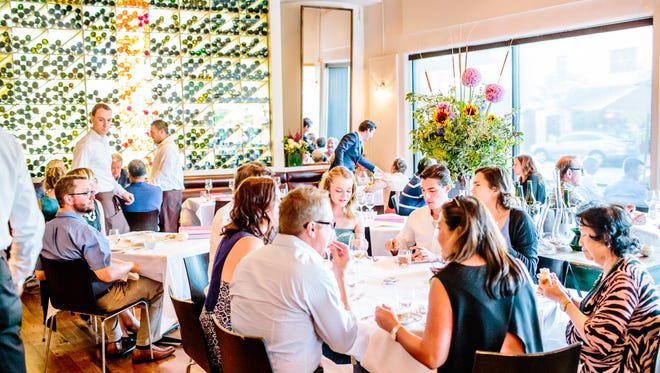
Momofuku-style minimalist decor with an inviting, casual atmosphere popular among young urbanites.