Izakaya Den
On South Pearl Street, Izakaya Den has anchored Denver's Japanese dining scene for years, occupying a format that sits between casual sake bar and serious small-plates kitchen. The izakaya tradition it draws from prizes communal eating, seasonal sourcing, and the kind of unhurried pacing that most American restaurant formats discard. It remains a reliable measure of how far Denver's Asian dining has traveled.
Pearl is the En Primeur Club membership app — saves, bookings, and concierge access live there. Same editors, same standards.
- Address
- 1487A S Pearl St, Denver, CO 80210
- Phone
- +13037770691
- Website
- izakayaden.net
- Directions
- Get directions
 Saves & bookings on Pearl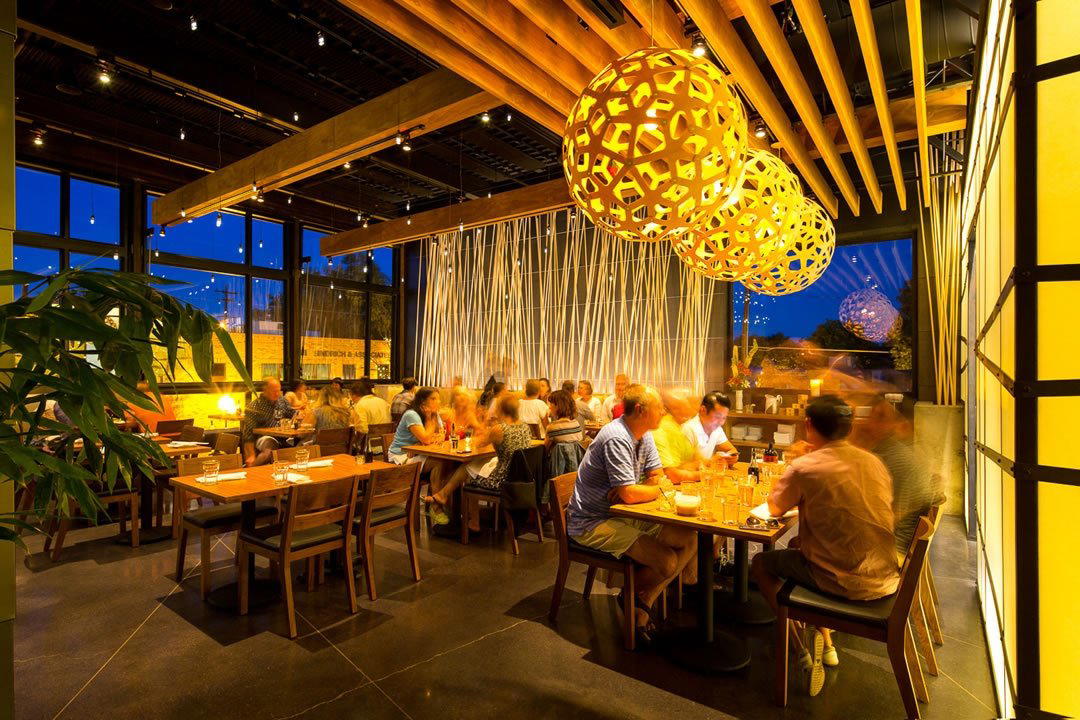
South Pearl Street and the Izakaya Format in Denver
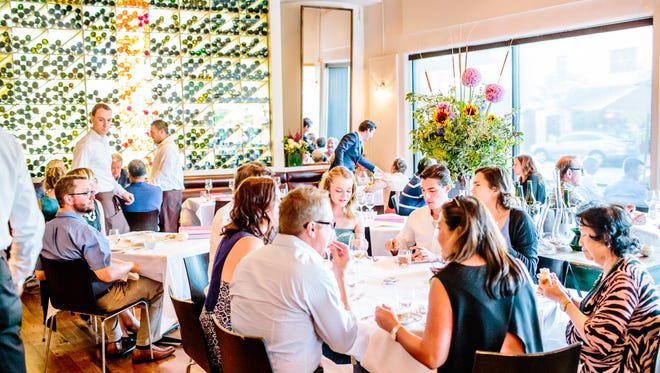
South Pearl Street has a particular rhythm to it: independent storefronts, neighborhood regulars, and a dining culture that resists the downtown churn. Izakaya Den is a Modern Japanese Izakaya in Denver, priced at about $60 per person. The room reads as a genuine attempt at the izakaya format rather than a thematic approximation of it, low lighting, a bar designed for lingering, and a pace of service that encourages multiple rounds of small plates rather than the American standard of appetizer-entree-dessert.
The izakaya as a category sits between a gastropub and a serious kitchen: the expectation is that food arrives when it's ready, that you order in waves, and that the drinks program carries equal weight to the menu. Denver's izakaya options are limited enough that Izakaya Den has occupied an effectively singular position in that format for much of its life on South Pearl. That scarcity matters when assessing what the room is actually doing, and it means the comparison set is less about local Japanese competitors and more about how the format translates in a mid-altitude American city with a growing but still-developing appetite for regional Japanese cuisine.
Ingredient Sourcing and the Izakaya Tradition
The izakaya tradition is built on proximity to good ingredients. In Japan, that means fish markets, regional sake breweries, and seasonal produce cycles that shift the menu monthly. Translating that discipline to Denver requires either committed supplier relationships or a willingness to accept substitution, and the gap between those two approaches tends to show in the food.
Colorado's agricultural calendar gives any kitchen working in this format real material to draw from: Rocky Mountain trout, locally farmed mushrooms, and a growing network of regional producers who supply Japanese-inflected kitchens. The question for any izakaya operating far from a major coastal fish market is how it sources its protein, particularly seafood. The American venues that navigate this most credibly, places like Atomix in New York City or Providence in Los Angeles, operate in cities where supply chains for Japanese-adjacent cuisine are mature. Denver sits in a different position geographically, which makes regional substitution and vegetable-forward composition a more coherent strategy than chasing imported fish at altitude.
Izakaya Den's address on South Pearl places it within reach of the Cherry Creek farmers' market circuit and Denver's independent produce networks, which supply a number of the city's ingredient-serious kitchens, including Annette and The Wolf's Tailor, both of which have built explicit sourcing frameworks into their identities. The format itself rewards that approach more than almost any other: the izakaya menu is structured for seasonal rotation in a way that a fixed steakhouse menu is not.
Where Izakaya Den Sits in Denver's Broader Dining Picture
Denver's dining scene has developed considerable range in the past decade, with a cluster of ambitious kitchens operating at the upper end of the price spectrum. Brutø and Beckon represent the tasting-menu tier, where the experience is structured, the pacing is controlled, and the price point reflects that ambition. Alma Fonda Fina occupies the Mexican-fine-dining niche with regional specificity. The restaurant operates in a different register: the izakaya format is fundamentally democratic and convivial, closer to the energy of a well-run neighborhood bar than to the ceremony of a tasting counter.
That positioning is its own argument. Los Angeles, New York, and San Francisco have seen sophisticated izakaya development through Japanese immigrant communities with direct ties to regional food culture. Denver lacks that demographic anchor, which means its Japanese dining scene has developed more slowly and with fewer reference points. The restaurant fills a gap that a larger city would address with three or four competing operations, each staking out a different regional Japanese identity.
For comparison, consider the scale of what serious Japanese dining looks like at the institutional level: Le Bernardin in New York City or The French Laundry in Napa occupy categories defined by decades of critical consensus and national recognition. The izakaya format operates outside that conversation by design. It is measured against different criteria: the quality of the sake list, the generosity of the small plates, and the ability to sustain a two-hour table without pressure.
The Drinks and the Format
Any assessment of an izakaya that focuses only on the food misses the point. The Japanese drinking culture that gave rise to the format treats sake, shochu, and beer as structural elements of the meal, not accompaniments. A sake list organized by region and production method, junmai, ginjo, daiginjo, signals a different level of engagement than a list that offers one or two token selections.
Denver's cocktail culture has matured considerably, and the broader American appreciation for sake has followed the growth of Japanese cuisine's footprint in cities like New York and San Francisco, where operators have pushed serious fermentation and drinks programs into critical conversation. The restaurant's drinks program, in that context, is as important a signal of ambition as the kitchen output.
Planning a Visit
South Pearl Street is accessible by car with street parking available in the surrounding residential blocks, and the 1487A address puts the restaurant within a short walk of the Evans light rail station on the E, F, and H lines. The izakaya format is best experienced with a group of three or four, which allows for broader menu coverage across multiple ordering rounds. Hours are Tue to Thu 5 to 9:30 PM, Fri and Sat 4:30 to 10 PM, with Monday and Sunday closed; reservations are recommended. Denver's dining options at similar price registers include Alma Fonda Fina and Annette.
The broader American izakaya category has also attracted attention at the upper end of farm-to-table sourcing, with venues like Blue Hill at Stone Barns in Tarrytown and Single Thread Farm in Healdsburg demonstrating what deep agricultural sourcing looks like when it becomes a kitchen's defining argument. The izakaya format, with its seasonal orientation and small-plate structure, is well-positioned to make a similar case in a city where the supply chain exists to support it.
Comparable Options
Comparable venues nearby, for context on price, style, and recognition.
| Venue | Cuisine | Price | Notes |
|---|---|---|---|
| Izakaya DenThis venue — the venue you are viewing | Modern Japanese Izakaya | $$$ | Not listed |
| KUMOYA | Modern Japanese Kappo and Sushi | $$$ | Highland |
| Banzai Sushi | Japanese Sushi with 100 Rolls | $$ | Washington Virginia Vale |
| Taki Sushi | Japanese Sushi & Fusion | $$ | Speer |
| Fruition Restaurant | Modern American Farm-to-Table | $$$ | Country Club |
| Cimera | Modern Pan-Latin with Peruvian Focus | $$$ | Five Points |
Continue exploring
More in Denver
Restaurants in Denver
Browse all →
Bars in Denver
Browse all →
Hotels in Denver
Browse all →

At a Glance
- Trendy
- Modern
- Sophisticated
- Cozy
- Date Night
- Casual Hangout
- Special Occasion
- Open Kitchen
- Sake Program
- Craft Cocktails
- Sustainable Seafood
Current opening hours
- Monday
- Closed
- Tuesday
- 5–9:30 PM
- Wednesday
- 5–9:30 PM
- Thursday
- 5–9:30 PM
- Friday
- 4:30–10 PM
- Saturday
- 4:30–10 PM
- Sunday
- Closed
Hours can change for holidays and private events. Last verified .
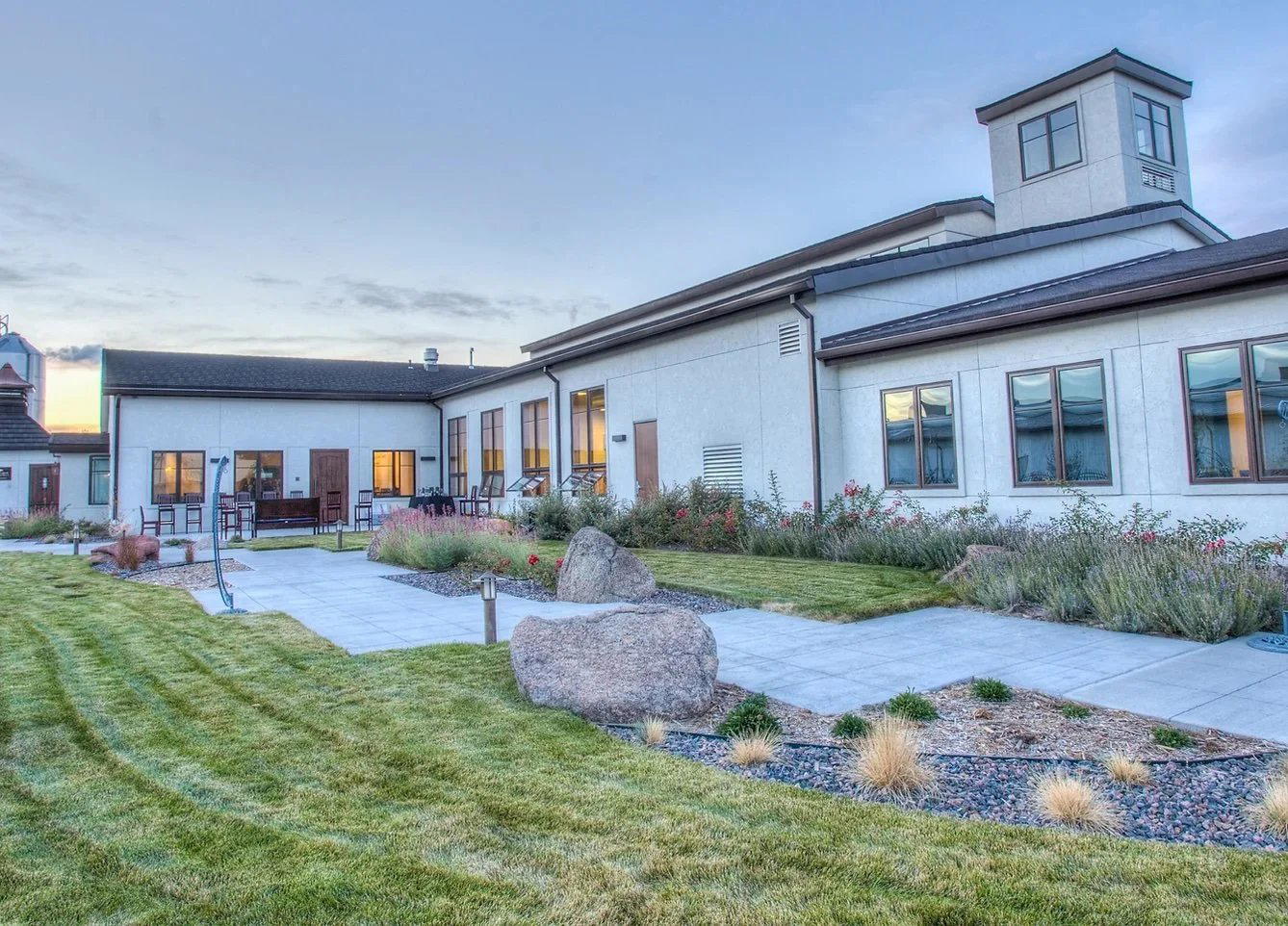
Refined and sleek with Japanese design elements, featuring precise upstairs dining space and thoughtful lighting that creates an elegant yet approachable atmosphere.