Broken Bow
Broken Bow sits in a Denver dining scene shaped by altitude, migration, ranch-country habits, and a growing appetite for independent rooms that do not fit neatly into steakhouse, taco shop, or tasting-menu categories. With no public awards, chef, price, or booking details attached here, the useful read is cultural: judge it by format, hospitality tempo, and how it fits into the city’s broader restaurant grammar.
Pearl is the En Primeur Club membership app — saves, bookings, and concierge access live there. Same editors, same standards.
- Address
- Denver, United States
- Directions
- Get directions
 Saves & bookings on Pearl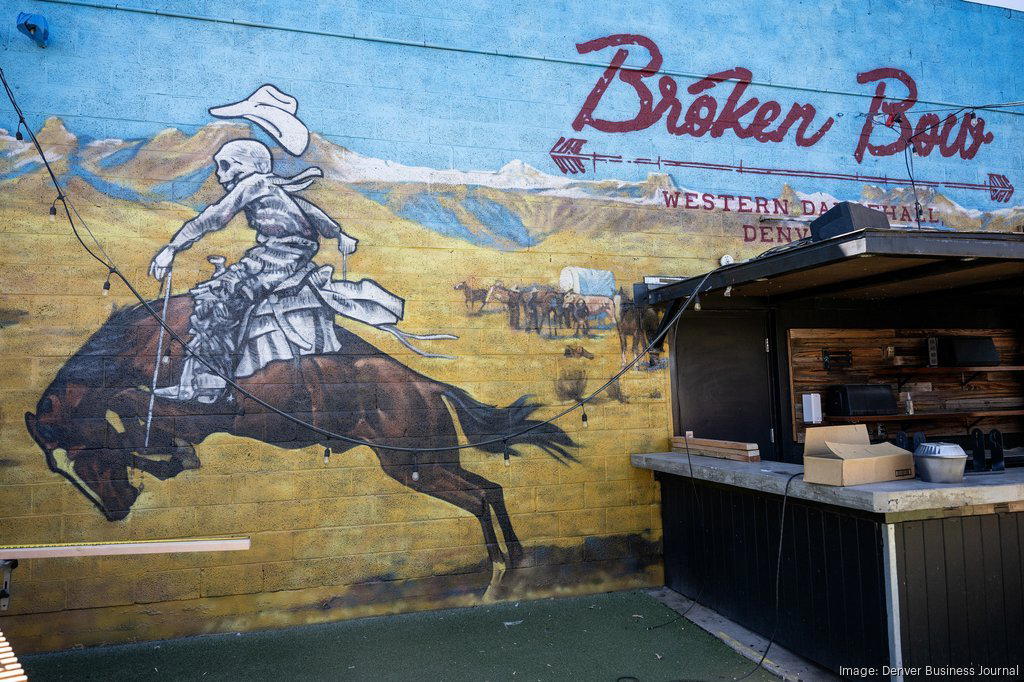
Denver dining often announces itself before the menu does: dry air, wide streets, early-evening light off brick and glass, and a crowd that moves between workwear, trail gear, and dinner plans without much ceremony. Broken Bow belongs to that city rhythm, where restaurants are judged less by theatrical polish than by whether the room understands pace, appetite, and the mixed social use of a night out in Colorado.
The useful context is not a single cuisine label, since none is publicly attached here. Denver has become a city of overlapping food cultures rather than one dominant restaurant identity. Mexican and Southwestern cooking remain central to everyday eating; steakhouse culture still carries the weight of ranching history and business dining; pan-Asian, Hawaiian, Japanese, and plant-forward formats have widened the field. A restaurant without a neatly declared category has to earn attention through clarity of format: what kind of meal it supports, how formal the room feels, and whether the kitchen’s point of view reads as coherent rather than miscellaneous.
Denver's mixed dining code rewards clarity over ceremony
The city’s restaurant culture is shaped by people who treat dinner as both social anchor and practical stop. That makes atmosphere matter, but not in the old luxury sense. A room can be casual and still serious; it can avoid ceremony and still feel composed. Broken Bow should be read through that Denver lens. The question is not whether it performs metropolitan polish, but whether it fits the local pattern of restaurants that work for weeknight plans, group tables, and visitors trying to understand the city beyond hotel lobbies and brewery crawls.
That pattern explains why Denver’s restaurant map can place a downtown Mexican room such as 3 Margaritas - Downtown Denver, a business-dinner steakhouse like 801 Chophouse, and a newer-generation meat-focused address such as A5 Steakhouse in the same conversation without forcing them into the same category. The city eats across price points and formats, and its better rooms tend to reveal their purpose quickly: family meal, date-night counter, expense-account dinner, pre-event stop, or neighborhood regular.
For travelers, that means the decision should start with occasion rather than reputation. If a restaurant publishes no star rating, price bracket, chef credit, or award history, those absences should not be filled with guesswork. The smarter approach is to treat the meal as a read on Denver’s independent dining culture and confirm the practical details before making plans. In a city where weather, traffic corridors, sports schedules, and neighborhood parking can shape an evening, logistics carry real weight.
How to place Broken Bow in a city built from many food traditions
Denver’s food identity has never depended on a single canonical dish. Its cultural roots run through Mexican-American cooking, cattle-country dining, mountain-town informality, and a newer wave of restaurants shaped by transplants from both coasts and across the Pacific. That creates a broad field, but also a risk: restaurants can blur into generic comfort unless they show discipline. The stronger Denver experiences usually make a clear promise, then deliver within it.
The restaurant’s name gives the page an address in the city’s dining conversation, but the editorial read has to remain disciplined. No cuisine type, chef, price range, hours, dress code, booking channel, or seat count is listed here, so the responsible assessment is about how to evaluate it. Look for menu structure first: a short, focused list generally signals a kitchen with boundaries; a sprawling menu requires stronger execution across more categories. Then read the room: Denver diners tend to tolerate informality, but they are less forgiving when service tempo collapses or a restaurant cannot decide whether it is casual, polished, or bar-led.
That broader map is useful when planning across the city. For a wider scan of restaurant options, use the Denver restaurants guide. For trips built around more than dinner, the Denver hotels guide, Denver bars guide, Denver wineries guide, and Denver experiences guide help place the meal inside a fuller itinerary.
A practical read before committing the evening
The restaurant is a case where planning discipline matters. Without published price, hours, or reservation details attached here, assume nothing about walk-ins, dietary flexibility, family suitability, or the formality of the room. Denver can be forgiving, but weekend demand and event-driven surges change the feel of a restaurant quickly. Confirm operating hours and booking procedure through the venue’s current channels before arranging a night around it.
For readers building a broader food itinerary, contrast by category rather than by ranking. Denver’s range includes hotel-adjacent breakfast formats such as AC Kitchen and games-and-dining hybrids like Ace Eat Serve. Outside Colorado, EP Club tracks how other cities express specific traditions, from Jōdo Saké Bar in Los Angeles and Onigiri Time in Pasadena to ¿Por Qué No? in Portland, 'Ai Love Nalo in Waimanalo Beach, 'āina in San Francisco, 'Ama 'Ama in Kapolei, -Grilled beef Sukiyaki- KAMAKURA TANUKIAN 鎌倉 たぬき庵 in Kamakura, and ¡Salud! in Los Angeles. That wider lens is the point: a meal is more legible when it is placed inside the culture that produced it.
The verdict is measured. The restaurant belongs on the radar for readers interested in Denver’s independent restaurant texture rather than trophy dining. Treat it as a scene read, verify the practical details, and judge the night by coherence: room, menu, pacing, and whether the experience feels specific to Denver rather than interchangeable with any growing American city.
Comparable Venues Nearby
Comparable venues nearby, for context on price, style, and recognition.
| Venue | Cuisine | Price | Notes |
|---|---|---|---|
| Broken BowThis venue — the venue you are viewing | Western bar with food | $$ | Not listed |
| Local Jones | Contemporary American Bistro | $$ | Cherry Creek |
| Satchel's on 6th | Seasonal New American | $$ | Country Club |
| June Gap Market and Café | Sustainable Market Café | $$ | Belleview Station |
| All Is Well | American Comfort Food | Not listed | City Park |
| HashTAG - Downtown Denver | Modern American Boozy Brunch | $$ | Union Station |
Continue exploring
More in Denver
Restaurants in Denver
Browse all →
Bars in Denver
Browse all →
Hotels in Denver
Browse all →




At a Glance
- Lively
- Energetic
- Rustic
- Classic
- Well Known
- Group Dining
- Casual Hangout
- Celebration
- After Work
- Late Night
- Live Music
- Design Destination
- Standalone
- Beer Program
- Craft Cocktails
A flag-and-faith-tinged but intentionally apolitical Western dance hall with Americana murals, pool tables, jukebox, and a laid-back old-fashioned honky-tonk feel that grows from relaxed at sunset to boot-stomping and crowded by midnight.