
Tabelog 100 #69
Our verdict
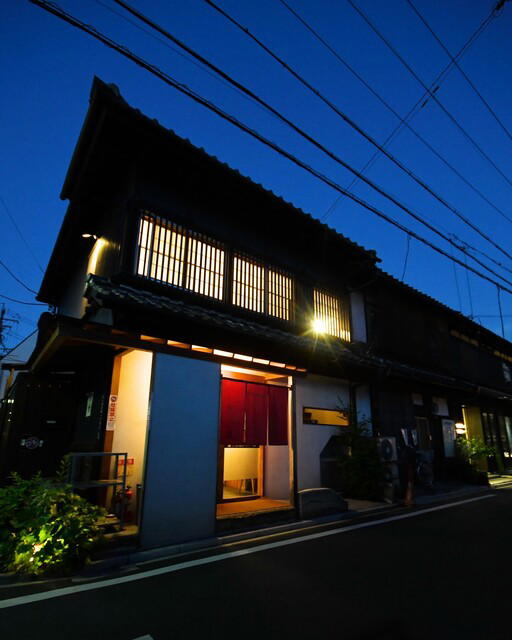
A Nagoya eel specialist in the Nagono area, Unagiya Shibafukuya sits in the city’s serious unagi conversation with Tabelog 100 Unagi selections in 2022 and 2024. The format suits repeat diners as much as visitors: counter, table, sunken seating and private rooms give the meal a range of tempos, while the pricing remains below Nagoya’s luxury tasting-menu tier.

Pearl is the En Primeur Club membership app, where members save venues, book tables and use the concierge.
The menu
What to order
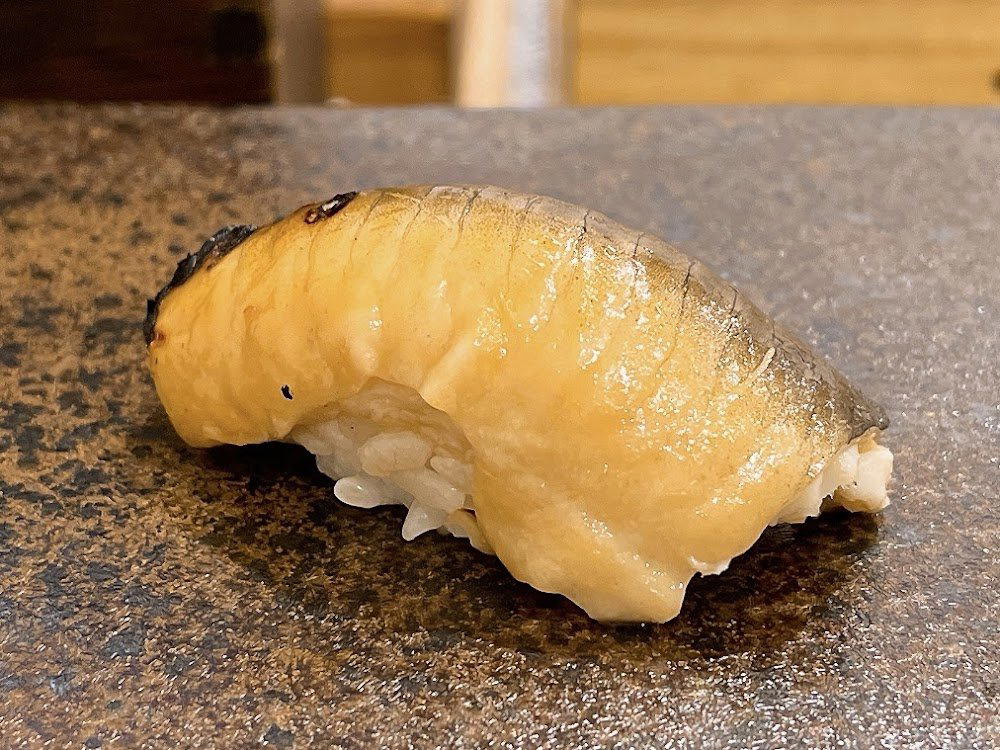
- Hitsumabushi (Nagoya-style grilled eel rice)
- Unagi-jo-don (premium eel rice bowl)
- Shiroyaki (plain grilled eel)
- Stamina Mabushi
- Eel Udon
Approaching Nagoya, the city settles into a calmer dining register, away from the rush of the most obvious arrival points. That setting matters for eel. Nagoya’s unagi culture is not built around spectacle; it rewards repetition, personal preference, and an understanding of how a grill-driven meal should move. Unagiya Shibafukuya belongs to that category: a Nagoya restaurant where diners can settle into the rhythm of a focused eel meal without turning dinner into ceremony.
Nagoya is a demanding city for eel because the local benchmark is high and familiar. Hitsumabushi dominates visitor expectations, but the better read of the scene is broader: eel houses are judged on grilling discipline, rice balance, tare restraint and the confidence to serve a specialist menu without dressing it up as fine dining. A Tabelog 100 Unagi selection in 2024 places Shibafukuya inside that competitive national frame rather than merely among local restaurants.
Nagoya eel for diners who already know the rhythm
The regulars’ perspective is useful here because eel is a repeat-visit food in Japan. The first-timer asks what to order; the returning diner pays attention to timing, pacing, accompaniments and how the kitchen handles the meal across lunch and dinner. Shibafukuya’s appeal sits in that middle ground between everyday eel shop and high-priced destination dining. Its listed budgets run JPY 4,000–4,999 at lunch and JPY 5,000–5,999 at dinner, a range that keeps it accessible for a planned meal while signaling more ambition than a quick station lunch.
The format supports different patterns of use in the way good specialist restaurants often do. A solo diner or pair can approach it as a focused meal; a small group can treat it as a more deliberate Nagoya lunch or dinner. That flexibility is part of why eel restaurants develop loyal clientele: the same restaurant can suit different occasions without changing the core proposition.
Compared with Nagoya’s broader restaurant spread, this is not trying to compete with the city’s most elaborate tasting-menu tier. OLMO sits in a more formal register, while Cafe de Lyon and CHANDELIER occupy lighter, more casual territory. Eel specialists like Shibafukuya sit between those poles: more deliberate than casual dining, less performative than luxury omakase, and judged by a narrower set of craft expectations.
Why the Tabelog 100 signal matters for unagi
Tabelog’s genre lists carry particular weight in categories such as eel, tempura and sushi because they separate specialists from restaurants with broader menus. Selection for Tabelog 100 Unagi in 2024 is not the same kind of signal as a Michelin star, but it does tell a reader that the restaurant is being evaluated within its own tradition. For unagi, that matters more than generic popularity. The question is not whether the room is fashionable; it is whether the kitchen belongs in a national conversation about eel.
The practical value for visitors is that the category is clear. This is a place to choose when the point of the meal is unagi rather than a broad survey of Japanese cooking. That clarity reduces the friction of planning: diners can treat Shibafukuya as the eel stop in a Nagoya itinerary, with expectations set by its Tabelog recognition, its specialist category and its published lunch and dinner budgets.
For readers mapping a Nagoya dining itinerary, the value is not only the meal itself but the way it clarifies the city’s food hierarchy. Nagoya has serious specialists across eel, tempura, cafés and other dining styles; the useful move is to choose one restaurant per category rather than chase a single grand dinner every night. For wider planning, see Our full Nagoya restaurants guide, plus the city guides for hotels, bars, wineries and experiences.
Where it fits in a Japan dining route
Shibafukuya works well as a category-specific booking: choose it when the aim is Nagoya eel, not a catch-all Japanese dinner. That distinction helps avoid a common traveller mistake, treating every good restaurant in Japan as interchangeable. Eel, tempura, sushi, curry, onigiri and sake bars each have different pacing and expectations. A Nagoya itinerary might pair this meal with other local restaurant research, then widen across Japan with regional contrasts.
Those contrasts are instructive. Other dining rooms in Japan may focus on beef cookery, seafood, charcoal, café formats, curry, onigiri or sake-led drinking, each with its own pacing and rules. The lesson is that Japan’s casual and specialist formats can be tightly defined, and eel belongs to one of the most distinctive of those categories. Shibafukuya is useful because it lets a visitor approach that category directly in Nagoya.
The editorial call is simple: book Shibafukuya when eel is the point of the meal. The strongest reason to go is not novelty, chef mythology or luxury signaling; it is the chance to eat in a Nagoya specialist with national genre recognition and a price band that makes sense for a serious unagi lunch or dinner.
Frequently asked questions
What's Unagiya Shibafukuya's location?
Nagoya.
What does dinner at Unagiya Shibafukuya typically cost?
Pricing at Unagiya Shibafukuya is listed as dinner: JPY 5,000 - JPY 5,999; lunch: JPY 4,000 - JPY 4,999.
Should I book Unagiya Shibafukuya in advance?
Yes. For a Nagoya unagi meal with Tabelog 100 recognition, it is sensible to plan ahead, especially at popular lunch and dinner times.
What's the signature at Unagiya Shibafukuya?
The focus is unagi, and the strongest signal is the restaurant’s selection for Tabelog 100 - Unagi - 2024. Expect eel rather than a broad Japanese menu.
Can Unagiya Shibafukuya handle vegetarian requests?
The venue is built around unagi, so vegetarian diners should expect limited options and should check directly before planning a meal there.
Accolades, Compared
Nearby venues at a similar price tier for orientation.
| Venue | Cuisine | Price | Awards | Notes |
|---|---|---|---|---|
| Unagiya ShibafukuyaThis venue (the venue you are viewing) | Traditional Nagoya Unagi (Grilled Eel) | $30–50 | Tabelog 100 #69 | Not listed |
| Unagi Okafuji | Nagoya-style eel and hitsumabushi | $30–50 | Tabelog 100 #4 | Naka |
| Sakana To Nihonshu Atarayo | Creative Seafood Izakaya with Sake | $50–100 | Tabelog 100 #39 | Naka |
| Tempura Yokoi | Traditional Tempura Restaurant | $50–100 | Tabelog 100 #33 | Moriyama |
| 本郷おけい鮨 | Creative Japanese Omakase Sushi | $50–100 | Tabelog 100 #56 | Meitō |
| Shoya Meieki | Yakiniku (Japanese BBQ) | $30–50 | Tabelog 100 #54 | Nakamura |
Recognition history
Dated appearances from independent guides and award organizations, with the underlying list record or original source where available.
Tabelog 100 #69 · No. 69
Tabelog · Tabelog 100 - Unagi - 2024
Continue exploring
More in Nagoya
Restaurants in Nagoya
All restaurants in Nagoya →

Details
- Classic
- Cozy
- Rustic
- Family
- Group Dining
- Casual Hangout
- Special Occasion
- Solo
- Historic Building
- Standalone
- Design Destination
- Sustainable Seafood
- Street Scene
- A La Carte
- Tea
- Beer
- Sake
- Pescatarian Friendly