
Tabelog 100 #4
Our verdict
At street level in Sakae, Unagi Okafuji belongs to Nagoya’s serious eel culture rather than its tourist checklist. The draw is the city’s habit of returning to charcoal-grilled unagi for business meals, family lunches, and repeat-order comfort, backed here by selection for Tabelog 100 - Unagi - 2024 and a format that suits regulars as much as visitors.

Pearl is the En Primeur Club membership app, where members save venues, book tables and use the concierge.
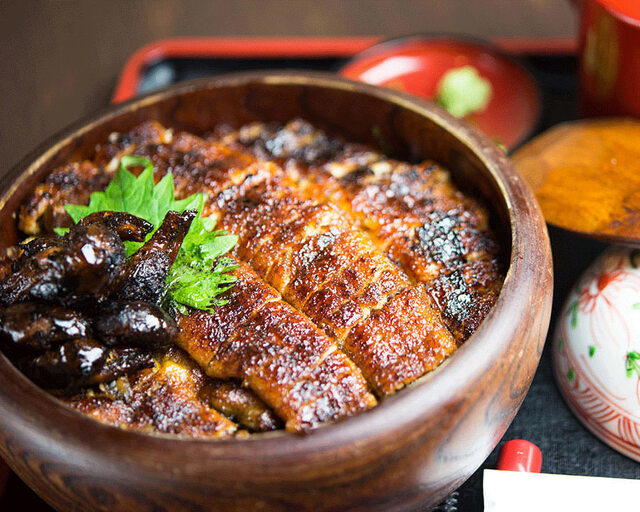
The menu
What to order
- Hitsumabushi with blue-eel liver and clam broth
- Unagi hitsumabushi
- Eel rice bowls (donburi)
- Unaju and eel set meals
The first impression is urban rather than ceremonial: Nagoya traffic, then an unagi room built for people who already know why they came. Nagoya’s eel culture does not need theatrics. It runs on repetition, on regulars who return for the same genre of meal because the category itself carries weight: grilled eel, rice, established service rhythms, and the local expectation that unagi can anchor both a weekday lunch and a family occasion.
Unagi Okafuji sits inside that tradition with a clear signal of seriousness: selection for Tabelog 100 - Unagi - 2024. In Japan’s eel category, that matters because the field is crowded with specialists, counters, city restaurants, and destination houses where technique is judged with little tolerance for novelty. The regulars’ perspective is useful here. This is not a room built around discovery; it is built around return visits, group meals, and the quiet confidence of a restaurant that knows its lane.
Nagoya's eel habit rewards consistency over surprise
Nagoya is closely associated with hitsumabushi, the local style of eating grilled eel over rice in stages, commonly moving from plain rice and eel to condiments and broth. Even when a restaurant’s profile includes broader eel and seafood references, the cultural frame is the same: diners are not chasing invention so much as calibrated grilling, proportion, and pacing. That makes the city’s unagi restaurants a useful contrast to more chef-driven counters or tasting-menu rooms elsewhere in Japan. The pleasure is repeatable by design.
Within Nagoya’s dining hierarchy, eel occupies a middle-premium tier: more formal and occasion-led than casual drinks-and-snacks rooms, less rarefied than the city’s most elaborate special-occasion formats. Comparison within the local scene makes the positioning clearer. Daijin Honten sits in a comfort-and-regulars bracket, while Sushi Gonzaemon speaks to a different kind of focused Japanese meal. Gyoza to Sparkling Bubbles works at a lighter casual register, and Beef Junkie pulls the meal toward meat-driven dining. Unagi Okafuji’s category is narrower, but that narrowness is the point: eel restaurants are judged by focus, not by range.
The award context also separates this address from generic tourist unagi. Tabelog’s Hyakumeiten lists are category-specific, so inclusion in the unagi selection places the restaurant among specialists rather than general Japanese restaurants. For a traveller, that is a cleaner signal than broad popularity. For a Nagoya regular, it confirms something more practical: this is the kind of place that can be used for repeated meals without asking diners to decode a new format each time.
The room is set up for repeat diners, not tasting-menu suspense
The structure of the restaurant tells its own story. This is a specialist unagi address whose appeal shifts the experience away from counter worship and toward meals with family, colleagues, or visiting relatives. The practical tone matters because eel in Nagoya often functions as an intergenerational meal rather than a date-night trophy.
That regulars’ logic also explains the restaurant’s focus. The listed category is unagi and seafood, with eel clearly anchoring the experience. The essential appeal remains the seated meal: rice, eel, pacing, and the social rhythm of a dish that carries enough structure to satisfy without the ceremony of a tasting menu.
There is an important distinction between familiarity and complacency. In a city with a deep eel habit, repeat business is earned by execution, not novelty. A traveller used to destination restaurants may look for a chef narrative; Nagoya’s unagi culture gives fewer rewards for that approach. The better question is whether the restaurant makes sense for the occasion. Here, the format is strongest for diners who want a specialist eel meal with enough comfort for a focused local experience, not a tiny-room pilgrimage.
How to place it in a Nagoya itinerary
The restaurant is in Nagoya, which works well for visitors building a broader city plan around commercial corridors, hotel stays, and evening dining. That makes it easier to pair with a wider itinerary than an outlying destination meal. Readers building a food itinerary should use Our full Nagoya restaurants guide for the wider city edit, then cross-check nearby stays through Our full Nagoya hotels guide. For after-dinner planning, Our full Nagoya bars guide is the more useful next step than forcing another restaurant into the same evening.
Travellers comparing categories should also separate this meal from Japan’s other comfort formats. The pull of eel in Nagoya is different from beef-led meals, seafood-led meals, or everyday rice formats in other cities. Those comparisons are not about hierarchy; they show how Japanese dining traditions change when the anchor ingredient changes.
For readers mapping a longer Japan or Asia dining run, adjacent reference points can help calibrate expectations: other everyday-specialist restaurants across Japan and the region belong to different traditions from Nagoya eel. Sake-led Japanese dining offers another angle, while Nagoya’s local dining map can be widened with unnamed casual rooms, specialists, and hotel dining.
The broader Nagoya trip need not stop at dining. Our full Nagoya wineries guide and Our full Nagoya experiences guide help place a meal like this inside a city stay rather than treating it as an isolated reservation. Unagi Okafuji is strongest when read that way: a polished, category-specific expression of Nagoya’s eel appetite, useful for diners who value repetition, comfort, and a local tradition with enough depth to carry the meal without performance.
Frequently asked questions
Where do I go for Unagi Okafuji?
Unagi Okafuji is located in Nagoya.
What should I budget for a meal at Unagi Okafuji?
Pricing at Unagi Okafuji is listed as Dinner: JPY 6,000 - JPY 7,999; Lunch: JPY 4,000 - JPY 4,999.
What are the operating hours at Unagi Okafuji?
Specific operating hours for Unagi Okafuji are not provided here; check directly with the restaurant before visiting.
What is Unagi Okafuji known for?
Unagi Okafuji is known for unagi and seafood in Nagoya, with selection for Tabelog 100 - Unagi - 2024.
Where the Accolades Land
Comparable venues at similar price and category levels.
| Venue | Cuisine | Price | Awards | Notes |
|---|---|---|---|---|
| Unagi OkafujiThis venue (the venue you are viewing) | Nagoya-style eel and hitsumabushi | $30–50 | Tabelog 100 #4 | Not listed |
| Umi no Hi | Seafood-focused Japanese Izakaya | $50–100 | Tabelog 100 #88 | Naka |
| Chisouan Hijiri | Traditional Kyoto-style kaiseki | $50–100 | Tabelog 100 #96 | Higashi |
| Tsutsui Seijaku | Seasonal Japanese Kaiseki in Private Rooms | $150–200 | Tabelog 100 #40 | Higashi |
| Sakana To Nihonshu Atarayo | Creative Seafood Izakaya with Sake | $50–100 | Tabelog 100 #39 | Naka |
| Shutei Nawa | Japanese Izakaya Seafood | $50–100 | Tabelog 100 #61 | Higashi |
Recognition history
Dated appearances from independent guides and award organizations, with the underlying list record or original source where available.
Tabelog 100 #4 · No. 4
Tabelog · Tabelog 100 - Unagi - 2024
Continue exploring
More in Nagoya
Details
- Classic
- Cozy
- Lively
- Business Dinner
- Group Dining
- Family
- Special Occasion
- After Work
- Private Dining
- Design Destination
- Standalone
- Sustainable Seafood
- A La Carte
- Set Menu
- Tasting Menu
- Beer
- Sake
- Pescatarian Friendly
Current opening hours
- Monday
- 11 AM–2:30 PM, 5–10 PM
- Tuesday
- 11 AM–2:30 PM, 5–10 PM
- Wednesday
- 11 AM–2:30 PM, 5–10 PM
- Thursday
- 11 AM–2:30 PM, 5–10 PM
- Friday
- 11 AM–2:30 PM, 5–10 PM
- Saturday
- 11 AM–2:30 PM, 5–10 PM
- Sunday
- 11 AM–2:30 PM, 5–10 PM
Hours can change for holidays and private events. Last verified .
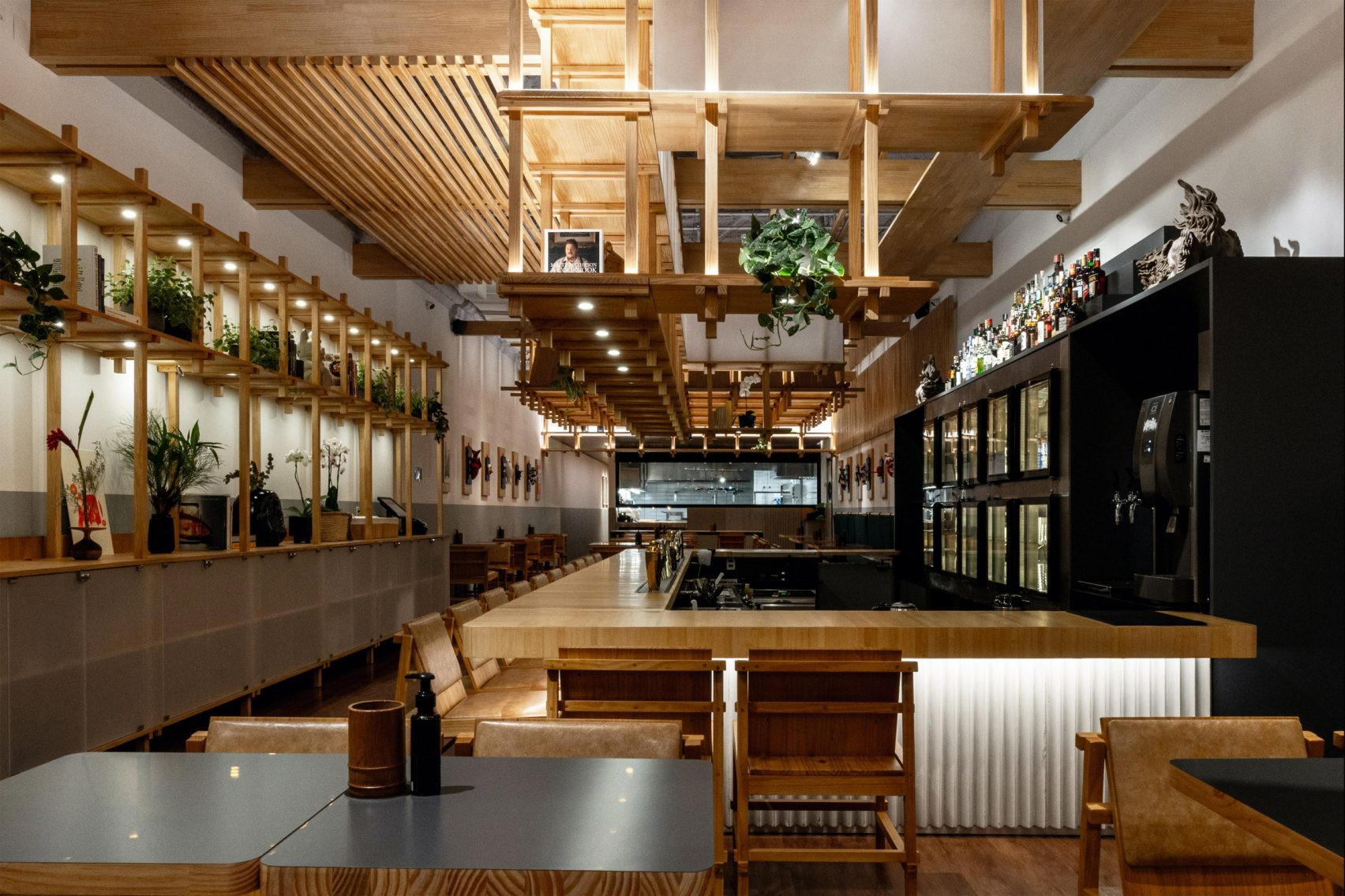
Traditional Nagoya eel specialist in the Misonoza Tower with a classic, comfortable setting and private rooms, suited to both everyday meals and slightly special occasions.