Tabelog 100 #33
Our verdict
Nagoya’s tempura culture rewards timing, restraint, and counter discipline as much as ingredients. Tempura Yokoi belongs in that conversation through Tabelog Tempura 100 selections in 2022, 2023, and 2025, a Michelin Plate citation in the 2019 Aichi, Gifu, Mie guide, and a format that treats pacing as part of the meal rather than an afterthought.

Pearl is the En Primeur Club membership app, where members save venues, book tables and use the concierge.
The menu
What to order
- Tempura set meal (lunch)
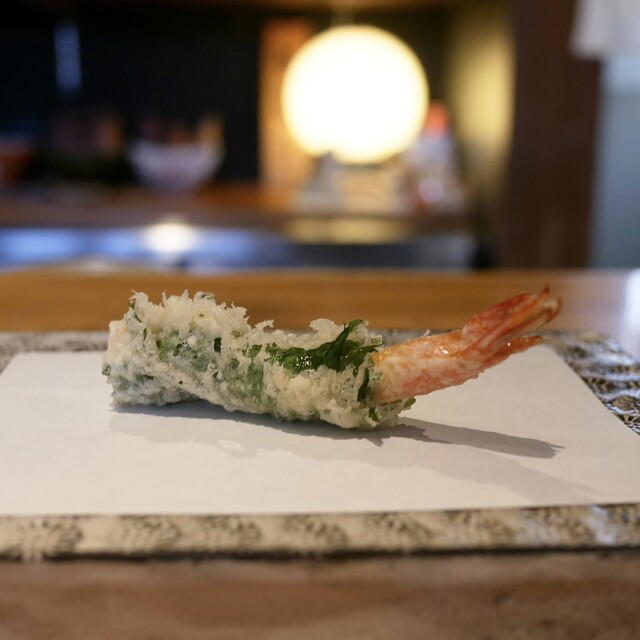
- Shrimp tempura
- Shrimp kakiage fritters
- Ten-don (tempura bowl)
Nagoya changes the rhythm before the first plate: quieter, more residential in feel, away from station-front department-store dining floors and business-hotel restaurants, and better suited to attention than spectacle. Tempura at this level depends on timing: lightly mixed batter, steady oil temperature, each piece served before steam softens the crust. Tempura Yokoi sits in that ritual-driven category, where the cooking is the focus, not decoration. The 2019 Michelin Plate citation in the Michelin Guide Aichi, Gifu, Mie Special Edition reinforces that point.
Nagoya’s dining identity is often reduced to miso katsu, kishimen, hitsumabushi, and morning-service cafés. That misses the city’s appetite for specialist restaurants outside tourist circuits. Tempura belongs to that pattern: repetition, control, and a local audience that rewards precision over theater. Recognition in Tabelog’s tempura selection for 2025, with a listed score of 3.98, places Tempura Yokoi in a conversation that reaches beyond a local list of reliable addresses.
Tempura as a paced ritual, not a parade of fried pieces
At a serious tempura meal, the question is not only what is fried, but when each piece leaves the oil, how fast it reaches the diner, and how the meal alternates texture, heat, and pause. The form asks restraint from both sides: diners eat in sequence rather than by the casual rhythm of shared plates; the kitchen works in short bursts, not banquet waves. Service rhythm therefore matters as an idea: Tempura Yokoi belongs to a style where timing, proximity to the cooking, and attention define the experience.
The listing for tempura and ten-don also explains Nagoya’s relationship with the genre. Piece-by-piece tempura belongs to the discipline of timing; ten-don moves that technique into rice-bowl form, where sauce, rice, and fried batter must stay balanced. In Japan’s larger dining cities, high-end tempura can become hushed luxury. In Nagoya, the more interesting version often keeps one foot in everyday appetite while maintaining specialist technique.
The Tabelog recognition reinforces that point. It should not be inflated into a claim beyond what is listed, but it is still useful context: a 2025 tempura selection and a 3.98 score indicate that Tempura Yokoi has been noticed within a competitive specialist category. That gives the address stronger critical footing than a casual local recommendation, while keeping the focus where it belongs: on craft, timing, and consistency.
Where it fits in Nagoya's dining map
Nagoya is not only a quick stop for familiar local specialties, and that is part of the case. Central areas concentrate department-store restaurants, hotel dining rooms, izakaya clusters, and business-district lunch counters. The wider city rewards deliberate choices: diners crossing town for a format, locals who know the reservation rhythm, and meals that do not need nightlife around them. Tempura Yokoi reads as a specialist address, not a convenience pick.
Nearby comparisons clarify its position without turning the choice into a simple ranking. Yada Katsu and Merlion point toward other casual local possibilities. Cafe Tanaka Honten belongs to a different style of stop, while Onkaiseki Shiratama suggests a more ceremonial dining mood. Tempura Yokoi is best read on its own terms: a focused tempura and ten-don address for travelers who want a specialist meal rather than a broad survey of Nagoya dining in one sitting.
The meal format points the same way. Tempura can be distorted by accompaniments that are too heavy or sweet, and the best versions keep the frame clean enough for batter, steam, oil, and seasoning to register clearly. The point is not breadth alone, but that the restaurant is best understood as a composed meal rather than a quick fry-and-go counter.
For city planning, Tempura Yokoi belongs in a Nagoya itinerary that separates specialist dining from general sightseeing. The wider EP Club map can place it alongside Our full Nagoya restaurants guide, Our full Nagoya hotels guide, Our full Nagoya bars guide, Our full Nagoya wineries guide, and Our full Nagoya experiences guide. Other Nagoya dining rooms show how varied the city’s restaurant field becomes beyond a Nagoya-meshi checklist, from casual local meals to more formal specialist meals.
The reader decision: go for craft, timing, and local seriousness
This is for diners who understand tempura as sequence, not category. The appeal is control, not novelty. A meal here asks punctuality, attention, and willingness to let the kitchen set the tempo. That etiquette is part of the value: tempura loses force as background food, and Japan’s stronger examples make that clear without overexplaining the rules.
The practical implications matter. The listed budget is Dinner: JPY 10,000 - JPY 14,999; Lunch: JPY 2,000 - JPY 2,999, which frames the restaurant as a serious but not necessarily ultra-formal tempura choice. That range also helps explain its appeal: it can function as a focused specialist meal without demanding the time or ceremony of the most elaborate fine-dining formats.
Within Japan’s restaurant culture, Tempura Yokoi shows why regional specialist dining deserves more attention. Tokyo and Kyoto absorb much international gaze, but cities such as Nagoya often produce restaurants with firmer local followings and less performative polish. The result can feel more direct: technique first, recognition second, atmosphere built from habit rather than design language. For travelers building a Japan dining route beyond the obvious capitals, that is the argument.
EP Club’s wider Japan and diaspora dining index places this address among many different formats across Japan and beyond. Read that spread correctly: not every Japanese meal should be formal. Each format has its own discipline. In Nagoya, the discipline at Tempura Yokoi is tempura: hot, sequenced, and unforgiving of poor timing.
Frequently asked questions
Where is Tempura Yokoi in Nagoya?
Nagoya.
How much does it cost to eat at Tempura Yokoi?
Pricing at Tempura Yokoi is listed as Dinner: JPY 10,000 - JPY 14,999; Lunch: JPY 2,000 - JPY 2,999.
When is Tempura Yokoi open?
Check current opening details directly with Tempura Yokoi before visiting.
What is Tempura Yokoi known for?
Tempura Yokoi is known for tempura and ten-don in Nagoya, with Tabelog tempura recognition listed for 2025.
A Lean Comparison
Comparable venues by cuisine and category.
| Venue | Cuisine | Price | Awards | Notes |
|---|---|---|---|---|
| Tempura YokoiThis venue (the venue you are viewing) | Traditional Tempura Restaurant | $50–100 | Tabelog 100 #33 | Not listed |
| Yada Katsu | Nagoya-Style Miso Katsu | $10–20 | Tabelog 100 #87 | JPY 2,000 - JPY 2,999 JPY 1,000 - JPY 1,999 |
| Merlion | Singaporean Cuisine | $20–30 | Tabelog 100 #69 | JPY 2,000 - JPY 2,999 - JPY 999 |
| Onkaiseki Shiratama | Traditional Tea Kaiseki | $150–200 | Tabelog 100 #95 | JPY 20,000 - JPY 29,999 JPY 15,000 - JPY 19,999 |
| Cafe Tanaka Honten | Not listed | $20–30 | Tabelog 100 #98 | JPY 1,000 - JPY 1,999 JPY 1,000 - JPY 1,999 |
| Ramen Asuka | Not listed | Not listed | Not listed | JPY 1,000 - JPY 1,999 JPY 1,000 - JPY 1,999 |
Recognition history
Dated appearances from independent guides and award organizations, with the underlying list record or original source where available.
Tabelog 100 #33 · No. 33
Tabelog · Tabelog 100 - Tempura - 2025