
Hamamatsu’s eel culture has few places with clearer local credentials than Unagi Ryori Atsumi, a 35-seat unagi and Japanese cuisine restaurant selected for Tabelog 100 - Unagi - 2024. The appeal is cultural as much as culinary: Lake Hamana sits at the center of Japan’s farmed-eel identity, and this address keeps the meal focused on domestic live eel rather than spectacle.
Pearl is the En Primeur Club membership app — saves, bookings, and concierge access live there. Same editors, same standards.
- Address
- 静岡県浜松市中央区千歳町70
- Phone
- +81534551460
- Website
- unagi-atsumi.com
 Saves & bookings on Pearl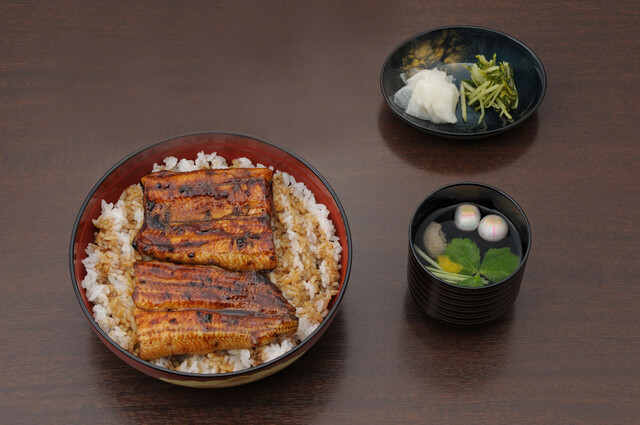
A serious unagi meal in Hamamatsu is rarely theatrical. The city’s eel culture is tied to Lake Hamana, rail-station lunches, family meals, and the old logic of heat, rice, sauce, and timing. Unagi Ryori Atsumi belongs to that tradition, not the tasting-menu economy reshaping high-end Japanese dining in larger cities.
Hamamatsu frames eel differently from Tokyo or Nagoya. Tokyo often approaches unagi through long-established city houses and Kanto-style references. Nagoya bends toward hitsumabushi, with its sequence of condiments, broth, and rice. Hamamatsu’s authority comes from proximity: Lake Hamana has been central to Japan’s eel farming history, and the city treats unagi less as novelty than civic food with rituals. That matters because the meal does not broaden the category. It narrows it.
Hamamatsu eel culture, stripped back to the essentials
Read this restaurant not as chef-led performance but as a local specialist working inside a disciplined category. Unagi Ryori Atsumi is listed for unagi and Japanese cuisine, focused on live domestic eel from Japan and Lake Hamana. That sourcing note is more than a label. In a cuisine where imported or pre-processed grilled eel can blur convenience and craft, it places the restaurant in the narrower specialist tier.
Tabelog selected the restaurant for Tabelog 100 - Unagi - 2024, and its score is 3.73. Those numbers do not replace judgment, but they show this is not a casual station-area eel stop trading only on local demand. The same recognition appeared in 2022, 2019, and 2018, a continuity signal in a category where consistency matters as much as novelty.
The format is compact: 35 seats across chair seating and tatami seating, with private-room capacity listed for eight. That mix shows how unagi functions in Hamamatsu: formal enough for a planned meal, accessible enough for families or small groups. English-language support comes through a multilingual menu and photo menu, easing the experience for travelers without turning it into a tourist-facing production.
Within Hamamatsu, the comparison set is scattered rather than neatly ranked. Yakitori houses such as 焼き鳥幸羽(こはね) and Torihama run on a different nightly rhythm, while LaLa Curry sits in a much lower price band and suits another eating occasion. For readers mapping the city beyond eel, Our full Hamamatsu restaurants guide is the broader starting point, with related planning through Our full Hamamatsu hotels guide, Our full Hamamatsu bars guide, Our full Hamamatsu wineries guide, and Our full Hamamatsu experiences guide.
Why the room matters as much as the grill
Unagi restaurants are often judged by restraint: whether the room lets the dish carry the meal, the service format avoids distracting from the wait, and the house feels built for repeat local use rather than occasional culinary tourism. The practical signals point to that older model. The restaurant is non-smoking, wheelchair accessible, has tatami seating, offers take-out, and accepts children, including babies and stroller use with advance contact requested. That is not the grammar of a rarefied counter. It is the grammar of a civic dining room.
The drinks note is equally telling. Sake is listed, keeping pairing logic close to the Japanese table rather than pushing into wine-led luxury. Payment is cash-oriented, with credit cards, electronic money, and QR code payments not accepted. In Japan, that often marks a place whose operations have not been rebuilt around inbound travel convenience. For visitors, it is a planning point; for the scene, a reminder that regional specialists do not always behave like metropolitan destination restaurants.
The value proposition sits in a distinct lane. Lunch and dinner are both listed at JPY 5,000 to JPY 5,999, with review-based average spend higher at JPY 6,000 to JPY 7,999. That places the meal above everyday casual dining but below the luxury bracket of omakase counters and elaborate kaiseki. In Hamamatsu, this middle-premium unagi tier is where tradition, sourcing, and repeat local demand intersect.
For travelers building a Japan dining itinerary, this is different from chasing new openings in Tokyo or Osaka. The point is to understand a regional dish in the city that helped define its modern supply identity. A meal here belongs beside other focused Japanese categories rather than broad luxury dining: soba at Honkaku Teuchi Moriya Toukyou ten, local Japanese cooking at Fukumitsu, and tightly defined restaurant formats such as Kibori, Abondance, and Binshan Li. The common thread is specificity, not cuisine type.
How to place it in a wider Japan itinerary
Hamamatsu is not a city where every meal needs breadth. The sharper strategy is to let the city do what it does with authority, then use other stops for contrast. Beef-focused cooking in Kamakura, such as -Grilled beef Sukiyaki- KAMAKURA TANUKIAN 鎌倉 たぬき庵 in Kamakura, works on ceremony and protein in another register. Tokyo’s casual grill-and-fish addresses, including. 鮪と炭火焼き うお炭 秋葉原店 in Tokyo, return the traveler to urban variety. Osaka café culture, represented by.cafe in Osaka, and regional casual formats such as.know in Kumamoto, (Shoku) Vietnam in Kawasaki, and [Curry Senmon Ten] Maruyama Kyoju. in Sapporo serve different purposes.
That contrast is useful. Unagi Ryori Atsumi is strongest as a regional anchor, not a trophy booking. It gives travelers a clear read on Hamamatsu’s eel identity: domestic live eel, Lake Hamana context, a compact room, family-friendly structure, and repeated Tabelog 100 recognition in the unagi category. For readers extending the trip beyond Japan, the same principle applies to focused diaspora formats such as Jōdo Saké Bar in Los Angeles or Onigiri Time in Pasadena: the narrower the format, the more the details matter.
Cost and Credentials
Nearby venues at a similar price tier for orientation.
| Venue | Price | Awards | Notes |
|---|---|---|---|
| Unagi Ryori AtsumiThis venue — the venue you are viewing | $$ | , | |
| Sumiyaki Unagi Aoiya | $$ | , | Chuo Ward (Iidamachi), Kansai-style Charcoal-Grilled Unagi |
| Tenkin | $$ | , | Tamachi, Chuo Ward, Traditional Tempura & Tendon Counter |
| Kiyo | $ | , | Naka Ward (Kamoe), Traditional Hamamatsu gyoza & horumon |
| Torihama | $$ | , | Naka-ku, Traditional Japanese Chicken Specialty |
| Kitanose | $$$ | , | Tamachi, Chuo Ward, Upscale Japanese Kappo / Kaiseki |
Continue exploring
More in Hamamatsu
Restaurants in Hamamatsu
Browse all →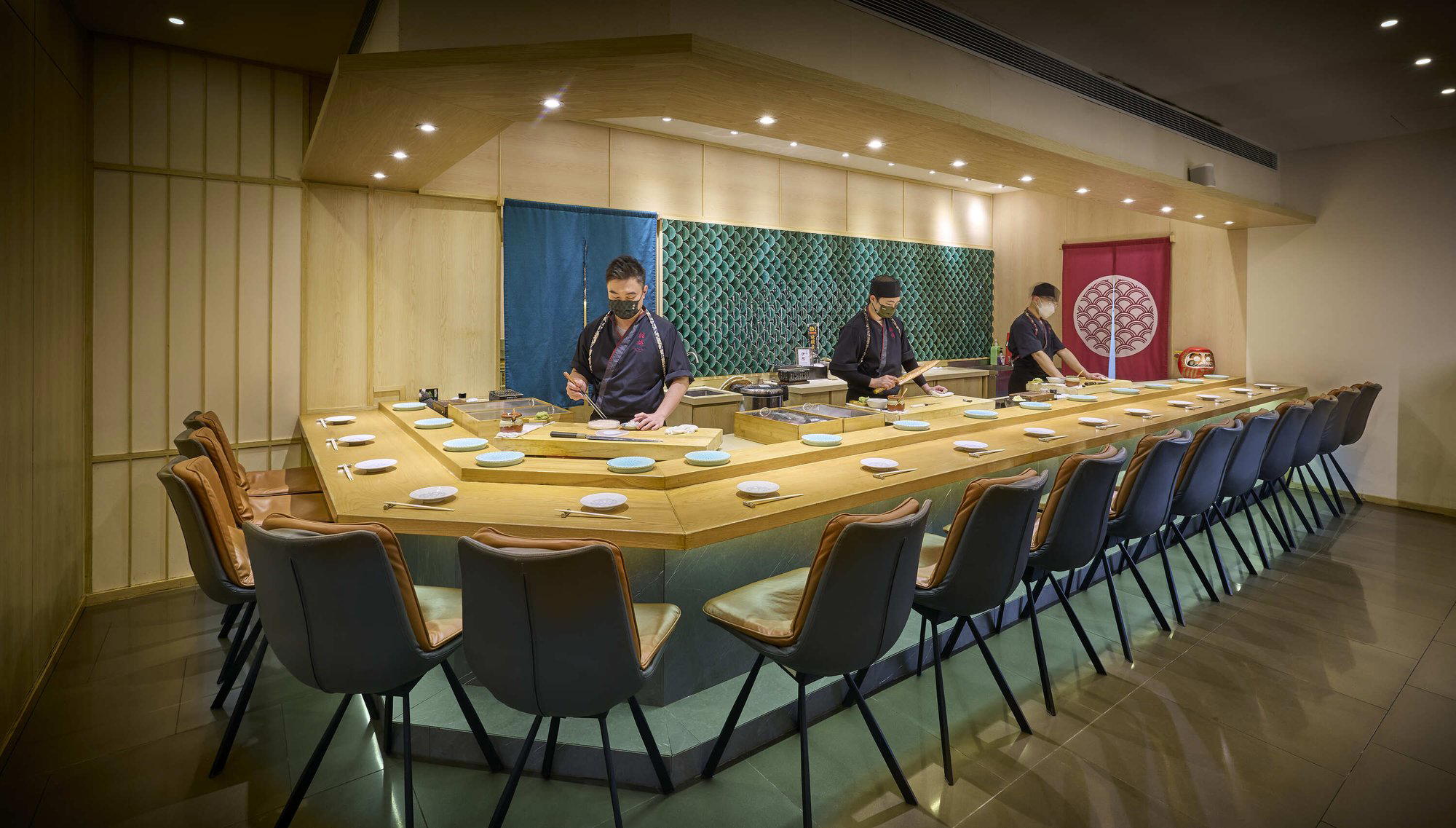

Hotels in Hamamatsu
Browse all →
At a Glance
- Classic
- Cozy
- Hidden Gem
- Family
- Group Dining
- Solo
- Casual Hangout
- Standalone
- Historic Building
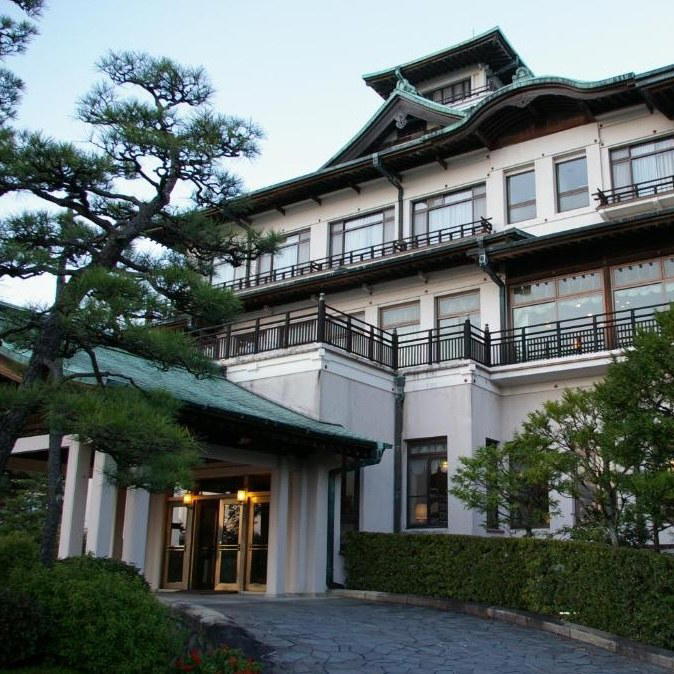
Traditional, compact unagi restaurant with a classic, slightly nostalgic feel, typically bustling at meal times but still comfortable for conversation.