Umamia sits in Montreal's increasingly competitive modern dining tier, where the city's appetite for technique-driven, umami-forward cooking has carved out a distinct niche. Located on Rue du Séminaire, it draws comparisons to the broader wave of ingredient-focused restaurants reshaping how Montreal eats. For visitors tracking the city's dining evolution, it belongs on the same itinerary as the neighbourhood's sharper contemporary tables.
Pearl is the En Primeur Club membership app — saves, bookings, and concierge access live there. Same editors, same standards.
- Address
- 259 Rue du Séminaire, Montréal, QC H3C 2A4, Canada
- Phone
- +14385582656
- Website
- umamia.ca
- Directions
- Get directions
 Saves & bookings on Pearl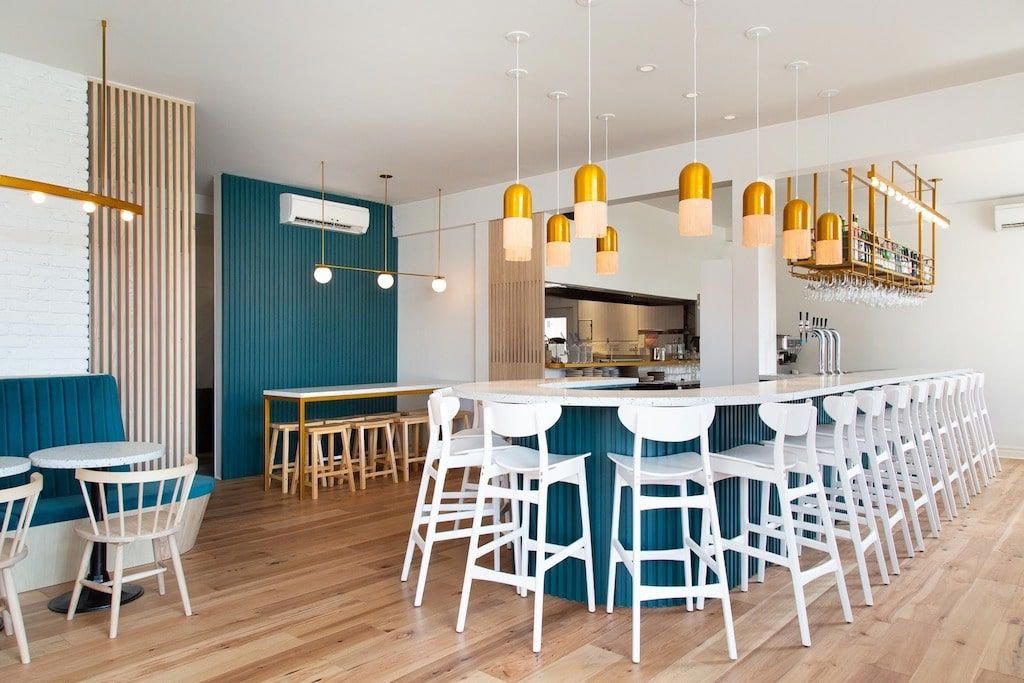
Where Montreal's Umami Obsession Takes Shape
Montreal's dining culture has always run parallel to, rather than derivative of, its French and North American neighbours. The city that gave Canada Jérôme Ferrer - Europea and sustains a year-round market for technically ambitious cooking at multiple price points is, at this stage, a genuinely mature restaurant city. Within that context, a venue trading on umami-forward cuisine at Rue du Séminaire slots into a specific and growing niche: ingredient-driven kitchens that treat depth of flavour as a structural principle rather than a finishing touch.
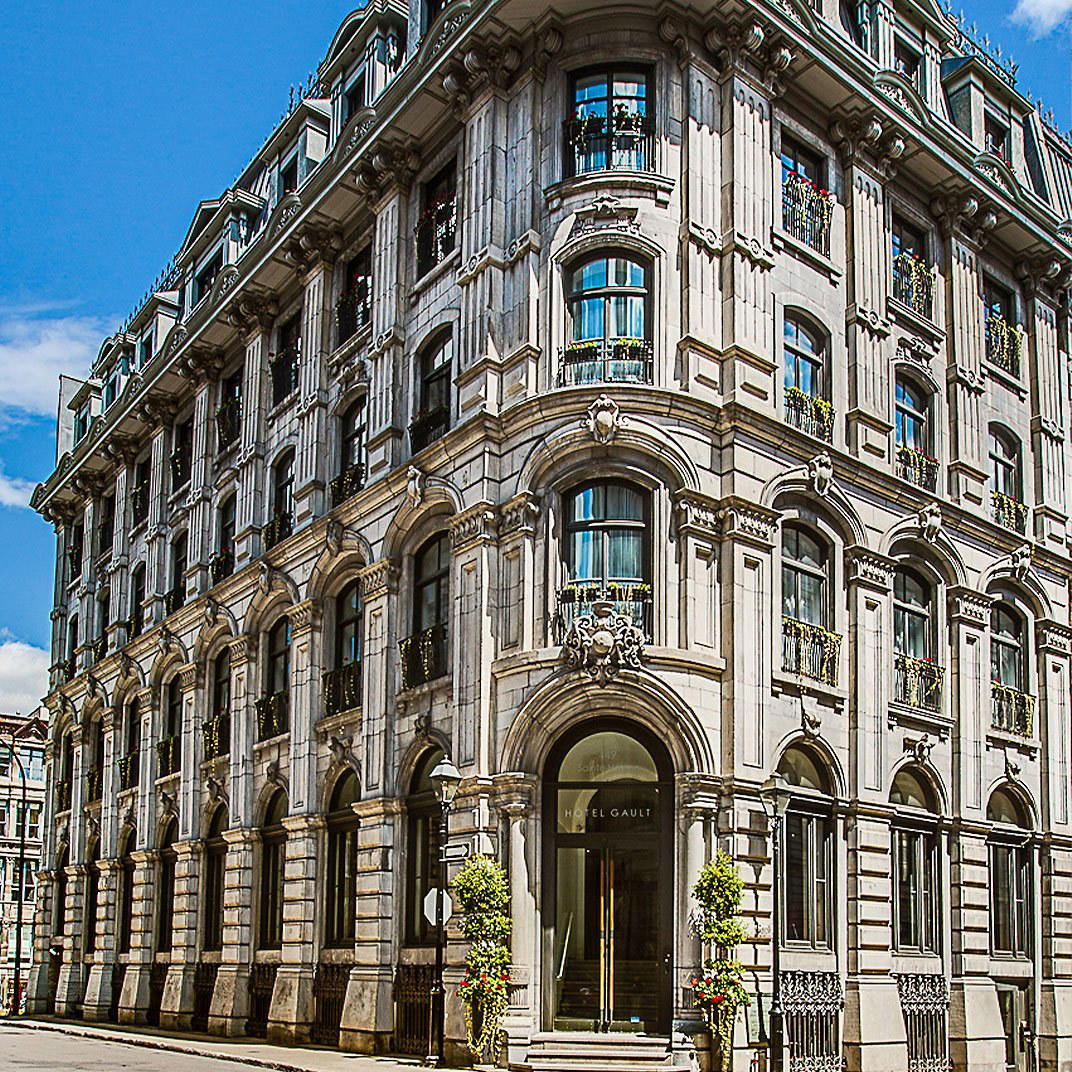
The address itself places Umamia in a part of Montreal where the built environment does a lot of the atmospheric work. Rue du Séminaire, in the Old Montreal-adjacent corridor, is the kind of street that rewards arrival on foot. The city's older stone architecture frames newer dining concepts in a way that softens what might elsewhere feel like a hard contrast between tradition and modernity. Walking toward a restaurant here, even before the door opens, you are already in a particular version of Montreal.
The Logic of Umami-Forward Dining
Across the broader Canadian dining scene, the last decade has seen a meaningful shift in how kitchens use fermentation, aged proteins, and concentrated broths. What was once a technique associated mainly with Japanese cuisine has migrated into a wider vocabulary. Mastard in Montreal and comparable modern tables have demonstrated that local diners will follow kitchens into more complex flavour territory when the execution is disciplined. The umami-forward category benefits from that shift: it can draw on miso, kombu, aged cheese, slow-roasted alliums, and long-simmered stocks without committing to a single national tradition.
That pluralism is, arguably, what defines the category in 2024. The strongest kitchens working in this register treat umami not as a flavour to add but as a condition to create: through time, temperature, and the choice of ingredients that naturally accumulate glutamates. Montreal's food culture, shaped by its proximity to Quebec's agricultural output and its deep French-trained cooking tradition, is well-positioned to support that approach. The same instinct that makes Toqué's sourcing philosophy coherent makes an umami-centred menu legible and locally resonant here in a way it might not be in a less agriculture-connected city.
The Ritual of the Meal: Pacing and Intention
Dining at a venue operating in this register tends to reward a particular kind of attention. Umami-forward menus are built for progression: the compounds that produce depth of flavour accumulate on the palate across courses, meaning the sequence of eating matters more than it would at a kitchen focused on brightness or acidity as its primary register. A broth that might read as mild in isolation becomes a reference point by the third course; a fermented element introduced early recalibrates how everything after it lands.
This structural quality shapes the etiquette of the meal in practical terms. Rushing a menu designed around flavour accumulation is a category error, and restaurants in this tier typically pace accordingly. In Montreal, where the dining room culture still carries some inheritance from the French tradition of the long table, that pacing tends to feel natural rather than imposed. Compare this to the faster turnover model that defines, say, the brasserie tier at places like L'Express, and the difference in intent becomes immediately clear. This is a room where the implicit contract between kitchen and diner involves time.
For Canadian diners making comparisons across cities, the closest peer references are not in Montreal's own French bistro tradition. They sit closer to what Alo in Toronto or Tanière³ in Quebec City do with progressive tasting structures: considered sequencing, an assumption that the diner is paying attention, and a format that asks for engagement rather than passive consumption. AnnaLena in Vancouver operates in a similar register on the West Coast, where ingredient focus and tasting-format discipline have become the markers of a serious kitchen.
Montreal's Modern Dining Tier in 2024
Montreal has developed a middle tier of modern restaurants that sits between the established grand tables and the casual natural wine bar format. Sabayon and Mastard are two reference points in this bracket, where the price point is accessible relative to the ambition, and the kitchen's vocabulary is closer to contemporary than to classical French. Umamia's positioning within that tier reflects a broader pattern: Montreal diners have demonstrated they will support technically grounded restaurants that are not built around a single famous name or a legacy concept.
That is a meaningful shift from a decade ago, when much of the city's dining energy consolidated around a smaller number of marquee addresses. Today, the interesting question in Montreal is not which grand table to book but which second- and third-generation modern kitchens are developing their own distinct voice. 3 Pierres 1 Feu and Abu el zulof occupy adjacent points in the city's map of contemporary dining, each representing a different angle on what modern Montreal cooking can mean. The full Montreal restaurants guide maps this terrain in detail for readers planning a broader visit.
For context on what distinguishes Canada's most compelling dining destinations more broadly, it is worth looking at outliers like Eigensinn Farm in Singhampton, Restaurant Pearl Morissette in Lincoln, and Narval in Rimouski. These are kitchens built around a specific place and a specific set of ingredients, where the dining ritual is inseparable from its geographic context. Umamia's urban address puts it in a different position, but the underlying principle of depth-through-intention connects it to the same broader current in Canadian cooking.
Internationally, the umami-forward restaurant model has sophisticated reference points in venues like Atomix in New York City, where Korean fermentation and progressive tasting formats intersect, or the classical French precision of Le Bernardin, which has long treated depth of flavour as the primary target of its seafood kitchen. The Pine in Creemore and Barra Fion in Burlington represent the same instinct at a smaller regional scale within Canada.
Planning a Visit
Umamia is located at 259 Rue du Séminaire in Montreal. The address sits in the Old Montreal-adjacent zone, accessible by Metro and walkable from the main hotel corridor along the waterfront. For a restaurant operating in this category, advance reservations are advisable; modern kitchens with focused menus and deliberate pacing typically run at capacity on weekends and often mid-week during peak months. Montreal's dining season peaks between May and October, when the terrasse culture is active and the city runs at its most social, though winter evenings at serious restaurants carry their own particular quality. Checking the restaurant's current booking channels directly is the most reliable approach, as smaller modern kitchens in this tier may shift between reservation platforms seasonally.
At a Glance
- Modern
- Elegant
- Intimate
- Date Night
- Casual Hangout
- Sake Program
Current opening hours
- Monday
- Closed
- Tuesday
- 5:30–10 PM
- Wednesday
- 5:30–10 PM
- Thursday
- 5:30–10 PM
- Friday
- 5:30–10 PM
- Saturday
- 5:30–10 PM
- Sunday
- Closed
Hours can change for holidays and private events. Last verified .
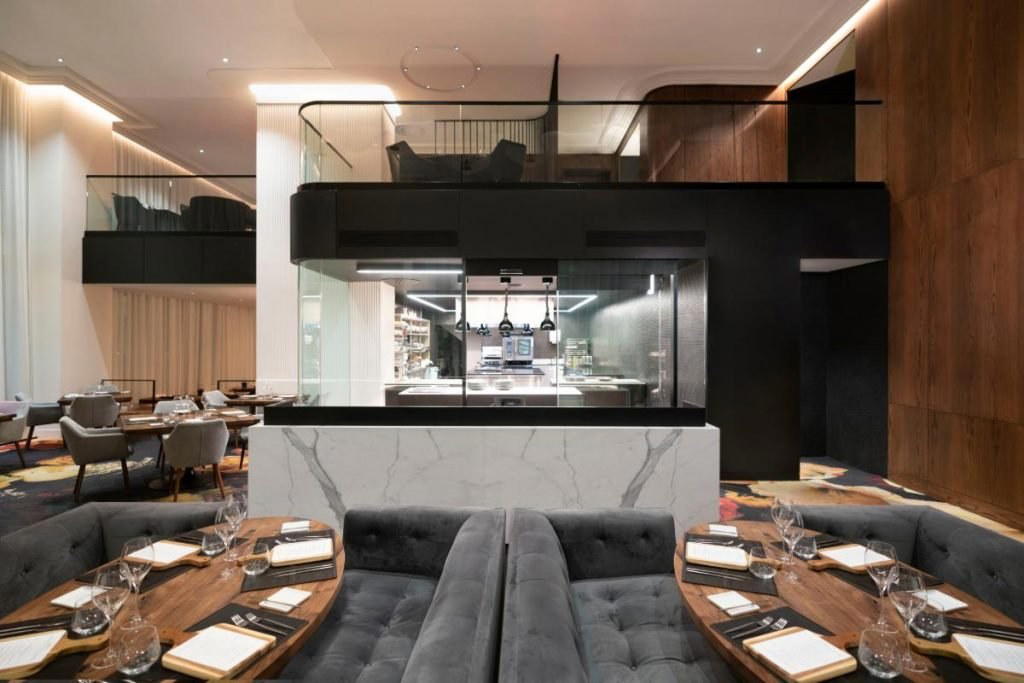
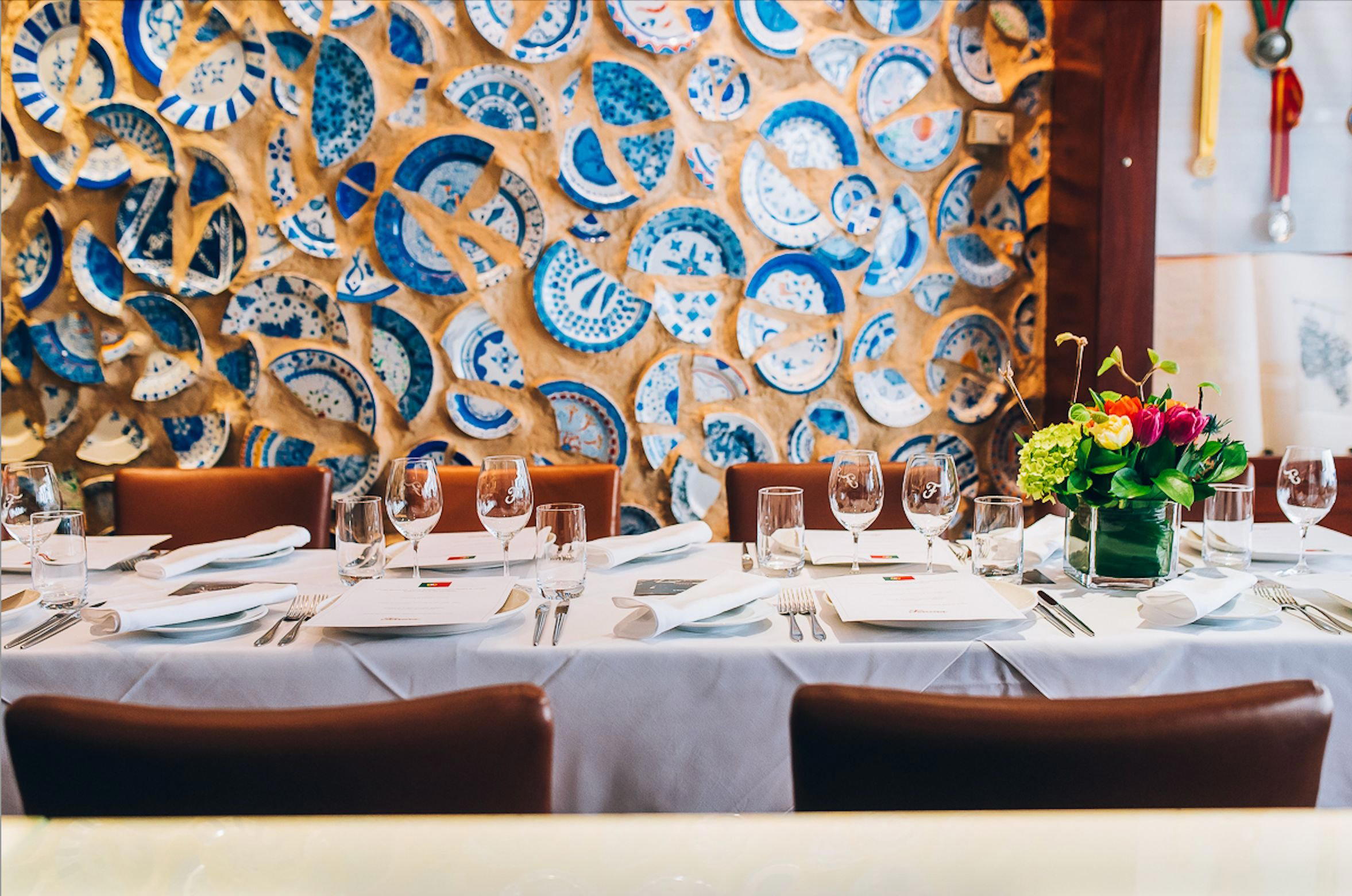
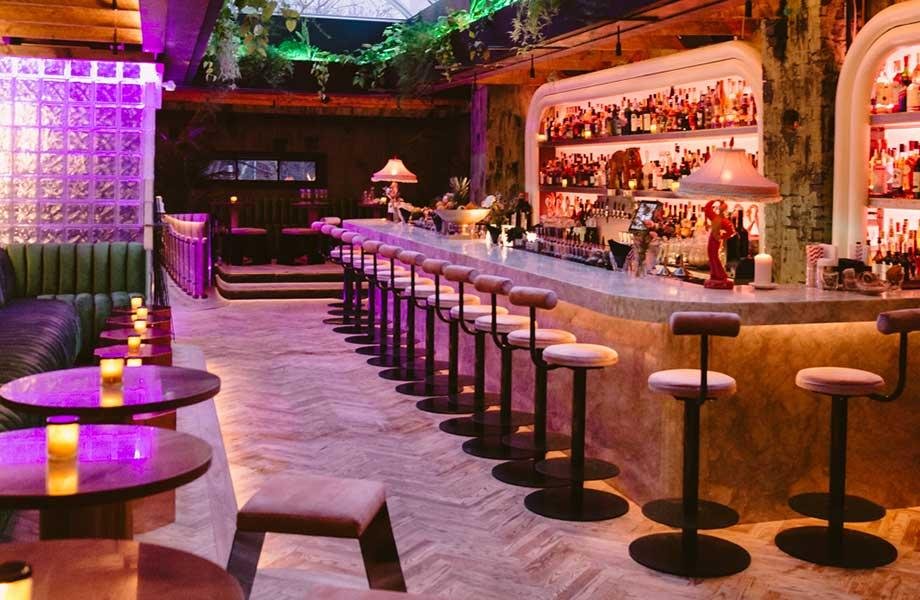
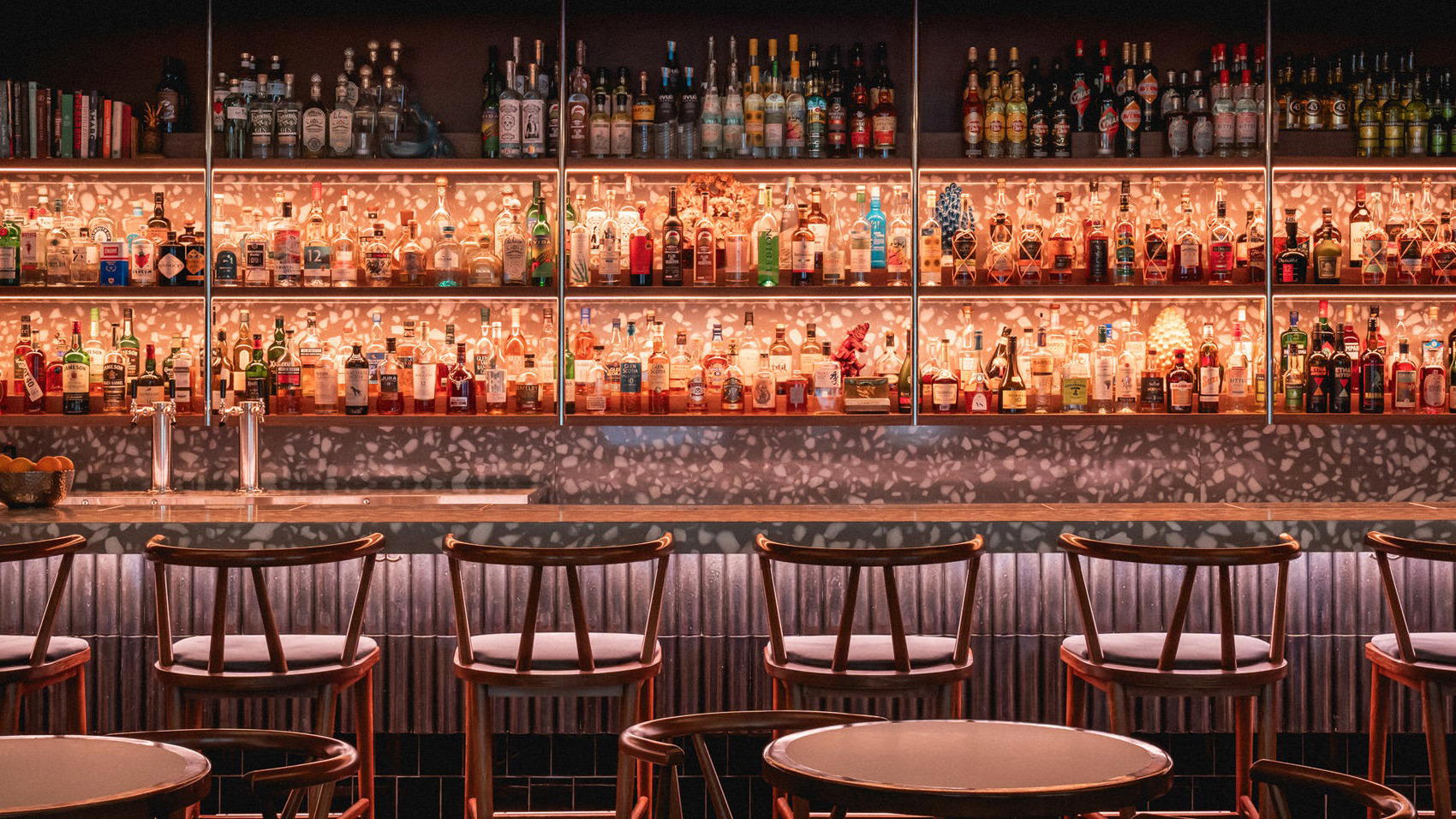
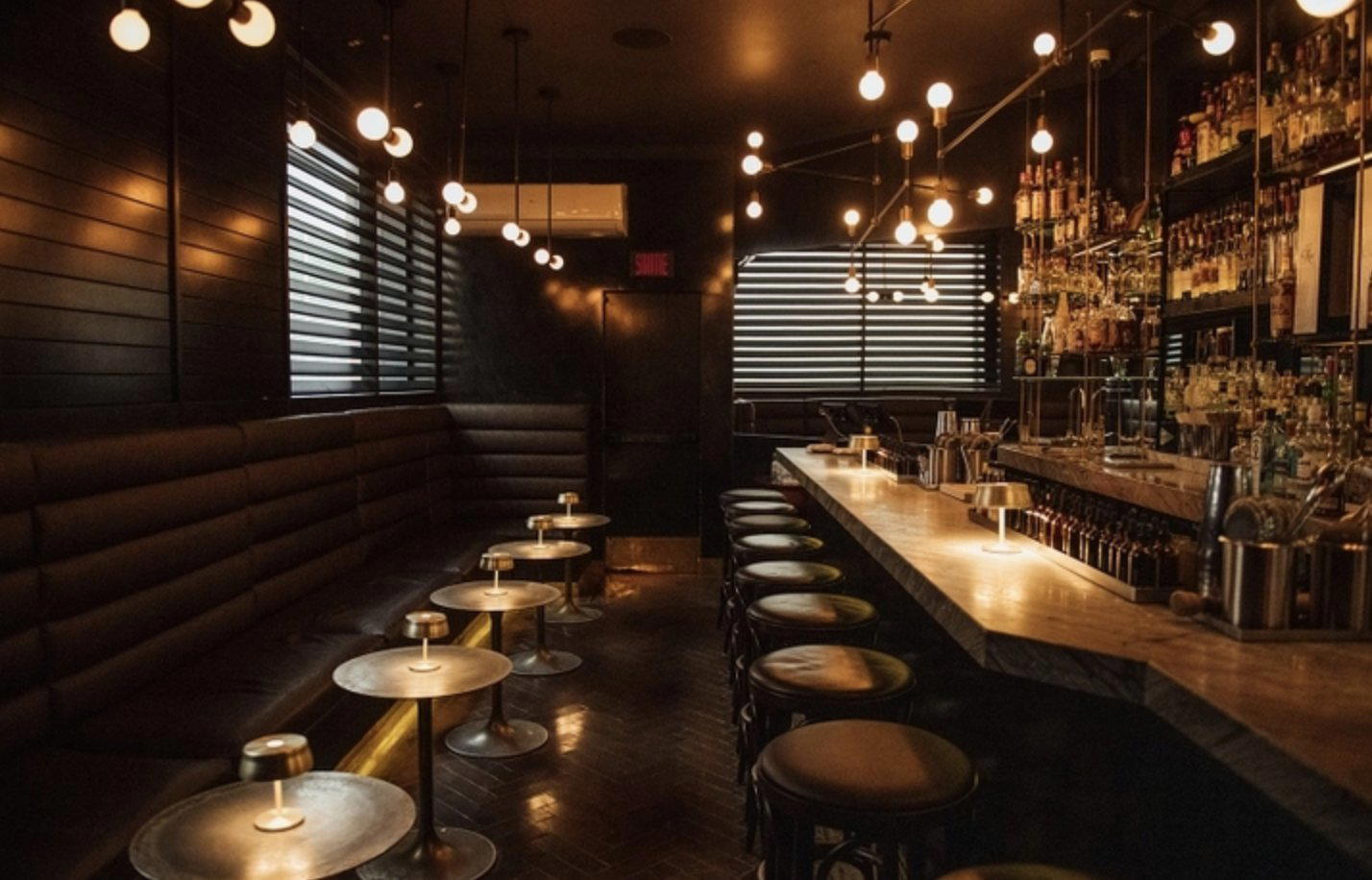
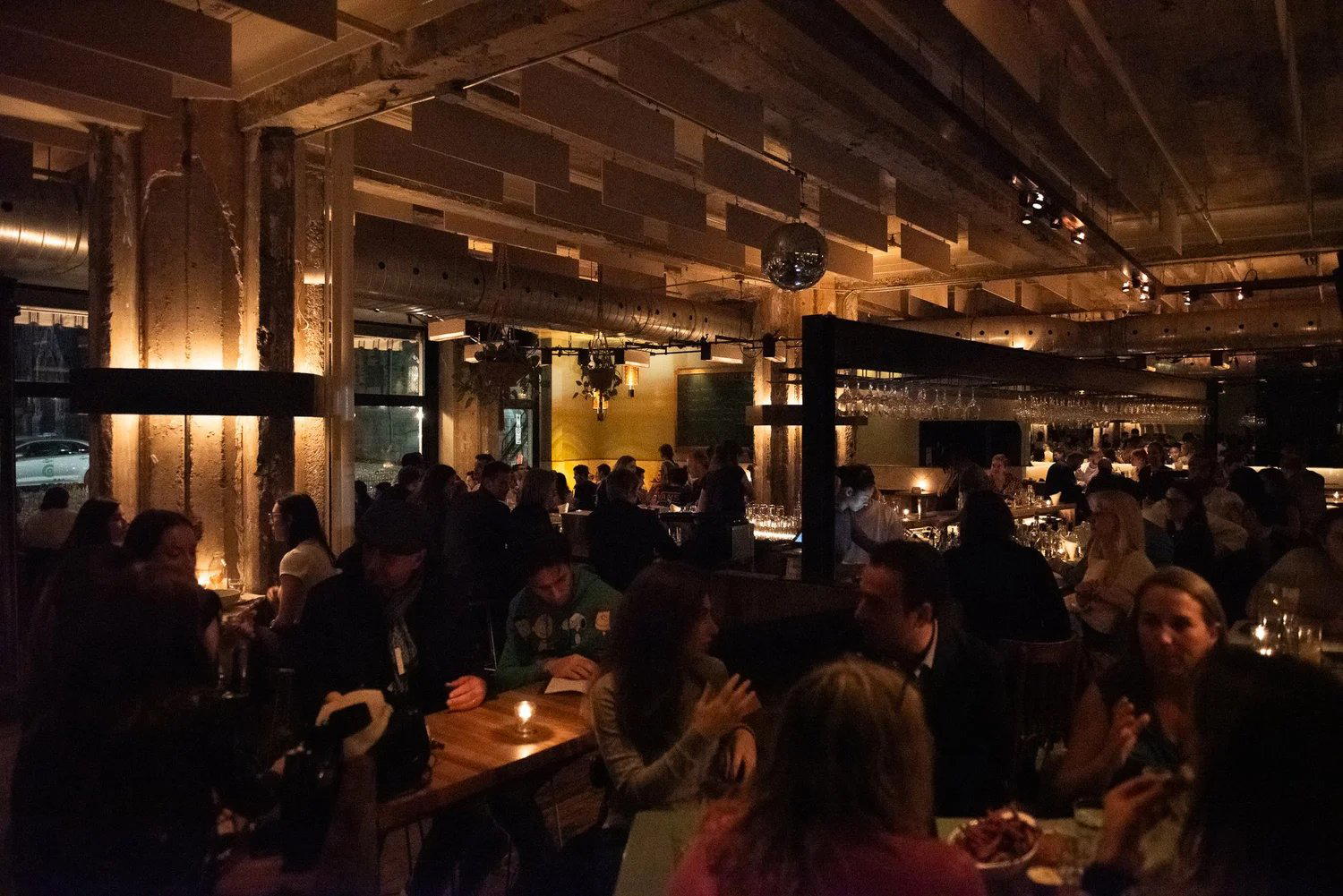
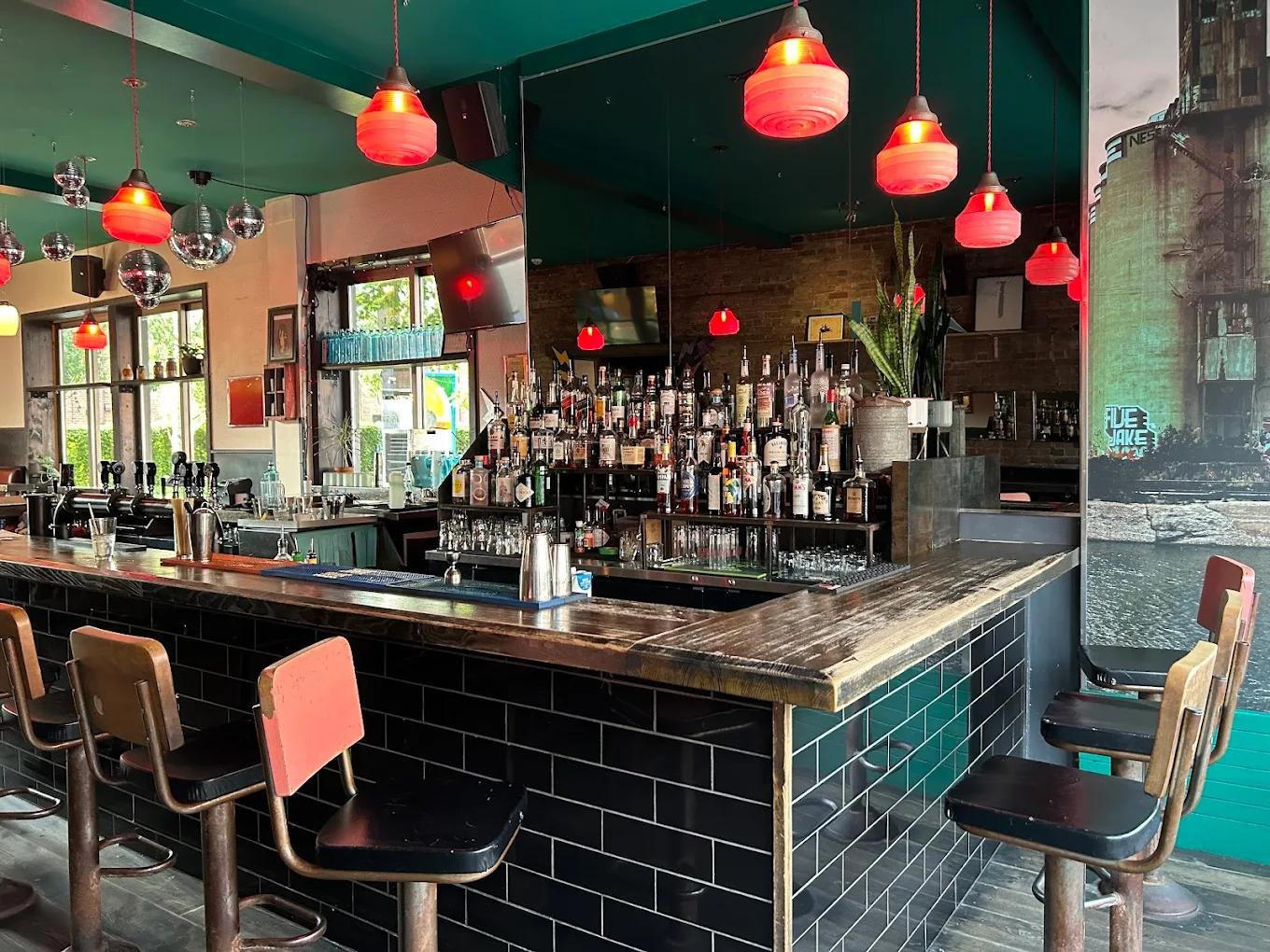
Elegant and comfortable design with an intimate and casual atmosphere.
Know Before You Go
- Getting there
- 259 Rue du Séminaire, Montréal, QC H3C 2A4, Canada