On Stanley Street in downtown Montreal, Deville Dinerbar occupies the space between a polished bar program and an accessible diner format — closer in spirit to a New York brasserie than a Quebec supper club. It draws a after-work and late-night crowd that other downtown addresses in its price tier struggle to hold. A reliable port of call for visitors who want energy without formality.
Pearl is the En Primeur Club membership app — saves, bookings, and concierge access live there. Same editors, same standards.
- Address
- 1425 Stanley St, Montreal, Quebec H3A 1P4, Canada
- Phone
- +15142816556
- Website
- devilledinerbar.com
- Directions
- Get directions
 Saves & bookings on Pearl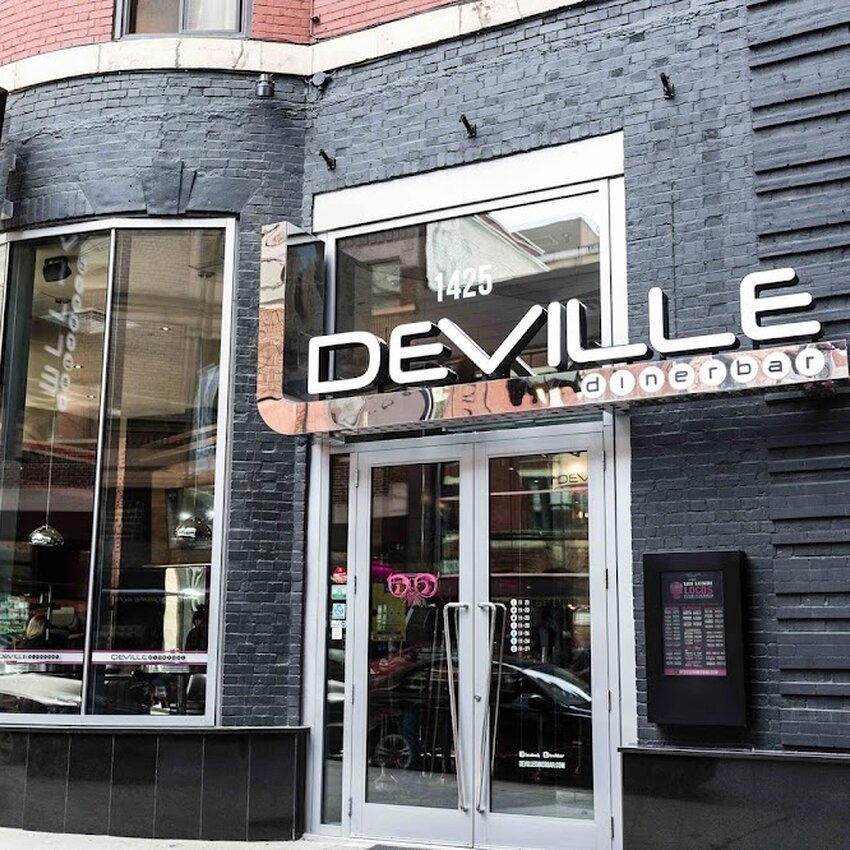
Stanley Street After Dark — and Before
Downtown Montreal has always hosted a particular category of room: the kind that works just as hard at noon as it does at midnight, shifting register without switching costume. Stanley Street, running through the heart of the Golden Square Mile, concentrates several of these venues, and Deville Dinerbar at 1425 Stanley is among the addresses that holds the block's after-work gravity. The name signals its intent plainly — part diner, part bar, and that compression of identities is the editorial point. Montreal has no shortage of formal French dining (see Jérôme Ferrer - Europea or Mastard for that register), and a well-documented casual end anchored by institutions like Schwartz's. Deville operates in the productive middle: a room with bar-first energy and a food program that takes itself seriously enough to keep the kitchen busy all day.
The Lunch-to-Dinner Shift
The lunch-versus-dinner divide is sharper in Montreal than in many comparable cities, partly because the downtown lunch crowd is dense and time-constrained, and partly because evening dining in Quebec tends to migrate toward longer, more ceremonial formats. A dinerbar concept resolves that tension by running two distinct moods out of the same address. In daylight hours, the room functions as a downtown anchor, quick, convivial, practical. The bar is present but not dominant. The pace is commercial-district lunch: efficient, social, mid-week-reliable.
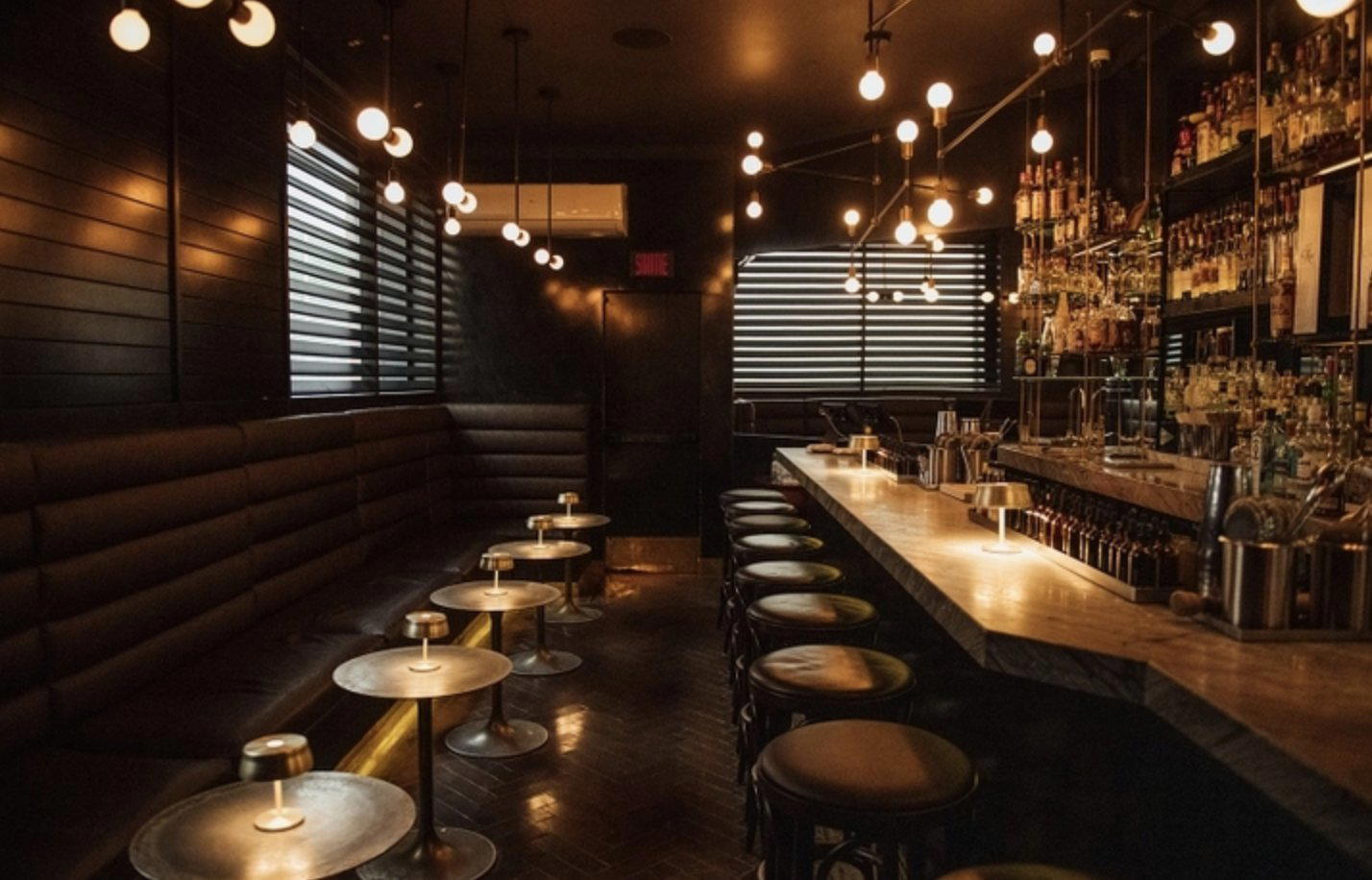
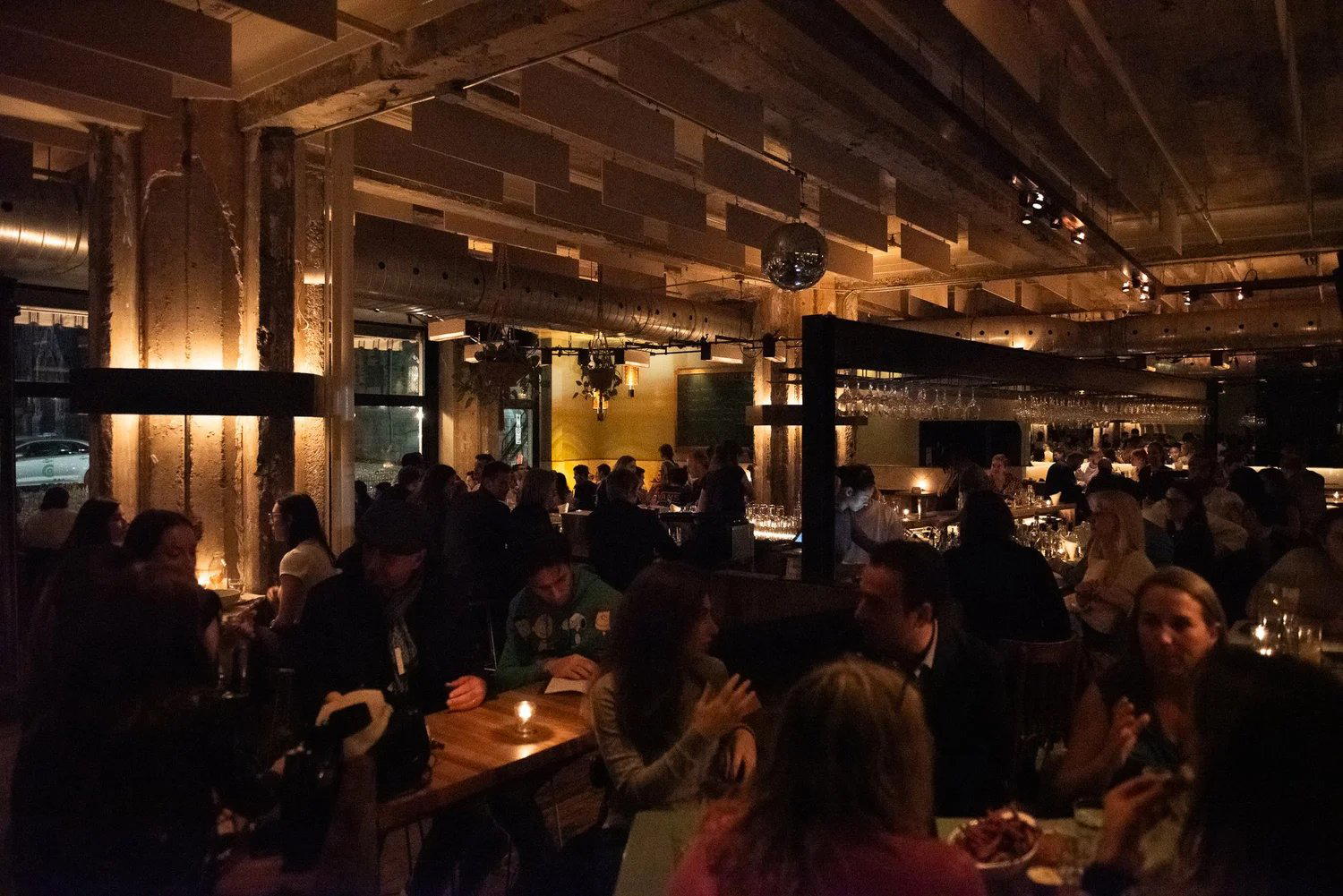
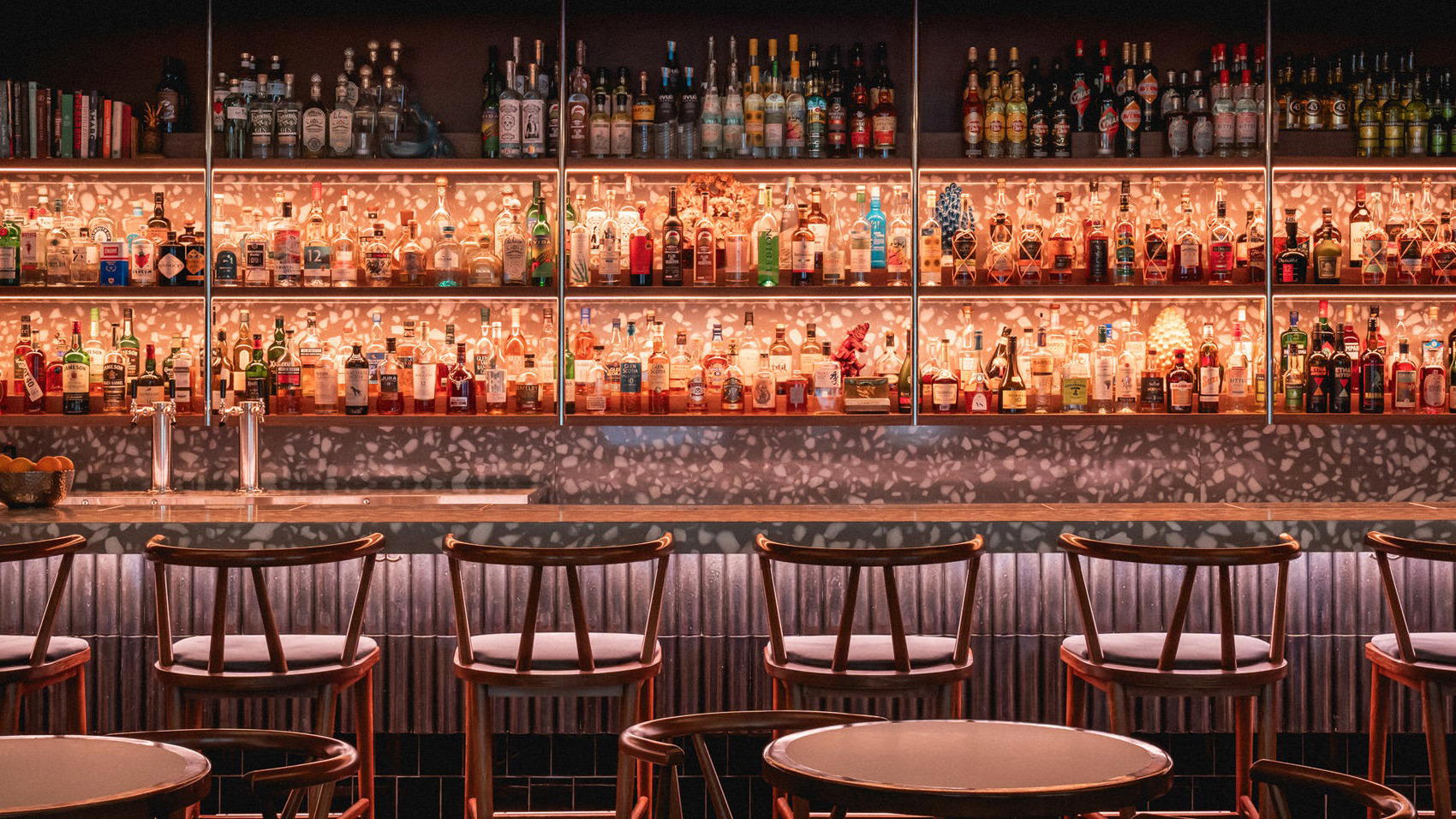
By evening, the calculus inverts. The bar program moves to the foreground, the lighting drops, and the room earns the second half of its name. This is the version of Deville that competes with Montreal's more design-conscious bar destinations rather than its lunch canteens. For context, the city's bar scene has evolved considerably over the past decade, moving away from purely nightclub-format drinking toward more food-integrated spaces where cocktails and a meal coexist without one subordinating the other. Deville fits that evolution: it is bar-forward at night without abandoning the kitchen, which keeps it relevant to a crowd that increasingly expects both.
Compared to more conceptually driven modern-cuisine addresses like Sabayon, Deville makes no argument about terroir or technique. The proposition is different: consistency, energy, and a room that doesn't require a special occasion as cover for entry. That positioning has value in a city where the high-end tier, from tasting-menu formats to destination restaurants, demands both advance planning and appetite for ceremony.
Where It Sits in the Montreal Spectrum
Montreal's restaurant market stratifies cleanly. At the apex, multi-course tasting menus and Michelin-adjacent recognition (Quebec's restaurant culture has long been tracked by international critics even before Michelin's formal Canadian expansion). In the mid-tier, a dense field of neighbourhood bistros, French-leaning brasseries, and increasingly, internationally influenced casual formats. Below that, the city's democratic street-food and deli tradition, which Schwartz's famously anchors. Deville sits in the mid-tier, though it pulls toward the upper end of that band, more considered than a bistro, less ceremonial than a destination restaurant.
The comparison set that matters most for Deville is not Toqué or Europea at the high end, nor the city's casual deli tradition at the low end. It is the cluster of downtown rooms that combine a bar identity with a serious food program and serve a clientele that values access over exclusivity. In that band, the dinerbar format, American in origin, now thoroughly absorbed into Canadian urban dining, allows for flexibility that pure restaurant formats do not. You can arrive for a drink and stay for dinner, or reverse the sequence, without the room making that feel incongruous.
For visitors already planning a Montreal itinerary around serious dining, Deville functions as a complement rather than a centrepiece. Pair it with a reservation at a higher-commitment address, the tasting-menu experience at Tanière³ in Quebec City if you're extending the trip, or something conceptually ambitious in Montreal itself, and use Deville for the evenings when the itinerary calls for energy over formality. That is not a consolation framing; it is an accurate description of what the format does well.
The Broader Canadian Dinerbar Conversation
The dinerbar format has taken hold across Canadian cities over the past decade, absorbing influences from New York's brasserie tradition and the West Coast's food-and-drink integration model. Addresses like AnnaLena in Vancouver occupy a similar space: serious food credentials, bar-forward energy, accessible entry point. The format works because Canadian urban dining has, in many markets, moved away from the strict segmentation of restaurant versus bar toward hybrid rooms that serve the full arc of an evening.
Montreal has been a natural home for this evolution. The city's long dining culture, its comfort with late hours, and its dense downtown geography all favor rooms that can hold a crowd across multiple day-parts. Deville on Stanley Street benefits from that cultural context. The address also has the advantage of a downtown location that draws both visiting business travellers and local professionals, the two groups most likely to use a dinerbar format on a weeknight without much planning.
For visitors thinking broadly about Canadian dining worth seeking out, the contrast with more remote or destination-format experiences is instructive. Eigensinn Farm in Singhampton or the Fogo Island Inn Dining Room in Joe Batt's Arm represent one end of the Canadian dining spectrum: singular, remote, maximally committed. Deville is the urban counterweight, the kind of room that a city needs to have, and that a traveller needs to know about, precisely because it does not demand that level of commitment.
Montreal's fuller dining picture, from neighbourhood spots like 3 Pierres 1 Feu and Abu el zulof to the city's high-end French tradition, is covered in our full Montreal restaurants guide. For comparison across Canada, see what Alo in Toronto, Cafe Brio in Victoria, Narval in Rimouski, Restaurant Pearl Morissette in Lincoln, The Pine in Creemore, Busters Barbeque in Kenora, and Lazy Bear in San Francisco and Le Bernardin in New York City offer at their respective price points and formats.
Know Before You Go
- Address: 1425 Stanley St, Montreal, Quebec H3A 1P4
- Format: Dinerbar, bar program and food menu operating across lunch and evening service
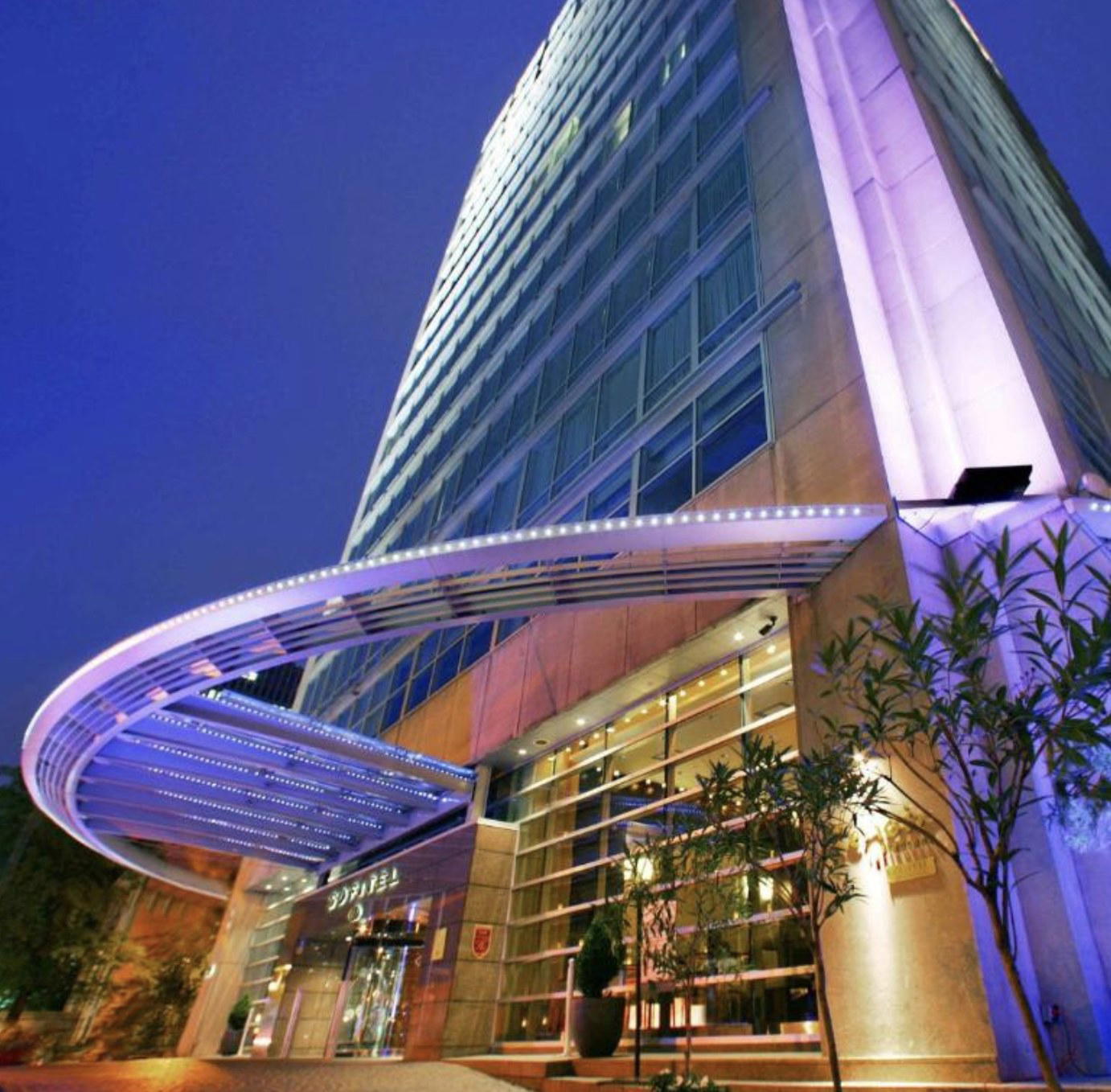
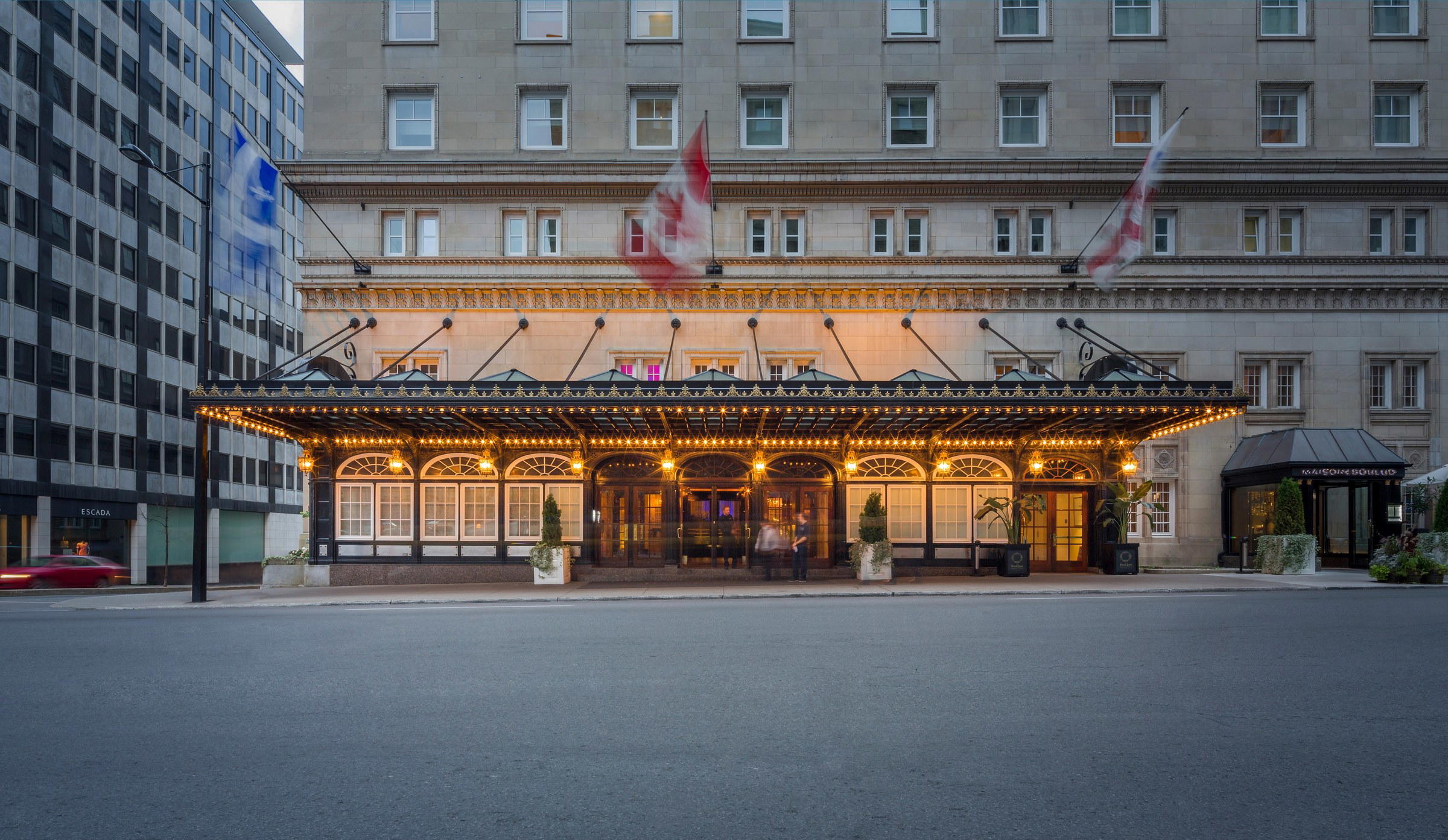
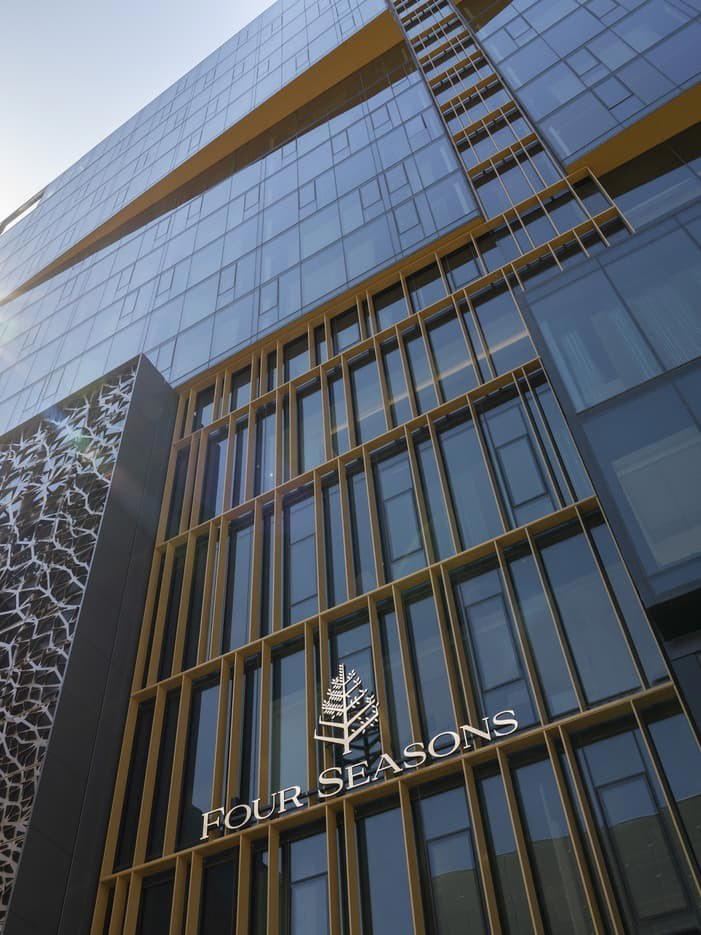
- Location context: Golden Square Mile, central downtown Montreal, walkable from major hotels
- Dress code: Smart casual; the room accommodates both post-work and evening dining without formality
How Deville Dinerbar Montréal compares with similar nearby venues.
| Venue | Cuisine | Price |
|---|---|---|
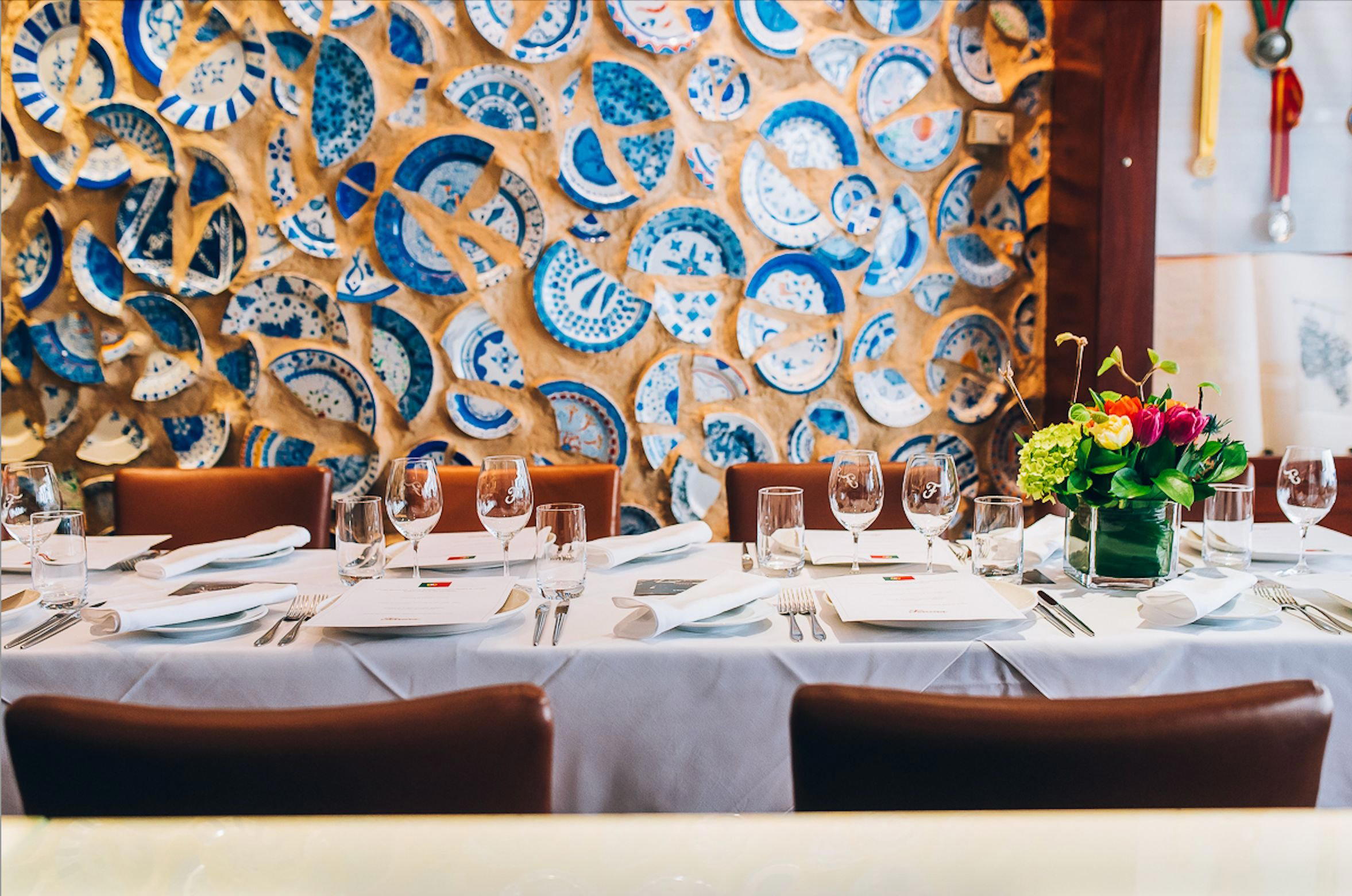
| Ferreira Café | Portuguese | $$$ |
At a Glance
- Lively
- Trendy
- Modern
- Retro
- Group Dining
- Casual Hangout
- Late Night
- Brunch
- Open Kitchen
- Craft Cocktails
- Local Sourcing
Current opening hours
- Monday
- 4 PM–12 AM
- Tuesday
- 4 PM–12 AM
- Wednesday
- 4 PM–12 AM
- Thursday
- 4 PM–12 AM
- Friday
- 4 PM–1 AM
- Saturday
- 11 AM–1 AM
- Sunday
- 11 AM–12 AM
Hours can change for holidays and private events. Last verified .
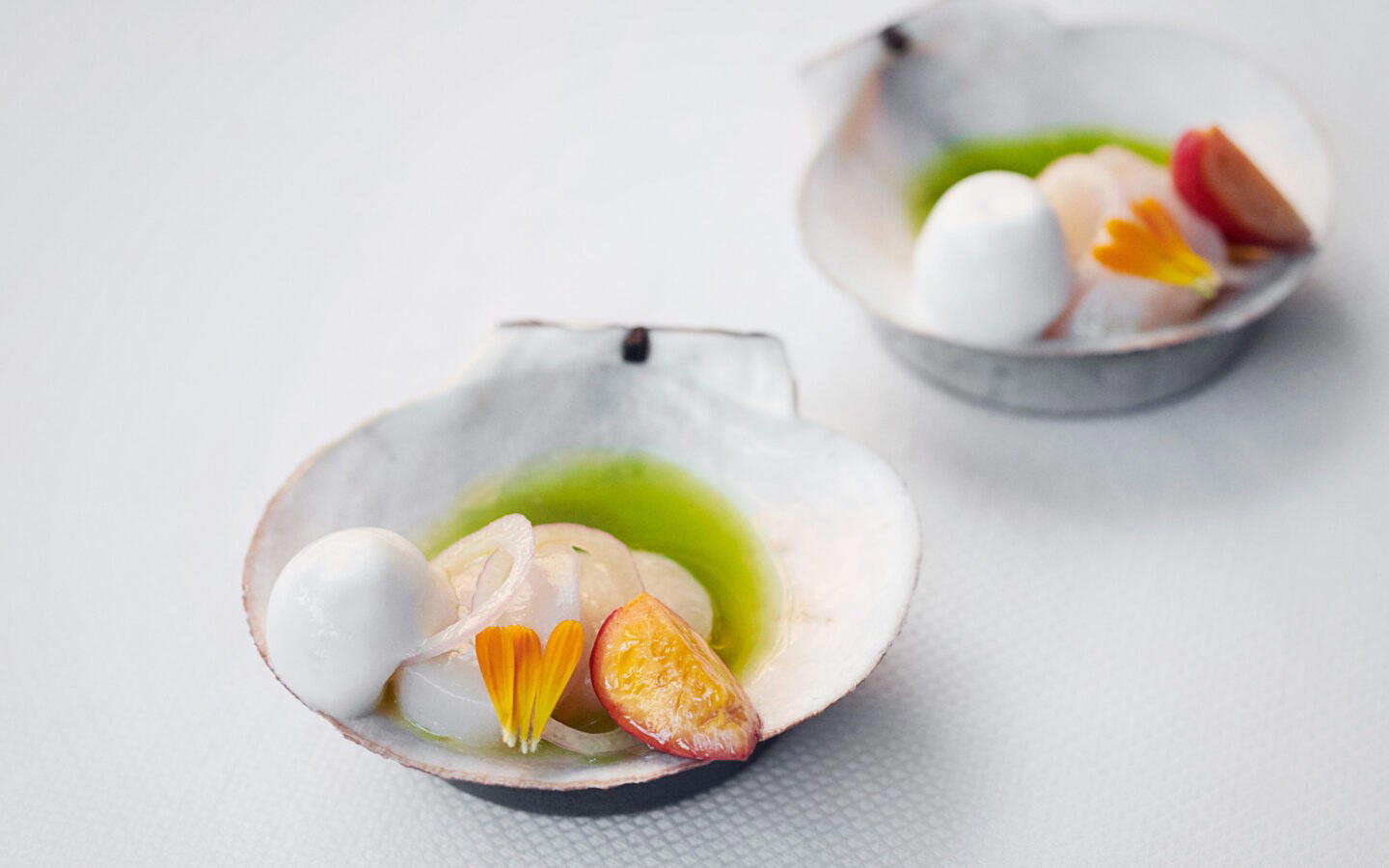
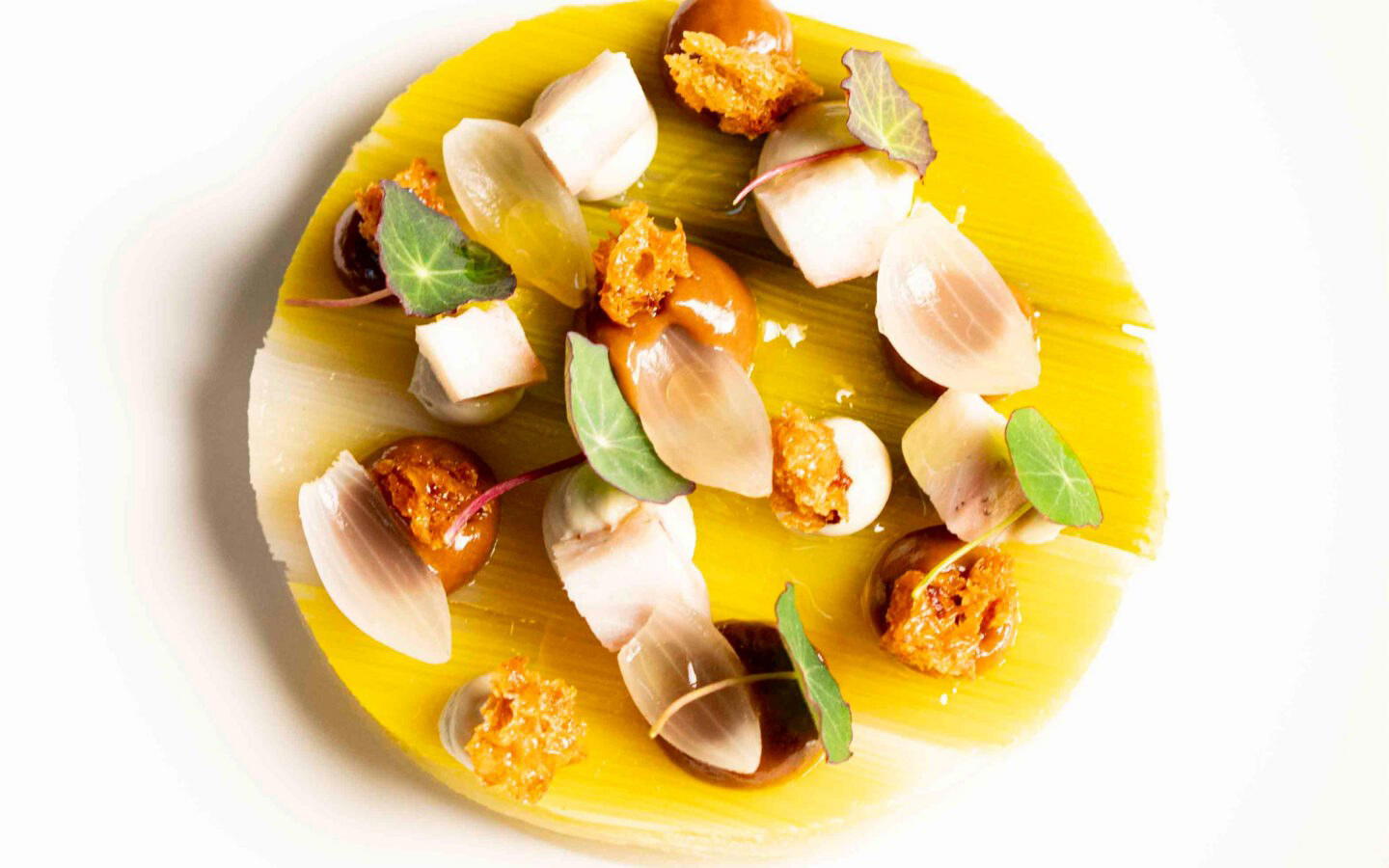
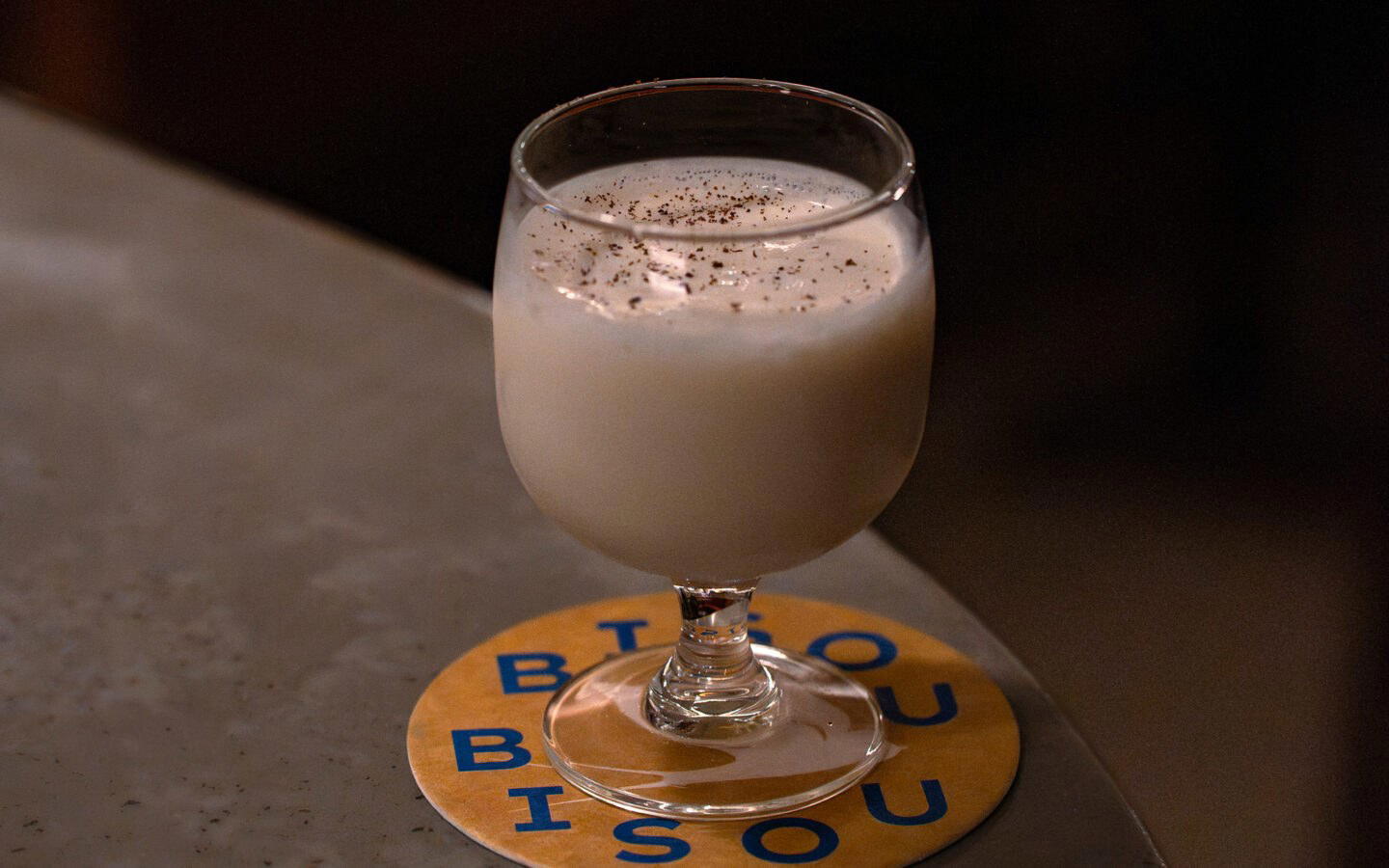
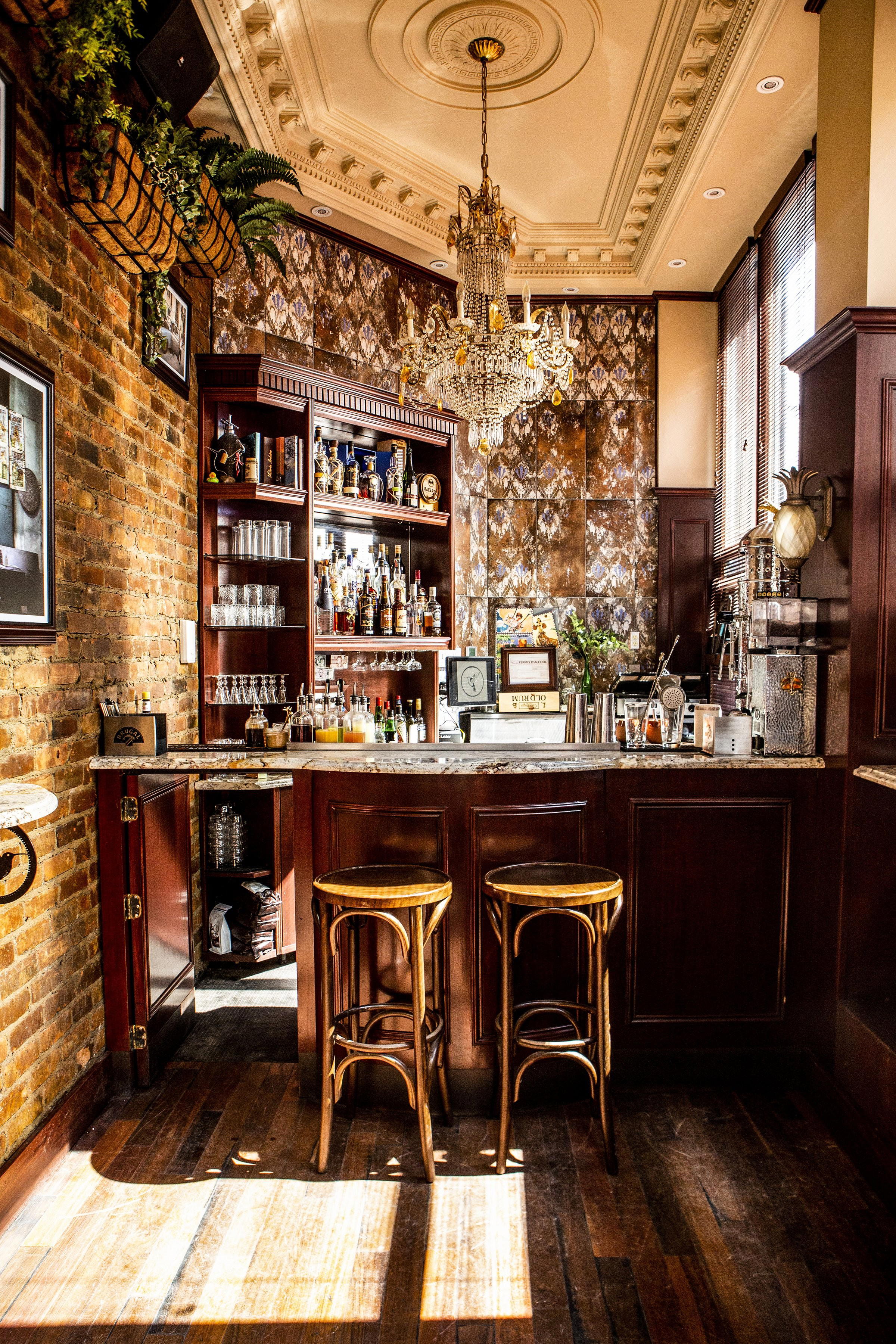
Lively retro-chic atmosphere with energetic downtown vibe and stylish cocktail bar setting.
Know Before You Go
- Getting there
- 1425 Stanley St, Montreal, Quebec H3A 1P4, Canada