

Ukai-tei on the third floor of Silks Club brings the Japanese teppanyaki tradition to Kaohsiung's premium dining tier, earning a Michelin Plate in 2024.
Pearl is the En Primeur Club membership app — saves, bookings, and concierge access live there. Same editors, same standards.
- Address
- 806, Taiwan, Kaohsiung City, Cianjhen District, Zhongshan 2nd Rd, 199號3樓
- Phone
- +886 7 973 0122
- Website
- the-amnis.com
- Directions
- Get directions
 Saves & bookings on Pearl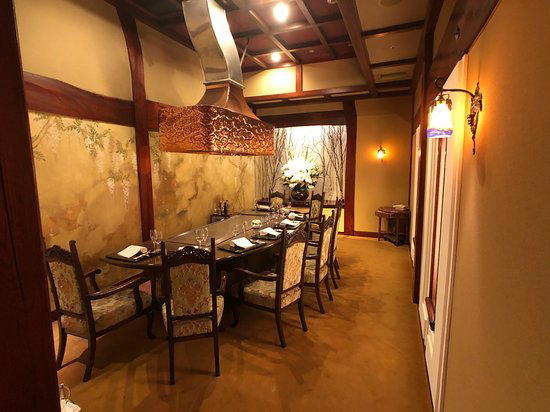
Ukai-tei is a Japanese teppanyaki restaurant in Kaohsiung's Cianjhen District, on the third floor of Silks Club. The third floor of Silks Club in Cianjhen District occupies a different register from street-level Kaohsiung. The ride up is brief, but the transition is deliberate: you arrive at a dining room calibrated for stillness, where the dominant sound is the controlled heat of the teppan itself. This is not the theatrical sizzle of a casual grill house. The room pulls back rather than performs, placing the focus squarely on what is being cooked in front of you and the quality of the materials being handled.
The Teppanyaki Tradition and Where Ukai-tei Sits Within It
Japanese teppanyaki as a formal dining format has a different set of values than its Western interpretations suggest. At the serious end of the tradition, the iron griddle is a precision instrument: temperature zones are managed across its surface, proteins are treated with the same care as an omakase counter, and the chef's role is as much editor as performer. The spectacle, when it exists at all, is the spectacle of craft rather than entertainment.
Within Asia, teppanyaki at this level now occupies a clear tier. Hibana by Koki in Hanoi and Ishigaki Yoshida in Tokyo represent the format in markets where Japanese dining infrastructure is dense and competition is high. JIBUNDOKI in Osaka operates in the city that set the modern standard for the format. Ukai-tei sits within this regional peer group, bringing the same counter-focused discipline to southern Taiwan, where the Japanese dining tradition runs deep but premium teppanyaki at this price point remains a narrow category.
Raw Materials as the Organizing Principle
What separates high-end teppanyaki from mid-range execution is almost always the sourcing tier. A skilled chef working with mediocre beef or produce can deliver technical competence but not the full argument for the price. The format's transparency works against any sleight of hand: everything is visible, weighed against expectation in real time. This is precisely why ingredient quality functions as the load-bearing element rather than a supporting detail.
Chef Imamura Takamasa brings experience from the wider Ukai Group, a Japanese hospitality organization with multiple teppanyaki and traditional dining properties. The group's sourcing relationships across Japan are a structural advantage at outposts like this one: premium wagyu grades, seasonal seafood, and vegetable suppliers with genuine credentials do not materialize from a standing start. They are built over years and extended to new locations through institutional relationships. For a diner at the counter, that means the A5-grade argument is backed by a supply chain with a documented track record rather than a marketing claim.
The Michelin Plate recognition in 2024 places Ukai-tei inside the Guide's acknowledged tier for Kaohsiung.
Kaohsiung's Premium Japanese Tier
Kaohsiung's fine-dining scene is smaller than Taipei's but coherent in its own right. The city's Japanese dining at the $$$$ tier includes Sho, which works within a different Japanese format, and the comparison is useful for understanding how the city's serious Japanese dining is distributed across styles. The restaurant operates in the counter-format, ingredient-led mode that teppanyaki demands; Sho approaches Japanese cuisine from a different angle. Together they represent the upper tier of the city's Japanese dining, though each addresses a distinct set of expectations.
The broader premium category in Kaohsiung spans cuisines: GEN at the Cantonese end, Haili in modern cuisine, and Anchovy for European contemporary. The restaurant is not competing with these; it is filling a specific gap for diners who want the teppanyaki counter format done at a level where the sourcing justifies the price. That is a narrower brief, and the,447 reviews suggests it is meeting it with consistency.
For context on how Taiwan's premium dining tier distributes across cities, JL Studio in Taichung and logy in Taipei anchor the island's recognized fine-dining conversation. The restaurant contributes to Kaohsiung's claim within that conversation, not by replicating the tasting-menu format those restaurants operate in, but by executing a different Japanese tradition at a level that earns external recognition.
Taiwan's dining scene more broadly rewards specificity: A Fung's Harmony Cuisine in Kaohsiung demonstrates what Taiwanese cooking looks like at a considered level, while outside the city, Akame in Wutai Township and A Cun Beef Soup in Tainan represent the island's range of approaches to local ingredients and tradition. The restaurant's proposition is different from all of these: it is a Japanese institution's method applied to premium sourcing, presented in a formal counter setting in southern Taiwan.
The Silks Club Setting
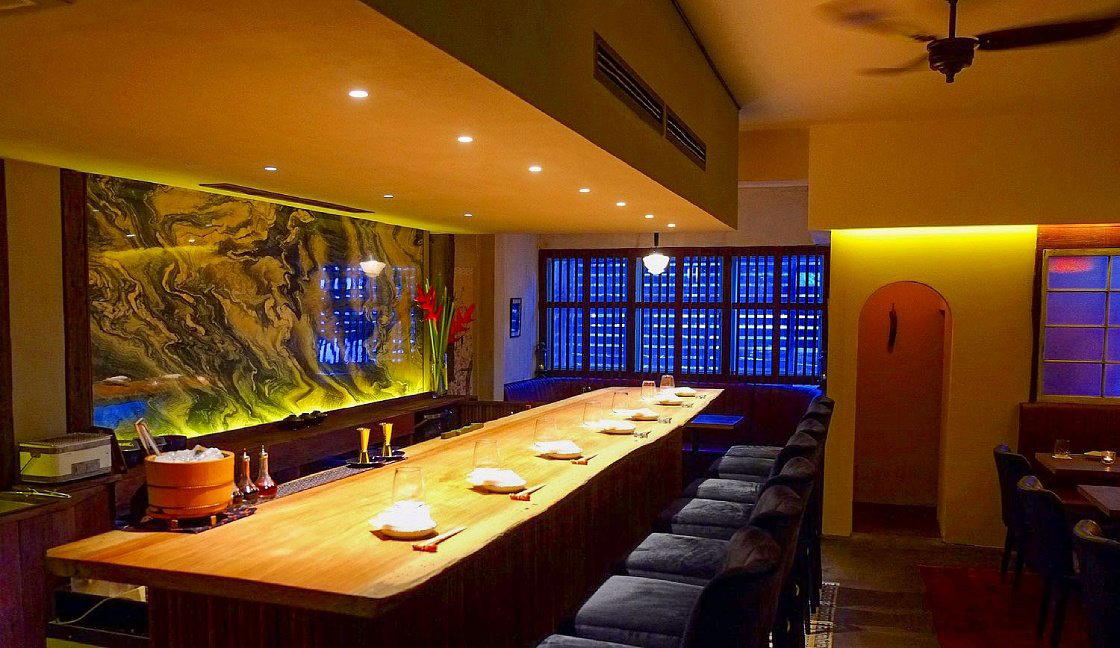
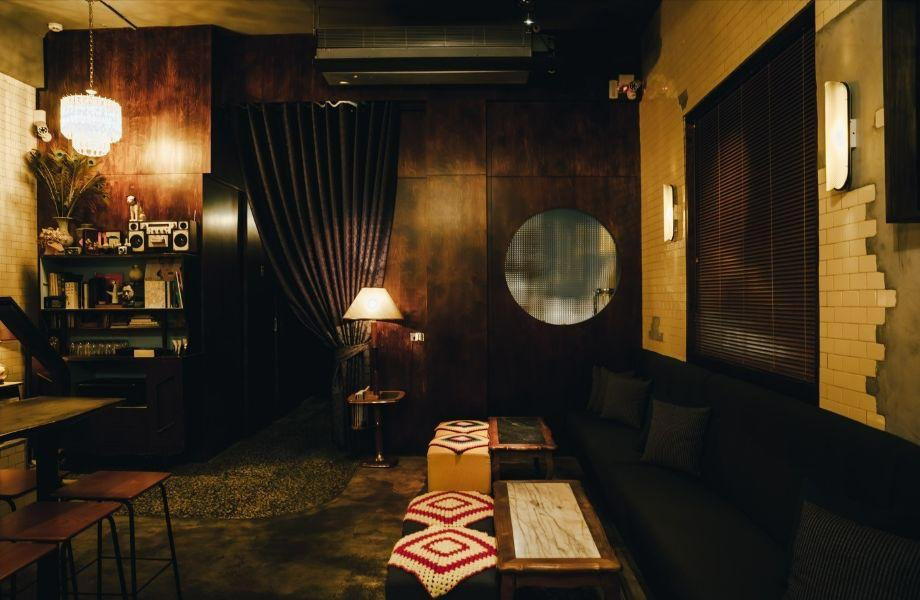
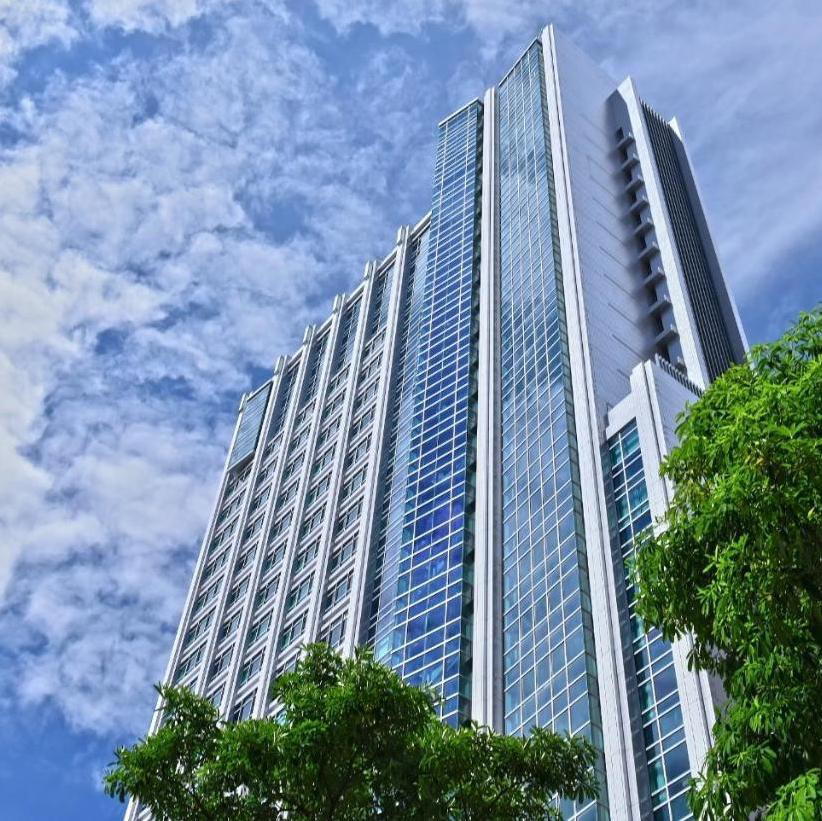
Hotel dining in Taiwan's premium tier operates differently from its counterparts in major international cities. The Silks Club, a luxury property in Kaohsiung's Cianjhen District, provides the restaurant with an environment that matches its register: a guest base already oriented toward formal hospitality, physical infrastructure that supports the quiet precision the format requires, and a service culture that aligns with Japanese counter dining norms. The third-floor location separates the restaurant from street-level noise, and the room's described character, understated rather than demonstrative, reinforces the format's discipline. The teppan counter is the room's center of gravity and that hierarchy shapes everything else.
Planning Your Visit
The restaurant sits at the $$$$ price point, which in Kaohsiung's context positions it at the ceiling of the city's Japanese dining tier. The Silks Club address in Cianjhen District is accessible from central Kaohsiung, and the third-floor restaurant entry gives the arrival a distinct sense of occasion.
What to Order at Ukai-tei
What should I eat at the restaurant?
The teppanyaki format at this level is structured rather than à la carte in spirit: the counter experience is built around the sequence the chef controls, with wagyu beef as the anchor protein. Given the Ukai Group's sourcing credentials in Japan, the premium beef courses are the point of the meal, not a feature among many. Seasonal seafood components will vary by availability rather than by a fixed menu, and the vegetable courses, which serious teppanyaki kitchens treat as a category in their own right rather than as garnish, are worth attention. The format's logic is consistent: arrive for the beef, expect the seasonal produce to reflect the same sourcing discipline, and let the chef's sequence guide the pace rather than treating the meal as a collection of individual orders.
Pricing, Compared
Comparable venues nearby, for context on price, style, and recognition.
| Venue | Cuisine | Price | Awards | Notes |
|---|---|---|---|---|
| Ukai-teiThis venue — the venue you are viewing | Qianzhen, Japanese Teppanyaki | $$$$ | Michelin Plate | Not listed |
| J Parc | Sanmin District, Modern Creative Fusion | $$$ | Michelin Plate | Not listed |
| Sushi Mikoshi | Fongshan District, Japanese Omakase | $$$ | Michelin Plate | Not listed |
| Paul's Canteen | Not listed | $$$ | Michelin Plate | Lingya District, Refined Taiwanese with Cantonese Twists |
| Three Meals | Not listed | $$$ | Michelin Plate | Lingya, Contemporary Taiwanese Fine Dining |
| Li.nu | Not listed | $$$$ | Michelin Plate | Cianjhen District, Modern Creative Cuisine |
Recognition history
Dated appearances from independent guides and award organizations, with the underlying list record or original source where available.
Star Wine List
Star Wine List
Michelin Plate
Michelin
Continue exploring
More in Kaohsiung
Restaurants in Kaohsiung
Browse all →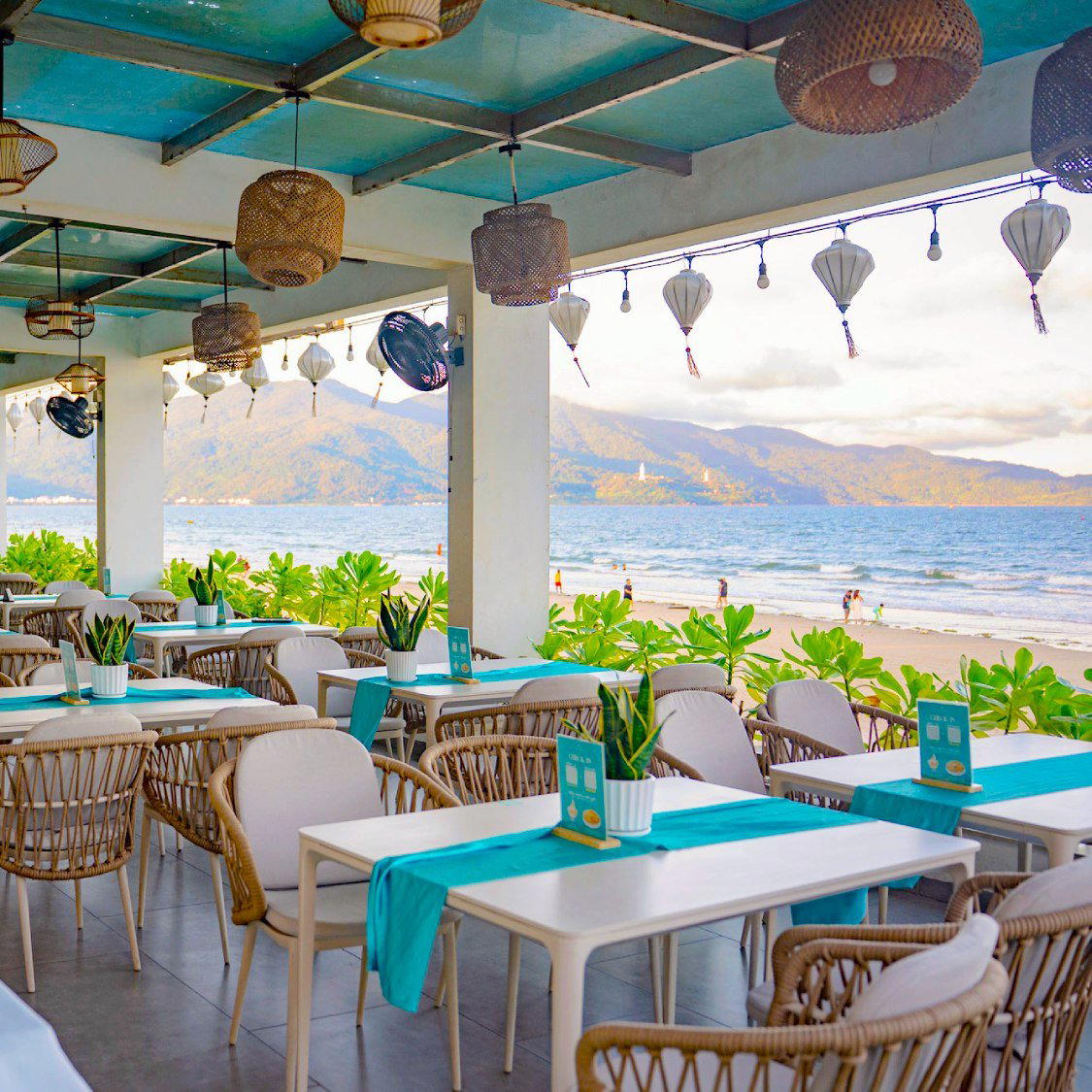
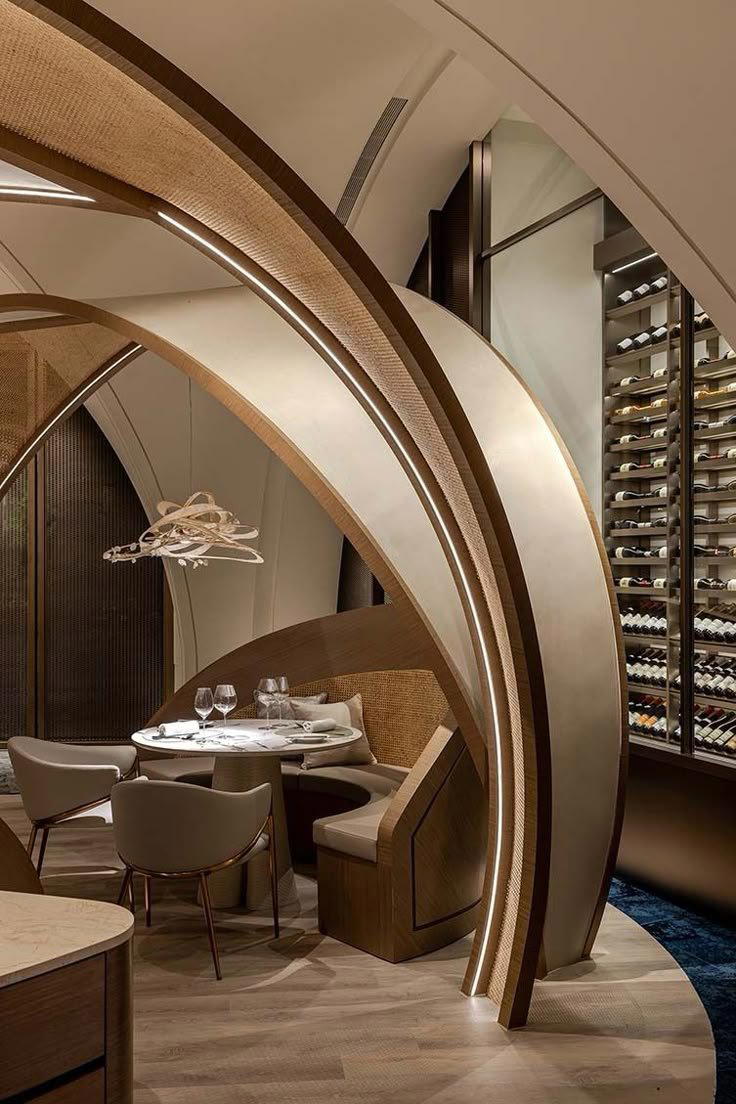
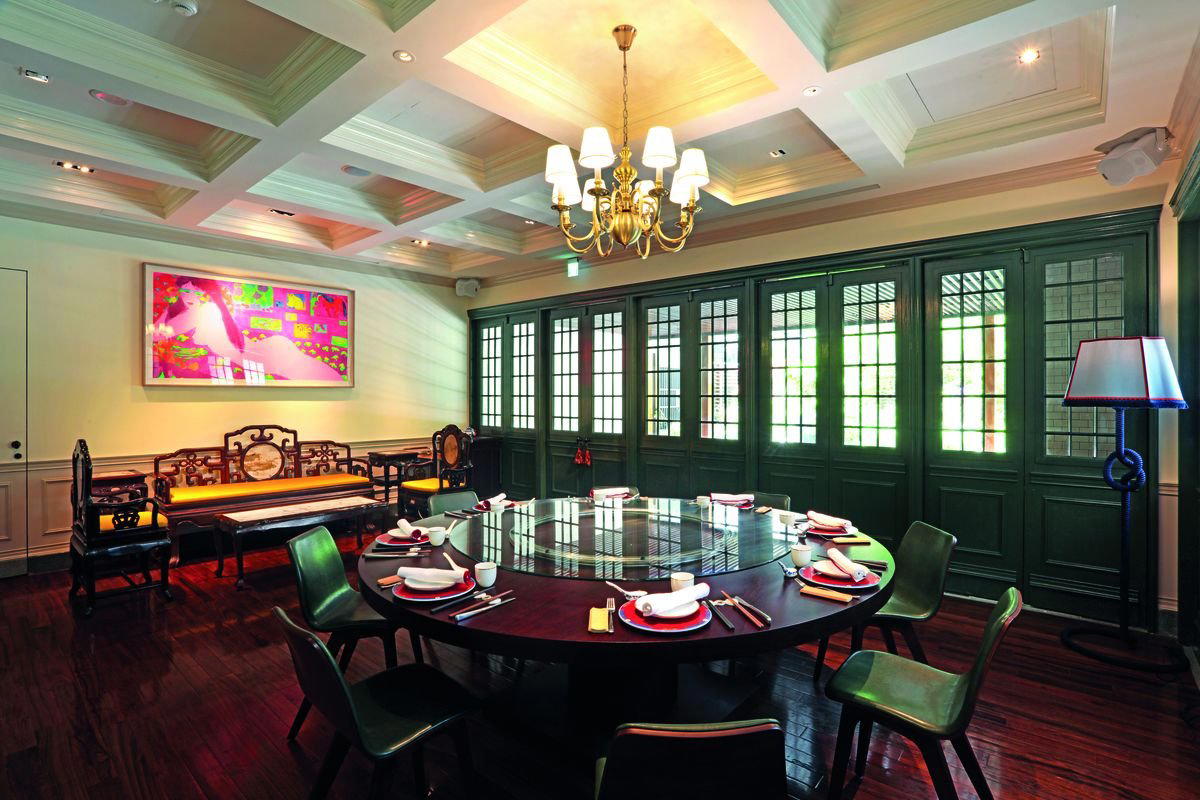
Bars in Kaohsiung
Browse all →
At a Glance
- Elegant
- Sophisticated
- Intimate
- Date Night
- Business Dinner
- Special Occasion
- Open Kitchen
- Extensive Wine List
- Sake Program
- Local Sourcing
Current opening hours
- Monday
- 12–3 PM, 6–10 PM
- Tuesday
- 12–3 PM, 6–10 PM
- Wednesday
- 12–3 PM, 6–10 PM
- Thursday
- 12–3 PM, 6–10 PM
- Friday
- 12–3 PM, 6–10 PM
- Saturday
- 12–3 PM, 6–10 PM
- Sunday
- 12–3 PM, 6–10 PM
Hours can change for holidays and private events. Last verified .
Warm-hued interior exuding understated elegance with a lively yet refined atmosphere.