
Okonomiyaki Mori sits in Okayama’s casual teppan tradition rather than the city’s formal dining lane, with okonomiyaki, tripe and noodles forming the core vocabulary. Its repeated Tabelog Okonomiyaki 100 selections, including 2025, make it a useful address for travellers who want regional comfort cooking with clear local signals rather than a polished tasting-menu format.
Pearl is the En Primeur Club membership app — saves, bookings, and concierge access live there. Same editors, same standards.
- Address
- 1 Chome-6-9 Hokancho, Kita Ward, Okayama, 700-0026, Japan
- Phone
- +81 86-253-9776
- Website
- r.gnavi.co.jp
 Saves & bookings on Pearl
The first cue is the iron plate. Okayama’s okonomiyaki rooms are not built around hushed service or long-menu ceremony; they run on heat, timing and the rhythm of batter, noodles and offal across a compact cooking surface. Okonomiyaki Mori belongs to the city’s practical dining culture: close to the station area, compact in scale, and shaped by dishes that suit a rail-city evening rather than a destination-only itinerary.
Okonomiyaki in western Japan is often framed through Osaka and Hiroshima, but Okayama has its own clues. The local palate makes room for yellow chives, hormone udon and teppan cooking drawn from Setouchi produce, postwar flour culture and a taste for casual, shareable food. The cooking is less about luxury ingredients than local sourcing: noodles, cabbage, batter, tripe and seasonal regional add-ins handled quickly over direct heat. That is why this place matters. It shows how Okayama eats when the meal is social, filling and anchored in the prefecture, not staged for a luxury script.
Okayama comfort cooking, measured by the griddle rather than the tasting menu
The menu categories tell the story: okonomiyaki, tripe and noodles. This is narrower and more local than the city’s higher-spend Japanese restaurants, and should be read against other Okayama choices accordingly. 400℃ Pizza and 400℃ Mori No Machi represent confident imported-form cooking; Hasunomi sits in another register, with Chinese cooking as reference. Okonomiyaki Mori occupies the teppan lane, where value lies not in breadth but fluency in a compact form.
Ingredient sourcing matters because okonomiyaki is assembly, not disguise. Batter structure, cabbage moisture, noodle texture and the cut of offal all announce themselves under heat. Okayama-style references such as yellow chives and hormone udon point to a prefecture that treats everyday ingredients as regional identity markers. The appeal depends on that directness: flour-based cooking, local vegetables where used, and teppan timing rather than imported prestige cues.
The recognition reinforces the point. Selection for Tabelog’s Okonomiyaki 100 in 2018, 2019, 2024 and 2025 places the restaurant inside a national specialist category, not a generic ranking. That distinction matters. Tabelog separates okonomiyaki as its own discipline, the right frame for this address. A three-course Western or sushi-counter comparison would miss the test: consistency under heat, speed without carelessness, and enough local identity to justify the stop in Okayama rather than Osaka or Hiroshima.
A small-room format that rewards patience and plain expectations
Teppan restaurants work on a different clock from large-kitchen rooms. When a small iron plate carries the service, orders can bunch, drinks can slow, and the meal follows the griddle rather than table impatience. That is not a defect; it is the format. Arrive expecting a casual, cooked-to-order meal, not a rapid station-adjacent refuel.
The room signals its use. There are 28 seats, no private rooms, and a no-smoking policy across all seats. Tatami seating, power outlets and Wi-Fi add practicality without turning the experience into a lounge. Multilingual menus and photo menus make it more accessible to travellers than many small regional restaurants, especially visitors who want okonomiyaki but do not read Japanese confidently. That accessibility should not be confused with an internationalized concept; the meal remains local and teppan-led.
For families, the tone is workable but not hands-off. Children are allowed, yet the setting expects supervision and consideration for other diners. That is typical of compact Japanese casual restaurants, where hot surfaces, tight seating and a shared room make adult attention part of the social contract. Travellers seeking a long, loose dinner with restless children may prefer a larger room elsewhere in the city.
The payment setup is unusually broad for a small specialist restaurant, with major credit cards, transport IC cards and QR payments accepted. That matters in regional Japan, where cash can still be safest at small restaurants. No service charge or cover charge keeps the transaction clean. Parking is not part of the offer, so this suits a station-area walk or taxi-linked evening better than a car-led dining plan.
Where it fits in an Okayama dining itinerary
Okayama rewards travellers who split eating between formal reservations and vernacular meals. An itinerary built only around polished counters and hotel dining misses how local food culture circulates. Okonomiyaki Mori is useful because it is not trying to compete with sushi, kaiseki or modern European formats. It gives the itinerary a regional, working-griddle anchor.
For a tighter restaurant plan, use our full Okayama restaurants guide to place this meal alongside other categories. Cozzýs and Duomo map different parts of the city’s casual-to-Italian spectrum, while Sakaiya Honten, when compared by price band, belongs to a higher-spend Japanese lane. The point is not to rank these rooms against one another, but to understand Okayama’s several dining registers, with teppan one of the clearest ways to taste place without over-structuring the night.
Beyond restaurants, the city benefits from practical pairing. Travellers building a broader stay can cross-check our full Okayama hotels guide, our full Okayama bars guide, our full Okayama wineries guide and our full Okayama experiences guide. For wider Japan and overseas context, compare how specialist comfort formats travel through -Grilled beef Sukiyaki- KAMAKURA TANUKIAN 鎌倉 たぬき庵 in Kamakura. 鮪と炭火焼き うお炭 秋葉原店 in Tokyo.cafe in Osaka.know in Kumamoto, (Shoku) Vietnam in Kawasaki, [Curry Senmon Ten] Maruyama Kyoju. in Sapporo, Jōdo Saké Bar in Los Angeles and Onigiri Time in Pasadena.
The critical read is simple: choose this for Okayama’s griddle culture, not ceremony. The strongest argument is the combination of local ingredient cues, specialist recognition and a room scaled for everyday eating. In a city where many visitors move quickly between the station, Korakuen and Kurashiki, that meal can say more about the region than another neutral dinner built for transit.
A Quick Peer Check
Comparable venues by cuisine and price in the same metro.
| Venue | Cuisine | Price | Notes |
|---|---|---|---|
| Okonomiyaki MoriThis venue — the venue you are viewing | Okayama-style okonomiyaki & izakaya | $$ | Not listed |
| 松寿司 | Japanese Restaurant | Not listed | Okayama |
| 穂浪 | Traditional Japanese Kaiseki | Not listed | Okayama |
| 楽旬菜 佐とう | Seasonal Japanese Kappo | $$$ | Saidaiji cho |
| 天婦羅 たかはし | Edo-Style Tempura | $$$ | Higashichuocho |
| Tanuki Ya | Self-service Udon & Tempura | $ | Kita Ward |
Recognition history
Dated appearances from independent guides and award organizations, with the underlying list record or original source where available.
Tabelog 100 #63 · No. 63
Tabelog · Tabelog 100 - Okonomiyaki - 2025
Continue exploring
More in Okayama
Restaurants in Okayama
Browse all →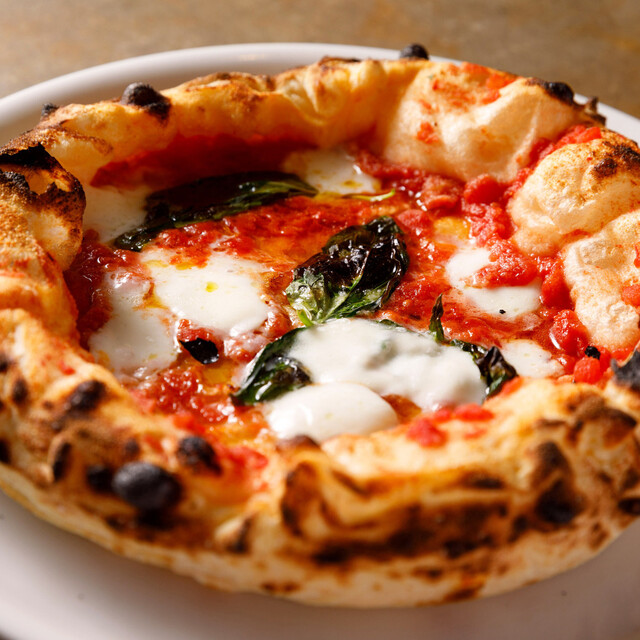

At a Glance
- Lively
- Cozy
- Classic
- Energetic
- After Work
- Group Dining
- Casual Hangout
- Celebration
- Solo
- Open Kitchen
- Private Dining
- Standalone
- Beer Program
- Sake Program
- Local Sourcing
Current opening hours
- Monday
- 11 AM–1 PM, 5–8:45 PM
- Tuesday
- 11 AM–1 PM, 5–8:45 PM
- Wednesday
- 11 AM–1 PM, 5–8:45 PM
- Thursday
- Closed
- Friday
- 11 AM–1 PM, 5–8:45 PM
- Saturday
- 11 AM–1 PM, 5–8:45 PM
- Sunday
- 11 AM–1 PM, 5–8:45 PM
Hours can change for holidays and private events. Last verified .
Casual, lively izakaya-style space with counter-side teppan cooking, relaxed seating suited to office parties and gatherings, and a warm, friendly staff that creates an easygoing local atmosphere.