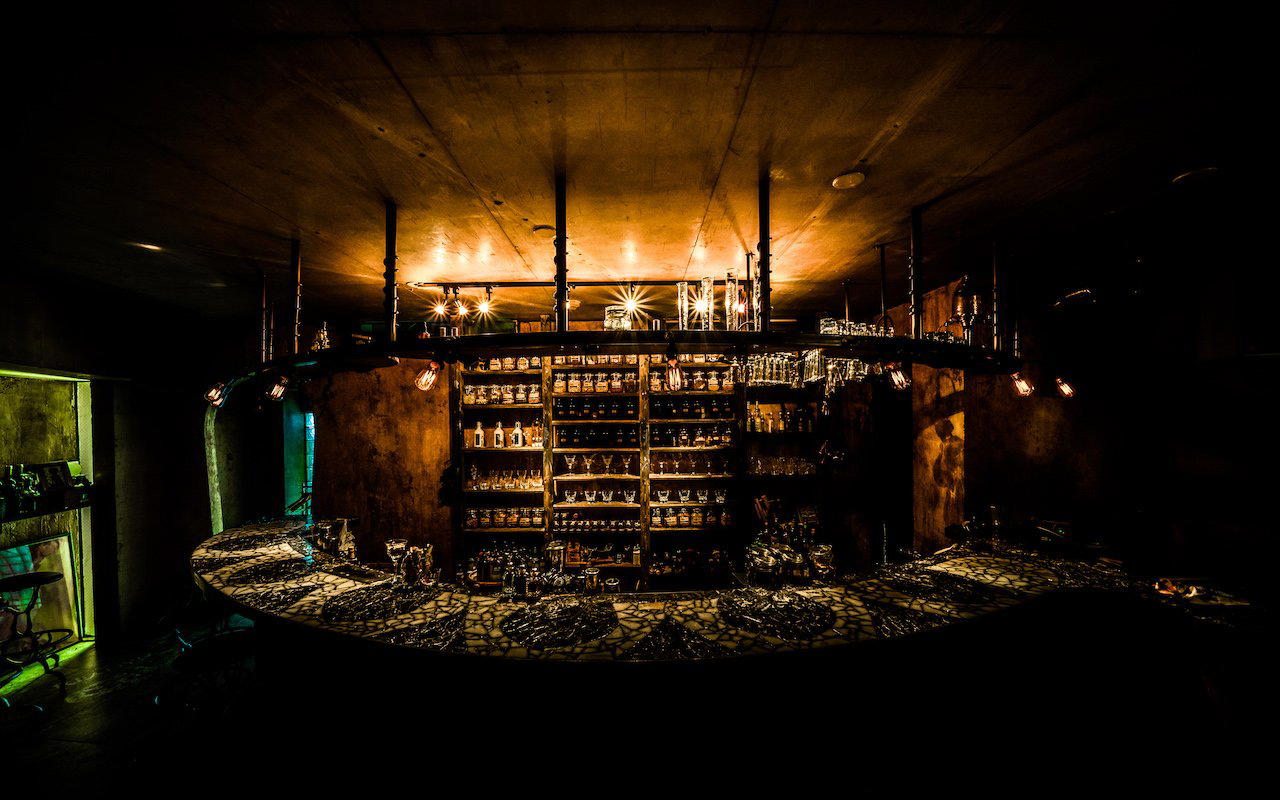
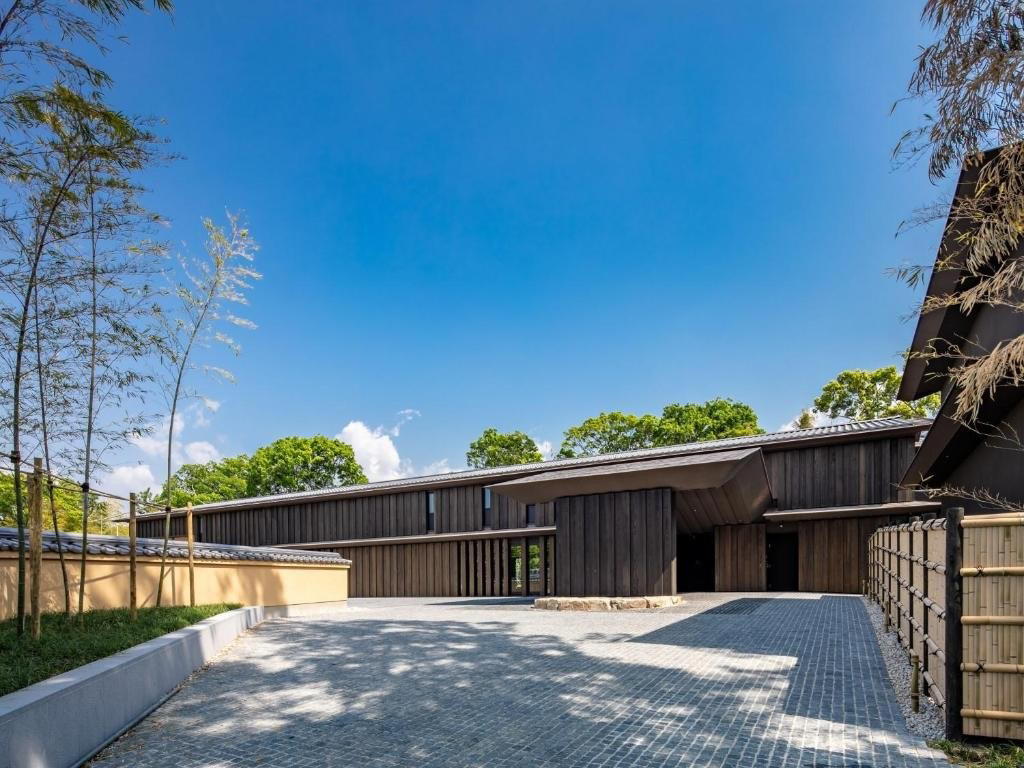
Tabelog 100 #82
Our verdict
Osaka’s udon culture is often read through speed, texture, and repeat custom rather than ceremony. Udon Dining KONA×MIZU×SHIO sits in Sakaisuji Hommachi with a 19-seat room, Tabelog 100 Udon WEST 2024 selection, and a split identity around udon and bread, including U-Pan made with boiled udon worked into the dough.

Pearl is the En Primeur Club membership app, where members save venues, book tables and use the concierge.
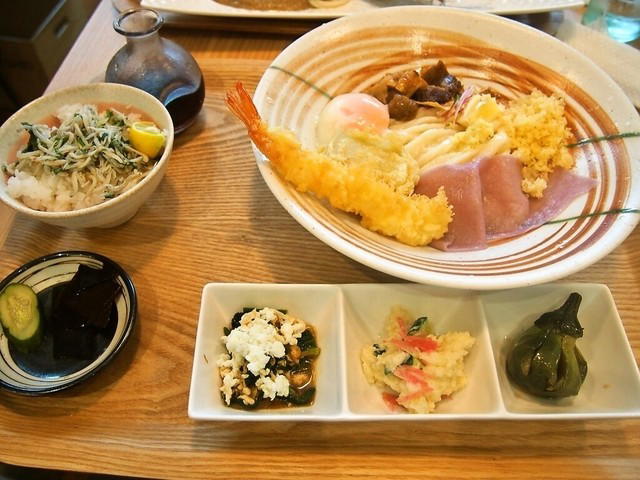
The menu
What to order
- Osaka beef and leeks udon
- Kake udon with rich dashi
- Nikumori bukkake udon
- U-Pan (udon bread)
- U-Pan donuts
Approaching Udon Dining KONA×MIZU×SHIO shifts Osaka dining’s rhythm. The city can make noodles feel transactional: stand, slurp, pay, leave. Here the appeal is less about formal luxury than about a focused local category, with udon treated as something more deliberate than a quick lunch default. The draw is repetition: customers returning for wheat noodles, bread, and the small differences that separate a competent stop from one worth planning around.
Osaka has always treated flour seriously. Takoyaki and okonomiyaki dominate the shorthand, but udon belongs to the same konamon logic, where value is measured in dough handling as much as garnish. Udon Dining KONA×MIZU×SHIO makes this unusually clear because its listed categories join udon and bread, a combination that sounds playful until placed in the city’s broader wheat culture. Tabelog selected it for Udon WEST 100 in 2024, a useful signal in a category where reputation is built more through local repetition than international awards circuits.
Where udon regulars read texture before toppings
The regulars’ view matters because udon houses are not judged by novelty alone. Kansai diners notice elasticity, temperature, broth balance, and how well a shop handles a simple format without flattening food into routine. For an udon specialist, chew is central. In Japanese noodle culture, texture is not decorative; it means bounce, stretch, and resistance, the qualities that make udon feel alive rather than merely filling.
The bread side extends the same flour logic beyond the bowl. With udon and bread both part of the restaurant’s listed identity, the shop reads less like a single-dish stop and more like a small study in wheat. In a city where obsessives track tiny format differences across dining rooms, this is the kind of detail that creates repeat custom: not a grand tasting-menu thesis, but a compact proposition checked bite by bite.
That dual identity separates the room from other Osaka noodle and casual-dining options. Benikurage, Hommachi Seimenjo Chukasobakobo, KAMINOZA, Menya Hanabusa, and Zeroku Honmachi ten all give travelers useful points of comparison across the city’s compact dining landscape. Against that context, this udon-and-bread format occupies a narrower lane: casual in posture, not generic in construction.
Osaka favors specialists over spectacle
Osaka is not only bright theatre and destination dining. It is also weekday habits, repeat visits, and lunch geography where a restaurant either becomes useful or leaves the rotation. That suits udon. The dish rewards consistency but exposes shortcuts quickly: overworked noodles, weak broth, or a room moving faster than the food can support. Udon Dining KONA×MIZU×SHIO fits that specialist logic more than a high-volume, catch-all format.
The Tabelog 100 Udon WEST 2024 selection gives the place a credential, but the sharper signal is category fit. Udon recognition in western Japan is not imported prestige. It reflects a region with strong baseline expectations for wheat noodles, where a shop needs a distinct reason to enter the conversation. Here, that reason is the tension between udon fundamentals and a bread identity, the latter reading as an extension of the same ingredient study.
For travelers building an Osaka food itinerary, compare it not with formal kaiseki or sushi counters but with specialist casual rooms, places where narrow craft justifies crossing town. The same trip might include other Osaka dining rooms, bakery stops, coffee, Italian cooking, pizza, or other focused formats across the city. The connective tissue is not cuisine type but Osaka’s appetite for places that know what they are and earn regular business.
How to place it in an Osaka dining day
This is sharper for a traveler who likes small-format, single-category dining than for someone seeking a long ceremonial meal. Its social function is everyday Osaka as much as award-chasing itinerary building: a venue to understand through its category, its price point, and its local reputation rather than through ceremony or spectacle.
The practical framing matters. Because the reliable public facts point to category, price range, phone listing, score, and award recognition rather than a luxury-service profile, visitors should treat it as a planned specialist stop rather than a flexible substitute for a high-end meal. The appeal is strongest when approached as udon and bread in Osaka, not as a broad international dining room trying to serve every mood.
Its value differs from a splurge restaurant. Lunch is listed at JPY 1,000 to JPY 1,999, dinner at JPY 4,000 to JPY 4,999. That suggests two uses: a focused daytime noodle stop or a broader evening visit. Either way, the attraction is precision within a modest frame, not spectacle.
For broader planning, use Our full Osaka restaurants guide alongside Our full Osaka hotels guide, Our full Osaka bars guide, Our full Osaka wineries guide, and Our full Osaka experiences guide. Travelers comparing Japanese casual formats beyond Osaka can keep the comparison generic: look for other compact dining rooms where a narrow specialty, rather than a long luxury format, defines the experience.
The critical read is simple: this Osaka specialist turns wheat into a repeatable argument. The udon carries the traditional burden of texture, the bread widens the idea, and the award recognition places the shop inside western Japan’s serious udon conversation without changing its everyday character.
Frequently asked questions
Is Udon Dining KONA×MIZU×SHIO more mid-range or high-end?
Pricing at Udon Dining KONA×MIZU×SHIO is listed as dinner JPY 4,000 - JPY 4,999 and lunch JPY 1,000 - JPY 1,999.
Where is Udon Dining KONA×MIZU×SHIO in Osaka?
Osaka.
Do they take walk-ins at Udon Dining KONA×MIZU×SHIO?
The available venue details do not provide a specific reservations policy. Check directly with Udon Dining KONA×MIZU×SHIO before visiting.
What's the defining dish or idea at Udon Dining KONA×MIZU×SHIO?
The listed categories are udon and bread, and its 2024 Tabelog Udon WEST 100 selection helps define its place in Osaka’s udon scene.
Peers You’d Cross-Shop
Comparable venues to place this listing in its category.
| Venue | Cuisine | Price | Awards | Notes |
|---|---|---|---|---|
| Udon Dining KONA×MIZU×SHIOThis venue (the venue you are viewing) | Modern udon dining with udon-based bread | $20–30 | Tabelog 100 #82 | Not listed |
| Benikurage | Modern Izakaya with Sake Pairings | $50–100 | Michelin Bib Gourmand | Izakaya |
| Zeroku Honmachi ten | Traditional Japanese kissaten with coffee and monaka ice cream | $1–10 | Tabelog 100 | JPY 999 - JPY 999 |
| Hommachi Seimenjo Chukasobakobo | Authentic Japanese Ramen | $10–20 | Michelin Bib Gourmand | Ramen |
| Menya Hanabusa | Nagoya Cochin chicken ramen & chuka soba | $10–20 | Tabelog 100 #29 | JPY 999 - JPY 999 |
| KAMINOZA | Modern Kaiseki | $150–200 | Michelin Plate | Japanese |
Recognition history
Dated appearances from independent guides and award organizations, with the underlying list record or original source where available.
Tabelog 100 #82 · No. 82
Tabelog · Tabelog 100 - Udon - WEST - 2024