Tabelog 100
Our verdict
Osaka’s kissaten culture rewards rhythm over ceremony: a short pause, a small table, coffee-shop pacing, and a bill that stays in the everyday bracket. Zeroku Honmachi ten belongs to that tradition, with Tabelog 100 Kissaten recognition in 2021 and 2022 placing it among Japan’s noted old-school coffee-shop addresses rather than the city’s louder dining rooms.

Pearl is the En Primeur Club membership app — saves, bookings, and concierge access live there. Same editors, same standards.
The menu
What to order
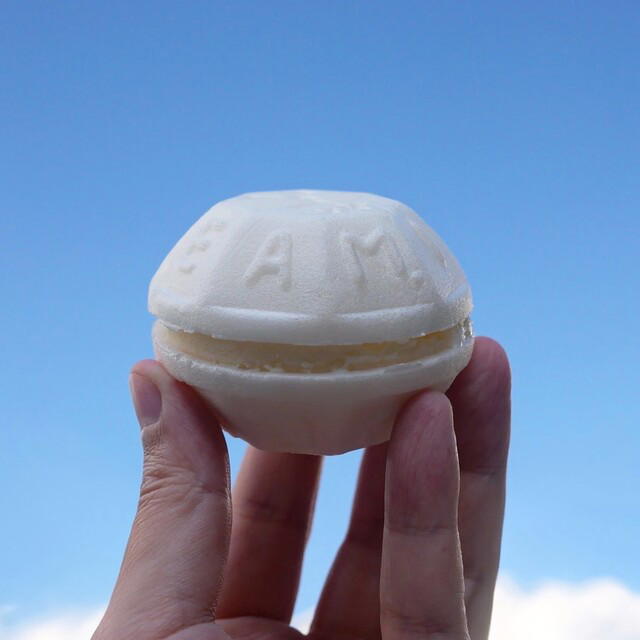
- Ice monaka sandwich
- Coffee or tea + ice monaka set
Osaka changes the tempo of eating into something practical and immediate. The meal is often compressed into a pause between errands, meetings, and train transfers: coffee, something cold, a table, then back into the city. Zeroku Honmachi ten fits that ritual rather than fighting it. The category is kissaten rather than restaurant in the formal sense, and the appeal sits in the discipline of a Japanese coffee shop where the stop is brief but not careless.
That distinction matters in Osaka, a city often summarized through takoyaki, kushikatsu, and late-night drinking. The quieter daytime counterpoint is the kissaten, Japan’s older coffee-shop form: less about laptop culture, more about a defined pause with house rules, table turnover, and a narrow sense of purpose. In that frame, Zeroku Honmachi ten reads as part of a working-city habit, not a destination meal dressed up as nostalgia.
A kissaten rhythm in a city built for faster eating
Osaka’s casual food culture can be bluntly efficient. Ramen shops such as Menya Hanabusa sit in the same low-spend bracket, while other familiar city staples represent a different form of speed: takeaway familiarity at civic scale. A kissaten asks for another kind of efficiency. The guest sits, orders within the grammar of coffee shop, gelato, ice cream, and cafe service, and lets the pace reset for a few minutes. It is not elaborate, but it is highly codified.
The signal here is recognition from Tabelog’s Kissaten 100 selection in 2022. Tabelog’s Hyakumeiten lists are especially useful for categories that do not map neatly onto Michelin-style dining: shops where regularity, local affection, and category fidelity carry weight. For travellers who usually plan Osaka around counters and tasting menus, this is a reminder that the city’s food intelligence also lives in small daytime rituals.
The comparison set sharpens the point. Benikurage belongs to another Osaka register, while Sugimachi and É nye suggest different expectations of duration and occasion. Zeroku Honmachi ten occupies a more modest pole: closer to a daily habit than a staged evening. That difference is not a downgrade; it is the reason the address makes sense in Osaka.
Small-room etiquette, low ceremony, and why the format works
Practical etiquette of a kissaten is simple: keep the order focused, respect the room, and do not treat the table as rented office space. This is not a place to turn a short stop into a long itinerary meeting. The format rewards one clear pause. That makes it useful for travellers who want to understand Osaka beyond dinner reservations, because daytime eating often reveals the city’s actual habits more clearly than a polished evening room.
Categories also explain the pacing. Coffee-shop service, gelato, ice cream, and cafe use create a lighter register than full lunch or dinner. The low-spend format keeps the venue aligned with Osaka’s weekday movement. Its clearest public recognition comes through Tabelog’s 2022 Kissaten 100 selection, placing it within a category where precision of use matters more than ceremony.
There is also a useful caution in the romance around Japanese coffee shops. Not every kissaten is a cinematic time capsule, and not every room should be burdened with that expectation. The more accurate reading is functional: a recognized Osaka kissaten with a narrow category and a low-spend format. That is enough. The dining ritual is the point, and the restraint is part of the value.
How to place it inside an Osaka food day
Zeroku Honmachi ten works better as punctuation than centerpiece. Build the day around contrast: a morning or early-afternoon kissaten stop in Osaka, then move toward broader Osaka eating patterns later. For a wider city view, Our full Osaka restaurants guide gives the range, from casual counters to higher-spend rooms. Travellers comparing category moods can look across other Osaka dining rooms to see how the city shifts between quick comfort, bread culture, pizza, and Italian dining.
Use the broader EP Club city pages as context rather than itinerary padding: Our full Osaka hotels guide for where to base a food trip, Our full Osaka bars guide for the evening turn, Our full Osaka wineries guide for wine-focused planning, and Our full Osaka experiences guide for cultural structure around meals. The better Osaka days are not a string of famous names; they move between formats with intent.
For readers mapping Japanese casual food more broadly, the contrast extends outside Osaka as well: other dining rooms in Japanese cities show how local formats carry different expectations. Even overseas, Japanese casual grammar changes again, shaped by the city, the clientele, and the way a familiar format is translated into a different dining culture.
The critical read is clear: this is not the Osaka address for a long dinner, a chef-led counter, or a splurge. It is a recognized kissaten stop in Osaka, useful because it preserves a smaller ritual inside a city often understood through appetite and velocity. Treat it that way and it earns its place in the day.
Frequently asked questions
How do I find Zeroku Honmachi ten?
Zeroku Honmachi ten is located in Osaka.
What's the pricing like at Zeroku Honmachi ten?
Pricing at Zeroku Honmachi ten is listed as - JPY 999 - JPY 999.
What are Zeroku Honmachi ten's hours?
Published hours are not provided here. Check the venue's official channels for the latest details.
What's the standout thing about Zeroku Honmachi ten?
Its clearest credential is the Tabelog 100 Kissaten selection for 2022. Add the format — kissa, gelato, ice cream, and cafe — and it reads as a tightly focused Osaka kissaten rather than a linger-all-day cafe.
What if I have allergies at Zeroku Honmachi ten?
Those details are not published. The venue is in Osaka. Check the venue's official channels for the latest details.
Is Zeroku Honmachi ten suitable for children?
Children-specific guidance is not provided here. As an Osaka kissaten, it works better as a calm, focused stop than a long sit-down outing.
The Essentials
Comparable venues at the same tier for side-by-side context.
| Venue | Cuisine | Price | Awards | Notes |
|---|---|---|---|---|
| Zeroku Honmachi tenThis venue (the venue you are viewing) | Traditional Japanese kissaten with coffee and monaka ice cream | $1–10 | Tabelog 100 | Not listed |
| Menya Hanabusa | Nagoya Cochin chicken ramen & chuka soba | $10–20 | Tabelog 100 #29 | JPY 999 - JPY 999 |
| Benikurage | Modern Izakaya with Sake Pairings | $50–100 | Michelin Bib Gourmand | Izakaya |
| É nye | Spanish Restaurant | Not listed | Tabelog 100 #33 | JPY 15,000 - JPY 19,999 |
| wapiti | Modern standing bar with smoked dishes and Spanish-style small plates | $30–50 | Tabelog 100 #100 | JPY 4,000 - JPY 4,999 JPY 2,000 - JPY 2,999 |
| Sugimachi | Modern Kaiseki | Not listed | Michelin Plate | Japanese |
Recognition history
Dated appearances from independent guides and award organizations, with the underlying list record or original source where available.
Tabelog 100
Tabelog · Tabelog 100 - Kissaten - 2026
Full recognition history (2 entries)
Tabelog 100 #98 · No. 98
Tabelog · Tabelog 100 - Kissaten - 2022