Uchi brings the Austin-born omakase-influenced Japanese format to Washington D.C., translating a menu architecture built around small composed plates, premium fish, and chef-driven progression into the capital's increasingly serious dining circuit. The D.C. outpost sits within a broader wave of nationally recognised concepts choosing to plant flags in a city that has spent the past decade closing the gap on New York and San Francisco.
 Discover on Pearl
Pearl is the En Primeur Club membership app — saves, bookings, and concierge access live there. Same editors, same standards.
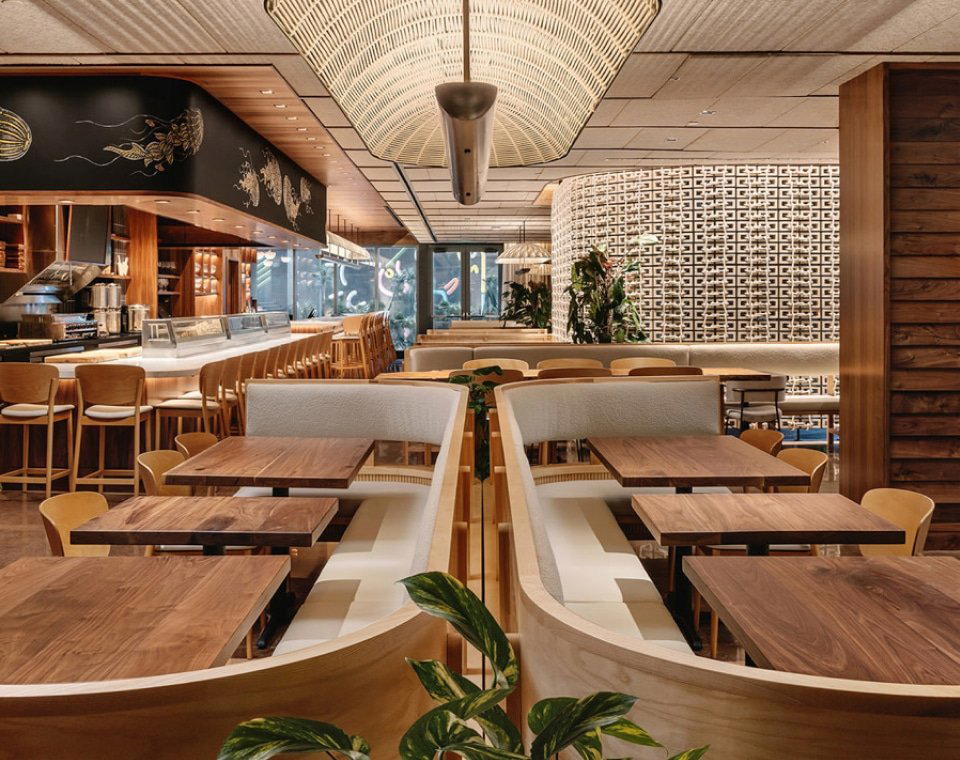
A Japanese Counter Concept in a City That Has Been Waiting for It
Uchi is a Japanese restaurant in Washington D.C. with a composed small-plates menu and a price tier around $150 per person. The arrival of concepts like Uchi (D.C. outpost) is part of that story. Uchi, a Japanese restaurant that built its reputation in Austin and subsequently expanded to Houston, Miami, Denver, and Dallas, represents a particular strand of American Japanese cuisine: technically grounded, chef-driven, structured around small composed plates rather than a single ceremonial sushi counter format. Its presence in D.C. places it inside a cohort of nationally-scaled ambitious Japanese concepts that are increasingly choosing to compete in markets beyond their origin cities.
How the Menu Is Structured, and What That Reveals
The architecture of an Uchi menu is the most instructive thing about it. Rather than the traditional omakase model, where the chef's sequence is fixed and the diner surrenders control entirely, Uchi operates through a shareable small-plates framework. Diners build their own progression through categories that typically span cold preparations, sashimi-adjacent compositions, and hot dishes with Japanese technique applied to broader ingredient vocabularies. That structure puts Uchi closer to a Japanese-influenced tasting bar than to the formal Edomae counter tradition, and understanding that distinction matters before you book.
This format has significant implications for how a table eats. Pacing becomes collaborative. The instinct at a traditional omakase counter is to sit back and receive; at a concept like Uchi, the expectation is that the table will direct its own journey through the menu, choosing which categories to cover and in what depth. For groups with range and appetite, that latitude is an asset. For diners who prefer the discipline of a pre-determined sequence, it is worth noting that the experience feels structurally different from the omakase counters that now define the premium end of Japanese dining in cities like New York, where venues comparable to Le Bernardin in New York City in terms of formal ambition have their sushi-specific equivalents. Uchi's framework trades some of that ceremonial rigidity for the kind of menu freedom that makes it accessible to a wider dining public.
D.C.'s Japanese Dining Context
To place Uchi properly within the Washington scene, it helps to understand what the city's Japanese dining tier looks like around it. D.C. has a credible and growing sushi and Japanese restaurant circuit, but it has historically lacked the hyper-concentrated premium counter culture that New York's Midtown and downtown neighbourhoods have developed over the past two decades. That means a nationally recognised brand like Uchi arrives without a wall of direct local competition at the same format and price tier, which gives it a clearer lane than it would find in, say, San Francisco, where concepts like Lazy Bear in San Francisco demonstrate how saturated that city's ambitious tasting-menu circuit already is.
The D.C. restaurant scene that Uchi enters includes long-form American fine dining, Spanish-influenced conceptual cooking, and ingredient-focused operators such as Alfie's and Alfie's (permanent Georgetown). Uchi fits coherently into that direction of travel.
The Uchi Brand at Scale: What National Expansion Means for a Dining Experience
Uchi's expansion story provides useful context. The brand originated with a single Austin restaurant that built a following on the combination of Japanese technical skill and a southern American willingness to integrate non-traditional ingredients and flavour references. That original reputation carried real weight and helped justify the subsequent multi-city growth. What the expansion means practically is that the D.C. version operates within a framework that has been refined across multiple markets. The menu architecture is consistent, the sourcing relationships are developed at scale, and the kitchen training draws from a programme built over years across several locations. Whether that is a feature or a limitation depends on what you value in a dining experience. Diners who prioritise the idiosyncrasy of a single-chef solo project will read the network scale differently from those who value reliability and a proven format. For comparison, Alinea in Chicago remains a single-location operation, while Uchi operates at a different point on that spectrum.
At the premium tier of nationally expanded American dining concepts, there are useful reference points: The French Laundry in Napa and Single Thread Farm in Healdsburg represent the Californian end of serious produce-driven cooking that has influenced how ambitious American restaurants think about sourcing. Uchi's Japanese-influenced framework sits in a separate tradition, but the underlying ambition to source at a high level and to maintain format discipline across locations places it in a comparable peer conversation.
Planning a Visit
Washington D.C. rewards visitors who treat the dining scene as a full circuit. Uchi's small-plates format means that a table arrives and builds rather than receiving a fixed sequence, so allowing time in the evening matters more than the clock-in, clock-out precision that a tasting-menu counter enforces. The city's restaurant circuit extends well beyond D.C. proper, including the Uchi (Bethesda area offshoot) and the forthcoming Uchi (Bethesda, planned) location, which signals the brand's confidence in the broader D.C. metro market.
For Japanese cuisine specifically, booking ahead is standard practice at the tier Uchi operates in, and the D.C. market's growing appetite for format-serious dining means that weekend availability in particular should not be assumed. Booking ahead is recommended.
Cuisine and Awards Snapshot
Comparable venues nearby, for context on price, style, and recognition.
| Venue | Cuisine | Price | Awards | Notes |
|---|---|---|---|---|
| UchiThis venue — the venue you are viewing | Modern Japanese Sushi | $$$$ | , | |
| Nobu DC | Japanese-Peruvian Fusion | $$$$ | , | West End |
| Love, Makoto | Modern Japanese Food Hall | $$$$ | , | Mount Vernon Triangle |
| The Prime Rib | Classic Prime Rib Steakhouse | $$$$ | , | Golden Triangle |
| Koryouri Urara | Modern Japanese Omakase | $$$ | , | Georgetown |
| Kappo | Kappo-Style Japanese Tasting Menu | $$$$ | Michelin Plate | The Palisades |
Continue exploring
More in Washington DC
Restaurants in Washington DC
Browse all →
Bars in Washington DC
Browse all →



At a Glance
- Modern
- Trendy
- Sophisticated
- Intimate
- Date Night
- Special Occasion
- Chefs Counter
- Craft Cocktails
- Sake Program
- Sustainable Seafood
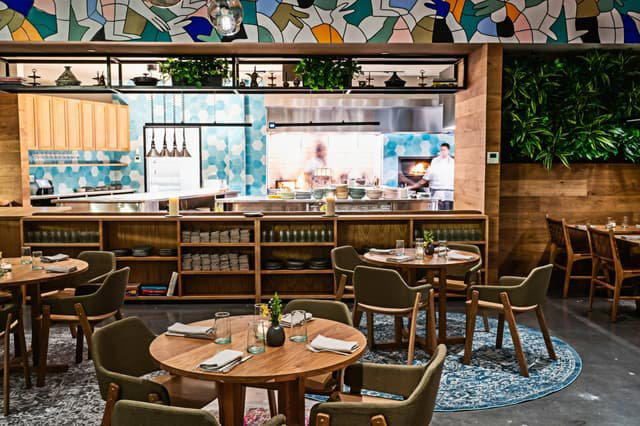
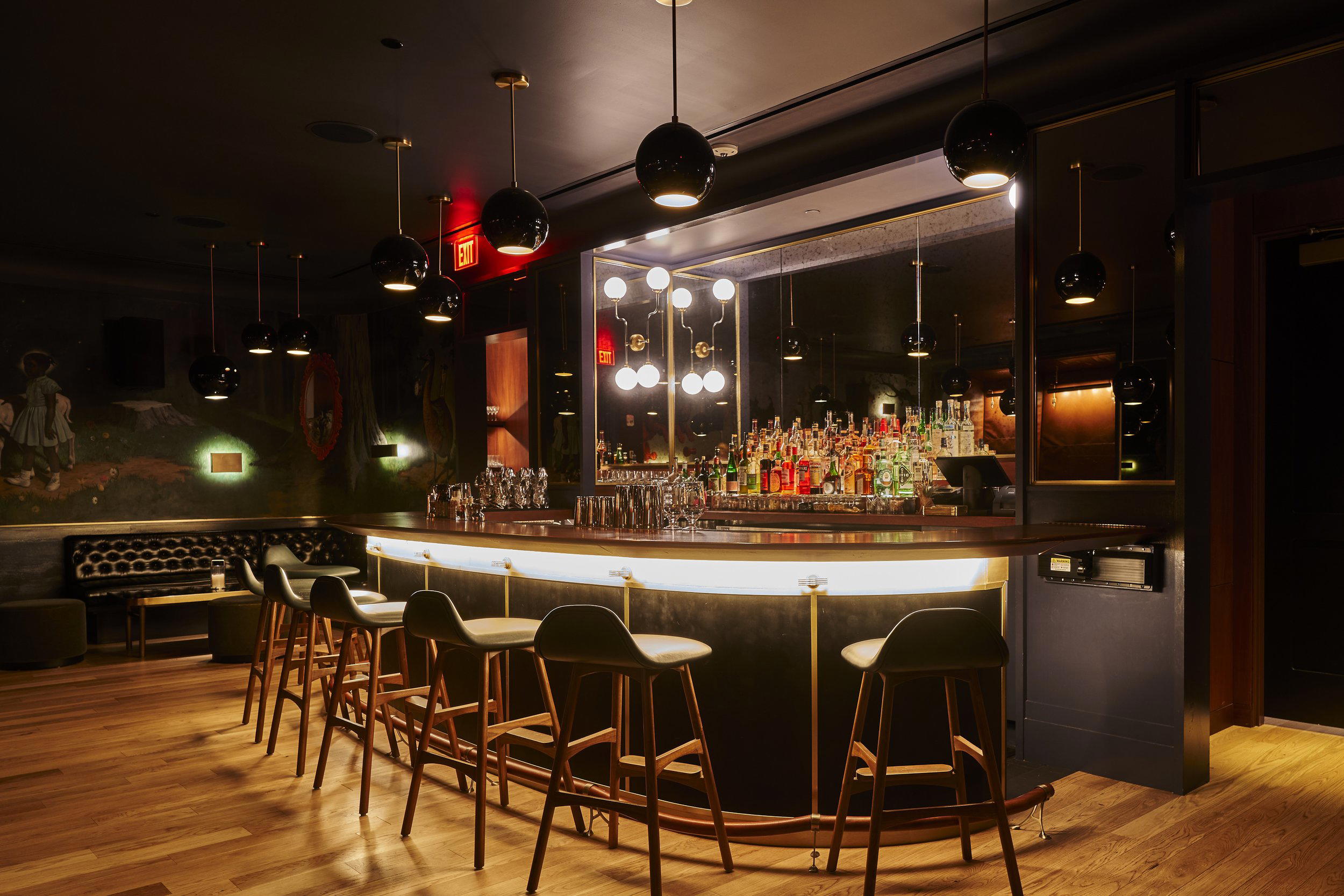
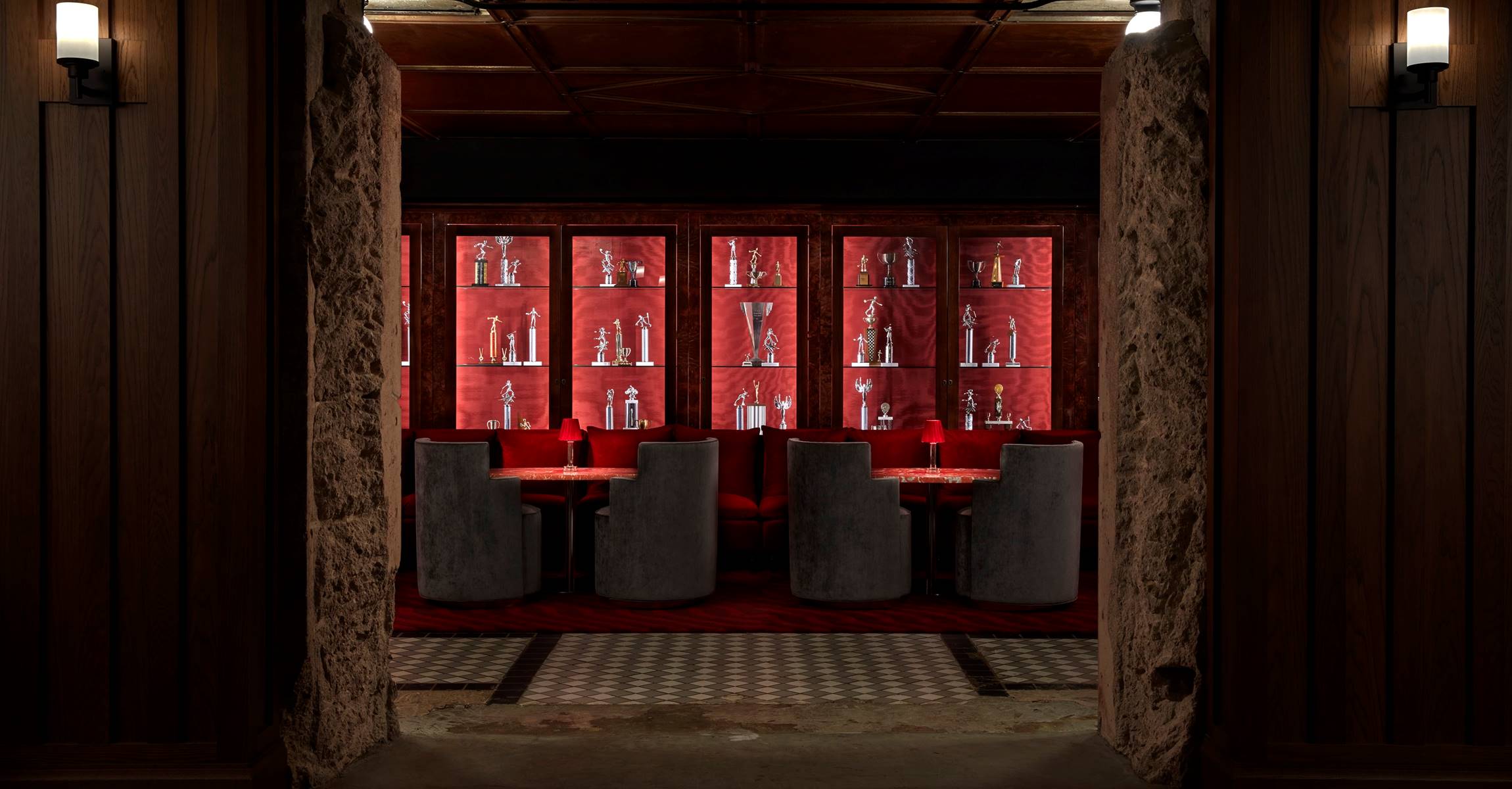
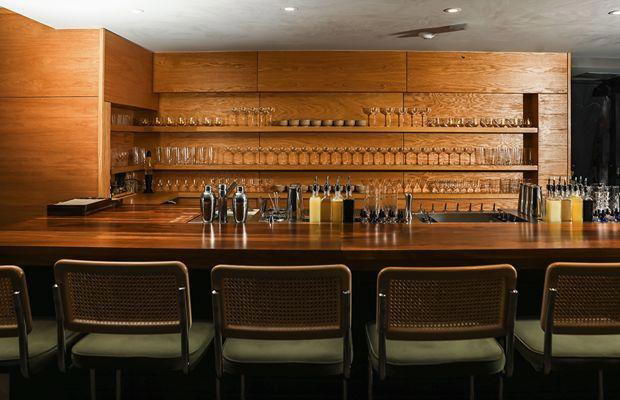
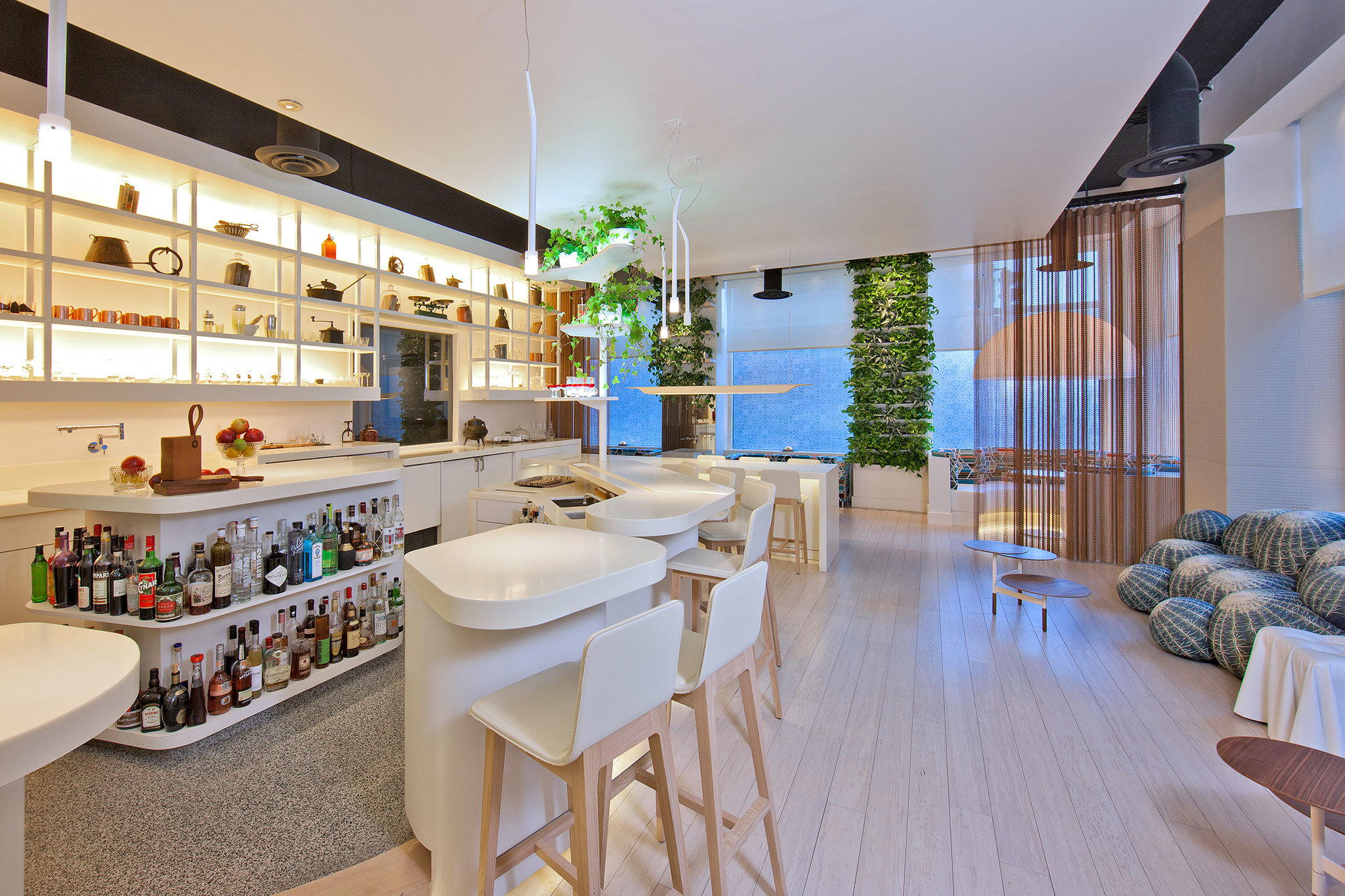
Sparely designed with curved wood ceiling, soft lighting, and cozy spaces creating a warm, modern intimacy.