TUUR
TUUR, on Sint Maartenslaan in Maastricht, occupies a tier of serious Dutch fine dining that the city has quietly been building for decades. Set in a neighbourhood just south of the Maas, the address places it among a cohort of destination-level restaurants that draw from across the Dutch-Belgian border region. For a city of its size, Maastricht carries a disproportionate concentration of ambitious cooking, and TUUR is part of that argument.
Pearl is the En Primeur Club membership app — saves, bookings, and concierge access live there. Same editors, same standards.
- Address
- Sint Maartenslaan 31 A, 6221 AW Maastricht, Netherlands
- Phone
- +31438880155
- Website
- tuurmaastricht.nl
- Directions
- Get directions
 Saves & bookings on Pearl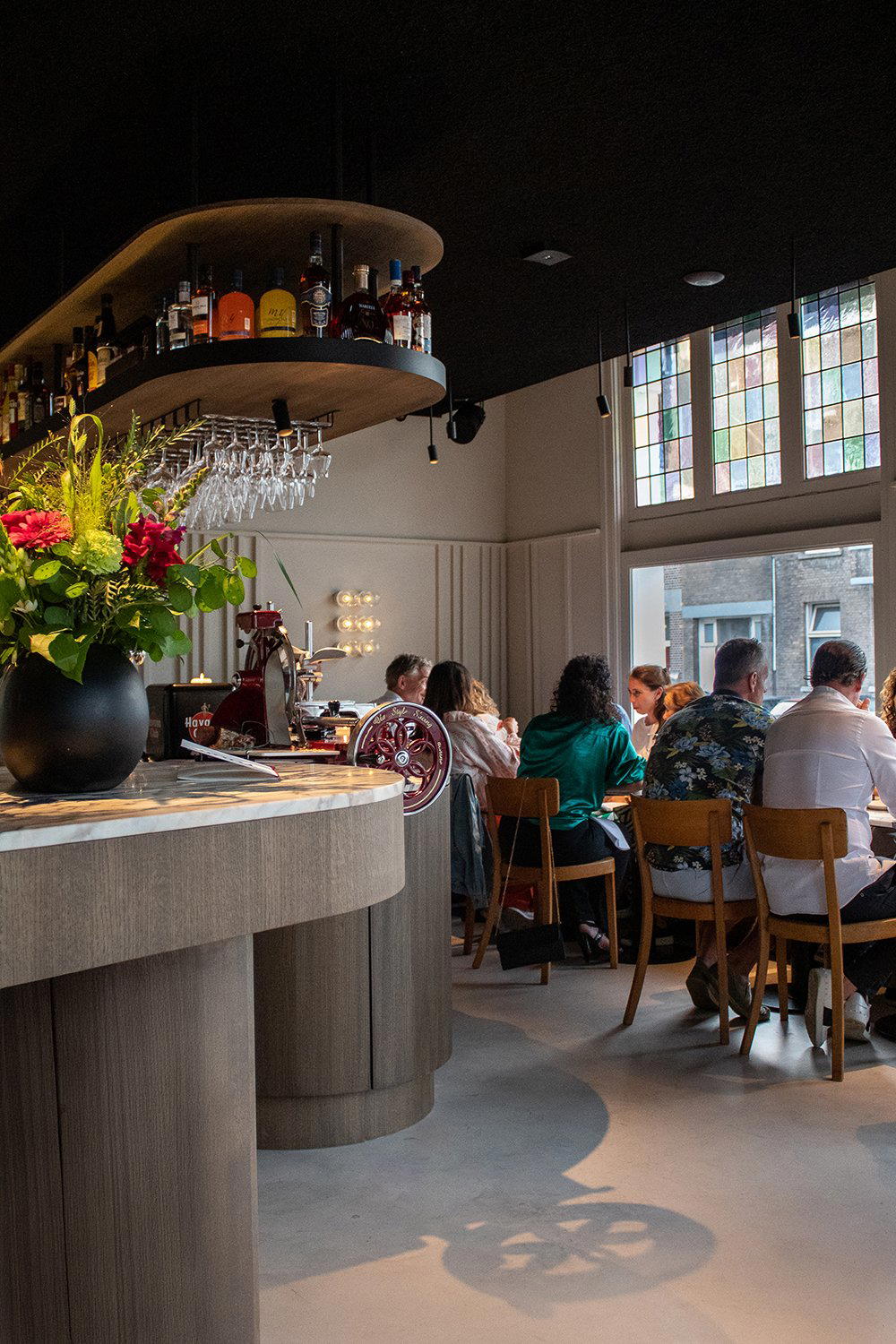
A City That Punches Above Its Weight
Maastricht has long operated as the Netherlands' most European city in the culinary sense: geographically wedged between Belgium and Germany, historically shaped by French-Walloon influence, and home to a restaurant scene that consistently produces cooking more ambitious than its population of 120,000 would suggest. The top tier here, occupied by addresses like Beluga Loves You, Au Coin des Bons Enfants, and Tout à Fait, competes less with other Dutch provincial cities and more with Antwerp or even Brussels. TUUR is a modern French bistro at Sint Maartenslaan 31 A in Maastricht. It sits south of the old city centre, in a quieter residential stretch that has become a reliable address for serious dining without the foot-traffic theatrics of the Markt or Vrijthof.
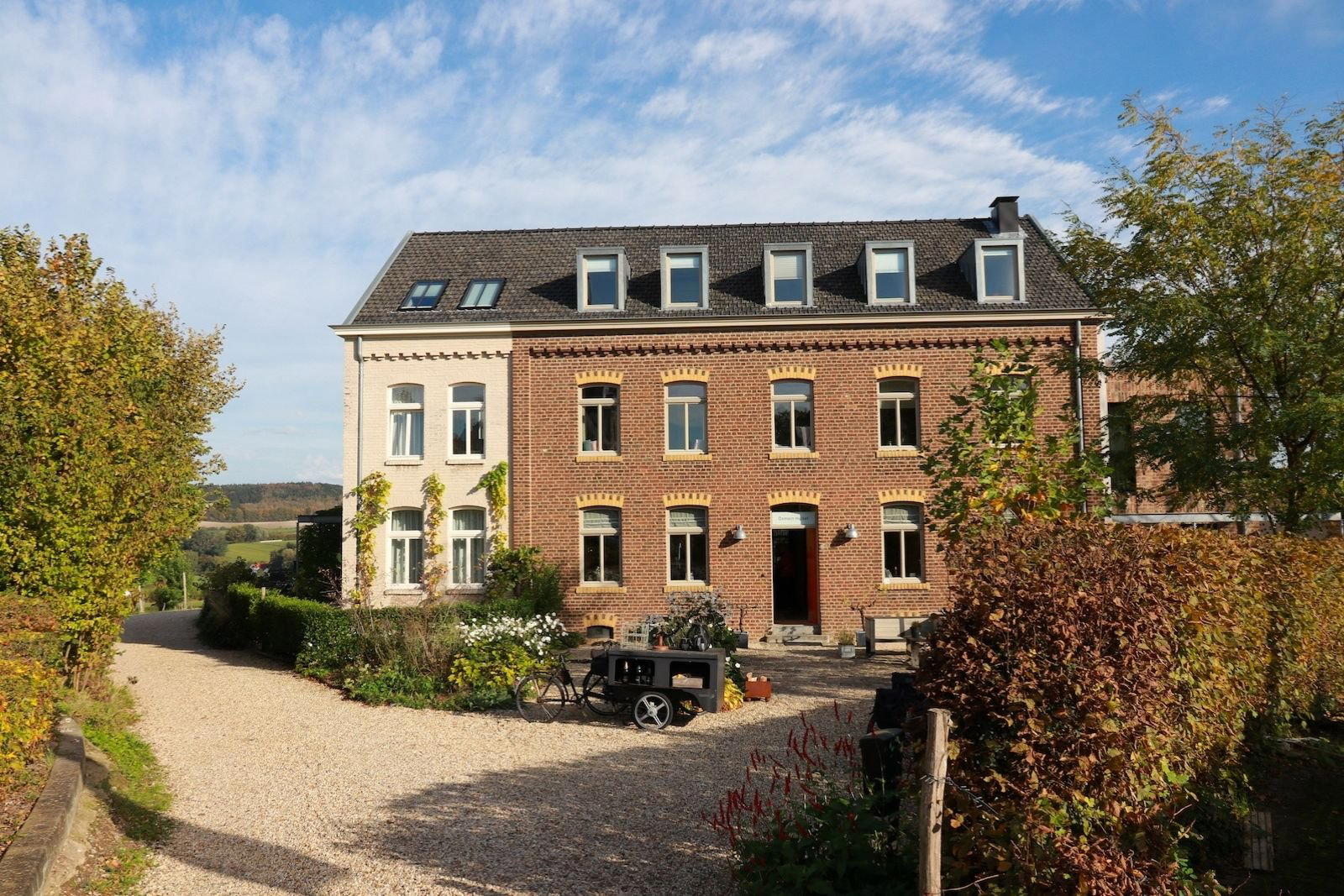
Approaching Sint Maartenslaan
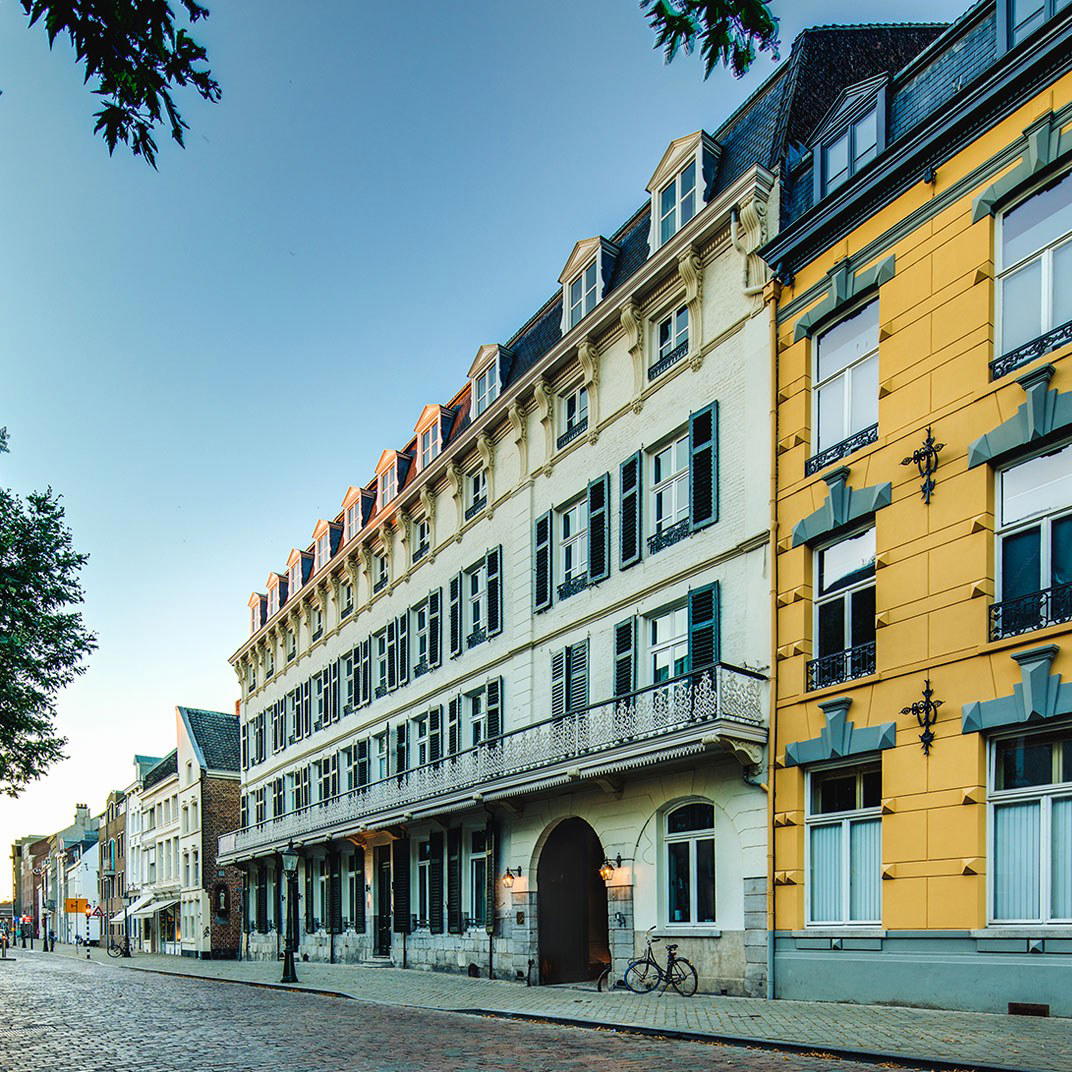
The address itself sets a tone. Sint Maartenslaan runs through a neighbourhood that feels unhurried by Maastricht's tourist circuits, the kind of street where a deliberate, multi-course meal makes sense as an evening's sole purpose. In a city where Studio has made Asian-influenced tasting menus a fixture of the premium tier, and where Bar Beurre handles the accessible French bistro register at the other end of the price spectrum, TUUR occupies a position that rewards the reader who has already committed to a proper evening rather than a spontaneous dinner. The neighbourhood signals intent before you reach the door.
The Architecture of a Tasting Progression
The multi-course format works differently in Maastricht than it does in Amsterdam or Rotterdam. In cities like Amsterdam, where Ciel Bleu operates from a hotel high-rise with panoramic spectacle built into the experience, the room itself participates in the drama. In Maastricht, the emphasis tends to shift inward, toward the plate and the pacing of the meal. The tasting progression here is less about spectacle and more about accumulation: each course building an argument that only resolves in the final third of the evening.
Restaurants like De Librije in Zwolle and Aan de Poel in Amstelveen have demonstrated that the Netherlands can produce tasting menus with genuine internal logic, not just a sequence of dishes but a structure with identifiable momentum. The meal should build in pace, with a measured middle and a final savory course that carries greater weight. Dessert is often preceded by a pre-dessert.
Where TUUR Sits in the Dutch Fine Dining Map
Placing TUUR within the broader Dutch scene requires some triangulation. The Netherlands has a distributed fine dining geography: De Groene Lantaarn in Staphorst, De Lindehof in Nuenen, and Brut172 in Reijmerstok are all operating at serious levels in towns that international visitors rarely prioritise. De Nieuwe Winkel in Nijmegen has built a reputation on plant-forward cooking that places it in a different competitive set entirely. De Bokkedoorns in Overveen and De Lindenhof in Giethoorn operate in landscape-defined settings where the surrounding environment shapes the dining proposition. 't Nonnetje in Harderwijk represents the kind of long-established, quietly decorated address that Dutch fine dining has historically produced outside its major cities.
TUUR's position in Maastricht aligns it with this distributed model, but with one structural advantage: the city itself is a dining destination in a way that Staphorst or Harderwijk are not. Cross-border visitors from Belgium and Germany contribute to a consistent audience for ambitious cooking, and the city's culinary density means that a single trip can support two or three serious meals rather than one isolated destination dinner. Maastricht's leading restaurants operate in a related tradition, even if the culinary language is distinctly Northern European.
Planning Your Evening
Sint Maartenslaan is reachable on foot from the central train station in under fifteen minutes, or by a short taxi or bike ride from most of the city's hotels. Maastricht's compact geography means that dinner at TUUR can be paired with a pre-dinner aperitif in the old town without requiring any real logistical planning. For visitors combining TUUR with other serious meals, the city's broader fine dining circuit, covered in our full Maastricht restaurants guide, runs from the Franco-Belgian formality of Au Coin des Bons Enfants to the creative latitude of Beluga Loves You, giving a single trip enough range to justify the journey from Amsterdam or Brussels.
Standing Among Peers
Comparable venues nearby, for context on price, style, and recognition.
| Venue | Cuisine | Price | Notes |
|---|---|---|---|
| TUURThis venue — the venue you are viewing | Modern French Bistro | $$ | Not listed |
| Le Fernand | French Bistro | $$ | Jeker Quarter |
| Sofa | Modern French Bistro | $$$ | Heugem |
| Pakhoes | Classic French-Belgian | $$$ | Wyck |
| Mes Amis | French Fine Dining with Limburg Wine Pairings | $$$ | Jeker Quarter |
| Bouchon D'en Face | Classic French Bistro | $$ | Wyck |
Continue exploring
More in Maastricht
Restaurants in Maastricht
Browse all →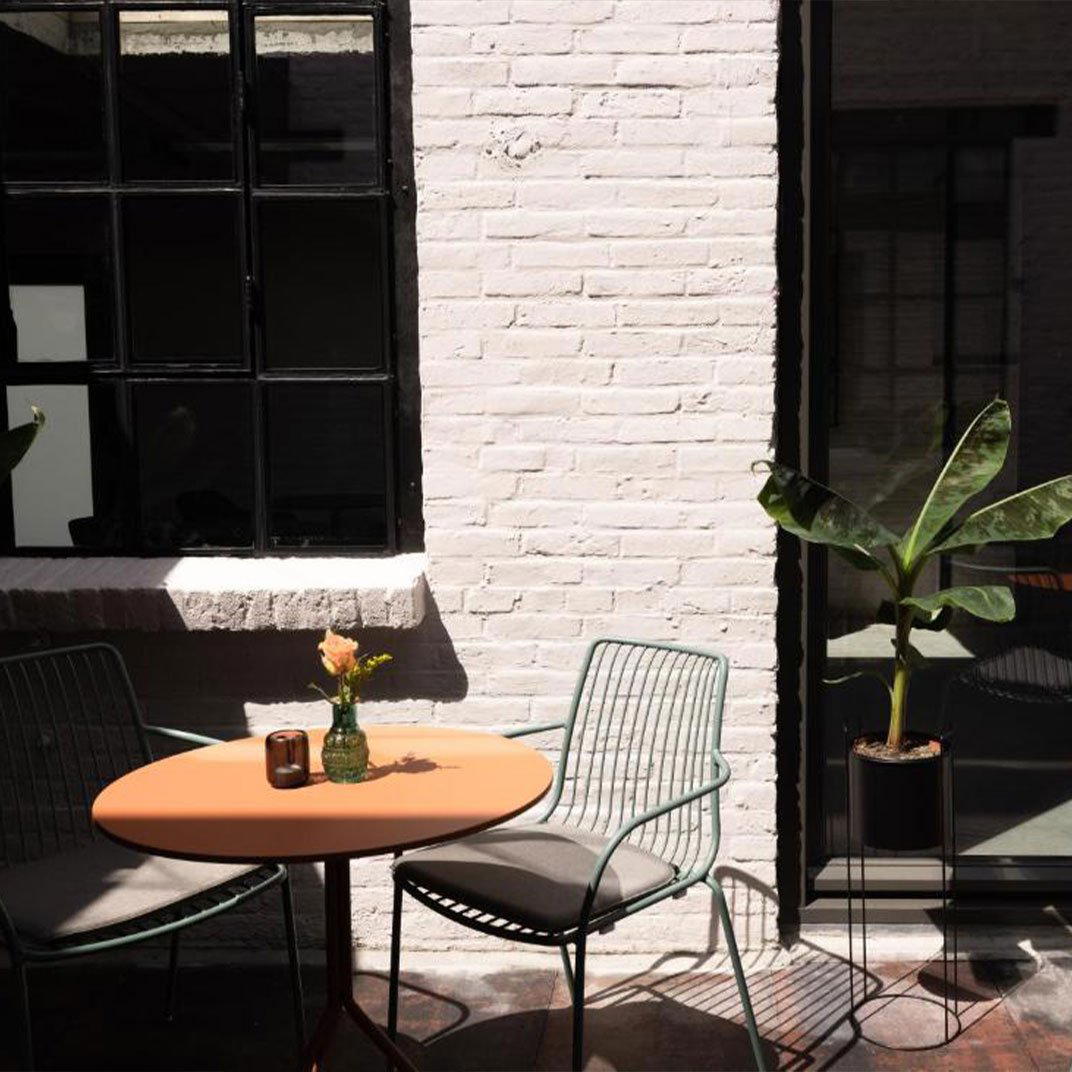
Bars in Maastricht
Browse all →
Hotels in Maastricht
Browse all →
Wineries in Maastricht
Browse all →
At a Glance
- Cozy
- Relaxed
- Trendy
- Intimate
- Date Night
- Casual Hangout
- Special Occasion
- Open Kitchen
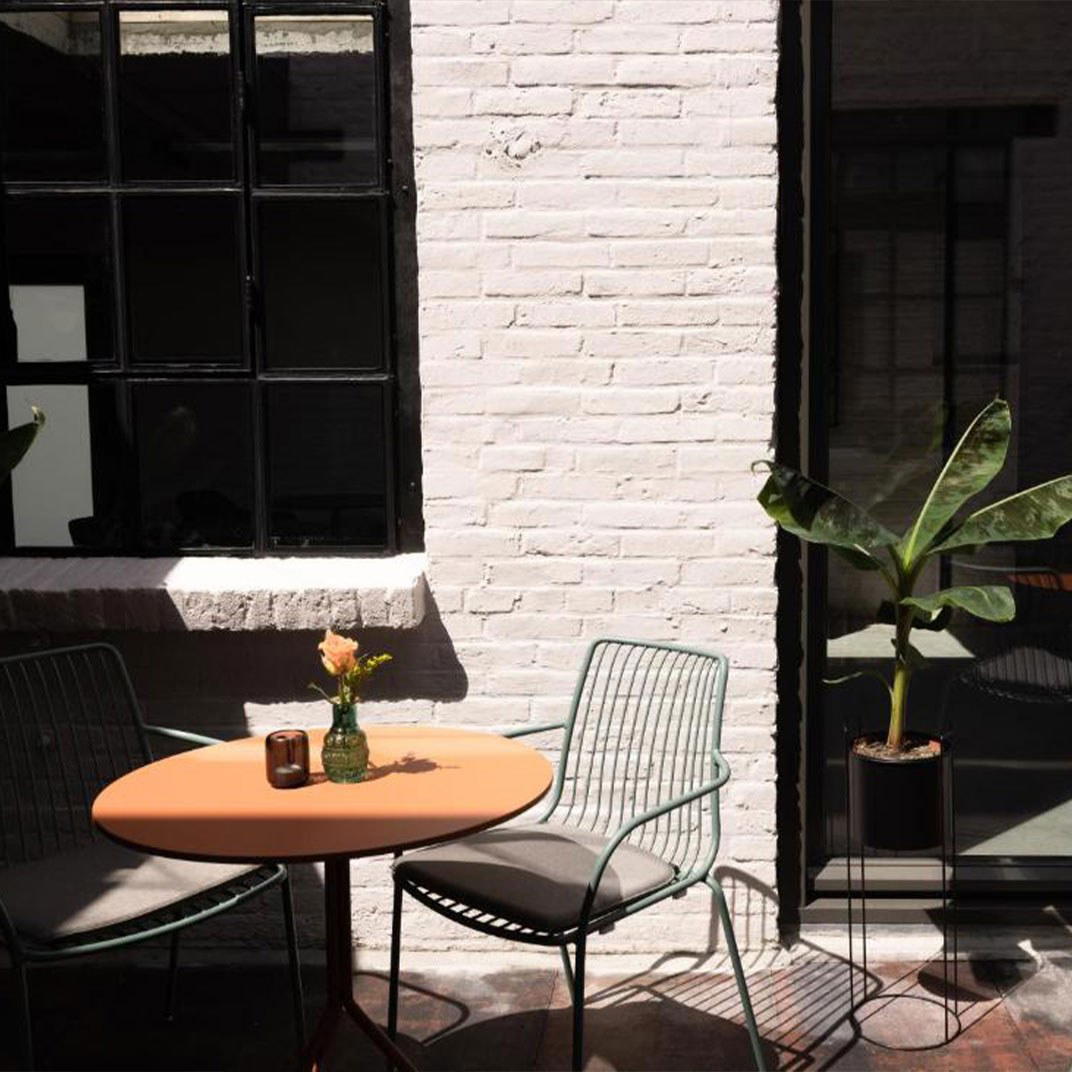
- Terrace
- Extensive Wine List
Current opening hours
- Monday
- 12 PM–12 AM
- Tuesday
- 5 PM–12 AM
- Wednesday
- Closed
- Thursday
- 12 PM–12 AM
- Friday
- 12 PM–12 AM
- Saturday
- 12 PM–12 AM
- Sunday
- 12 PM–12 AM
Hours can change for holidays and private events. Last verified .
Cozy, relaxing atmosphere combining casual and upscale elements with friendly, attentive service.