Bouchon D'en Face
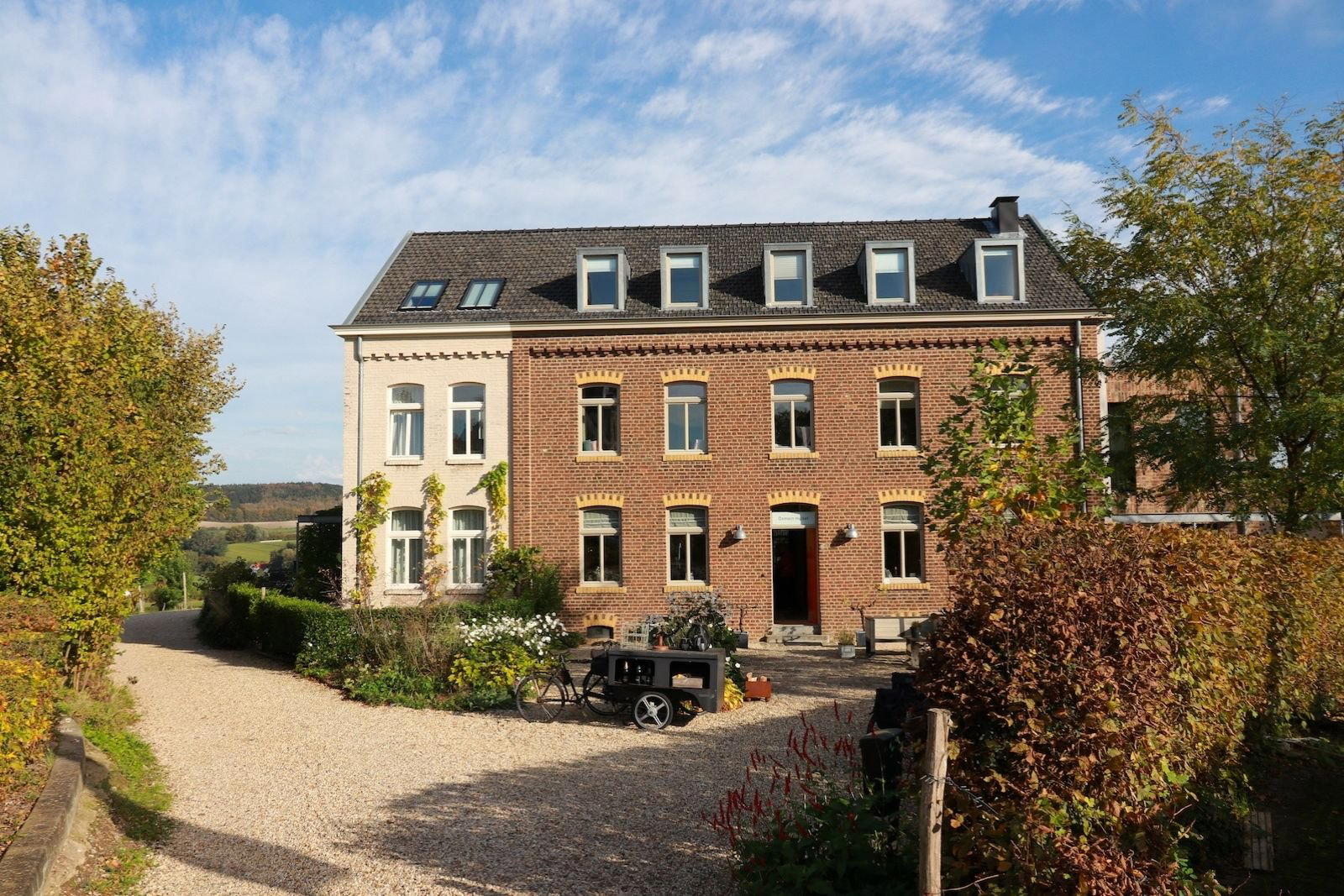
On Wycker Brugstraat, Bouchon D'en Face occupies a corner of Maastricht's Wyck neighbourhood that has long been the city's most French-inflected dining quarter. The name signals a classic bouchon lineage, the casual, produce-driven tradition of Lyon rather than the grand-restaurant circuit, positioning it firmly in the affordable, ingredient-focused tier below Maastricht's €€€€ table-service restaurants.
Pearl is the En Primeur Club membership app — saves, bookings, and concierge access live there. Same editors, same standards.
- Address
- Wycker Brugstraat 54, 6221 ED Maastricht, Netherlands
- Phone
- +31433116438
- Website
- bouchondenface.nl
- Directions
- Get directions
 Saves & bookings on Pearl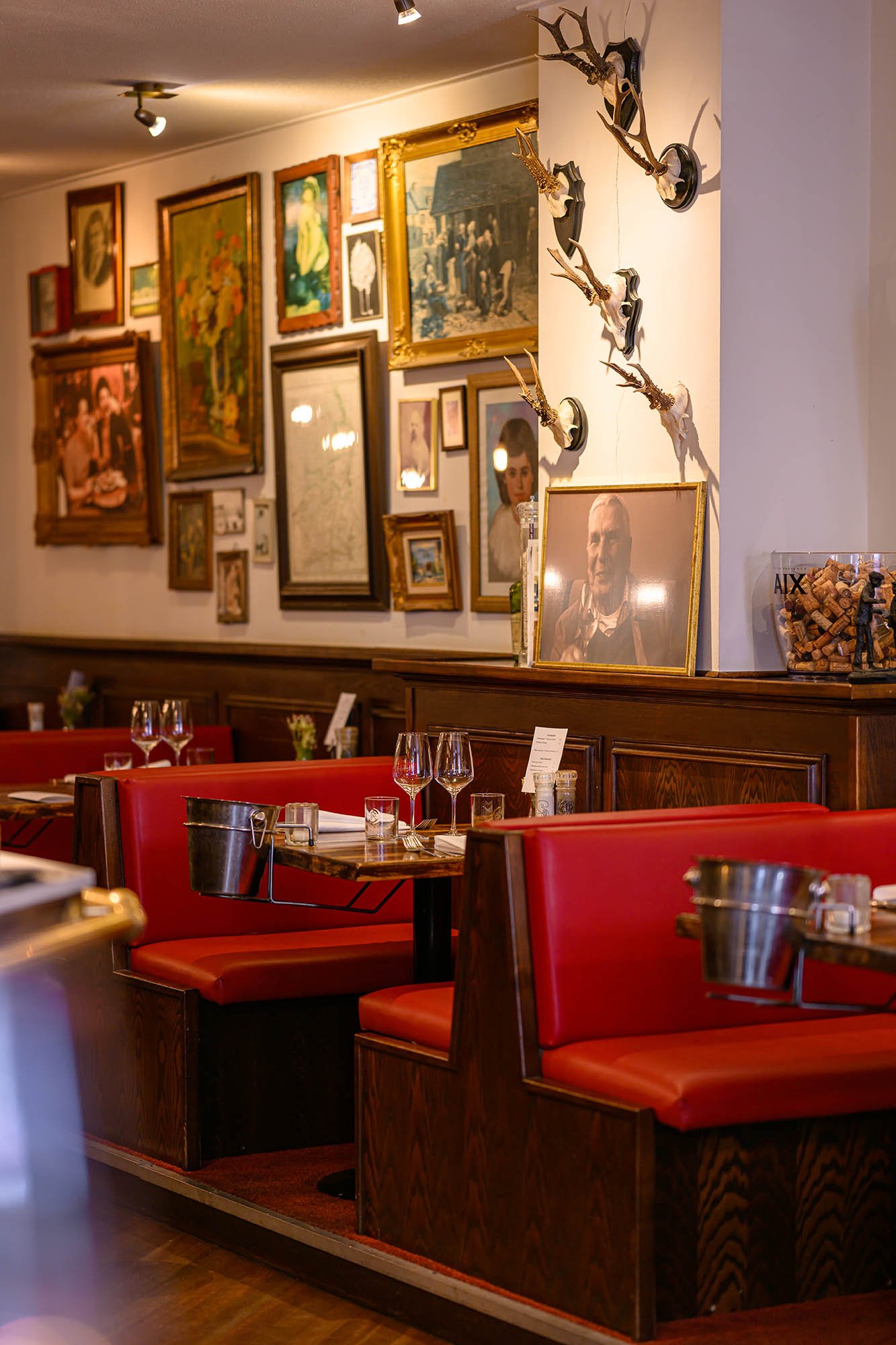
The Wyck Side of Maastricht's French Dining Tradition
Maastricht has always occupied an odd geographical position in the Netherlands: close enough to the Belgian and French borders that its restaurant culture absorbed Francophone habits decades before French-influenced cooking became fashionable further north. The Wyck neighbourhood, on the east bank of the Maas, is where that absorption is most visible. The streets running off Wycker Brugstraat carry a density of wine-led, produce-forward restaurants that would read naturally in Liège or Strasbourg. Bouchon D'en Face, at number 54, sits inside that tradition rather than commenting on it from a distance.
The bouchon as a format carries specific freight. In Lyon, bouchons occupy a precise cultural tier: informal rooms where the cooking is direct, the sourcing is local, and the philosophy is that good ingredients need less work than mediocre ones. That idea, which sounds obvious but disciplines a kitchen in ways that elaborate technique can mask, has migrated to cities across Europe's French-influenced dining belt. Maastricht, given its proximity to Wallonia and Alsace, absorbed it early. A venue named explicitly after the format is making a positioning statement before you sit down.
Ingredient Logic Over Kitchen Performance
The bouchon tradition is, at its core, an argument about sourcing priority. What arrives on the plate is only as interesting as what the kitchen started with, which means relationships with suppliers matter more than classical brigade structure. This is the opposite of the grand-restaurant model, where technique can compensate for a less distinguished ingredient base. Venues in the Wyck quarter that operate in this register tend to work with regional producers from the Limburg province and cross-border suppliers from Belgian Wallonia and the German Eifel, a geographic triangle that gives southern Dutch kitchens access to a more varied agricultural base than their northern counterparts.
For context, Maastricht's upper tier, represented by restaurants like Au Coin des Bons Enfants, Beluga Loves You, and Tout à Fait, operates at the €€€€ price point, where tasting menus and formal service are the norm. Studio, with its Asian-influenced approach, pushes further into creative territory at the same price tier. Bouchon D'en Face occupies a different position: a register closer to Bar Beurre, where French cooking is delivered without the ceremony that doubles the cover price. That positioning is a deliberate choice, not a consolation. The bouchon format exists precisely because Lyon's leading cooks chose it over the brigade kitchen.
What Wycker Brugstraat Tells You About This City
The address on Wycker Brugstraat places Bouchon D'en Face in one of Maastricht's most walkable dining corridors. The Wyck quarter has undergone significant gentrification over the past fifteen years, with independent restaurants, wine bars, and specialty food shops replacing older retail uses. The result is a street-level dining culture with more in common with Ghent's Patershol or Strasbourg's Petite France than with Dutch restaurant districts in Amsterdam or Rotterdam. Walking the street on a weekday evening, you pass wine lists chalked on boards, kitchen smells that lean toward butter and reduction rather than soy or spice, and a demographic that skews toward locals rather than tourists.
That neighbourhood character matters for how you calibrate a visit. Maastricht draws a significant cross-border dining audience from Belgium and Germany, and venues in the Wyck quarter benefit from that traffic without designing around it. The cooking tends to stay within a French-Benelux register rather than broadening for international appeal, which keeps quality signals honest. For comparison, Dutch restaurants operating in more internationally visible formats, like De Librije in Zwolle or Inter Scaldes in Kruiningen, attract a national tasting-menu audience. Wyck's bouchon-style venues serve a different purpose: regular dining for people who live nearby or cross the border for a relaxed dinner.
How It Compares to the Broader Dutch Fine-Casual Circuit
The Netherlands has developed a credible tier of ingredient-led restaurants outside the Michelin-starred circuit, from De Nieuwe Winkel in Nijmegen to smaller regional rooms like Brut172 in Reijmerstok, which, being in the Limburg hills just south of Maastricht, shares a similar regional-produce logic. De Groene Lantaarn in Staphorst and De Lindehof in Nuenen sit at the formal end of that spectrum. The restaurant's French bouchon framing puts it in a narrower subcategory: produce-first cooking delivered in a room designed for conversation rather than contemplation.
Internationally, the bouchon model has proven durable in cities where classical French training meets a strong local-produce culture. Le Bernardin in New York City sits at the technical extreme of French-derived cooking in North America. Lazy Bear in San Francisco represents a different strain: American tasting-menu ambition with communal-table delivery. The restaurant sits much closer to the informal European original: less performance, more product.
Other Limburg-adjacent venues worth mapping to the same regional context include Tribeca in Heeze, De Treeswijkhoeve in Waalre, and De Bokkedoorns in Overveen, each operating in distinct formats but sharing the southern Dutch emphasis on French culinary lineage. De Lindenhof in Giethoorn offers a northern counterpoint, a reminder that the Dutch dining circuit is regionally diverse in ways that city-by-city comparisons tend to flatten.
Planning a Visit
The restaurant is at Wycker Brugstraat 54, in the Wyck quarter east of the Maas, within ten minutes' walk of Maastricht Centraal station. The neighbourhood is compact and pedestrian-friendly, making it direct to combine with a walk along the riverbank or through the adjacent shopping streets. The restaurant is recommended for reservations and priced at about $50 per person.
Comparable Venues
Comparable venues nearby, for context on price, style, and recognition.
| Venue | Cuisine | Price | Awards | Notes |
|---|---|---|---|---|
| Bouchon D'en FaceThis venue — the venue you are viewing | Classic French Bistro | $$ | Not listed | Not listed |
| Pakhoes | Classic French-Belgian | $$$ | Not listed | Wyck |
| Wall-Stock | Burgers & Beer Gastropub | $$ | Not listed | Stokstraatkwartier |
| TUUR | Modern French Bistro | $$ | Not listed | Wyck |
| Café Sjiek | French Brasserie with Limburg Twists | $$ | Bib Gourmand | Jekerkwartier |
| Bar Beurre | Modern French Bistro | $$$ | Michelin Plate | Jekerkwartier |
Continue exploring
More in Maastricht
Restaurants in Maastricht
Browse all →
Bars in Maastricht
Browse all →
Hotels in Maastricht
Browse all →
Wineries in Maastricht
Browse all →
At a Glance
- Cozy
- Classic
- Elegant
- Intimate
- Date Night
- Special Occasion
- Business Dinner
- Private Dining
- Extensive Wine List
- Local Sourcing
Current opening hours
- Monday
- 5:30–10 PM
- Tuesday
- 5:30–10 PM
- Wednesday
- 5:30–10 PM
- Thursday
- 5:30–10 PM
- Friday
- 12–4 PM, 5:30–10 PM
- Saturday
- 12–4 PM, 5:30–10 PM
- Sunday
- 5:30–10 PM
Hours can change for holidays and private events. Last verified .
Warm, cozy bistro atmosphere with dim lighting, French chansons, and charming decor evoking a real French bistro.