Le Fernand
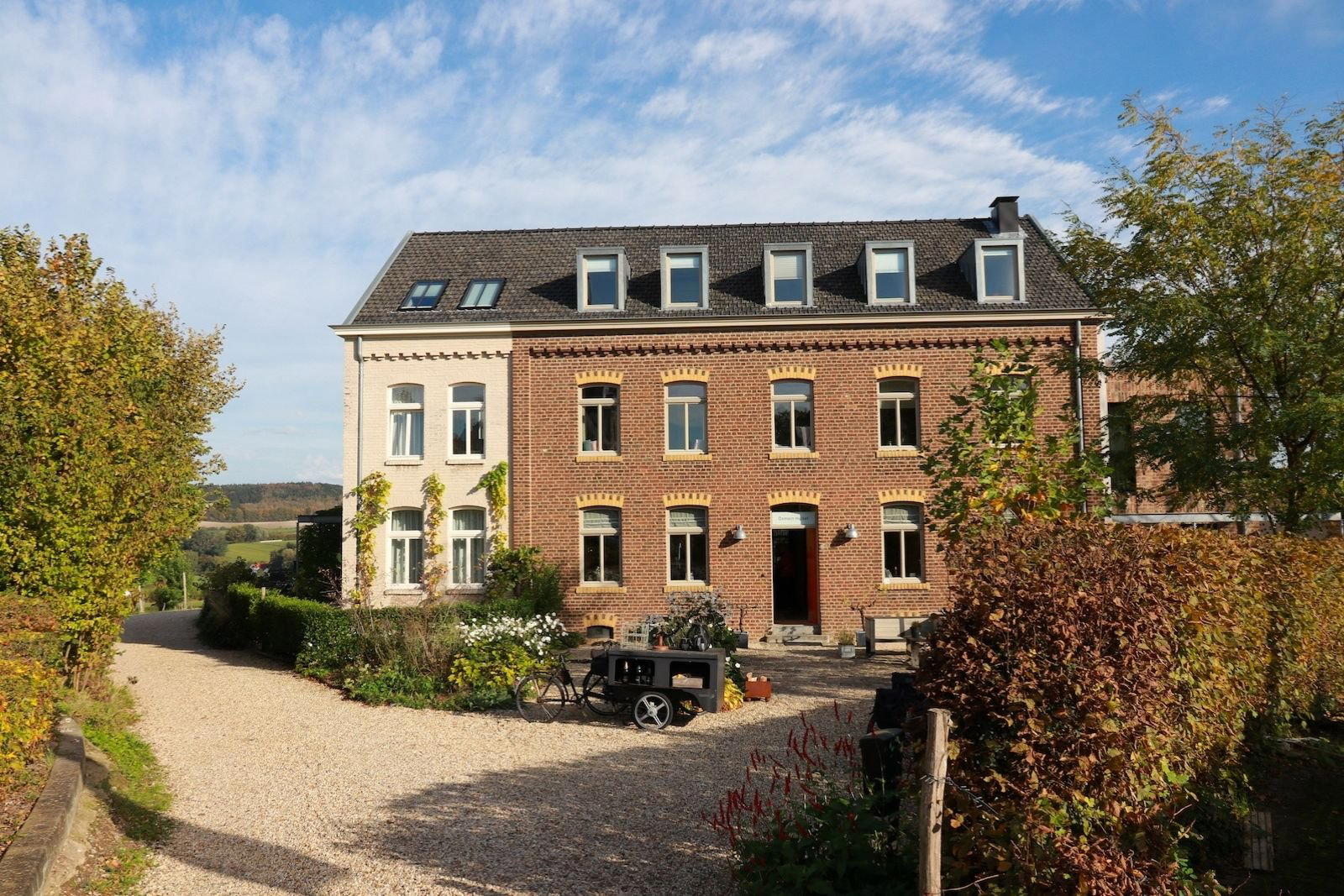
Le Fernand occupies a quiet address on Stenenbrug in Maastricht's historic centre, placing it within a city that has become one of the Netherlands' most serious dining destinations. The French register of the name signals where the kitchen's allegiances lie, situating it in a competitive bracket that includes several of the city's more prominent addresses. For visitors working through Maastricht's dining options, this is a neighbourhood-level find worth tracking down.
Pearl is the En Primeur Club membership app — saves, bookings, and concierge access live there. Same editors, same standards.
- Address
- Stenenbrug 6, 6211 HP Maastricht, Netherlands
- Phone
- +31438528952
- Website
- lefernand.nl
- Directions
- Get directions
 Saves & bookings on Pearl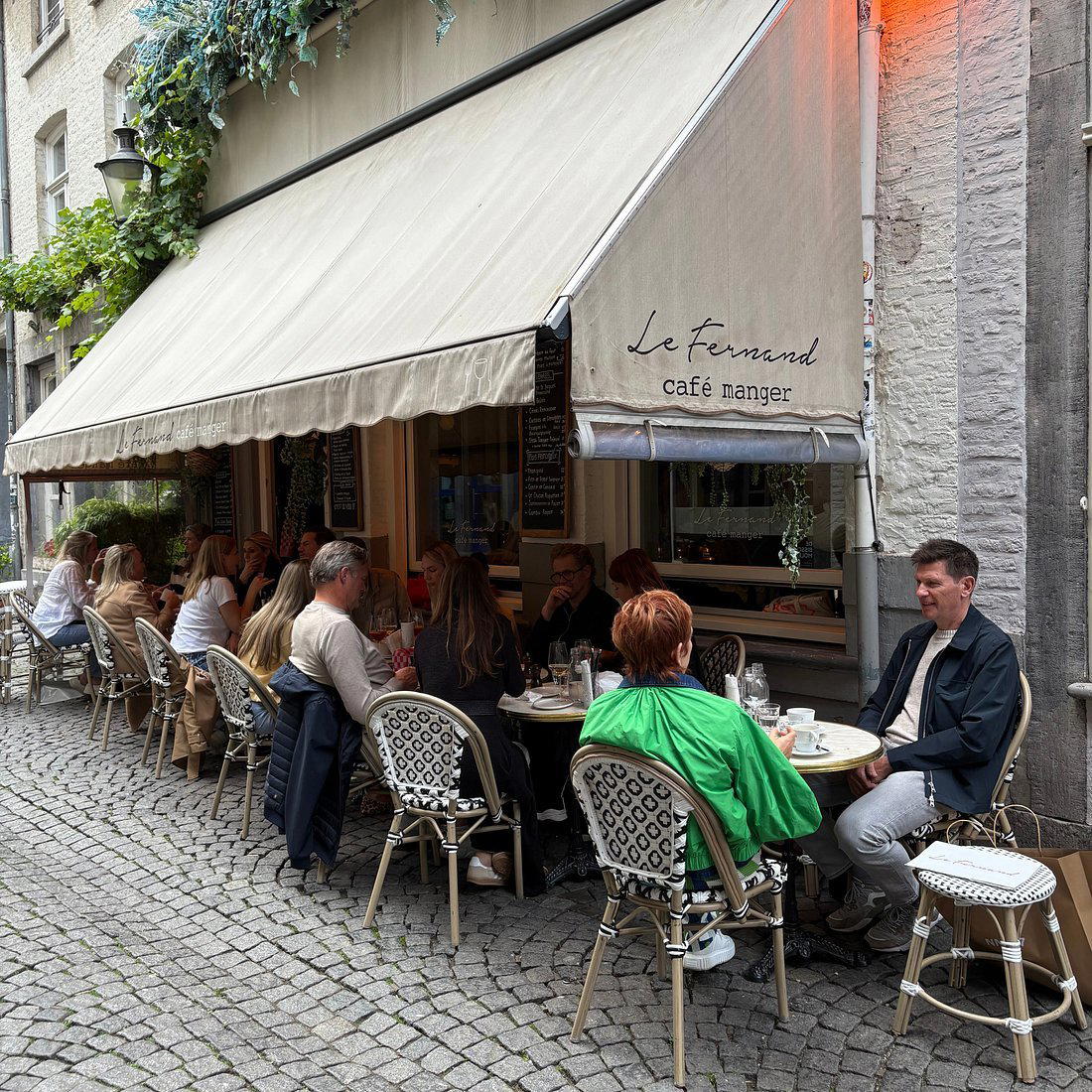
Maastricht's French Lean and Where Le Fernand Fits
Maastricht occupies a particular position in Dutch dining. Geographically pressed against the Belgian and German borders, the city draws on French culinary tradition more directly than Amsterdam or Rotterdam, and its restaurant scene reflects that orientation with unusual consistency. The top end of the market, represented by addresses like Au Coin des Bons Enfants (€€€€ · Modern French) and Tout à Fait (€€€€ · Modern French), operates with a clear classical European sensibility. Below that tier, a smaller group of addresses interprets the same tradition at a different pitch: less ceremony, more neighbourhood fluency. Le Fernand, on Stenenbrug 6 in the old town, reads as part of this second group, its name carrying an explicitly French register in a city where that choice is rarely accidental.
The address itself says something. Stenenbrug sits in the pedestrian core of Maastricht's historic centre, a part of the city where the built fabric is dense with medieval and Gothic stonework and where the Meuse runs close enough to set the atmospheric temperature. Restaurants in this zone compete on character as much as on cooking, because the streets bring a steady traffic of visitors who know what they are looking for. A French-inflected address here is not operating in a vacuum: it is placing itself in direct conversation with a city that already understands this register well.
The Sourcing Logic Behind French Cooking in Limburg
The broader case for French-leaning kitchens in this corner of the Netherlands rests partly on geography. Limburg's position at the junction of three countries means that produce networks here are genuinely cross-border. Belgian endive, Ardennes charcuterie, German seasonal game, and the Limburg asparagus harvest that local kitchens treat as a near-sacred seasonal marker all move through this region with less friction than elsewhere in the Netherlands. Kitchens that commit to a French framework in Maastricht are often doing so because the supply logic supports it: the ingredients that underpin classical French technique, from butter-rich dairy to root vegetables and river fish, are accessible from producers within a short radius.
This matters for how to read a place like Le Fernand. French cooking in Paris or Lyon draws on a supply chain built over centuries; French cooking in Maastricht draws on a proximity advantage that is more lateral than linear. The Limburg region's agricultural output and its cross-border trade relationships give kitchens here access to materials that kitchens in other Dutch cities have to source from further afield. When a restaurant in this city commits to a French kitchen sensibility, it is often working with ingredients whose provenance is genuinely local even when the technique is borrowed from further south and west.
For comparison, addresses like Brut172 in Reijmerstok, operating just outside Maastricht in the South Limburg hills, have made hyperlocal sourcing a defining structural choice. That model is distinct from a French bistro sensibility, but it points to the same underlying reality: this region has the raw material to support serious cooking with a short supply chain.
The Competitive Set in Maastricht
Maastricht's higher-end dining operates in a relatively compact bracket. Beluga Loves You (€€€€ · Creative) and Studio (€€€€ · Asian Influences) represent the more experimental end of the city's premium tier, with formats that move away from classical European frameworks entirely. At the more accessible end of the French-registered spectrum, Bar Beurre (€€ · French) operates as a lower-price-point reference point for the same culinary tradition. The restaurant sits somewhere in this range, closer to the bistro register than to the elaborately constructed tasting menu addresses, but working within a city that sets a high baseline expectation for French-inflected cooking.
Nationally, the Netherlands has developed a number of addresses that have put serious pressure on the idea that Dutch cuisine is primarily functional or ingredient-forward without classical technique. Ciel Bleu in Amsterdam and De Librije in Zwolle operate at the summit of that national conversation. In the south, the standard is maintained by a cluster of addresses that includes De Lindehof in Nuenen and, at a different register, De Nieuwe Winkel in Nijmegen. Maastricht contributes to this national picture with a density of serious cooking unusual for a city of its size.
For those building a broader Dutch dining itinerary, the contrast between Maastricht's French-border sensibility and the more Nordic-inflected approaches found further north is worth holding in mind. De Bokkedoorns in Overveen and Aan de Poel in Amstelveen operate in an idiom that feels meaningfully different from what Maastricht produces, which makes the city's French lean more legible as a regional position rather than a stylistic accident. For context on the kind of technical ambition that defines serious French-lineage cooking at the highest international level, Le Bernardin in New York City and Atomix in New York City offer a reference point for what happens when classical precision meets progressive thinking at full commitment.
Planning a Visit
The restaurant is at Stenenbrug 6, 6211 HP Maastricht, in the historic pedestrian centre. The address is walkable from the main Vrijthof square and from the Markt, both of which serve as natural orientation points in the old town. Maastricht's centre is compact enough that most restaurant addresses are within ten to fifteen minutes on foot from the central train station, which has direct connections to Amsterdam, Brussels, and Liège. The full picture of what the city offers across price points and styles is covered in our full Maastricht restaurants guide. Current hours, pricing, and booking availability should be confirmed directly with the venue before planning around a specific visit. For those interested in the wider South Limburg dining circuit, 't Nonnetje in Harderwijk and De Groene Lantaarn in Staphorst offer points of comparison for smaller-city serious cooking elsewhere in the Netherlands, though the regional character differs considerably from Limburg's cross-border supply logic.
Comparable Venues
Comparable venues nearby, for context on price, style, and recognition.
| Venue | Cuisine | Price | Awards | Notes |
|---|---|---|---|---|
| Le FernandThis venue — the venue you are viewing | French Bistro | $$ | Not listed | Not listed |
| Le Virage | French Bistro | $$$ | Not listed | Jekerkwartier |
| Witloof | Traditional Belgian | $$ | Not listed | Jeker Quarter |
| Restaurant 55 | Modern French Fine Dining | $$$ | Michelin Plate | Binnenstad (Old City Centre) |
| Stoof Maastricht | Dutch Stew House | $$ | Not listed | City Center |
| Petit Bonheur | Classic French Bistro | $$$ | Not listed | Jekerkwartier |
Continue exploring
More in Maastricht
Restaurants in Maastricht
Browse all →
Bars in Maastricht
Browse all →
Hotels in Maastricht
Browse all →
Wineries in Maastricht
Browse all →
At a Glance
- Cozy
- Lively
- Intimate
- Classic
- Date Night
- Casual Hangout
- Group Dining
- Open Kitchen
- Extensive Wine List
Current opening hours
- Monday
- 12 PM–12 AM
- Tuesday
- 12 PM–12 AM
- Wednesday
- 12 PM–12 AM
- Thursday
- 12 PM–12 AM
- Friday
- 12 PM–12 AM
- Saturday
- 12 PM–12 AM
- Sunday
- 12 PM–12 AM
Hours can change for holidays and private events. Last verified .
Cozy and lively with closely packed tables, busy energy, French chansons playing, and a chaotic yet welcoming French bistro feel.