On Richmond Street West, Turquoise Restaurant occupies a stretch of Toronto's Entertainment District where kitchens increasingly answer questions about provenance as seriously as technique. The address places it inside a dense corridor of dining options, but the name signals a cuisine direction that separates it from the Italian and Japanese-leaning counters that dominate the neighbourhood's premium tier.
Pearl is the En Primeur Club membership app — saves, bookings, and concierge access live there. Same editors, same standards.
- Address
- 431 Richmond St W, Toronto, ON M5V 1V1, Canada
- Phone
- +14163060303
- Website
- turquoiserestaurants.com
- Directions
- Get directions
 Saves & bookings on Pearl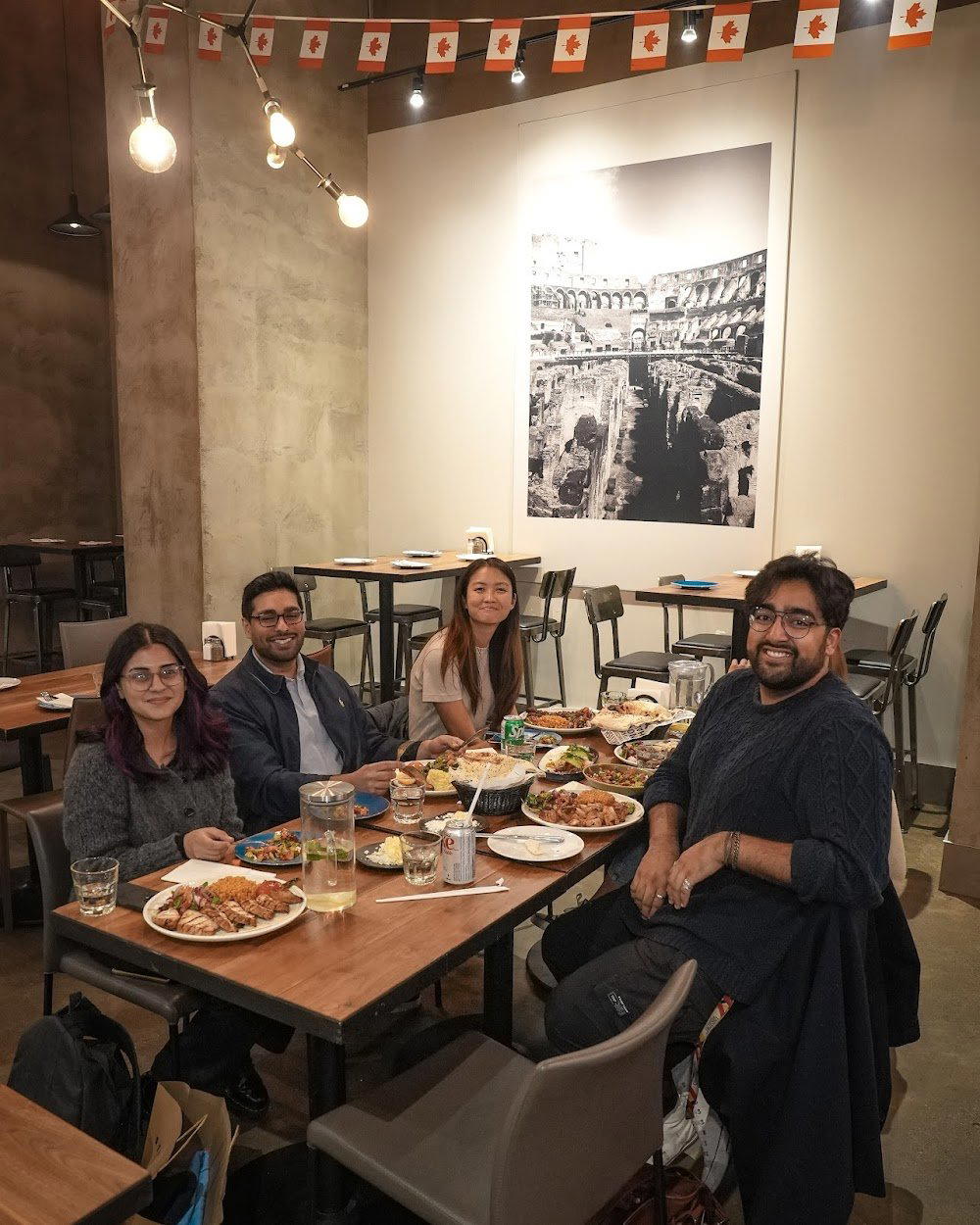
Richmond Street West and the Question of What Ends Up on the Plate
The block around 431 Richmond Street West sits in the lower edge of Toronto's Entertainment District, a corridor that has accumulated restaurants faster than any coherent culinary identity. Within walking distance you have the contemporary tasting-menu ambition of Alo, the precision Japanese counter work of Sushi Masaki Saito, and the kaiseki formalism of Aburi Hana. What the street has never quite resolved is what sits between those polished rooms and the casual chains that pad out the lower end. Turquoise Restaurant occupies that middle question, and its name alone distinguishes it from a neighbourhood otherwise dominated by European and Japanese culinary languages.
Approaching from Richmond, the address reads as a neighbourhood that has been continuously renegotiated: glass-fronted condos pressed against older low-rise commercial brick, patios that expand onto the sidewalk in summer and contract behind frosted glass by November. The physical environment here changes with the calendar more than most Toronto corridors, and the restaurants that survive multiple seasons tend to be ones that have built a local base rather than relying on tourist traffic or single-event footfall.
Ingredient Sourcing as an Editorial Frame
Across Canada's premium dining tier, the question of where ingredients come from has moved from marketing footnote to structural commitment. At Tanière³ in Quebec City, hyper-local and foraged sourcing defines the entire menu architecture. At AnnaLena in Vancouver, Pacific Northwest producers are credited as collaborators rather than suppliers. Further afield, Eigensinn Farm in Singhampton takes the position to its logical extreme, growing much of what it cooks on the same property where guests eat. These are not outliers; they show a structural shift in how serious Canadian kitchens think about the distance between field and table.
Toronto kitchens face a specific version of this challenge. The city sits at the centre of a food supply chain that can source almost anything from almost anywhere, which makes editorial restraint harder to enforce. The more interesting rooms in the city have responded by narrowing their sourcing geography or deepening their supplier relationships in ways that show up on the plate rather than just on the menu copy. The cuisine direction signalled by the name Turquoise points toward a tradition where spice sourcing, regional produce, and supply-chain authenticity matter as much as technique, placing those questions at the front of the evaluation.
For context, this sourcing conversation plays out differently across the Canadian dining map. Narval in Rimouski works with the specific marine geography of the St. Lawrence in a way that would be impossible to replicate inland. Restaurant Pearl Morissette in Lincoln situates its menu inside a winery estate, making terroir a literal condition of service. The Pine in Creemore draws from Southern Georgian Bay producers with a specificity that its urban peers cannot easily match. Toronto, by contrast, requires kitchens to actively choose limitation rather than having geography enforce it.
Where Turquoise Sits in the Toronto Dining Order
Toronto's premium dining tier at the leading end is narrow and expensive. Alo and Don Alfonso 1890 operate at the $$$$ price point, as do DaNico and the Japanese counter rooms that have multiplied along the city's midtown and downtown corridors. These venues compete on credentials: Michelin recognition, chef lineage, tasting-menu format, and booking difficulty. Below that tier, the field is wide and less differentiated.
Turquoise occupies a position that is defined less by formal awards than by cuisine specificity and neighbourhood anchoring. In a city where the dominant flavours of premium dining are French-adjacent contemporary or Japanese, a room that signals a different culinary tradition through its name holds a particular kind of traction with the portion of Toronto's dining population that is not well-served by either of those dominant modes. That population in Toronto is substantial, given the city's demographics, and the demand for technically serious cooking in traditions outside the European and Japanese canonical forms is not currently met at scale by the premium tier.
Internationally, the benchmark for this kind of positioning is clear. Le Bernardin in New York City showed that a single-cuisine focus pursued with absolute commitment builds a category rather than just a restaurant. Atomix in New York City demonstrated that a non-European culinary tradition pursued with tasting-menu rigour earns the same critical tier as French-lineage rooms. Toronto's path toward that kind of category-defining commitment is still being written, but the address on Richmond Street West is part of that unresolved conversation.
Planning a Visit
431 Richmond Street West is accessible via the 501 Queen streetcar, with a stop on Queen Street West a short walk north, or via the 504 King car to the south. The Entertainment District location means the surrounding blocks are busy on weekend evenings, and street parking on Richmond is limited during peak hours, making transit the more reliable approach. The seasonal rhythm of this stretch of Richmond favours visits in late spring through early autumn, when the streetside character of the neighbourhood is most active and the sourcing calendar for Ontario produce is at its widest.
Elsewhere in Canada, Jérôme Ferrer - Europea in Montreal and Aux Anciens Canadiens in Quebec represent different national reference points for understanding how Canadian cities build culinary identity around specific traditions. Barra Fion in Burlington and Bearspaw Golf Club in Calgary round out the EP Club's view of dining options across the wider Ontario and Canadian corridor.
Comparable Options
Comparable venues nearby, for context on price, style, and recognition.
| Venue | Cuisine | Price | Notes |
|---|---|---|---|
| Turquoise RestaurantThis venue — the venue you are viewing | Authentic Turkish Grill House | $$$ | Not listed |
| Myth | Modern Greek Mediterranean | $$$ | Fashion District |
| Ricarda's Toronto | Modern French-Inspired Mediterranean | $$$ | Queen West |
| Honey Chinese | Contemporary Chinatown Chinese | $$$ | Fashion District |
| Alebrije | Modern Mexican Fine Dining | $$$ | Harbord Village |
| Mrs Robinson | South African Braai & Modern Soul Food | $$$ | Palmerston-Little Italy |
Continue exploring
More in Toronto
Restaurants in Toronto
Browse all →
Bars in Toronto
Browse all →
Hotels in Toronto
Browse all →

At a Glance
- Cozy
- Classic
- Group Dining
- Casual Hangout
- Open Kitchen
Current opening hours
- Monday
- 11 AM–10:30 PM
- Tuesday
- 11 AM–10:30 PM
- Wednesday
- 11 AM–10:30 PM
- Thursday
- 11 AM–10:30 PM
- Friday
- 11 AM–11 PM
- Saturday
- 10:30 AM–11 PM
- Sunday
- 10:30 AM–10:30 PM
Hours can change for holidays and private events. Last verified .
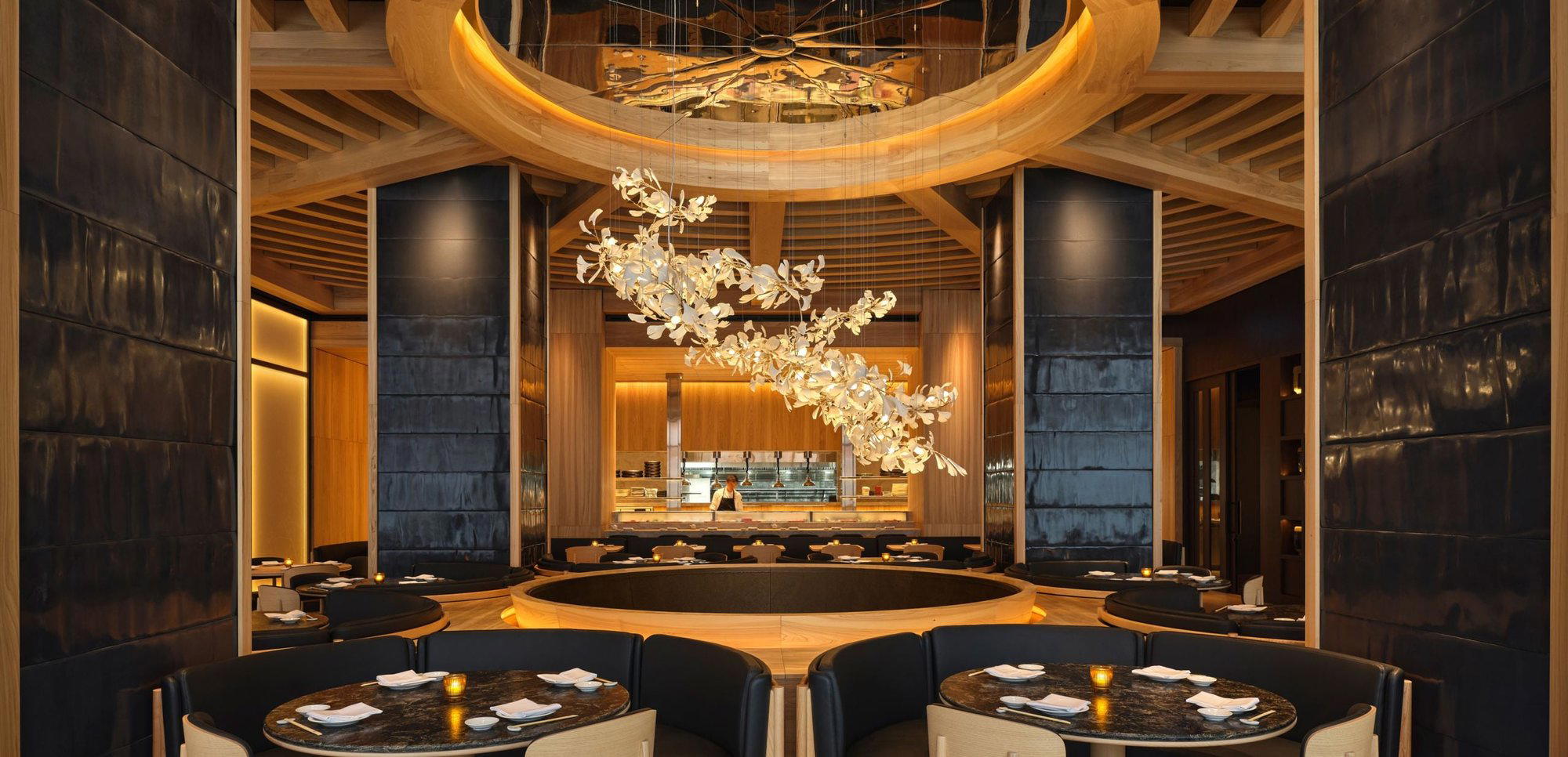
Cozy and welcoming atmosphere transporting diners to Turkey with rich flavors and traditional dishes.