Our verdict
Honey Chinese occupies the third floor of Portland Square on King Street West, placing it inside one of Toronto's more architecturally layered dining addresses. The restaurant operates within a neighbourhood that has steadily consolidated its position as the city's most active corridor for ambitious restaurant concepts, making its Chinese kitchen a counterpoint to the contemporary European formats that dominate the block.

Pearl is the En Primeur Club membership app, where members save venues, book tables and use the concierge.

The menu
What to order
- Peking Duck
- Honey Signature Fried Rice
- Yang-Chow Fried Rice
King West's Third Floor and What It Says About Toronto's Chinese Dining Scene
Toronto's King Street West corridor has spent the better part of a decade accumulating restaurants that treat the dining room as a deliberate architectural statement. Portland Square, at 600 King St W, is a good example of that tendency: a multi-tenant building where the third floor has become the address for Honey Chinese, a restaurant whose vertical remove from the street sets it apart from the ground-level visibility that most operators in this neighbourhood fight for. In a city where Chinese dining has historically been concentrated in Scarborough and the downtown core's older Chinatown blocks, a King West address carrying that kitchen tradition represents a geographic and demographic repositioning worth examining.
The broader shift is real. Over the past several years, Chinese restaurants with serious culinary ambitions have begun appearing in neighbourhoods previously occupied almost entirely by European and North American formats. Toronto's premium dining tier, long anchored by addresses like Alo (Contemporary) and the tasting-menu formats at Aburi Hana (Kaiseki, Japanese), has been gradually absorbing Chinese kitchens that aim at a similar clientele without replicating the same format. Honey Chinese sits inside that movement, whatever its current expression.
The Evolution of the Address
Portland Square is not a traditional restaurant address. The building's mixed-use character and the third-floor placement of Honey Chinese mean that discovery depends on intention rather than foot traffic. That is a meaningful operational choice. Restaurants that occupy upper floors in busy neighbourhoods tend to rely on word-of-mouth cycles and destination-dining psychology rather than the casual walk-in economy. In Toronto's competitive mid-to-upper dining tier, that positioning tends to self-select for a certain kind of guest: one who has already decided before arriving.
The neighbourhood itself has changed considerably. King West was, for much of the 2000s and early 2010s, associated with bottle-service venues and the kind of hospitality that treated food as secondary to atmosphere. The restaurant generation that followed, the one that brought serious cooking programs to the corridor, shifted that entirely. The area now hosts some of the city's more technically demanding kitchens. Against that backdrop, a Chinese restaurant on the third floor of Portland Square reads as a considered move rather than an accidental one. It is part of a broader pattern in which cuisines that were previously underrepresented in premium Toronto dining addresses have been finding footholds in the west end.
For wider context on how this pattern plays out across Canada's restaurant cities, the trajectories at AnnaLena in Vancouver and Jérôme Ferrer - Europea in Montreal illustrate how distinct urban dining cultures evolve along parallel but separate lines.
Chinese Cooking in a Contemporary Toronto Frame
Toronto has several distinct registers of Chinese dining, and they do not occupy the same competitive space. The Scarborough and Markham corridors carry the highest volume of regionally specific Cantonese, Sichuan, and Shanghainese kitchens, where price-to-quality ratios are often sharp and the audience is largely diasporic. Downtown addresses tend to serve a broader mix, and the ones that have moved into the premium tier do so by adjusting format and environment as much as menu.
What is documentable is the context. The premium Japanese formats that have established themselves firmly in Toronto, Sushi Masaki Saito (Sushi, Japanese) operates at the upper end of the city's omakase tier, demonstrate that Asian fine dining has a growing and committed audience in Toronto willing to pay at rates comparable to the leading European formats. The question for any Chinese kitchen entering that space is whether it is positioning itself as a parallel premium option or as something distinct from the tasting-menu structure that dominates that bracket. The answer shapes everything from seating to service rhythm to how a reservation is weighted against alternatives like DaNico (Italian) or Don Alfonso 1890 (Contemporary Italian, Italian) in the same price tier.
Planning a Visit
Honey Chinese is located on the third floor of Portland Square at 600 King St W, accessible from the King Street entrance of the building. The King Street West corridor is well-served by the 504 King streetcar, with Portland Street as the relevant stop. Street parking on King West is limited during evening hours, and the surrounding blocks offer paid lots as the more practical option. Given the third-floor placement, first-time visitors should allow time to locate the building's interior access. Portland Square's multi-tenant structure means the building's general hours do not necessarily reflect the restaurant's service windows.
For those building a broader Toronto itinerary, our full Toronto restaurants guide maps the city's dining across neighbourhoods and price tiers. Further afield, Tanière³ in Quebec City and Restaurant Pearl Morissette in Lincoln represent the range of serious cooking operating outside Canada's two largest cities. Ontario's own rural dining circuit, anchored by places like Eigensinn Farm in Singhampton and The Pine in Creemore, offers a useful contrast to the density of King West.
Frequently asked questions
What is Honey Chinese known for?
What's the signature dish at Honey Chinese?
Do they take walk-ins at Honey Chinese?
Is Honey Chinese good for vegetarians?
How does Honey Chinese compare to other Chinese restaurants in Toronto's downtown west end?
What It’s Closest To
Comparable venues nearby, for context on price, style, and recognition.
| Venue | Cuisine | Price | Awards | Notes |
|---|---|---|---|---|
| Honey ChineseThis venue (the venue you are viewing) | Contemporary Chinatown Chinese | $50–100 | Not listed | Not listed |
| Rooftop at Le Germain Mercer | New-World French Rooftop | Not listed | Not listed | Entertainment District |
| Sassafraz | Contemporary Canadian | $50–100 | Wine Spectator Award of Excellence | Yorkville |
| Piano Piano Bloor | Contemporary Italian | $50–100 | Not listed | Dovercourt-Wallace Emerson-Junction |
| Oliver & Bonacini Hospitality | Modern Canadian Fine Dining | $50–100 | Not listed | Uptown Yonge |
| Labora Restaurant | Rustic Spanish Tapas and Paella | Not listed | Not listed | Fashion District |
Continue exploring
More in Toronto
Restaurants in Toronto
All restaurants in Toronto →
Bars in Toronto
All bars in Toronto →

Details
- Modern
- Trendy
- Lively
- Sophisticated
- Date Night
- Casual Hangout
- Late Night
- Open Kitchen
- Craft Cocktails
- A La Carte
- Small Plates
- Craft Cocktails
Current opening hours
- Monday
- Closed
- Tuesday
- 5–10 PM
- Wednesday
- 5–10 PM
- Thursday
- 5–11 PM
- Friday
- 5 PM–1 AM
- Saturday
- 5 PM–1 AM
- Sunday
- 11 AM–3 PM, 5–10 PM
Hours can change for holidays and private events. Hours as of .
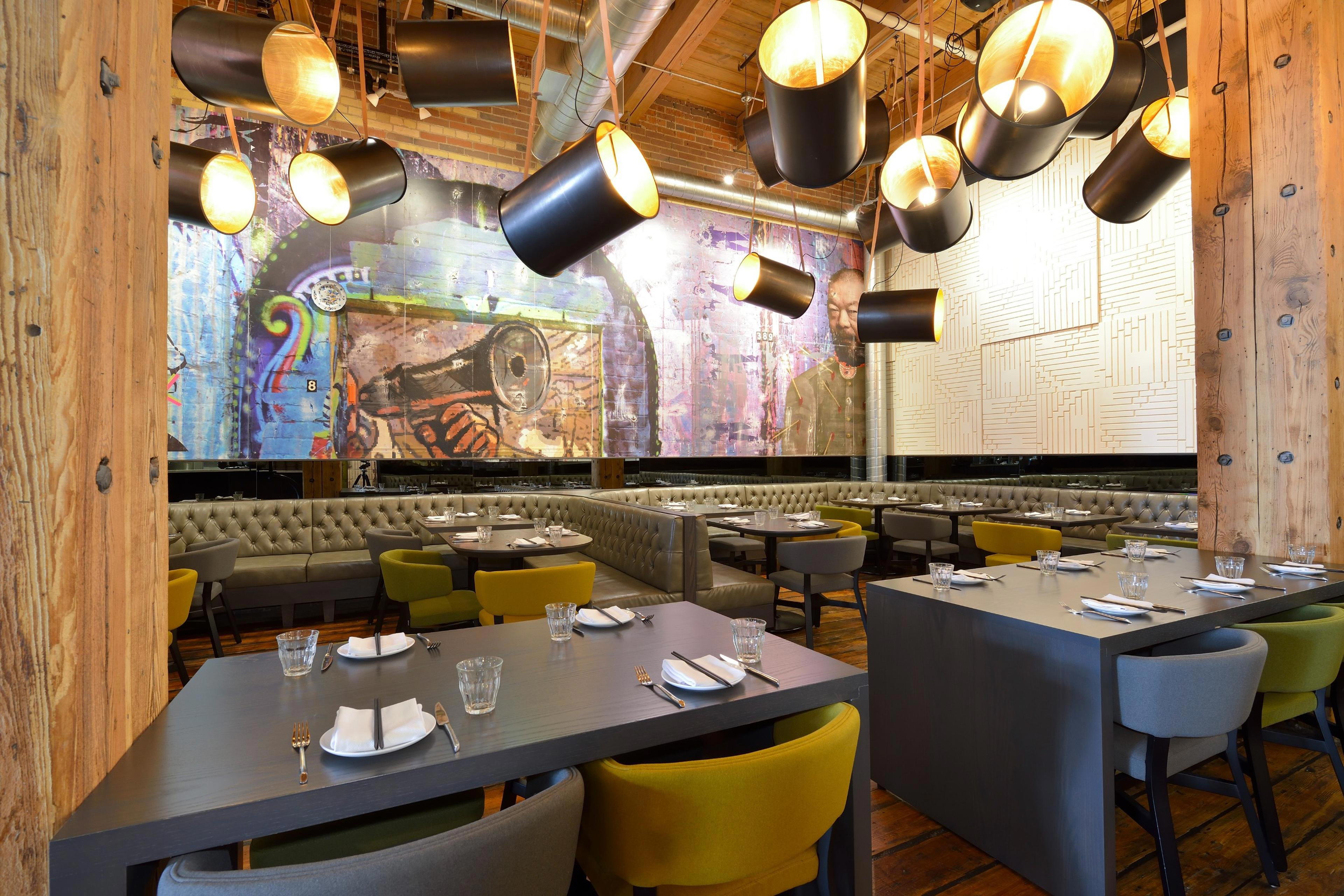
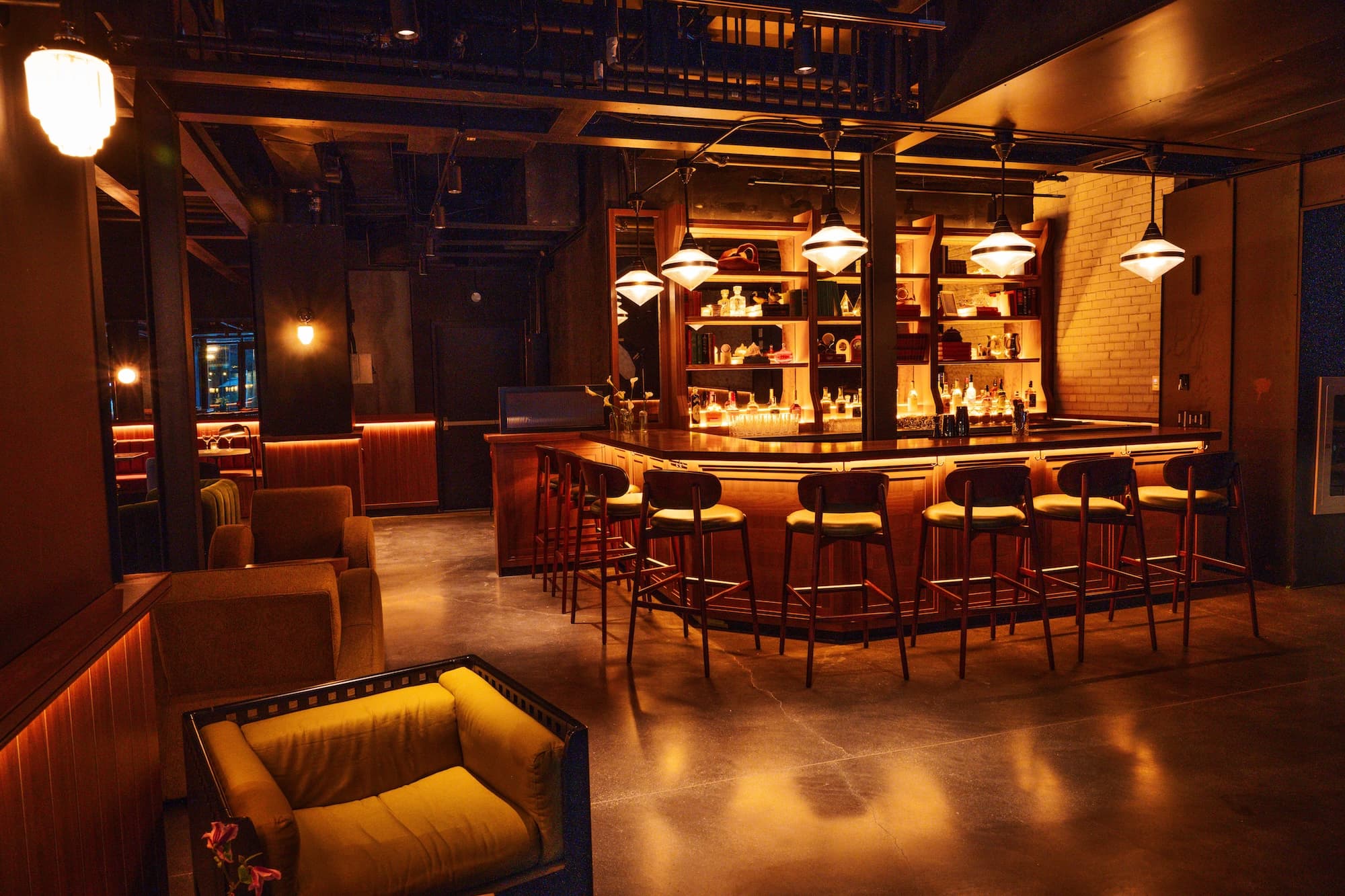
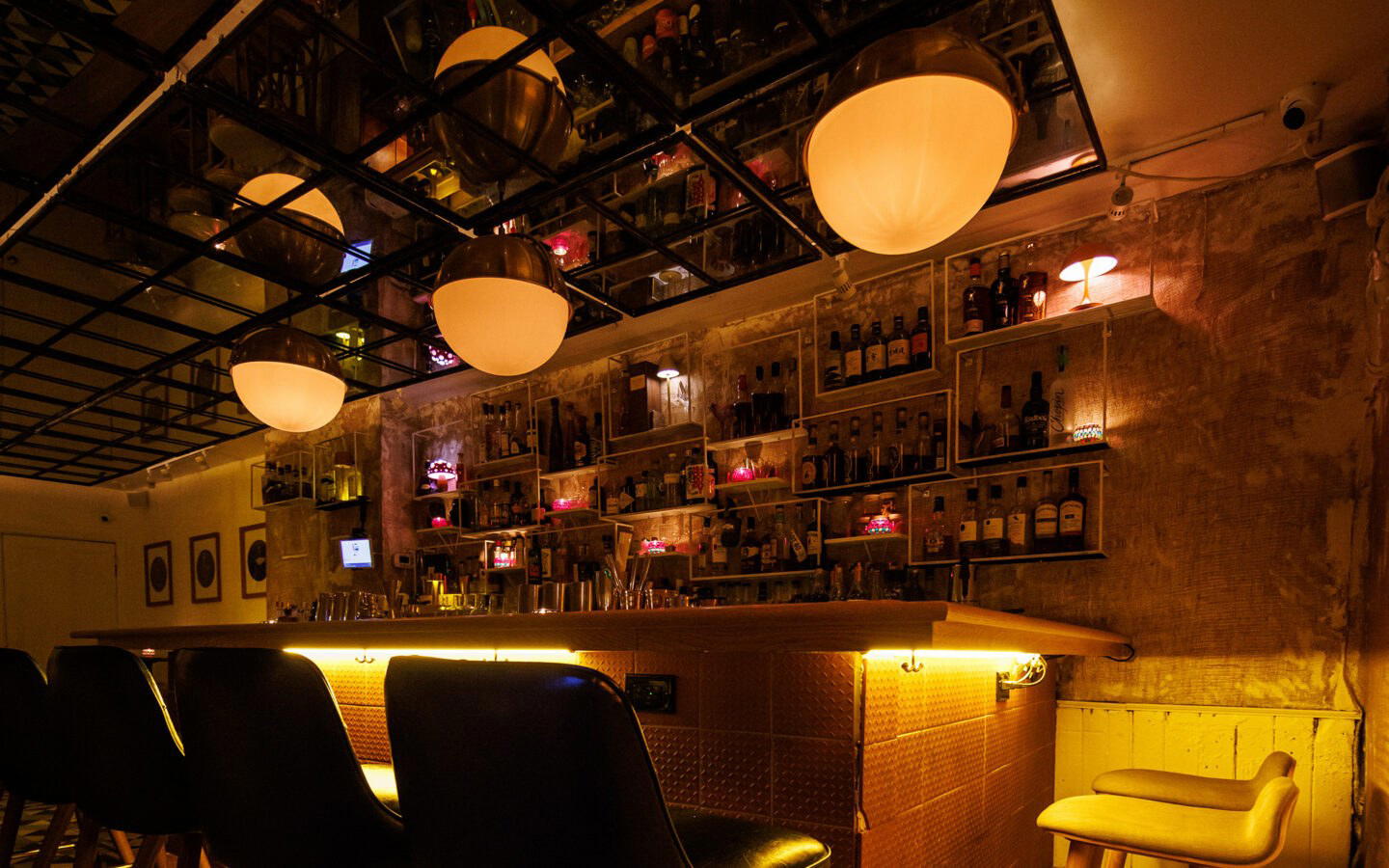
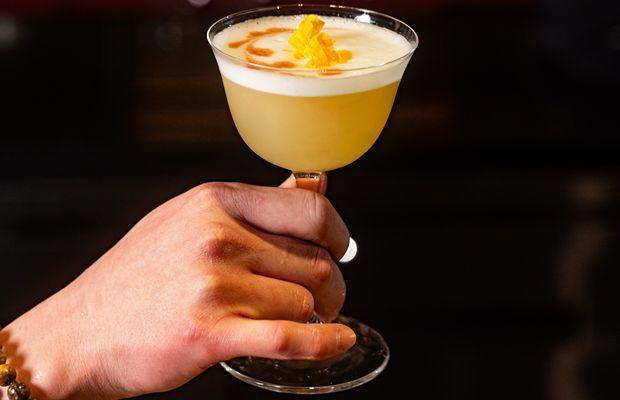
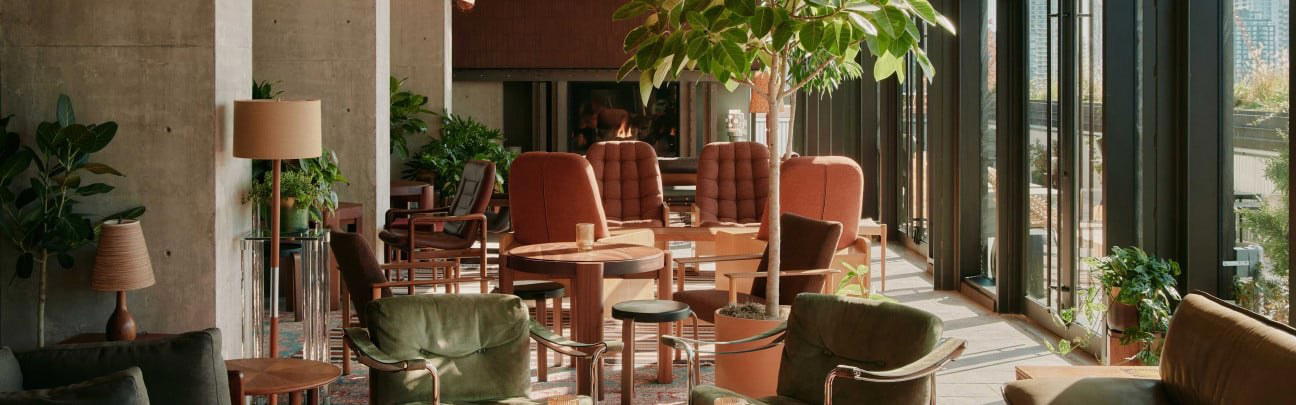
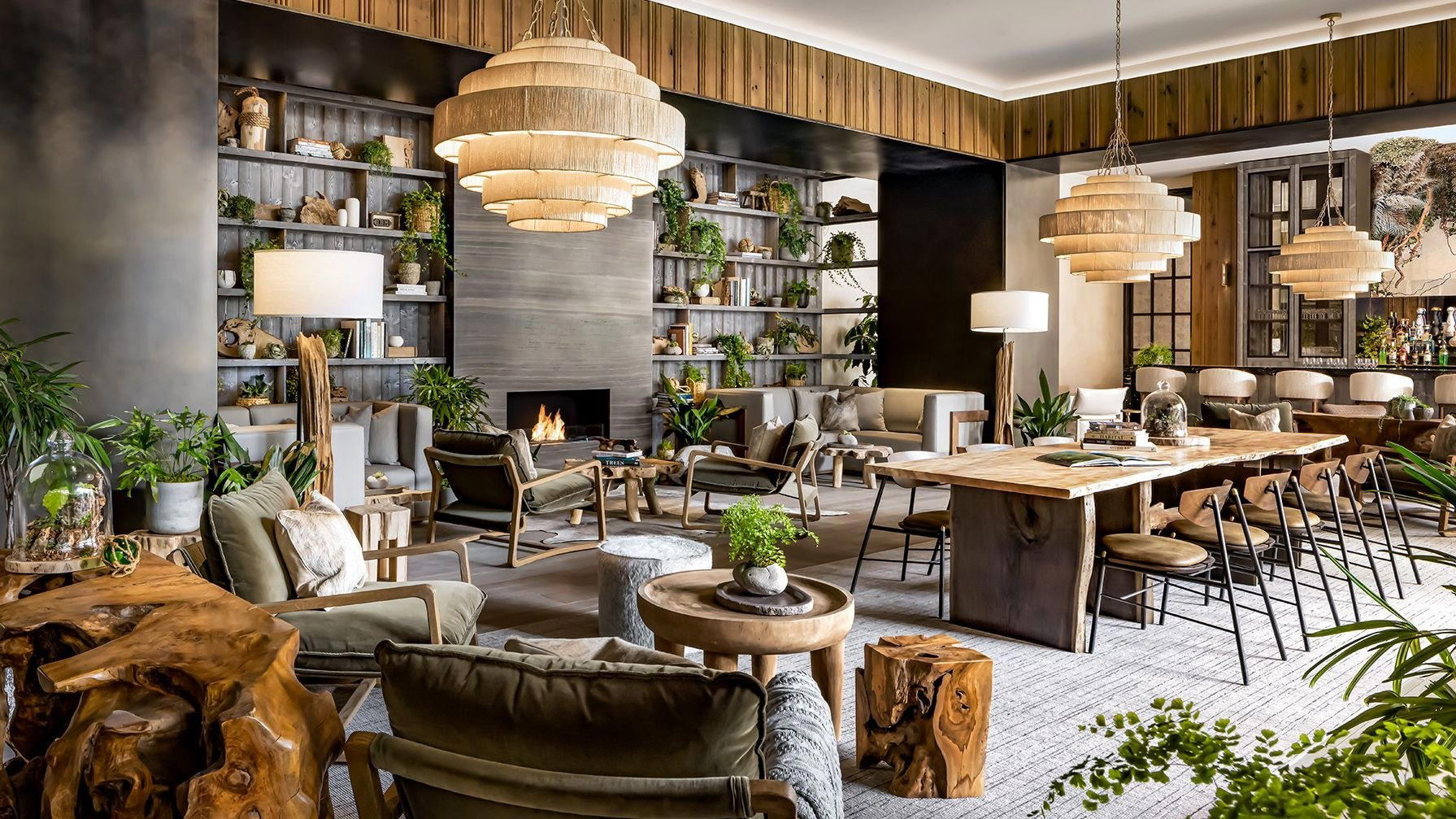
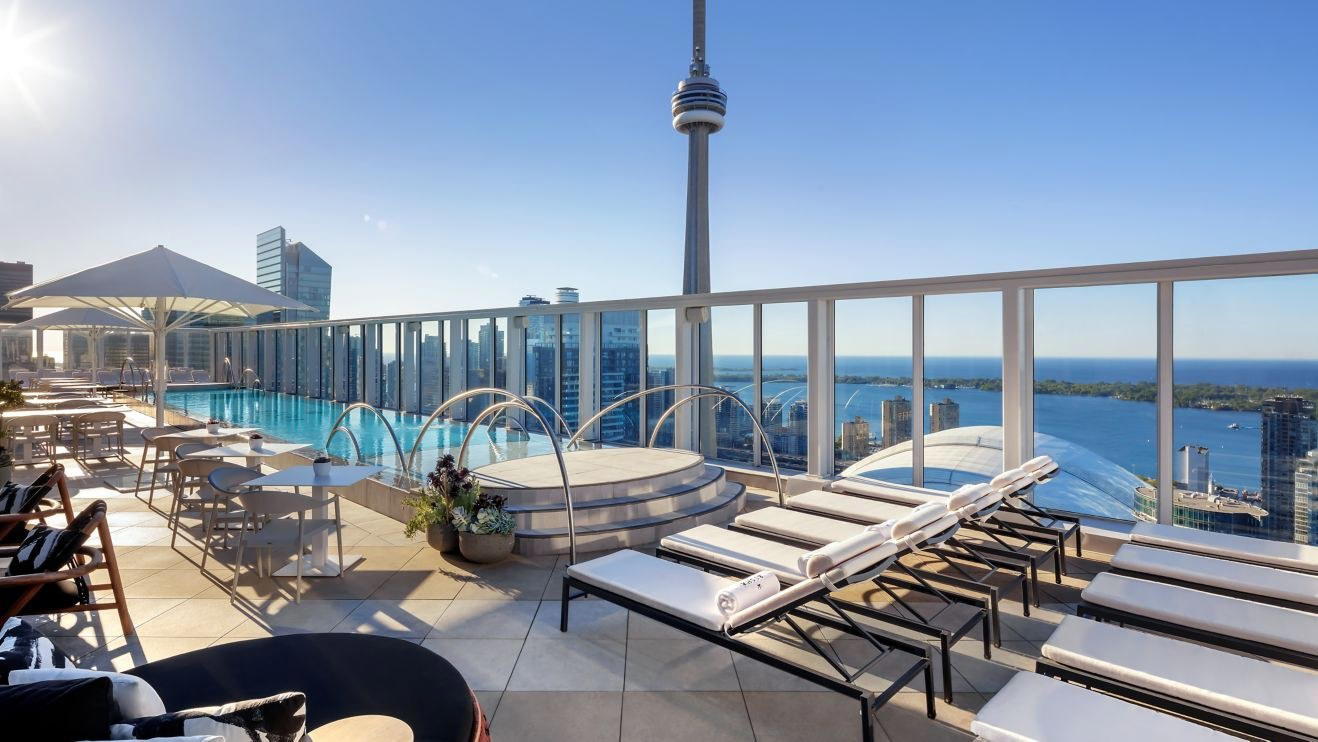
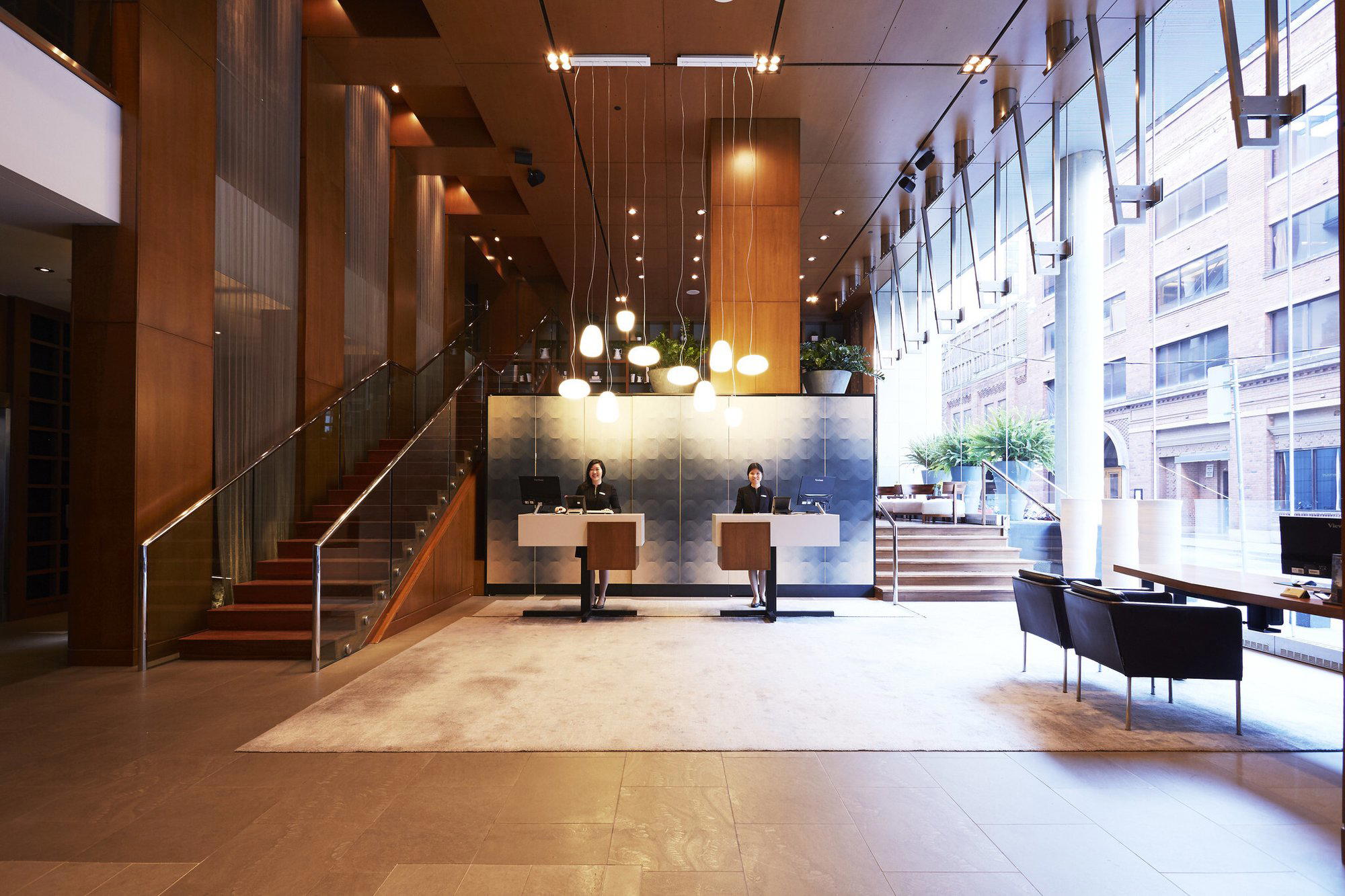
Sophisticated yet playful space with chic modern decor, bold colors, lively atmosphere, and electric late-night energy.