
Tsuyoshi no Croquette Honpo gives Nara’s yoshoku tradition a narrow, specialist reading: croquettes, counter seating, take-out, and a scale that rewards planning rather than browsing. Its selection for Tabelog 100 Yoshoku WEST 2025 and 2023 places a humble category inside a serious regional conversation about Japanese-style Western cooking.
Pearl is the En Primeur Club membership app — saves, bookings, and concierge access live there. Same editors, same standards.
- Address
- 1 Chome-1-1 Gakuendaiwacho, Nara, 631-0041, Japan
- Phone
- +81 742-41-3300
- Website
- www1.kcn.ne.jp
 Saves & bookings on Pearl
The approach is suburban rather than ceremonial: a small counter, a take-out rhythm, and a croquette specialist working in the quieter Gakuendaiwacho side of Nara rather than the deer-park corridor where many visitors spend their meal slots. That setting matters. Yoshoku, Japan’s long domestication of Western cooking, often reads as comfort food, but the category becomes more revealing when a kitchen narrows its attention to a single form and lets sourcing, frying, and turnover carry the argument.
Croquette in Japan is not a borrowed dish kept intact; it is a local staple with European ancestry and Japanese retail instincts. Department-store food halls, butcher shops, station counters, and neighborhood kitchens have all shaped the format. In Nara, where dining attention often bends toward kaiseki, soba, kakinoha-zushi, or temple-adjacent cooking, a five-seat croquette counter selected for Tabelog 100 Yoshoku WEST 2025 and also listed in 2023 is a useful reminder that regional food culture is not only built from formal meals.
Yoshoku reduced to a croquette counter
The appeal here is the discipline of a small category. A croquette shop has less room to hide than a broad yoshoku menu: the filling, coating, oil management, and serving pace do nearly all the work. That is why ingredient sourcing is central to the experience even when the dish looks modest. Potato, meat, dairy, seasoning, and frying medium each change the result, and the format rewards kitchens that can keep texture consistent while serving both seated diners and take-out customers.
Tsuyoshi no Croquette Honpo sits in a different lane from Nara’s more formal restaurant decisions. Oryori Hanagaki belongs to a Japanese fine-dining frame, Masala an TAKUMI pulls the city’s dining map toward Indian cooking, and Unagino Toyokawa speaks to the narrow craft of eel. This croquette counter occupies a lower-priced, shorter-format niche, but its recognition by Tabelog’s yoshoku list gives it weight beyond snack culture. The point is not luxury; it is specialization.
That distinction is useful for travelers building a Nara itinerary. A meal at Ajinokaze Nishimura (Japanese) or akordu (Spanish, Innovative) asks for a different pace, while this address fits the city’s everyday food register. For a broader read of the local dining map, Our full Nara restaurants guide is the better planning layer, especially when pairing small specialist shops with longer meals.
Why sourcing matters in a humble format
Yoshoku can be misunderstood by visitors as nostalgia food, but the better examples are not vague retro cooking. They are systems. Croquettes depend on ingredients that can survive transformation without becoming anonymous: starch for structure, fat for richness, and seasoning calibrated for repeat eating rather than spectacle. A shop built around croquettes makes those decisions visible through repetition. When the menu category is narrow, sourcing is not a decorative claim; it is the basis of quality control.
The Tabelog 100 Yoshoku WEST selection is the main trust signal here, and it matters because the list compares within category rather than against unrelated fine dining. A croquette specialist is not competing with a temple-view kaiseki room or a hotel restaurant. It is being assessed inside a yoshoku field where omurice, hamburger steak, cutlets, stews, and fried preparations all carry their own standards. In that context, a single-category shop in Nara earning repeat recognition says more than a general popularity claim would.
The format is also unusually small: five counter seats, no private rooms, and take-out service. That scale changes the reader decision. This is not a lingering dining-room evening or a celebratory table. It is a focused stop for travelers who understand that Japanese food culture is often strongest at the point where a craft becomes routine. Payment is cash-oriented, and the operation is non-smoking, details that reinforce the practical, neighborhood nature of the place rather than a polished destination-restaurant model.
Nara’s restaurant scene benefits from this kind of contrast. A visitor can move from A VOTRE SANTE (French) to Ajinotabibito Roman (Japanese), or compare local specialty formats with 37+1 - Sanjuhachi. Croquette, in this frame, is not a lesser meal. It is a compact way to read how Western-influenced cooking became local, affordable, and exacting.
How to place it in a Nara itinerary
The strongest use case is a light meal or targeted stop rather than a full multi-course plan. Gakuendaiwacho sits away from the main tourist compression, so it suits travelers already exploring western Nara or those willing to make a specific detour for a narrow food tradition. The small seating count means the experience is shaped by capacity as much as appetite; reservations are available, and meals operate on a first-come, first-served basis.
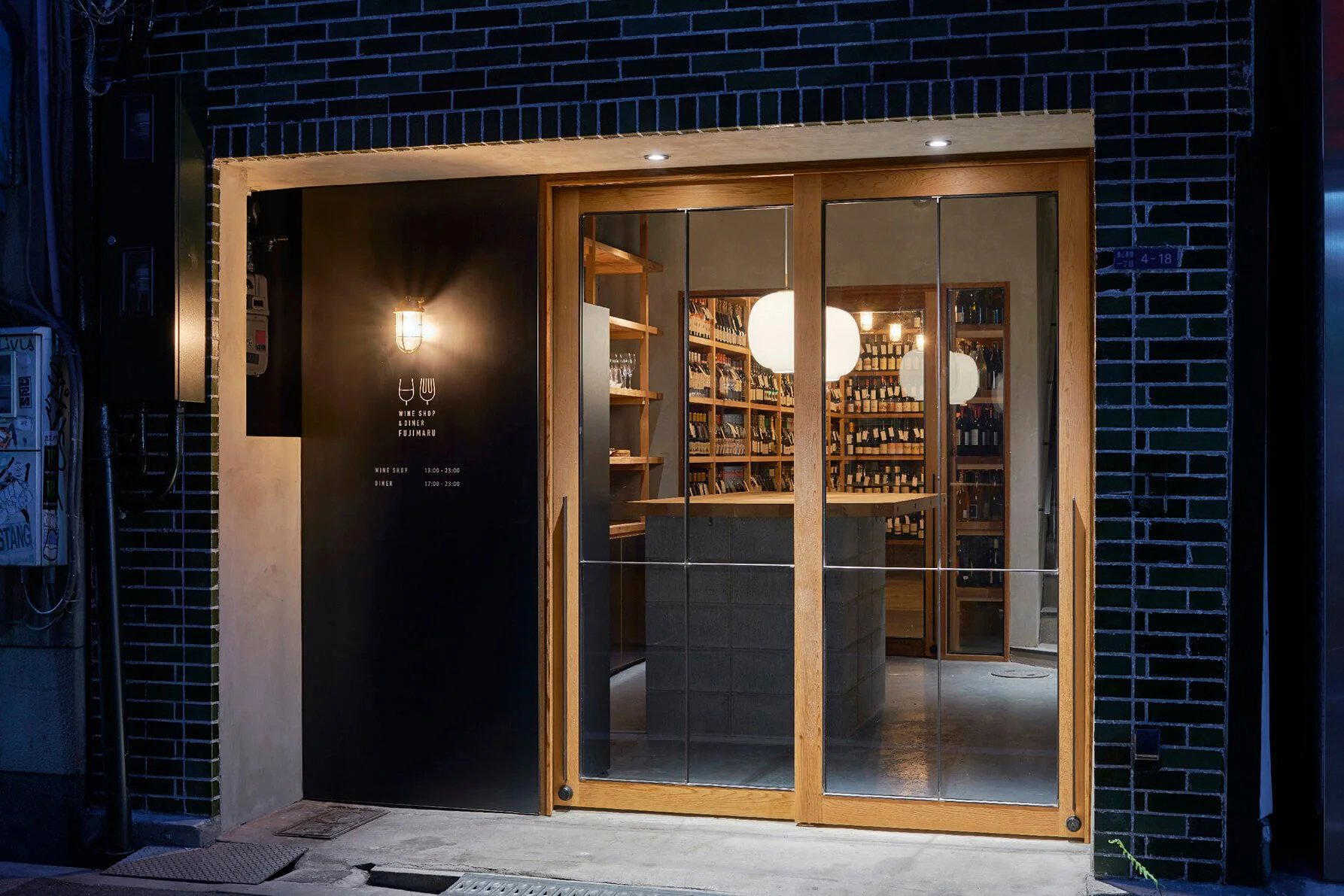
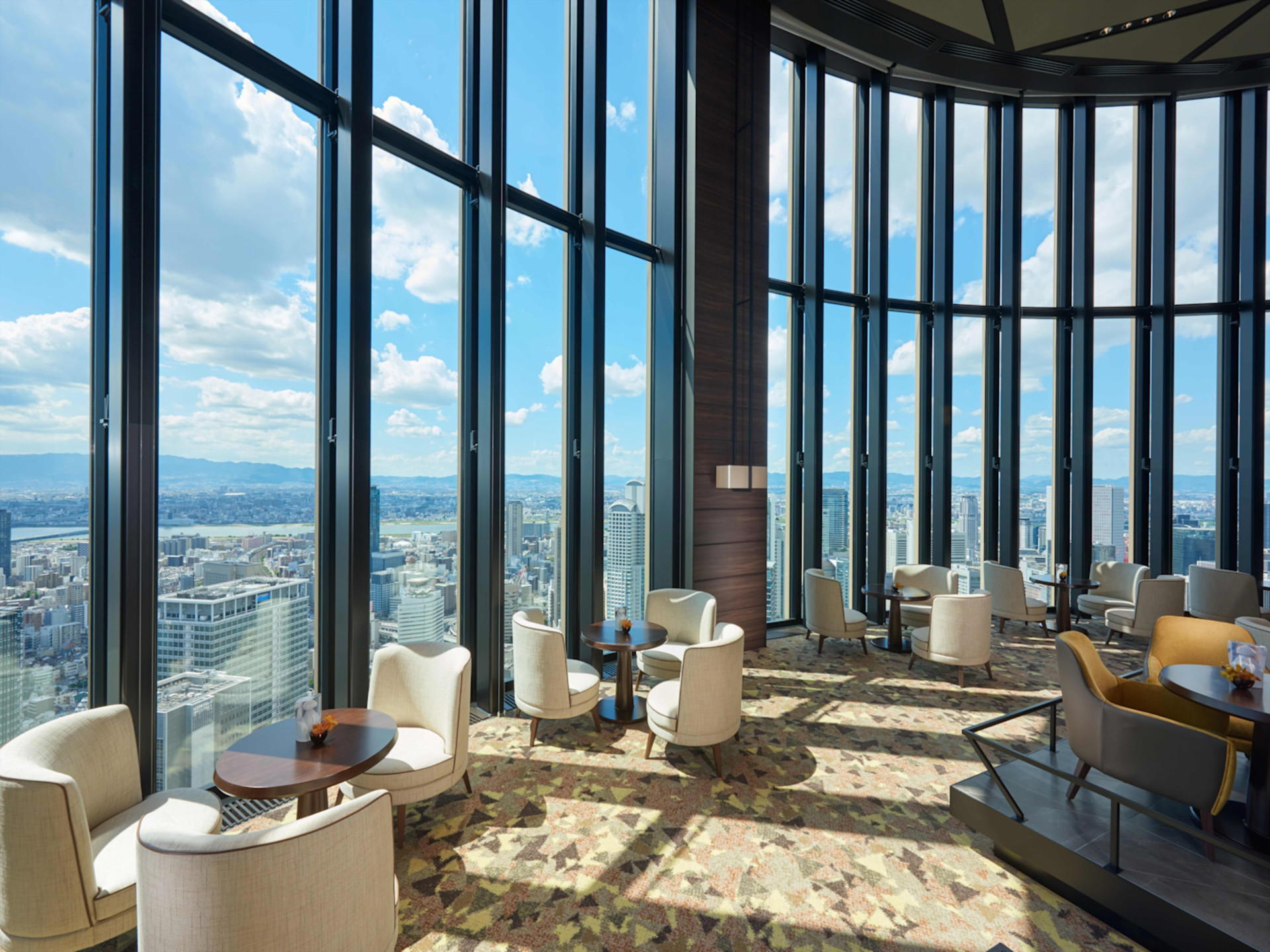
For travelers treating Nara as more than a day-trip temple circuit, the city rewards this type of planning. Food routes can sit alongside stay decisions in Our full Nara hotels guide, drinking options in Our full Nara bars guide, regional bottle research in Our full Nara wineries guide, and cultural timing in Our full Nara experiences guide. The point is sequencing: a compact yoshoku stop makes more sense when it is not forced to perform like dinner.
Readers comparing Japanese specialist formats across cities can also place this shop beside other tightly defined venues: -Grilled beef Sukiyaki- KAMAKURA TANUKIAN 鎌倉 たぬき庵 in Kamakura. 鮪と炭火焼き うお炭 秋葉原店 in Tokyo.cafe in Osaka.know in Kumamoto, (Shoku) Vietnam in Kawasaki, and [Curry Senmon Ten] Maruyama Kyoju. in Sapporo. Outside Japan, the same logic appears in tightly focused casual formats such as Jōdo Saké Bar in Los Angeles and Onigiri Time in Pasadena: small categories can say more about a food culture than broad menus designed to please everyone.
The editorial verdict is narrow but firm. Tsuyoshi no Croquette Honpo is for travelers who take everyday Japanese cooking seriously and understand that yoshoku’s value lies in adaptation, not imitation. Its scale, category focus, and repeated Tabelog 100 Yoshoku recognition make it a sharp counterpoint to Nara’s more formal meals.
Side-by-Side Snapshot
Comparable venues by cuisine and price in the same metro.
| Venue | Cuisine | Price | Notes |
|---|---|---|---|
| Tsuyoshi no Croquette HonpoThis venue — the venue you are viewing | Croquette-focused yoshoku lunch shop | $ | Not listed |
| Ramenya Mitsuba | Modern foamy ramen shop | $ | Nara |
| Kanakana | Japanese cafe with healthy set meals and curry | $ | Nara |
| Menya K | Ramen & Tsukemen Shop | $ | Nara |
| kuruminoki Ichijou ten | Seasonal Japanese cafe with obanzai lunch and cakes | $$ | Nara |
| Yorozu Onkashi Atsurae Dokoro Kashiya | Traditional Japanese Wagashi & Cafe | $$ | Nara |
Recognition history
Dated appearances from independent guides and award organizations, with the underlying list record or original source where available.
Tabelog 100 #33 · No. 33
Tabelog · Tabelog 100 - Yoshoku - WEST - 2025
Continue exploring
More in Nara




Bars in Nara
Browse all →


Hotels in Nara
Browse all →



Wineries in Nara
Browse all →
At a Glance
- Cozy
- Classic
- Solo
- Casual Hangout
- Family
- Standalone
- Historic Building
Current opening hours
- Monday
- Closed
- Tuesday
- 10 AM–6:30 PM
- Wednesday
- 10 AM–6:30 PM
- Thursday
- 10 AM–6:30 PM
- Friday
- 10 AM–6:30 PM
- Saturday
- 10 AM–6:30 PM
- Sunday
- Closed
Hours can change for holidays and private events. Last verified .
A homely, retro yoshoku atmosphere tucked into a quiet residential alley, with a relaxed, unhurried feel and the focus firmly on freshly fried croquettes and simple lunch plates rather than decor.