
Kanakana places Nara’s cafe culture in a domestic register: a house-restaurant setting, organic and curry categories, a health-and-wellness menu, and a second-floor gallery that links eating with browsing. Its 2025 selection for Tabelog Cafe WEST “Tabelog 100” gives it a clear recognition signal in a city better known for temples, soba, and kaiseki-adjacent Japanese dining.
Pearl is the En Primeur Club membership app — saves, bookings, and concierge access live there. Same editors, same standards.
- Address
- 13 Kunodocho, Nara, 630-8382, Japan
- Phone
- +81 742-22-3214
- Website
- kanakana.info
 Saves & bookings on Pearl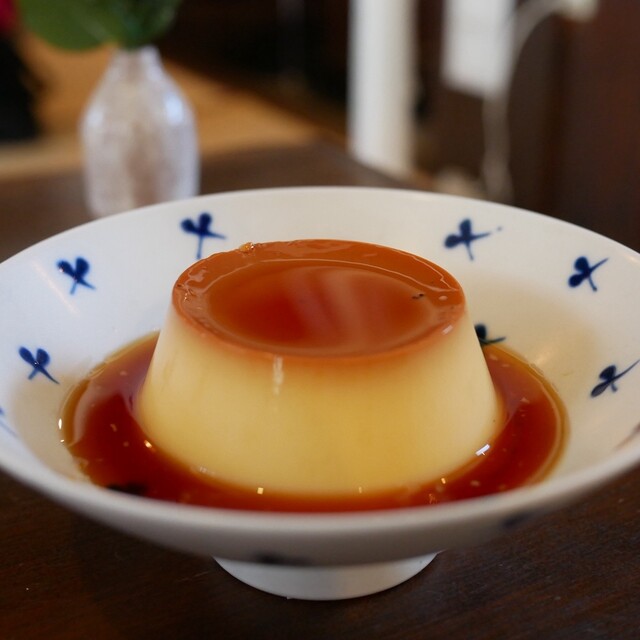
Approaching Naramachi, the city changes scale: major temple approaches and deer-filled park give way to tighter lanes, low houses, and the quieter rhythm of a former merchant district. It is the right setting for cafe culture that is not an imported urban template. In Nara, the serious cafe can be domestic room, lunch counter, gallery, and pause between cultural sites. Kanakana fits that tradition: a house restaurant with sofa seating, tatami room options, books, small goods, sweets, and a second-floor gallery.
That format matters because Nara’s dining identity is not built only around formal Japanese restaurants. The city rewards slower meals, shorter menus, and places embedded in the old-town fabric. A cafe listed under Cafe, Organic, and Curry is not a side note; it shows how contemporary Japanese cafe culture absorbs home cooking, wellness language, and the everyday curry plate without novelty. The 2025 Tabelog Cafe WEST “Tabelog 100” selection gives Kanakana a measurable signal in a category where atmosphere alone can blur judgment.
Naramachi cafe culture, seen through a house restaurant
Naramachi suits small-format dining because its streets still read at walking speed. The old machiya texture makes the house-restaurant model feel practical rather than theatrical: intimate rooms, shelves of books and goods, and tatami beside sofas. That domesticity is part of the meal’s grammar, asking visitors to slow down without turning lunch into ceremony.
Kanakana’s category mix shows where Nara cafe dining sits in 2026. “Organic” and “health and wellness menu” signal a lighter register than formal Japanese counters, while curry keeps it grounded in everyday Japan. Wine and cocktails are listed, but the core appeal is not bar culture; it is the all-day cafe as flexible social room, distinct from Nara’s destination restaurants, where the meal is often the main event.
The contrast is clearest beside higher-commitment tables. Soba specialists such as Gen, French rooms such as LA PIE, and Japanese restaurants like Koikiryori Aji Manso occupy defined lanes. Kanakana sits in the softer middle ground: structured enough for Tabelog recognition, relaxed enough between museum time, temple walks, and Naramachi errands.
Why the menu category matters more than chef mythology
Nara does not need every worthwhile meal to arrive with chef biography. Here, the stronger point is cultural: the Japanese cafe has become a serious everyday format, especially outside Tokyo and Osaka, where it often preserves a local sense of room, pace, and scale. Kanakana’s health-and-wellness menu, organic listing, curry category, and non-smoking policy place it in that modern cafe lineage rather than a dessert-shop or coffee-only lane.
The Tabelog score of 3.60 and 2025 Cafe WEST “Tabelog 100” selection need context. Cafe rankings in Japan often reward consistency, room character, and repeat local use as much as technical dining fireworks. The recognition is meaningful because it places the venue among West Japan cafe addresses with enough public traction and category fit to rise above casual browsing. It does not make the meal fine dining, and it should not be judged that way.
The second-floor gallery sharpens the cultural frame. Many Japanese cafes are small retail ecosystems, folding in ceramics, stationery, books, sweets, or design objects. This is not peripheral decoration; it shows how cafe time in Japan can extend beyond the plate. The room becomes a neighborhood node, not simply a place to consume caffeine and leave. For travelers, that is more revealing than another hurried lunch near a station.
Within Nara’s dining map, this lower-pressure format has strategic value. A day of temple walking, historic streets, and serious dinner benefits from a midday meal that does not exhaust the itinerary. Nearby restaurant research might point to 37+1 - Sanjuhachi, A VOTRE SANTE (French), Ajinokaze Nishimura (Japanese), Ajinotabibito Roman (Japanese), and akordu (Spanish, Innovative); Kanakana answers a different question: where to place a lighter, culturally specific cafe meal without dropping into anonymous convenience.
How to use it in a Nara itinerary
Use it as a Naramachi anchor, not a cross-city detour for a single dish. The house setting, gallery, tatami room, and small-goods element reward unhurried timing, especially when the surrounding streets are part of the day. Reservations are unavailable, so stay flexible: treat it as a strong cafe choice within a walking plan, not a fixed-course appointment.
Payment details also shape expectations. Credit cards and electronic money are not accepted, while QR code payments are listed; travelers who rely on cards in Japan should plan accordingly. Parking is unavailable, another reason to approach on foot or by public transport. The venue is associated with Kyobate Station and also sits within walking range of central Nara approaches, suiting the old-town rhythm better than a taxi-led itinerary.
For readers comparing Japanese cafe culture beyond Nara, the EP Club archive shows the category’s breadth:.cafe in Osaka sits in a larger urban cafe market, while.know in Kumamoto points to another regional expression. Curry-focused readers can cross-check [Curry Senmon Ten] Maruyama Kyoju. in Sapporo; casual Japanese formats outside Japan appear in Onigiri Time in Pasadena and Jōdo Saké Bar in Los Angeles. For broader travel comparison, see -Grilled beef Sukiyaki- KAMAKURA TANUKIAN 鎌倉 たぬき庵 in Kamakura. 鮪と炭火焼き うお炭 秋葉原店 in Tokyo, and (Shoku) Vietnam in Kawasaki.
The editorial verdict is measured: this is a culturally articulate cafe, not a trophy restaurant. Its value lies in how well it expresses Nara’s quieter dining register: domestic scale, organic and curry cues, gallery culture, and a recognized place within West Japan’s cafe field. In a city where travelers often overbuild meals around formal tradition, that balance is precisely the point.
Booking and Cost Snapshot
Nearby venues at a similar price tier for orientation.
| Venue | Cuisine | Price | Notes |
|---|---|---|---|
| KanakanaThis venue — the venue you are viewing | Not listed | $ | Not listed |
| 焼鳥 望月(予約制) | Nara, Kaiseki | $ | Not listed |
| Ocha no Ko | Not listed | $ | Nara, Tea Cafe / Japanese Dessert Shop |
| 麺屋 NOROMA | 西大寺, 鶏白湯ラーメン | $$ | Not listed |
| Naramachi Vegan Nabi ならまちヴィーガン菜美 | Nara, Vegan Japanese Omakase | $$ | Not listed |
| Tsuyoshi no Croquette Honpo | Not listed | $ | Nara, Croquette-focused yoshoku lunch shop |
Recognition history
Dated appearances from independent guides and award organizations, with the underlying list record or original source where available.
Tabelog 100 #33 · No. 33
Tabelog · Tabelog 100 - Cafe - WEST - 2025
Continue exploring
More in Nara




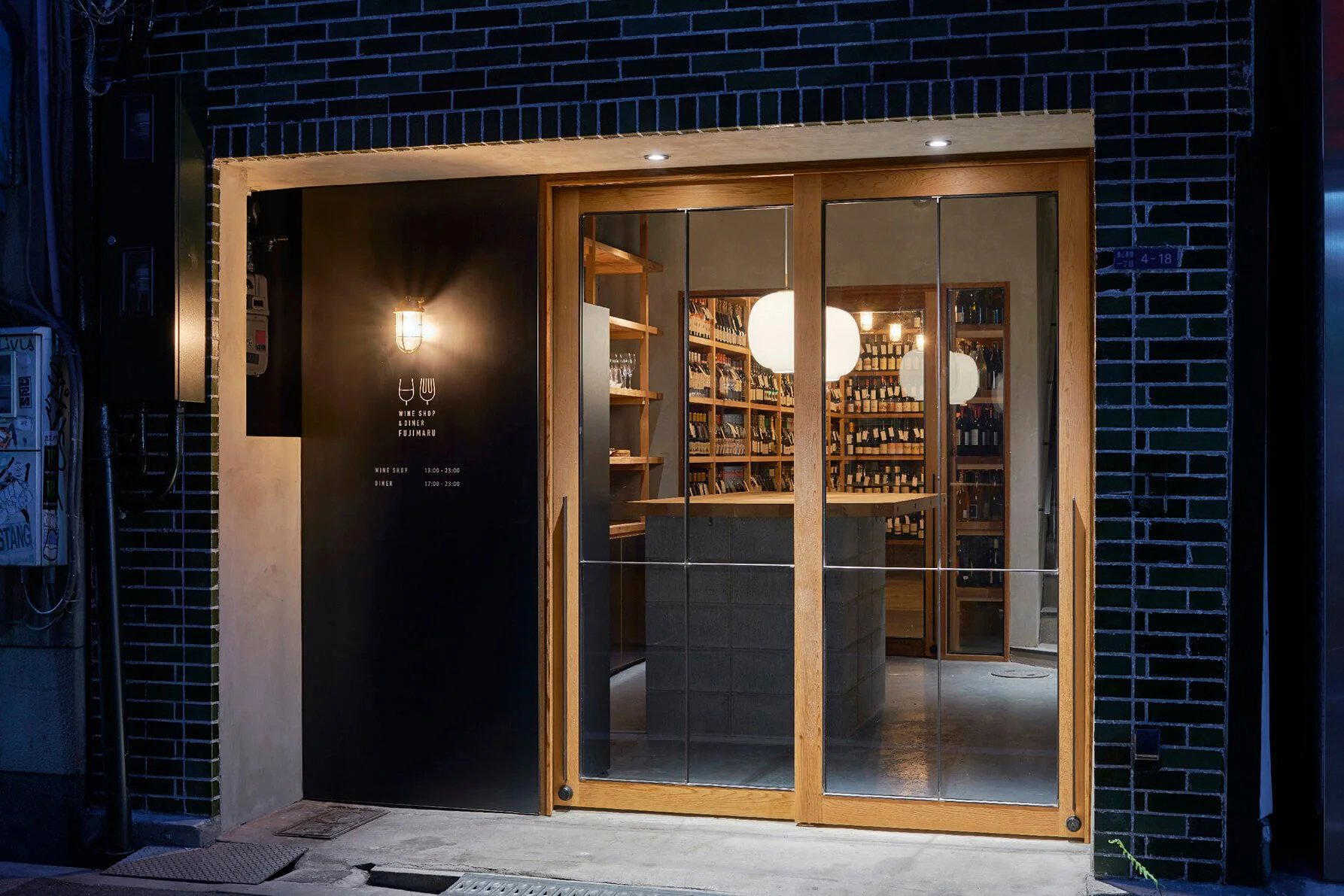
Bars in Nara
Browse all →


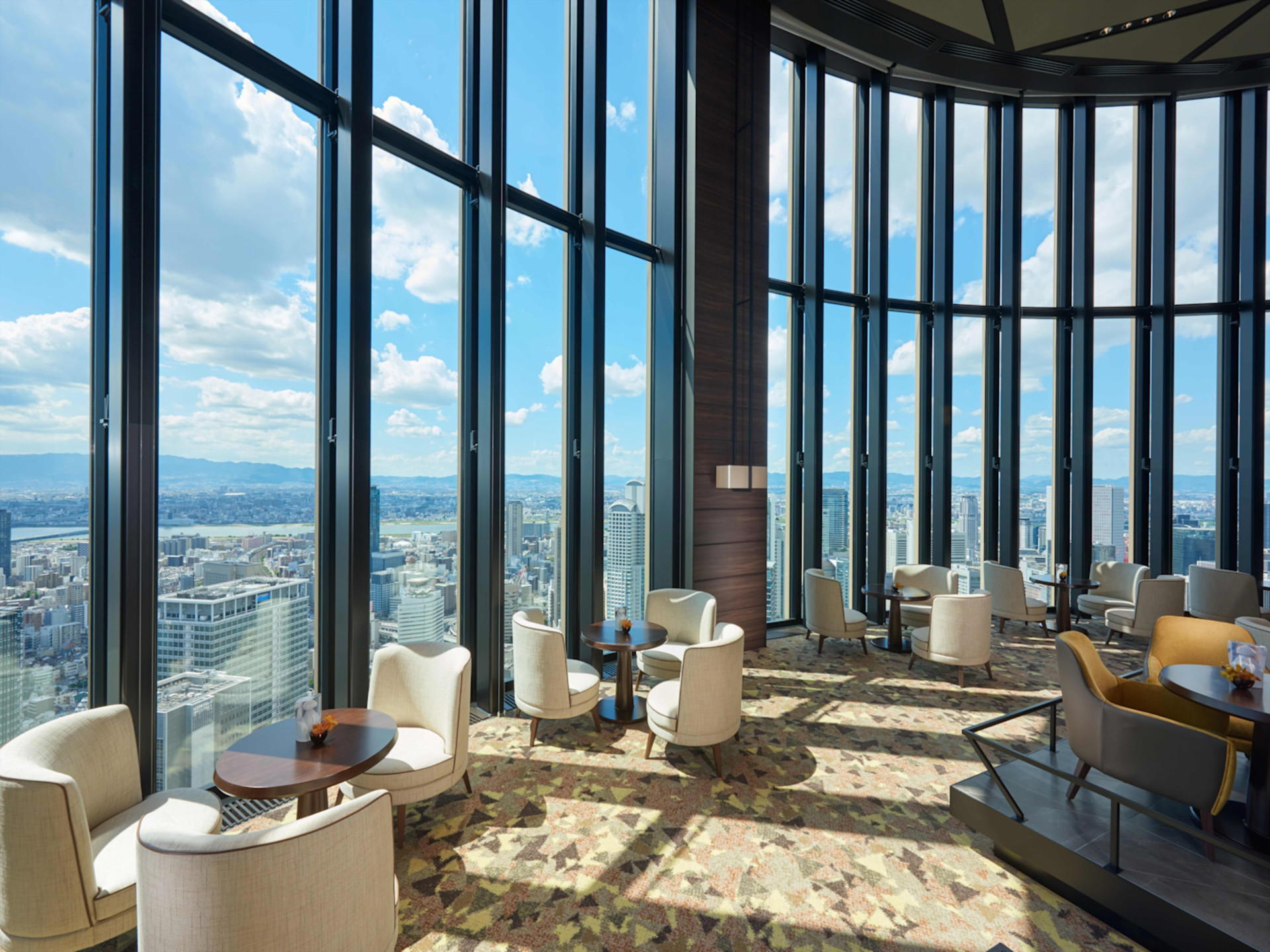
Hotels in Nara
Browse all →



Wineries in Nara
Browse all →
At a Glance
- Cozy
- Classic
- Rustic
- Intimate
- Casual Hangout
- Solo
- Family
- After Work
- Brunch
- Historic Building
- Standalone
- Design Destination
- Organic
- Local Sourcing
Current opening hours
- Monday
- Closed
- Tuesday
- 11 AM–7 PM
- Wednesday
- 11 AM–7 PM
- Thursday
- 11 AM–7 PM
- Friday
- 11 AM–7 PM
- Saturday
- 11 AM–7 PM
- Sunday
- 11 AM–7 PM
Hours can change for holidays and private events. Last verified .