
Tsukemen Mushin puts Nara’s ramen culture in a focused tsukemen frame: dipping noodles, a small room, counter and tatami seating, and a following strong enough for repeated Tabelog Ramen WEST 100 selections from 2017 through 2025. The point is not ceremony; it is a low-cost, ingredient-driven noodle stop where broth concentration and noodle texture carry the meal.
Pearl is the En Primeur Club membership app — saves, bookings, and concierge access live there. Same editors, same standards.
- Address
- 奈良県奈良市中町323-1
- Phone
- +81742517272
- Website
- mushin-tsukemen.com
 Saves & bookings on Pearl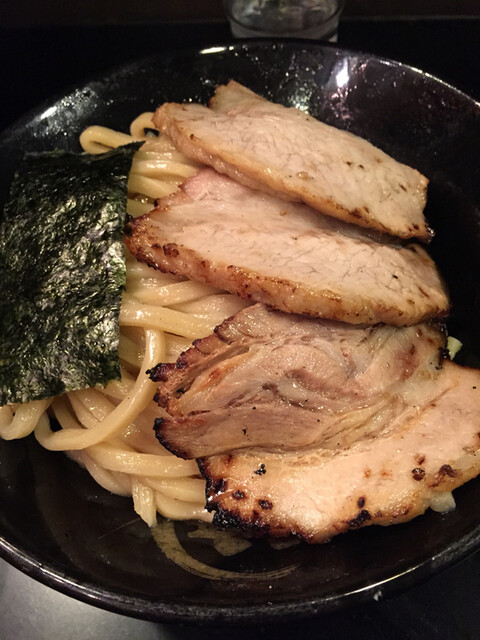
Approaching a serious tsukemen shop in Nara is different from arriving at a temple-side kaiseki room or a station-front izakaya. The cues are smaller and more functional: a queue, a compact room, the rhythm of noodles being served separately from broth, and diners eating with the concentration that ramen demands when it is treated as a craft rather than a convenience. Tsukemen Mushin belongs to that register. Its setting is modest, but its repeated selection for Tabelog Ramen WEST 100 from 2017 through 2025 places it in a narrower conversation: western Japan’s specialist ramen addresses that earn attention for consistency rather than décor.
Nara's tsukemen argument is about concentration, not ornament
Tsukemen has always asked more of texture than standard ramen. Because the noodles and broth are served apart, the kitchen cannot hide behind a single steaming bowl. The noodles need enough structure to hold their own, while the dipping broth must carry seasoning, fat, and depth in a condensed form. That is why ingredient sourcing matters in this category. Flour choice, noodle hydration, stock base, tare balance, and finishing oil all read more clearly when each dip is deliberate rather than submerged.
In Nara, where many visitors still organize eating around historic districts and train-station convenience, a tsukemen specialist outside the obvious tourist circuit gives a better read on everyday Kansai noodle culture. The appeal is not rarity for its own sake. It is the discipline of a format that rewards repeat customers, solo diners, and families willing to treat a casual meal with the same attention usually reserved for higher-priced counters. Tsukemen Mushin’s category listing covers tsukemen and ramen, but the name tells the important part: dipping noodles are the anchor.
The Tabelog Ramen WEST 100 selection in 2025 is the key external signal here, especially because the shop’s recognitions stretch across multiple years. In Japan’s ramen scene, that kind of repeat listing says more than a single burst of attention. Ramen trends move quickly, and shops built around novelty can burn bright and fade. A specialist that remains visible across the late 2010s and mid-2020s is competing on execution, not launch energy.
The room keeps the meal in the local, everyday register
The physical format matters because tsukemen is a pace-sensitive meal. A 20-seat room with counter seating and tatami space puts the experience closer to a neighborhood noodle house than a destination tasting counter. That mix also explains the audience. The venue is marked as friendly for children, solo dining, and meals with friends, which is a useful distinction in Japan’s ramen culture: not every serious noodle shop feels easy for a mixed group, and not every family-friendly address carries serious recognition.
There is also a practical intelligence built into the layout. An in-store waiting room softens the usual ramen-line equation, where weather and timing can shape the meal before the first bowl appears. Reservations are unavailable, so the format remains first-come in spirit. That is consistent with the ramen category: access is governed less by concierge planning than by patience, cash readiness, and an understanding that popular shops can sell out before posted service windows end.
The shop opened in 2009, which gives its current reputation a longer arc than many contemporary ramen addresses. In a field where styles split into heavy tonkotsu, clear chintan, niboshi-led broths, chicken paitan, and regional hybrids, a durable tsukemen identity is a statement. It asks the diner to care about chew, broth density, and the adjustment that happens between the first dip and the last.
How it fits into a wider Nara eating day
Nakamachi sits outside the mental map many travelers use for Nara, which often compresses the city into park, temples, deer, and a quick return to Kyoto or Osaka. That compression misses how Nara eats when it is not performing for day-trippers. Casual specialists, suburban parking, bus access, and family use are part of the city’s dining grammar. Tsukemen Mushin is useful because it belongs to that grammar while carrying enough recognition to justify the detour for diners who plan around food.
Compared with broader out-of-metro options such as Masala an TAKUMI, Oryori Hanagaki, or Patisserie Chocolaterie Emera, the decision here is not about breadth of cuisine or a formal meal. It is about a focused noodle format at a low everyday spend, with awards traction in a category where small differences in broth and noodle handling matter. That makes it a sharper choice for a lunch or dinner built around one dish type rather than a long, multi-course evening.
For broader planning, start with Our full nakamachi restaurants guide, then use the wider city rails as needed: Our full nakamachi hotels guide, Our full nakamachi bars guide, Our full nakamachi wineries guide, and Our full nakamachi experiences guide. Readers extending the Japan dining map can compare formats across -Grilled beef Sukiyaki- KAMAKURA TANUKIAN 鎌倉 たぬき庵 in Kamakura, . 鮪と炭火焼き うお炭 秋葉原店 in Tokyo, .cafe in Osaka, .know in Kumamoto, (Shoku) Vietnam in Kawasaki, [Curry Senmon Ten] Maruyama Kyoju. in Sapporo, [ki:] in Kyoto, #肉といえば松田 奈良本店 in Kashihara, 1/3 HAMBURGER FACTORY in Kanazawa, 1000 in Yokohama, 1000mヒュッテ 1000m Hut in Kutchan, Jōdo Saké Bar in Los Angeles, and Onigiri Time in Pasadena.
At-a-Glance Comparison
Comparable venues by cuisine and price in the same metro.
| Venue | Cuisine | Price | Notes |
|---|---|---|---|
| Tsukemen MushinThis venue — the venue you are viewing | Tsukemen ramen shop | $$ | Not listed |
| Ginza Kagari (銀座 篝) | Chicken Paitan Ramen | $$ | Ginza |
| Mamiyado | Wakkanai Scallop Ramen | $$ | Cape Soya |
| らぁめん家 69'N' ROLL ONE 赤坂本店 | Chicken Clear Soy Ramen | $$ | Akasaka |
| れんが屋 | Yakushima Yakiniku with Jomon Beef & Venison | $$ | Anbo |
| Mentakumi Takamatsu (麺匠 たか松) | Takamatsu Ramen | $$ | central Kyoto |
Recognition history
Dated appearances from independent guides and award organizations, with the underlying list record or original source where available.
Tabelog 100 #38 · No. 38
Tabelog · Tabelog 100 - Ramen - WEST - 2025
Continue exploring
More in nakamachi
Restaurants in nakamachi
Browse all →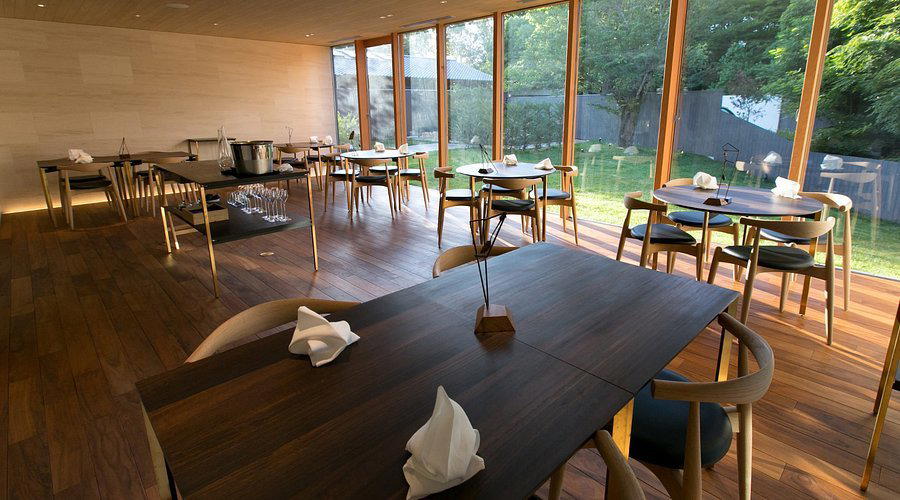




Bars in nakamachi
Browse all →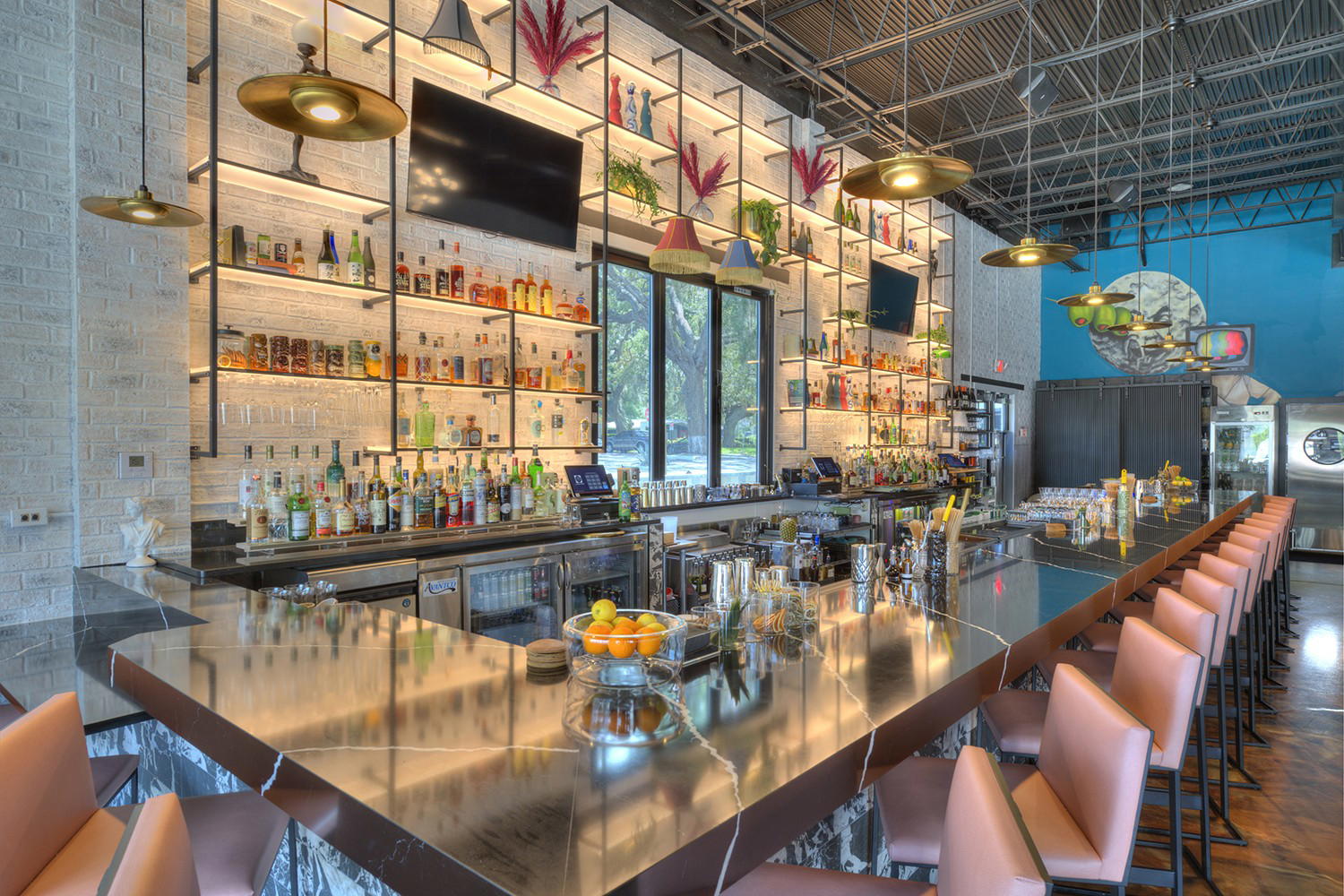
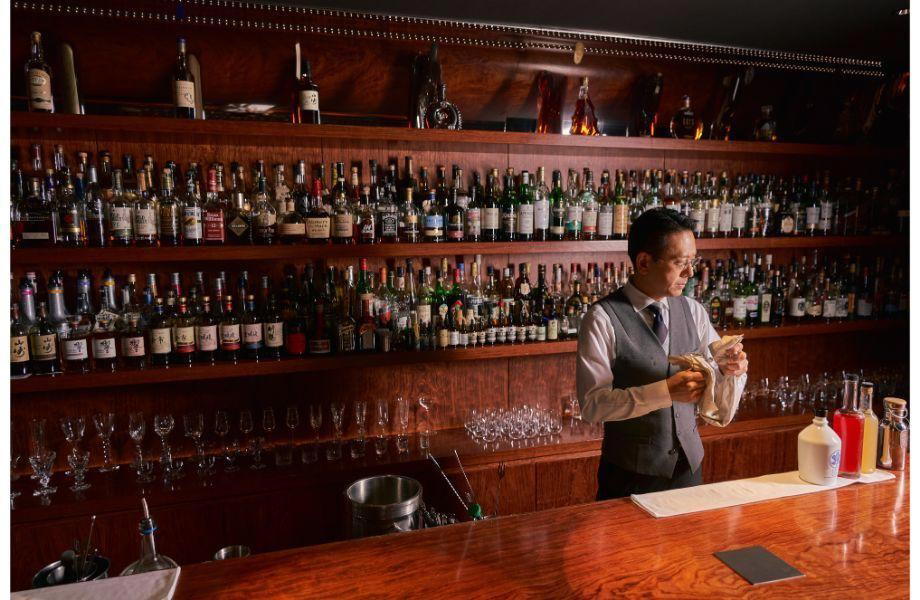


Hotels in nakamachi
Browse all →



Wineries in nakamachi
Browse all →
At a Glance
- Cozy
- Lively
- Solo
- Casual Hangout
- After Work
- Late Night
- Standalone
A compact, counter-focused ramen shop with a simple, no-frills design and an intense, bustling atmosphere centered on enjoying rich tsukemen rather than lingering.