
Tsubameya Yanagase honten places Gifu’s wagashi culture in a take-out format rather than a sit-down dessert salon. Its Tabelog 100 selection for Japanese traditional sweets and sweets cafés in EAST 2023, plus a focus on warabi mochi, make it a useful stop for understanding how regional Japanese sweets travel from maker to gift box.
Pearl is the En Primeur Club membership app — saves, bookings, and concierge access live there. Same editors, same standards.
- Address
- 4 Chome-13 Kandamachi, Gifu, 500-8833, Japan
- Phone
- +81 58-265-1278
- Website
- tsubame-ya.jp
 Saves & bookings on Pearl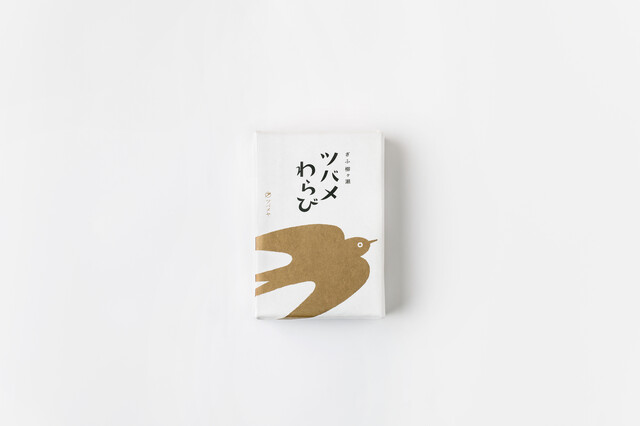
Yanagase has the feel of a shopping district built for daily errands rather than grand dining theatre: storefronts close to the pavement, buses moving along Nagarabashi Street, and sweets shops serving customers who know exactly what they came to collect. In that setting, wagashi is not a dessert course after a long meal. It is a purchase with timing, texture and gifting etiquette built into the decision.
Gifu is often read through river fish, cormorant fishing, Hida beef and mountain produce, but its sweets culture deserves the same attention. Japanese confectionery depends on small calibrations: soybean flour ground fine enough to cling, sweetness held below Western pastry levels, and textures that shift quickly after purchase. Tsubameya Yanagase honten sits inside that tradition with a take-out model and a reputation tied to warabi mochi, a category where ingredient handling matters more than decoration.
Warabi mochi as a test of ingredient discipline
Warabi mochi looks simple until it is judged beside weaker versions. The appeal comes from elasticity, powder coverage and the way roasted soybean flour changes the perception of sweetness. Here, the named specialty is Tsubame Warabi, described around a soft, slightly chewy texture and a generous coating of roasted soybean flour. That detail matters because kinako is not garnish in this style; it is the aromatic frame for the whole sweet.
The stronger editorial point is that Gifu’s serious wagashi shops operate in a different rhythm from tasting-menu restaurants. A counter for boxed sweets has to deliver consistency across takeaway packaging, short dwell time and customers buying for home or gifts. The format leaves little room for tableside drama. Recognition comes from execution, repeatability and local trust rather than an extended service arc.
Tsubameya Yanagase honten was selected for the Tabelog 100 Japanese traditional sweets and Japanese sweets café EAST list in 2023, with a Tabelog score listed at 3.67. For a regional sweets shop outside Japan’s larger dessert circuits, that signal is useful: it places the shop within a curated eastern-Japan wagashi field rather than merely within Gifu’s neighbourhood retail scene.
Compared with Gifu’s higher-spend dining rooms such as Akane Ya or Takumi Hirano, wagashi here belongs to a more accessible category, but not a less exacting one. The judgement criteria change. Instead of wine pairings, counter pacing or grill technique, the relevant questions are freshness, sweetness control, texture and whether the sweets can survive the journey from shop to table without losing their point.
Yanagase gives the sweets their proper context
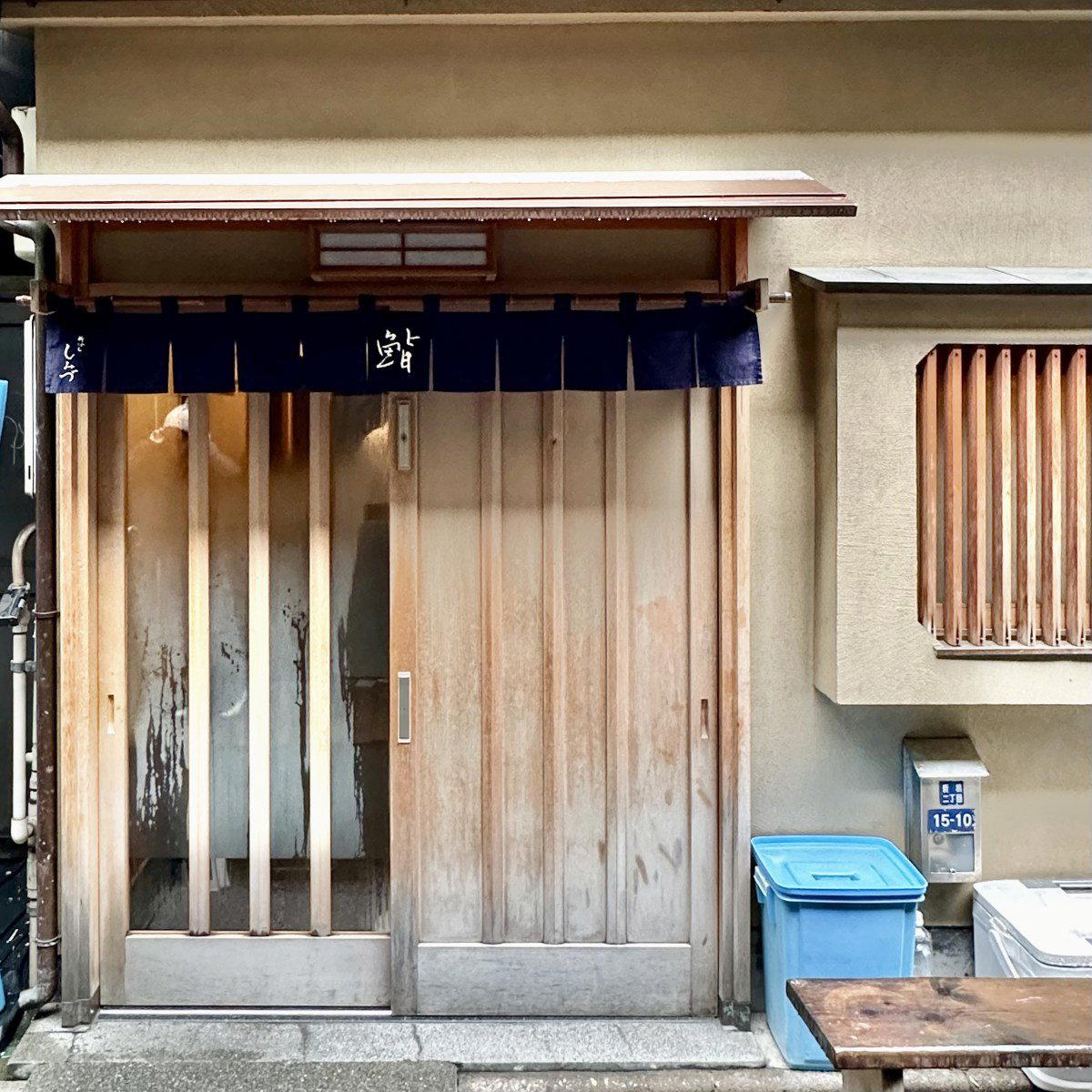
The Yanagase setting is part of the read. This is not a Kyoto-style temple-adjacent tea pause or a department-store basement sweets hall. It is a central Gifu address with a practical take-out pattern, no formal eat-in room, and only a small bench noted beside the shop. That makes it better understood as a targeted stop than a lingering café appointment.
That distinction helps visitors plan the day. Gifu rewards short, specific food stops stitched between meals: sweets in Yanagase, coffee or drinks elsewhere, then a more formal dinner if the itinerary calls for it. For a broader city map, our full Gifu restaurants guide gives the dining frame, while our full Gifu bars guide, our full Gifu hotels guide, our full Gifu wineries guide and our full Gifu experiences guide place the stop inside a fuller travel day.
The surrounding Gifu scene is broad rather than single-note. A visitor could read the city through Japanese dining at Aka Renga, drinks at BAR-BAROSSA or BAROSSA cocktailier, or a French meal at Belle Equipe (French). Wagashi adds a quieter but revealing layer: it shows how the city handles craft when there is no long menu to explain it.
How to use it in a Gifu itinerary
The practical appeal is direct. This is a sweets stop with reservations marked available, payment methods extending beyond cash, and a family-friendly note attached to the listing. Children are welcome, but the take-out format means the better plan is to buy deliberately, then carry the sweets to a suitable pause rather than expect a full sit-down family meal.
For travellers moving across Japan, this kind of address also sharpens comparison. A Gifu wagashi run sits far from the urban casual-dining spectrum represented by. 鮪と炭火焼き うお炭 秋葉原店 in Tokyo.cafe in Osaka.know in Kumamoto or (Shoku) Vietnam in Kawasaki. It also asks for a different appetite from meat-focused stops such as -Grilled beef Sukiyaki- KAMAKURA TANUKIAN 鎌倉 たぬき庵 in Kamakura, curry specialists like [Curry Senmon Ten] Maruyama Kyoju. in Sapporo, or Japanese food culture abroad at Jōdo Saké Bar in Los Angeles and Onigiri Time in Pasadena.
The recommendation is to treat Tsubameya Yanagase honten as a precision stop, not a meal replacement. Its value is in showing how a regional Japanese sweets shop can compress ingredient sourcing, texture work and local habit into a box. In a city where many visitors chase the larger meal, the wagashi counter may say more about everyday taste than another reservation.
Snapshot
Comparable venues by cuisine and price in the same metro.
| Venue | Cuisine | Price | Notes |
|---|---|---|---|
| Tsubameya Yanagase hontenThis venue — the venue you are viewing | Japanese Confectionery | $ | Not listed |
| Benten Do | Traditional Japanese Wagashi & Western Sweets Shop | $ | Kandamachi |
| Sake no Tori | Traditional Yakitori & Sake Bar | $ | Jūnoecho / central Gifu |
| Rikidou | Ramen & tsukemen shop | $$ | Gifu |
| Soba Kura Tomi | Traditional Japanese Soba | $$ | Yanagase area |
| Yoshina | Creative Japanese course dining | $$ | Gifu City |
Recognition history
Dated appearances from independent guides and award organizations, with the underlying list record or original source where available.
Tabelog 100 #86 · No. 86
Tabelog · Tabelog 100 - Japanese traditional sweets / Japanese sweets cafe - EAST - 2023
Continue exploring
More in Gifu
Restaurants in Gifu
Browse all →



At a Glance
- Classic
- Cozy
- Solo
- Family
- Casual Hangout
- Historic Building
- Standalone
- Local Sourcing
- Street Scene
Current opening hours
- Monday
- Closed
- Tuesday
- 9 AM–6 PM
- Wednesday
- 9 AM–6 PM
- Thursday
- 9 AM–6 PM
- Friday
- 9 AM–6 PM
- Saturday
- 9 AM–6 PM
- Sunday
- 9 AM–6 PM
Hours can change for holidays and private events. Last verified .
A calm, old-fashioned sweets shop in a Shōwa-era shopping street, with a warm neighborhood feel and a takeaway-focused atmosphere.