
Tabelog 100 #5
Our verdict
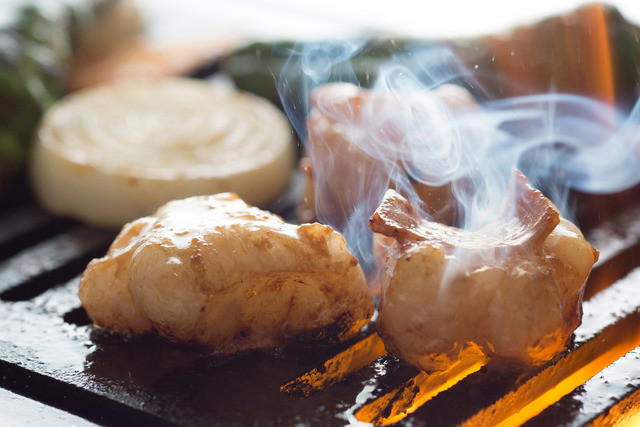
Akane Ya sits in Gifu’s compact dinner culture as a small yakiniku-and-Chinese room with counter seating, a Tabelog 100 Yakiniku EAST 2025 selection, and a format built for grill-led meals rather than ceremony. The appeal is the overlap: Japanese barbecue technique, Chinese side dishes, sake, shochu, and wine in a city better known to many travelers as a gateway to cormorant fishing and castle views.

Pearl is the En Primeur Club membership app, where members save venues, book tables and use the concierge.
The menu
What to order
- Kyushu chicken yakiniku
- Beef offal (horumon)
- Mapo tofu
- Gyoza
- Vegetable tanmen
Mitonocho is not the polished face of restaurant Japan. It is closer to the working rhythm of a regional city after office hours: narrow streets, modest shopfronts, and dinner rooms where smoke, counter seats, and regulars matter more than theatre. In that setting, Akane Ya belongs to a particular Gifu tradition, not the temple-like tasting-menu model that dominates international attention. This is yakiniku as local evening infrastructure, with Chinese cooking folded into the meal rather than treated as a separate category.
That combination says something useful about Gifu dining. The city does not behave like Tokyo, where categories are often sharpened for reservation platforms and inbound travelers. Here, a grill restaurant can also be a place for gyoza, mapo tofu, tanmen, sake, shochu, and wine, because the meal is organized around appetite and group rhythm rather than a single culinary doctrine. Akane Ya’s Tabelog 100 Yakiniku EAST 2025 selection gives the room a clear trust signal, but the more interesting point is cultural: regional yakiniku can be serious without becoming formal.
Yakiniku in Gifu works differently when Chinese cooking is part of the table
Yakiniku has always been a social cuisine: fire at the table, shared pacing, quick decisions, and a strong bias toward conversation. In larger cities, premium yakiniku often becomes a beef taxonomy, with attention pulled toward breed, cut, grading, and the choreography of staff-assisted grilling. Gifu’s version can be less rigid. A restaurant that places Japanese barbecue beside Chinese dishes reflects the way many local meals actually unfold, moving between grilled meat, rice, spice, soup, and drinks without asking the diner to choose a single lane.
That matters because Gifu is not short on narrow specialisms. Travelers can build a day around sweets at Benten Do, higher-spend dining at Takumi Hirano, or the city’s cocktail culture through BAR-BAROSSA and BAROSSA cocktailier. Akane Ya occupies a different lane: the dinner table as a broad, practical format. It is not trying to compete with French dining such as Belle Equipe (French), nor with low-cost snack culture represented by places like Tsubameya Yanagase honten. Its relevance comes from the overlap between grill, Chinese heat, and a regional drinking list.
The Tabelog recognition is useful here because yakiniku quality can be difficult to read from outside Japan. Michelin coverage is uneven across regional barbecue rooms, and English-language writing often chases sushi, kaiseki, or ramen before it reaches the grill. A Tabelog 100 Yakiniku EAST selection places Akane Ya inside a Japan-facing evaluation frame, alongside restaurants judged by domestic diners for a category where details of sourcing, cut handling, ventilation, pacing, and value tend to matter.
A compact counter room changes the way the meal moves
Small yakiniku rooms are different from large barbecue halls. Counter seating compresses the meal: orders arrive closer to the grill, drink choices become part of the same rhythm, and the table does not disappear into the anonymity of a big dining floor. For travelers, that intimacy is both the attraction and the constraint. The format rewards small groups and diners who are comfortable with a local room rather than a translated luxury environment.
The drinks list also points to the restaurant’s hybrid logic. Sake and shochu keep the meal grounded in Japanese drinking habits, while wine gives richer grilled dishes another route. In regional Japan, this kind of list can be more revealing than a long cellar: it shows how the room expects people to eat. Yakiniku is not only about beef; it is about alternating fat, salt, spice, smoke, rice, and alcohol over the course of an evening.
Children are part of the stated audience, with limits that make sense for a small room. School-age children are welcomed, while preschool children may be refused depending on reservations, and strollers are not accommodated. That is not hostility to families; it is the practical reality of a compact grill restaurant where space and heat are part of service.
For context, Gifu’s broader dining map is worth reading laterally rather than hierarchically. Aka Renga and Benten Do speak to neighborhood-scale eating; the city’s bar scene is better understood through Our full Gifu bars guide; and restaurant planning sits most cleanly inside Our full Gifu restaurants guide. Visitors pairing dinner with sleep, producers, or cultural programming can cross-reference Our full Gifu hotels guide, Our full Gifu wineries guide, and Our full Gifu experiences guide.
How to place it in a Japan-wide grill itinerary
Japan’s grill culture is too broad to flatten into wagyu tourism. Sukiyaki, charcoal seafood, casual chicken, beef offal, and Korean-influenced yakiniku all operate with different rules. A useful itinerary compares formats rather than chasing one universal ranking. The beef focus at -Grilled beef Sukiyaki- KAMAKURA TANUKIAN 鎌倉 たぬき庵 in Kamakura belongs to a different tradition from a Gifu yakiniku room;. 鮪と炭火焼き うお炭 秋葉原店 in Tokyo shifts the conversation toward tuna and charcoal;.cafe in Osaka.know in Kumamoto, (Shoku) Vietnam in Kawasaki, and [Curry Senmon Ten] Maruyama Kyoju. in Sapporo show how regional dining often resists tidy genre boxes.
International comparisons can help, provided they are kept in proportion. Jōdo Saké Bar in Los Angeles and Onigiri Time in Pasadena translate Japanese drinking and rice culture for California audiences; a Gifu counter room does not need that translation. Its value is the opposite: a compact local format with enough recognition to merit attention, but not so much packaging that the experience loses its regional grain.
The editorial read is simple. Akane Ya is for diners who want Gifu’s dinner culture at close range: grill smoke, Chinese side currents, a small-room pace, and a domestic award signal that means more in this category than imported glamour. It is less suited to travelers seeking a long-form tasting menu or a grand hotel-style dining room. In the right itinerary, especially one built around regional Japan rather than headline chasing, it gives Gifu a sharper evening address.
Frequently asked questions
Is Akane Ya suitable for children?
Yes, children are welcome, with school-age children accepted. The restaurant also notes that preschool children may be refused depending on reservation conditions, and strollers are not allowed because the room is small.
What's the vibe at Akane Ya?
Akane Ya is a compact 24-seat counter room in Gifu, with service centered on yakiniku and Chinese dishes rather than a long tasting-menu format. The Tabelog 100 Yakiniku EAST 2025 selection and the small counter setup point to a casual, tightly run dinner spot.
Is Akane Ya expensive?
Pricing at Akane Ya is listed as JPY 8,000 - JPY 9,999.
What is Akane Ya known for?
Akane Ya is primarily known for its core concept and execution in Gifu.
Pricing, Compared
Side-by-side context: comparable cuisine and price.
| Venue | Cuisine | Price | Awards | Notes |
|---|---|---|---|---|
| Akane YaThis venue (the venue you are viewing) | Yakiniku & Chinese Grill | $50–100 | Tabelog 100 #5 | Not listed |
| Takumi Hirano | Traditional Japanese Kaiseki | $100–150 | Tabelog 100 #99 | Yanagase / Onamicho, Traditional Japanese Kaiseki |
| THE Setsugekka | Luxury Wagyu Yakiniku | $50–100 | Tabelog 100 #66 | Tamamoricho, Luxury Wagyu Yakiniku |
| Yakiniku Shun Yasai Fanbogi | Aged Wagyu Yakiniku | $50–100 | Tabelog 100 #6 | Sumidamachi, Gifu City, Aged Wagyu Yakiniku |
| Kikyo En Honten | Traditional Yakiniku & Wagyu Grill | $50–100 | Tabelog 100 #87 | Not listed |
| Sakana | Hida Seasonal Japanese Kaiseki | $50–100 | Tabelog Bronze #382 | Takayama, Hida Seasonal Japanese Kaiseki |
Recognition history
Dated appearances from independent guides and award organizations, with the underlying list record or original source where available.
Tabelog 100 #5 · No. 5
Tabelog · Tabelog 100 - Yakiniku - EAST - 2025
Continue exploring
More in Gifu
Restaurants in Gifu
All restaurants in Gifu →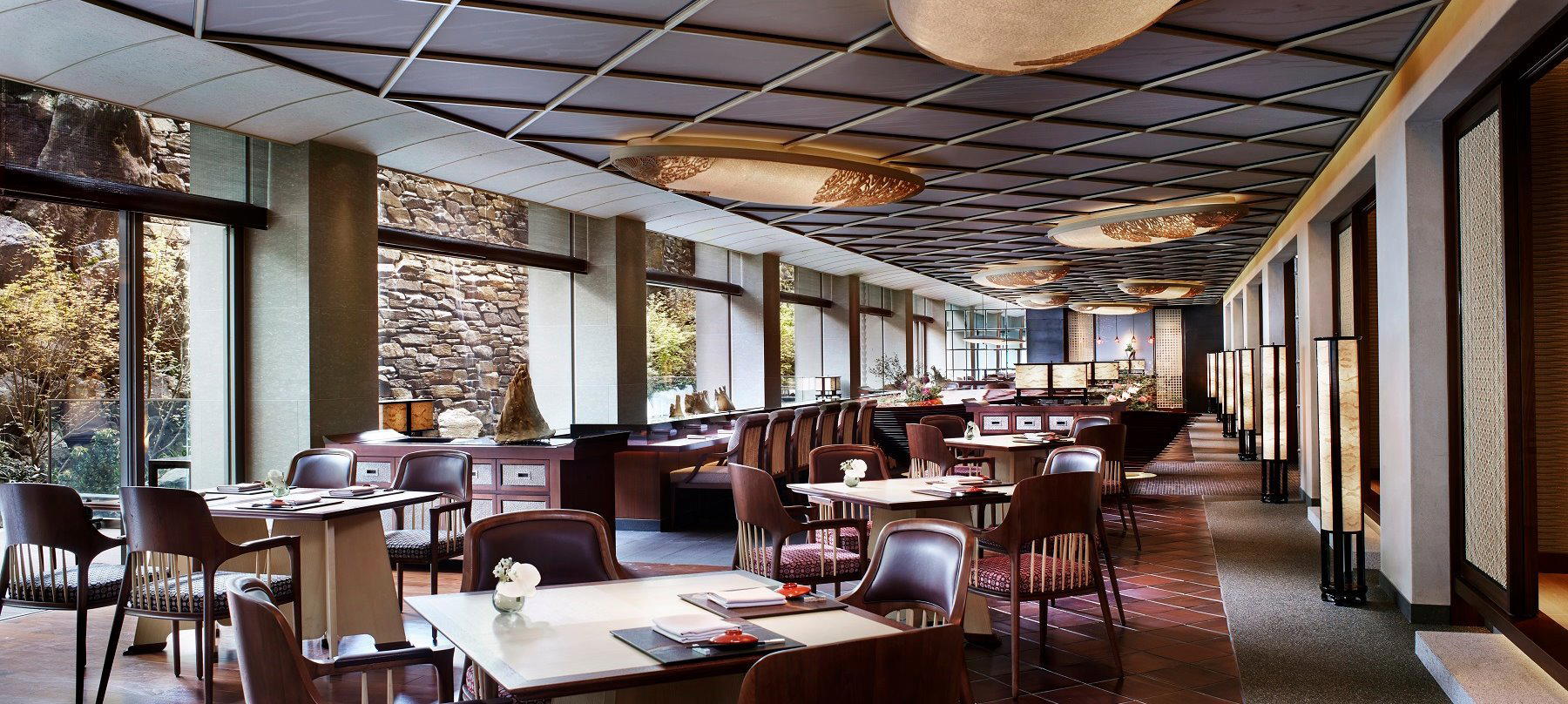
Details
- Lively
- Cozy
- Intimate
- Group Dining
- Family
- Casual Hangout
- Celebration
- After Work
- Standalone
- Sake Program
- Beer Program
- A La Carte
- Counter Dining
- Sake
- Shochu
- Wine
- Beer
Current opening hours
- Monday
- 5:30–9:30 PM
- Tuesday
- Closed
- Wednesday
- 5:30–9:30 PM
- Thursday
- 5:30–9:30 PM
- Friday
- 5:30–9:30 PM
- Saturday
- 5:30–9:30 PM
- Sunday
- 5:30–9 PM
Hours can change for holidays and private events. Hours as of .
Small, non‑smoking dining room with counter seating and a cozy, casual atmosphere that gets lively at dinner, focused on charcoal-grilled meats and comforting Chinese dishes rather than decor.