
Rikidou puts Gifu’s ramen culture into a compact, counter-only format, with ramen and tsukemen priced in the JPY 1,000–1,999 bracket. Its repeated selection for Tabelog Ramen EAST “Tabelog 100” from 2022 through 2025 places it in a narrow group of regional ramen shops that draw attention beyond local regulars.
Pearl is the En Primeur Club membership app — saves, bookings, and concierge access live there. Same editors, same standards.
- Address
- 岐阜県岐阜市島栄町2-53
- Phone
- +81582144385
- Website
- ja-jp.facebook.com
 Saves & bookings on Pearl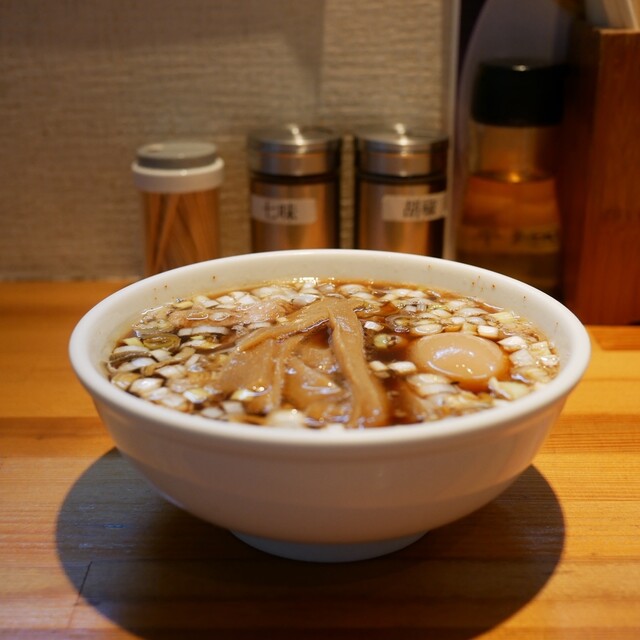
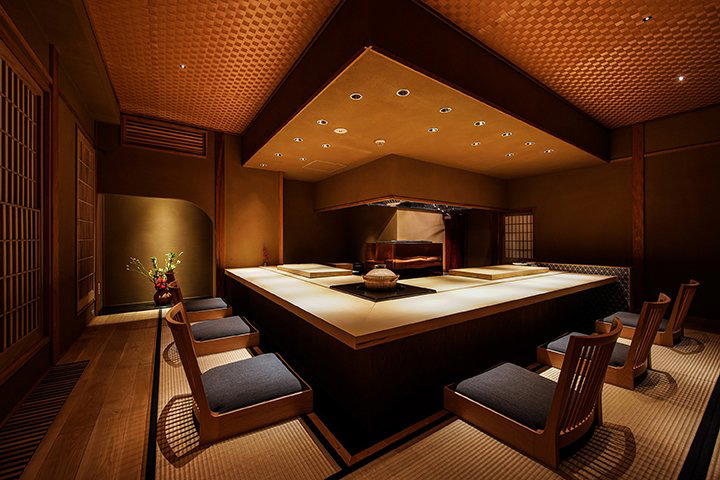
The room is built for ramen rather than ceremony: 11 counter seats, no private rooms, no reservations, and a service rhythm shaped by bowls moving quickly from kitchen to diner. In Gifu, where serious eating is often discussed through beef, river fish, soba, and regional washoku, a ramen counter with repeated national-platform recognition gives the city’s casual dining another reference point. Rikidou belongs to that category of Japanese ramen shop where the format is plain, the spending bracket stays accessible, and the scrutiny comes from repeat diners rather than linen-tablecloth theatrics.
Gifu ramen judged by stock, noodles, and restraint
Ramen in Japan is rarely a single cuisine; it is a set of decisions about stock concentration, noodle texture, fat, seasoning, and serving temperature. Gifu sits between larger food capitals and rural supply lines, which makes ingredient logic matter. A ramen or tsukemen shop here competes not by importing spectacle from Tokyo, but by making a compact bowl read clearly: broth with enough structure, noodles that hold their line, and toppings that do not drown the base. That is the useful way to read Rikidou’s recognition. Selection for Tabelog Ramen EAST “Tabelog 100” in 2022, 2023, 2024, and 2025 signals consistency across multiple cycles, not a single burst of attention.
The menu category matters. Ramen and tsukemen ask different things of a kitchen. Ramen depends on balance in the bowl from the first lift of noodles; tsukemen, with noodles served separately for dipping, exposes noodle texture and dipping-broth concentration more directly. In regional ramen culture, that split often separates casual slurping from a more analytical meal, because the diner can assess the noodle on its own before the broth takes over. Rikidou’s place in the conversation is therefore not just “a ramen shop in Gifu,” but a counter where both formats sit under the same price ceiling and award pressure.
That price tier is part of the point. With lunch and dinner budgets listed at JPY 1,000–1,999, the shop operates in the everyday ramen economy, not in the premium tasting-menu bracket that has pulled some Japanese noodle counters toward reservation-only dining. Nearby comparison helps frame that decision: Kochouan Semba and Soba Kura Tomi also sit in the JPY 1,000–1,999 bracket, while Chuka Dining Hanabi runs higher at dinner. The competitive set is therefore not luxury dining; it is the harder arena of repeatable value, where small differences in stock, noodle handling, and pacing decide whether diners return.
A counter format that rewards timing more than planning
Counter-only ramen has a different social contract from a restaurant built around lingering. The seat count is small, the meal is focused, and the queue, when it forms, is part of the operating model. Reservations are unavailable, and business runs until sold out, which makes timing the practical variable that matters. The listed service windows cover lunch and dinner, but the smarter reading is to treat the opening of each window as meaningful rather than assuming late arrival carries no risk.
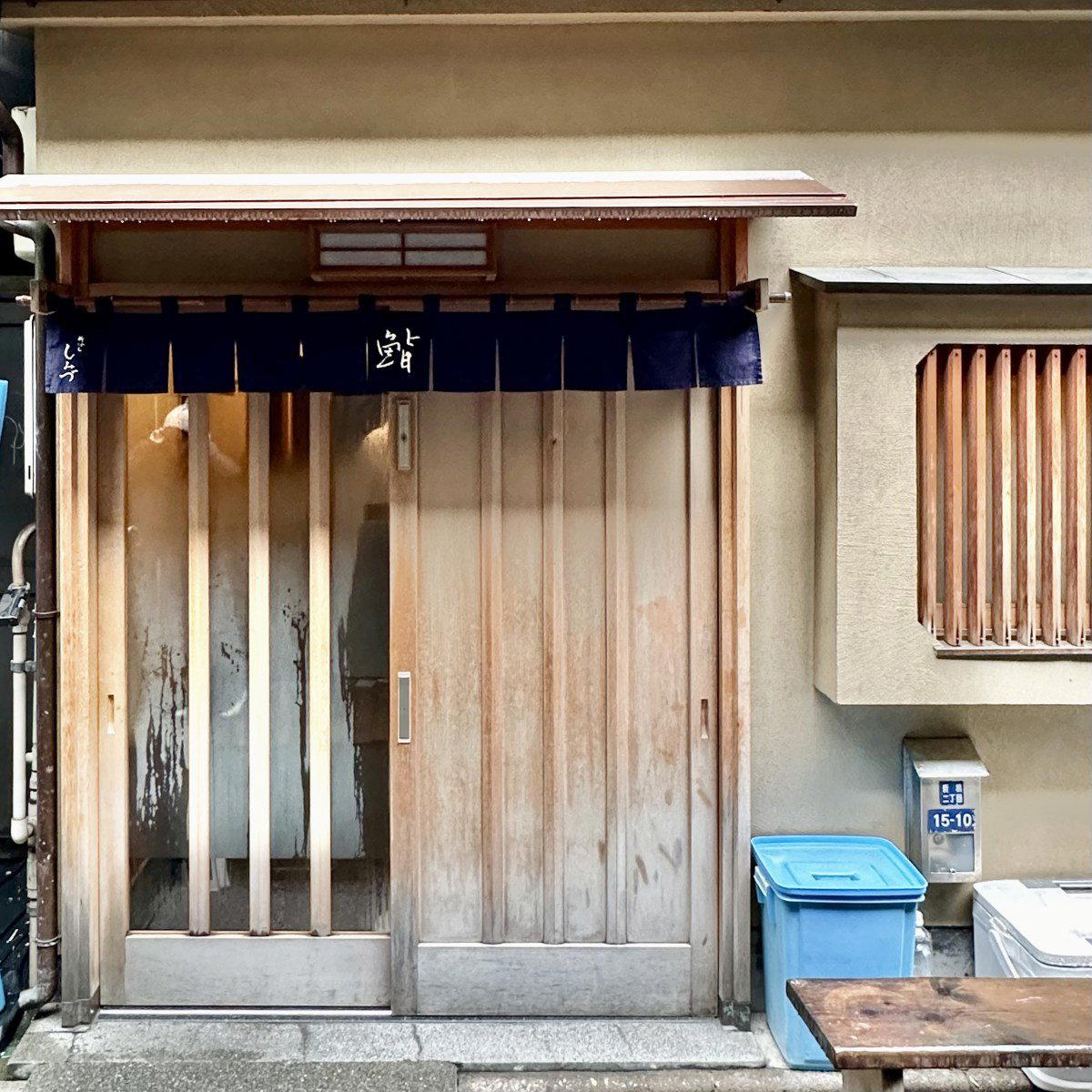
The location also shapes the visit. The address is in Shimasakaemachi, away from the immediate station-front cluster, with Meitetsu Gifu Station listed as the nearest rail point and local bus access via Chuseki-nishi. Parking is unusually relevant for this category: spaces are listed in front of the shop, on the east side, and behind the restaurant. That makes Rikidou more approachable by car than many urban ramen counters, and it also explains why the clientele can include diners crossing town rather than only pedestrians from the station area.
Payment and room details reinforce the old-school ramen-counter logic. Credit cards are not accepted, private rooms are unavailable, and the room is non-smoking. None of that is incidental. A cash-only counter with 11 seats and no reservation book keeps the experience closer to everyday Japanese ramen culture than to the internationalized version of ramen packaged for destination dining. The discipline is logistical as much as culinary: arrive with cash, expect a compact meal, and treat the counter as a place for focus rather than a long evening.
How it fits into a broader Gifu eating itinerary
Gifu rewards diners who mix formats. A city meal plan can move from ramen to soba, Chinese dining, French technique, cocktail bars, and local casual rooms without forcing everything into the same price or occasion. For readers mapping the city, Our full Gifu restaurants guide gives the broader dining frame, while Our full Gifu bars guide, Our full Gifu hotels guide, Our full Gifu wineries guide, and Our full Gifu experiences guide help separate a quick noodle stop from a wider trip.
Within Gifu, the useful contrast is not only cuisine type but pace. Aka Renga, Akane Ya, Belle Equipe (French), BAR-BAROSSA, and BAROSSA cocktailier point to a city where dining and drinking can stretch into the evening. Rikidou sits at the opposite end of that spectrum: short format, low spend, high turnover, and a recognition record that asks diners to take a casual bowl seriously.
That distinction also clarifies why regional ramen deserves editorial attention beyond Tokyo and Osaka. Japan’s noodle culture is sustained by shops whose budgets look modest but whose reputations are built through repetition. The comparison can extend across the country and beyond: -Grilled beef Sukiyaki- KAMAKURA TANUKIAN 鎌倉 たぬき庵 in Kamakura. 鮪と炭火焼き うお炭 秋葉原店 in Tokyo.cafe in Osaka.know in Kumamoto, (Shoku) Vietnam in Kawasaki, [Curry Senmon Ten] Maruyama Kyoju. in Sapporo, Jōdo Saké Bar in Los Angeles, and Onigiri Time in Pasadena all show how single-format restaurants can carry serious intent without luxury coding.
The editorial read is clear: this is a Gifu ramen counter for diners who care about craft but do not need ceremony around it. The award history supplies the external signal, the price bracket keeps expectations grounded, and the no-reservation counter format makes execution visible. In a city where regional food identity often gets framed through ingredients and tradition, Rikidou argues for the bowl as a compact measure of both.
In Context: Similar Options
Comparable venues by cuisine and price in the same metro.
| Venue | Cuisine | Price | Notes |
|---|---|---|---|
| RikidouThis venue — the venue you are viewing | Ramen & tsukemen shop | $$ | Not listed |
| Sake no Tori | Traditional Yakitori & Sake Bar | $ | Jūnoecho / central Gifu |
| Tejaku Kappou Terada | Seasonal Japanese Kappo & Izakaya | $$$ | Gifu Station area |
| Prelude Fukumitsu ten | French-style cake shop & cafe | $$ | Fukumitsu Minamimachi |
| Setsu Gekka Nagara | Yakiniku (Japanese BBQ) | $$$ | Gifu City |
| Takumi Hirano | Traditional Japanese Kaiseki | $$$ | Yanagase / Onamicho |
Recognition history
Dated appearances from independent guides and award organizations, with the underlying list record or original source where available.
Tabelog 100 #49 · No. 49
Tabelog · Tabelog 100 - Ramen - EAST - 2025
Continue exploring
More in Gifu
Restaurants in Gifu
Browse all →
At a Glance
- Solo
- Casual Hangout
- Late Night
- Standalone