Tsatsiki sits in the small Lower Austrian village of Sooß, a setting that positions it within the broader tradition of Austrian destination dining where the distance from a major city is part of the proposition. The surrounding agricultural region shapes what arrives on the plate, placing ingredient provenance at the centre of the experience. For context on Austria's wider dining scene, see our full Soo restaurants guide.
Pearl is the En Primeur Club membership app — saves, bookings, and concierge access live there. Same editors, same standards.
- Address
- Bezirksstraße 1, 2504 Sooß, Austria
- Phone
- +43225222870
- Website
- tsatsiki.at
- Directions
- Get directions
 Saves & bookings on Pearl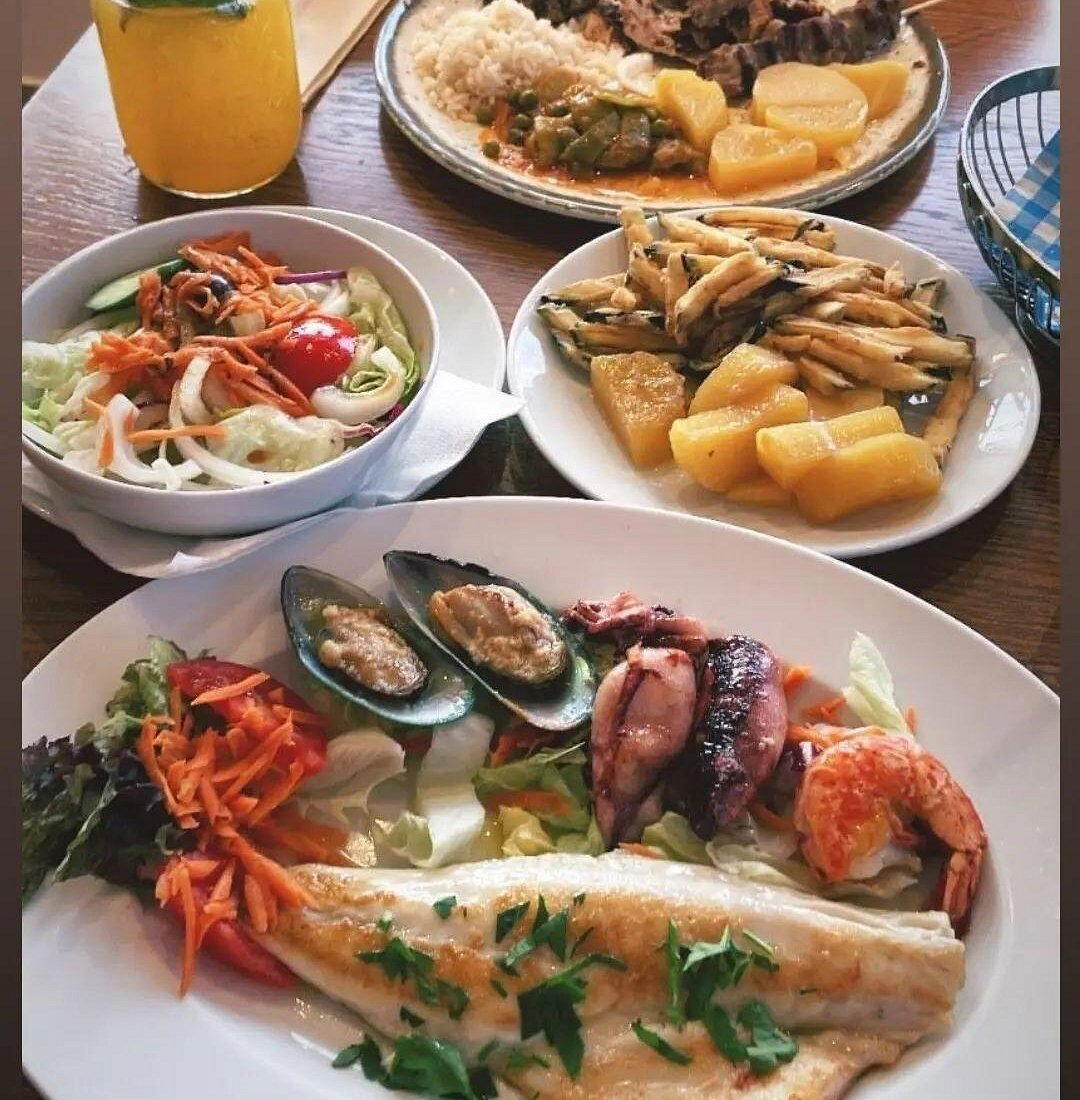
A Village Address in Lower Austria's Quiet Wine Country
Lower Austria's southern fringe, where the Baden district gives way to the foothills above the Triesting valley, is not where most visitors expect to find serious cooking. Yet Austrian destination dining has long operated on exactly this logic: that distance from the capital is not a handicap but a structural advantage, one that ties a kitchen directly to local farmers, foragers, and producers rather than to the supply chains that urban restaurants depend on. Sooß, a small wine-growing community at an elevation above Baden, sits in this tradition. Tsatsiki occupies an address at Bezirksstraße 1, a thoroughfare that signals village centre rather than resort strip, and that placement is the first editorial fact worth registering.
The approach through Sooß sets expectations that the Viennese dining corridor, think the formal grandeur of Steirereck im Stadtpark in Vienna, does not. There is no arrival theatre here, no doorman or valet. What the area offers instead is the particular quietness of an agricultural community that has not been repackaged for tourism, which in Austria's premium dining context often correlates with food that reflects where it actually is rather than where it aspires to be.
The Ingredient Argument: Why Provenance Matters in This Corner of Austria
Austrian cuisine at its most considered has always been partly a sourcing argument. The country's premium kitchens, from Döllerer in Golling an der Salzach to Landhaus Bacher in Mautern an der Donau, have built reputations in part by anchoring menus to what grows or grazes within a defined radius. The Baden district, where Sooß sits, contributes meaningfully to this picture: the area's hillside viticulture produces Pinot Blanc and Pinot Noir of genuine character, and the surrounding farmland supports the kind of small-scale vegetable and livestock production that urban kitchens find difficult to sustain at scale.
For a restaurant named Tsatsiki, a reference that points immediately toward the eastern Mediterranean rather than the Alpine tradition, this geographic grounding raises an interesting question about how local sourcing intersects with a cuisine that is not native to the region. The leading parallel in the Austrian context is the way that Kräuterreich by Vitus Winkler in Sankt Veit im Pongau uses Alpine herb culture as a lens through which to reinterpret classical technique, the ingredient logic is regional even when the culinary language draws from elsewhere.
Where Tsatsiki Sits in the Austrian Dining Spectrum
Austrian dining in 2024 operates across a clear tier structure. At the leading, Michelin-decorated kitchens such as Ikarus in Salzburg and Gourmetrestaurant Tannenhof in Sankt Anton am Arlberg function as destination properties in their own right, drawing guests who plan trips around a table booking. Below that tier, a wide middle band of regional restaurants, many operating in village or small-town settings, serves a combination of local regulars and informed travellers who seek cooking that reflects specific geography. Venues like Ois in Neufelden and Atelier Fischer in Sankt Gilgen demonstrate that serious kitchens operate well outside the Michelin-mapped urban centres.
Tsatsiki's village address and the relative obscurity of Sooß as a dining destination place it in this middle register, at least provisionally. The name signals a culinary identity that diverges from the Austro-Alpine mainstream, which in itself positions it differently from the classical Austrian kitchens that anchor the regional scene, including Obauer in Werfen and Taubenkobel in Schützen am Gebirge. Internationally, the contrast is even sharper: precision-led tasting menu culture, as practised at Le Bernardin in New York City or the Korean-inflected ambition of Atomix in New York City, operates in a fundamentally different register from a village restaurant in Lower Austria. That is not a hierarchy, it is simply an accurate map of what kind of experience each setting is built to deliver.
The Atmosphere in Context: What Sooß Offers That Baden Does Not
Baden bei Wien, the spa town eleven kilometres to the north, carries the accumulated infrastructure of Habsburg leisure: the casino, the thermal baths, the grand promenades. Sooß, refined above it on the hillside, has none of that apparatus. The village exists at a quieter register, with the rhythm of a wine-growing community rather than a resort. This affects dining atmosphere in concrete ways. The rooms that restaurants occupy in such settings tend to be smaller, the clientele more local on weekday evenings and more specifically motivated when visitors appear. Compare this to the competitive alpine dining destinations, Griggeler Stuba in Lech or Stüva in Ischgl, where ski-season demand creates a different social dynamic. Sooß in any season reads as still and self-contained, which suits a certain kind of meal.
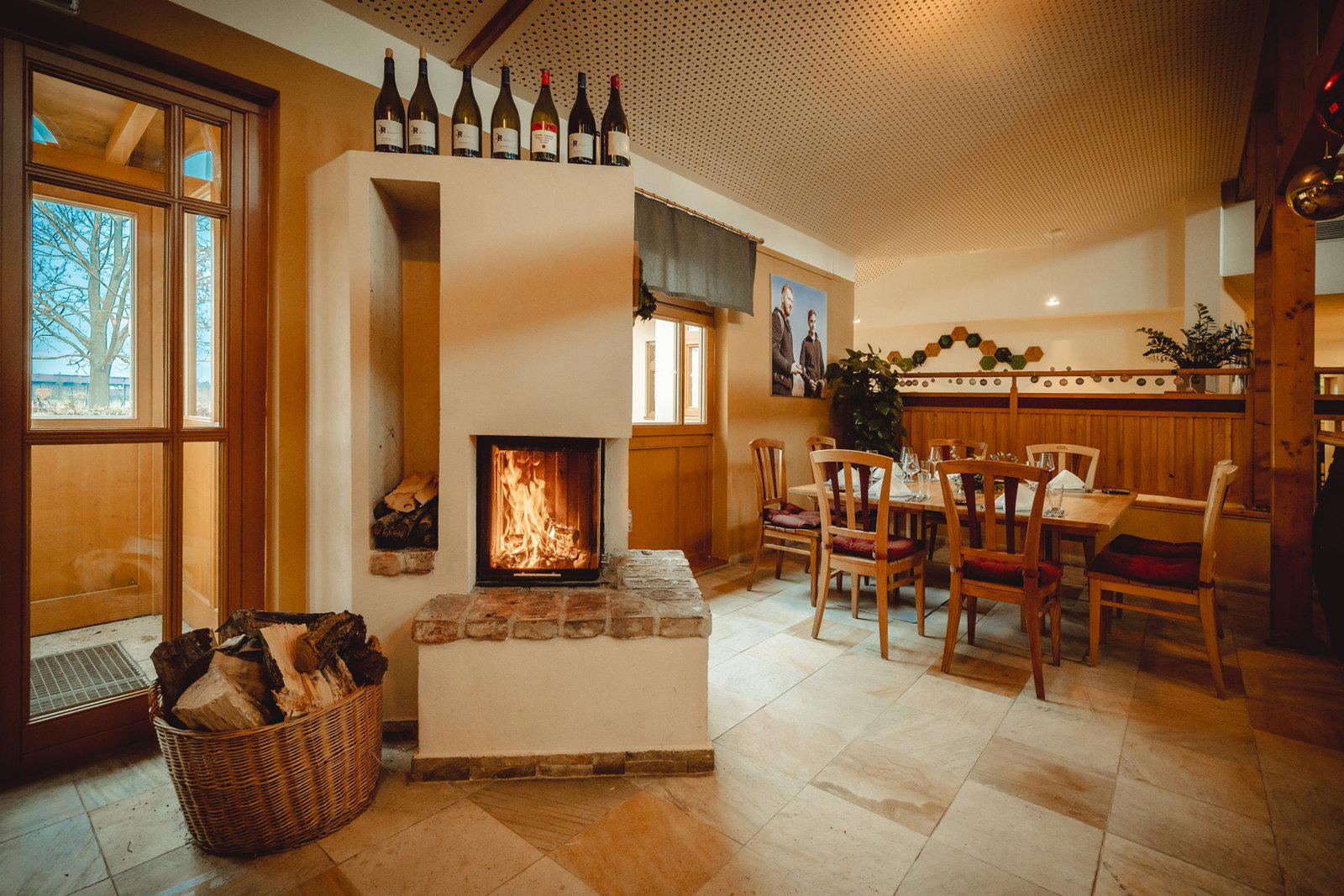
Tsatsiki's interior, acoustics, and service style are not described in the available record. What can be said with confidence is that the address, a village main road in a community of fewer than a thousand residents, frames the experience before the door opens.
Planning a Visit to Tsatsiki in Sooß
Sooß sits roughly thirty kilometres south of Vienna, accessible by car via the A2 motorway toward Graz with a turn toward Baden and the hillside villages above it. The Baden S-Bahn connection from Vienna's Stadtbahn network reaches Baden itself, from which local transport or a short taxi journey covers the remaining elevation to Sooß. This is not a spontaneous walk-in destination from the capital, it requires intent, which is broadly true of the small-village dining circuit across Lower Austria and Styria. Venues like Schwarzer Adler in Hall in Tirol and Restaurant 141 by Joachim Jaud in Mieming operate under similar access conditions and attract guests who plan accordingly. Booking ahead is advisable. Tsatsiki recommends reservations.
Those comparing Sooß to the Graz corridor may also find Artis in Graz a useful reference point for the wider Lower and Central Austrian dining circuit.
Quick Comparison
Comparable venues nearby, for context on price, style, and recognition.
| Venue | Cuisine | Price | Notes |
|---|---|---|---|
| TsatsikiThis venue — the venue you are viewing | Greek | $$ | Not listed |
| Kafeneon | Authentic Greek Mezedes | $$ | Josefstadt |
| Marcos Fresh Greek | Modern Greek Street Food | $ | Wien-Mitte |
| Griechische Taverne Am Sachsengang | Authentic Greek Taverna | $$ | Gross-Enzersdorf |
| Greek Restaurant Dimitra | Authentic Greek | $$ | Seiersberg |
| Amterl | Austrian Fusion Grill | $$ | Baden city center |
Continue exploring
More in Sooß
Restaurants in Sooß
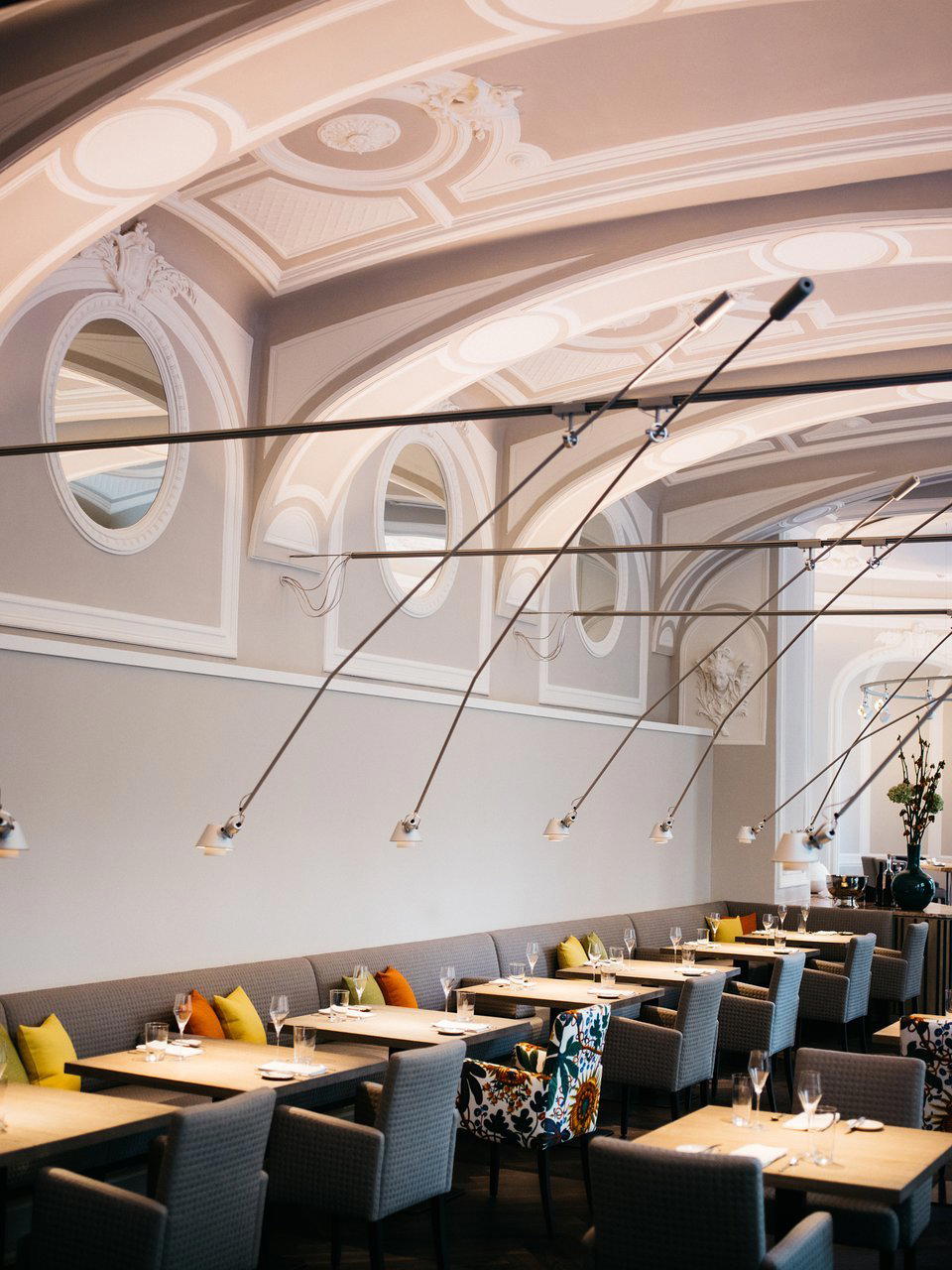
Browse all →![[aend] restaurant in Vienna](https://cdn.enprimeurclub.com/storage/v1/object/public/images/locations/recsVyRkMfzCxPmp0/hero2.jpg?width=3840&quality=75)
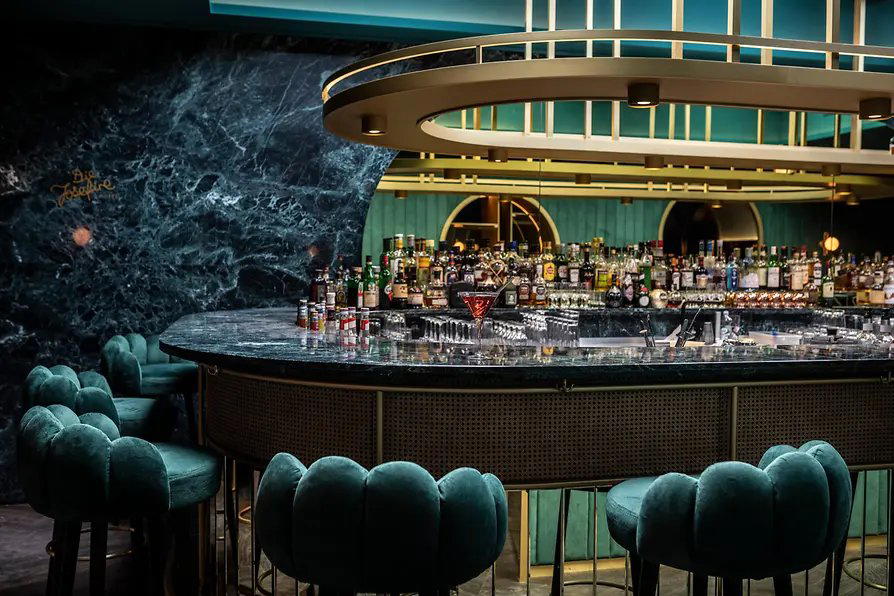
Bars in Sooß
Browse all →
Hotels in Sooß
Browse all →


At a Glance
- Casual Hangout
- Beer Program
Current opening hours
- Monday
- Closed
- Tuesday
- 11:30 AM–10:30 PM
- Wednesday
- 11:30 AM–10:30 PM
- Thursday
- 11:30 AM–10:30 PM
- Friday
- 11:30 AM–10:30 PM
- Saturday
- 11:30 AM–10:30 PM
- Sunday
- 11:30 AM–10:30 PM
Hours can change for holidays and private events. Last verified .