Situated on Baden's Hauptplatz, Amterl occupies one of Lower Austria's most storied town squares, a short train ride from Vienna. The restaurant draws on the region's agricultural depth, placing it within Baden's mid-range dining scene alongside neighbours like ArteMia and Le Gavrinis. For visitors exploring the spa town's thermal heritage and vine-covered hills, it serves as a grounded local reference point.
Pearl is the En Primeur Club membership app — saves, bookings, and concierge access live there. Same editors, same standards.
- Address
- Hauptpl. 2, 2500 Baden, Austria
- Phone
- +43225245953
- Website
- amterl.at
- Directions
- Get directions
 Saves & bookings on Pearl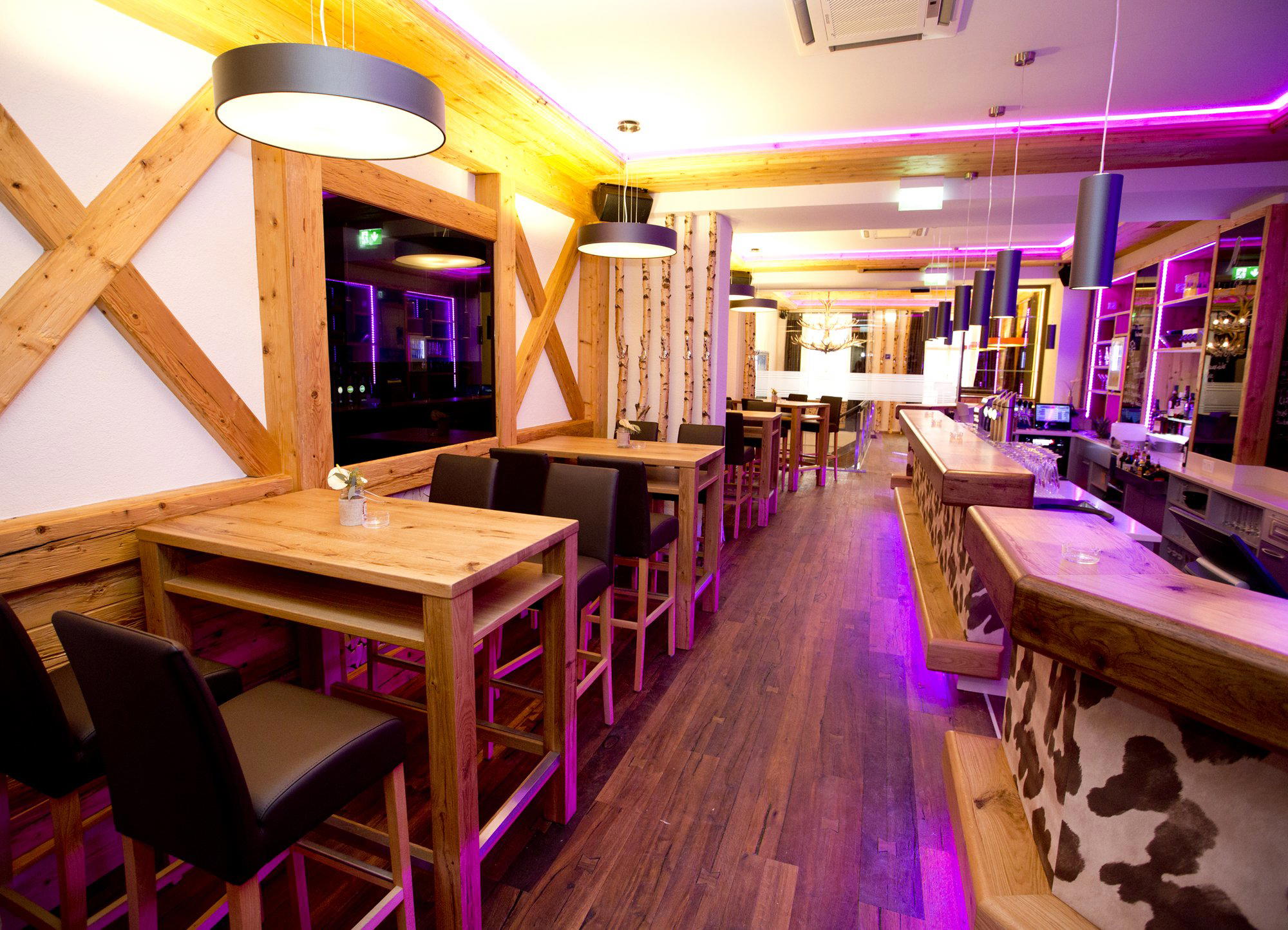
A Town Square Address in Lower Austria's Wine Country
Baden bei Wien sits roughly 26 kilometres south of the capital, reachable in under an hour on the regional S-Bahn, and its Hauptplatz has functioned as the civic and commercial heart of the town for centuries. The square is framed by Biedermeier-era facades, a plague column, and the pedestrian rhythm that distinguishes spa towns from ordinary provincial centres. Amterl, addressed directly at Hauptpl. 2, occupies that prime position on the square, placing it at the intersection of foot traffic from the thermal baths district and the wine-country day-tripper routes that bring visitors in from the surrounding Thermenregion vineyards.
That geographic context is worth holding in mind. Baden is not Vienna's dormitory suburb; it is an independent gastronomic address with its own local-produce logic. The Thermenregion wine district surrounds the town, producing Pinot Noir and Rotgipfler under conditions shaped by the eastern edge of the Alps. Restaurants anchored on the Hauptplatz have access, in principle, to some of Austria's most characterful indigenous varieties at the cellar door, as well as to the vegetables, game, and dairy that move through the region's agricultural supply chains.
Where Ingredient Sourcing Defines the Dining Scene
Lower Austrian cooking at its most considered operates through proximity. The distance between field and kitchen in the Thermenregion is short in a way that urban Austrian dining rarely achieves, and the leading regional tables treat that proximity as a structural advantage rather than a marketing note. Across Austria, this sourcing discipline has shaped many serious restaurants for two decades. Landhaus Bacher in Mautern an der Donau built its reputation on exactly this model, tying its kitchen to the Wachau's produce seasons over decades. Döllerer in Golling an der Salzach takes a similar approach in the Salzburg Alps, with a larder that maps directly onto the surrounding terrain.
The pattern repeats across the country's serious dining addresses. Obauer in Werfen and Kräuterreich by Vitus Winkler in Sankt Veit im Pongau both work within tight regional sourcing frameworks, and the cumulative effect on Austrian dining culture is a bias toward seasonal depth over year-round consistency. For a restaurant on Baden's Hauptplatz, that inherited regional expectation carries weight: the Thermenregion grows Rotgipfler and Zierfandler almost exclusively within its own boundaries, and the local wine story alone creates a natural pairing infrastructure that most addresses would have to import from elsewhere.
Baden's Mid-Market Dining and Where Amterl Sits
Baden's restaurant scene is smaller than its thermal-spa footfall might suggest. The town supports a handful of destination-level addresses alongside a broader layer of wine-tavern and casual dining options. On the Hauptplatz and its immediate surrounds, the competitive set includes Le Gavrinis, which operates at the €€€ tier with a Modern Cuisine format, and ArteMia, which holds a position in the same neighbourhood. The Casino Restaurant Baden draws a different clientele, anchored to the gaming venue, while Crêperie La Goélette and DORY & DU occupy more casual registers.
Amterl's Hauptplatz address places it in the central, most visible tier of that scene. Town-square restaurants in Austrian spa towns often serve lunch and dinner, capturing both daytime visitors and evening traffic from nearby vineyards. That dual-audience dynamic shapes menus in a particular direction: broad enough to satisfy a casual visitor, but with enough regional specificity to hold the interest of someone who has eaten their way across Lower Austrian tables.
The Austrian Regional Table in International Context
Austrian cuisine occupies a specific niche in European dining, one that remains underrepresented in international food media relative to its actual depth. The country's serious tables sit within a tradition that combines central European bourgeois cooking with Alpine ingredient precision and, increasingly, a wine culture that rivals stronger examples from the continent's native-variety specialists. Steirereck im Stadtpark in Vienna functions as the country's most visible benchmark, but the regional tier below it carries significant weight. Addresses like Ois in Neufelden, Gourmetrestaurant Tannenhof in Sankt Anton am Arlberg, and Stüva in Ischgl each demonstrate how far provincial Austrian cooking can reach when the sourcing infrastructure is in place.
For visitors arriving from cities where produce supply chains are longer, the proximity logic of a Thermenregion table registers differently than it does for a local audience. The comparison to destination restaurants in other contexts is instructive: Le Bernardin in New York City or Lazy Bear in San Francisco operate within entirely different sourcing ecosystems, where the supply chain is curated over months and distances. A Lower Austrian restaurant with direct access to regional wine and seasonal agricultural produce is working from a different structural position, one where the ingredient story does not need to be constructed because it already exists in the surrounding landscape. Schwarzer Adler in Hall in Tirol and Restaurant 141 by Joachim Jaud in Mieming represent how that structural advantage plays out in Alpine western Austria; the Thermenregion offers an eastern equivalent with a wine dimension those mountain addresses cannot replicate.
Planning a Visit
Baden is direct to reach from Vienna: the Baden S-Bahn line (S1) runs regularly from Wien Meidling and Wien Hauptbahnhof, with a journey time of around 30 minutes, making day trips viable. The Hauptplatz is a short walk from the Baden terminal. As with most mid-market restaurants in Austrian spa towns, advance enquiry is worth making for weekend visits during the thermal season and through the autumn wine harvest period, when the Thermenregion draws a heavier visitor flow. 2, 2500 Baden, is one reliable approach for current information.
Side-by-Side Snapshot
Comparable venues nearby, for context on price, style, and recognition.
| Venue | Cuisine | Price | Notes |
|---|---|---|---|
| AmterlThis venue — the venue you are viewing | Austrian Fusion Grill | $$ | Not listed |
| Krennmayers | Classic Austrian with Mediterranean Touches | $$ | city center |
| Marktamt | Seafood & Mediterranean | $$$ | Baden bei Wien |
| El Gaucho at Josefsbad | Argentine Steakhouse | $$$$ | Baden |
| Restaurant Rudolfshof | Traditional Austrian Home-Style | $$ | Gaminger Berg |
| Raw Energy | Healthy Bowls & Bagels | $$ | Grüner Markt |
Continue exploring
More in Baden
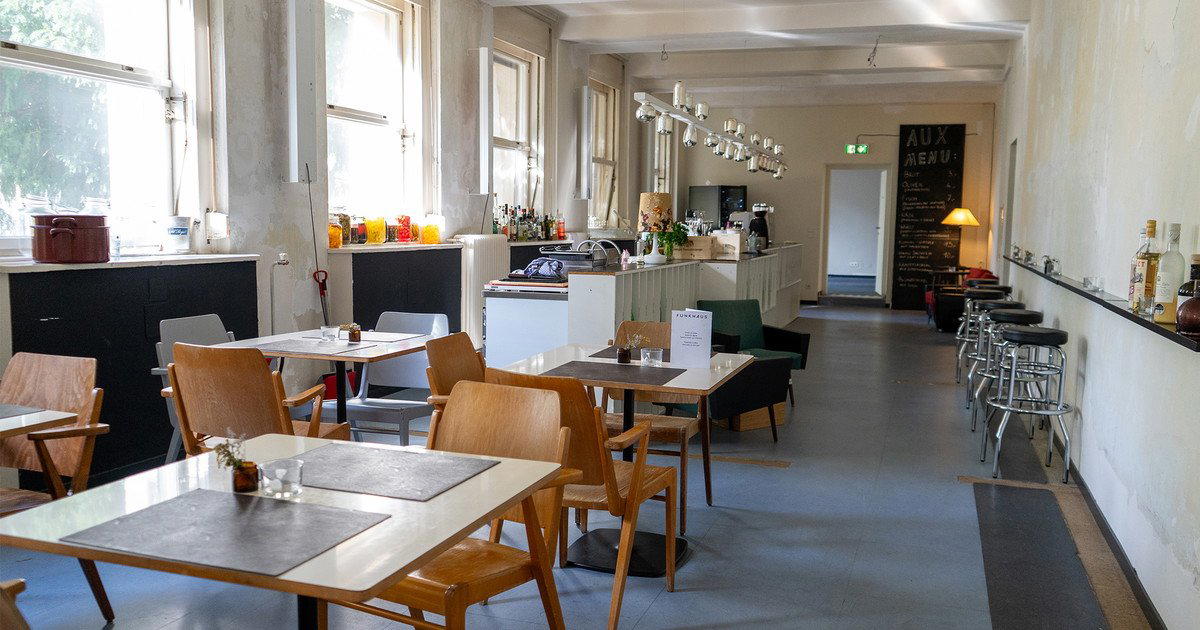
Restaurants in Baden
Browse all →![[aend] restaurant in Vienna](https://cdn.enprimeurclub.com/storage/v1/object/public/images/locations/recsVyRkMfzCxPmp0/hero2.jpg?width=3840&quality=75)
Bars in Baden
Browse all →

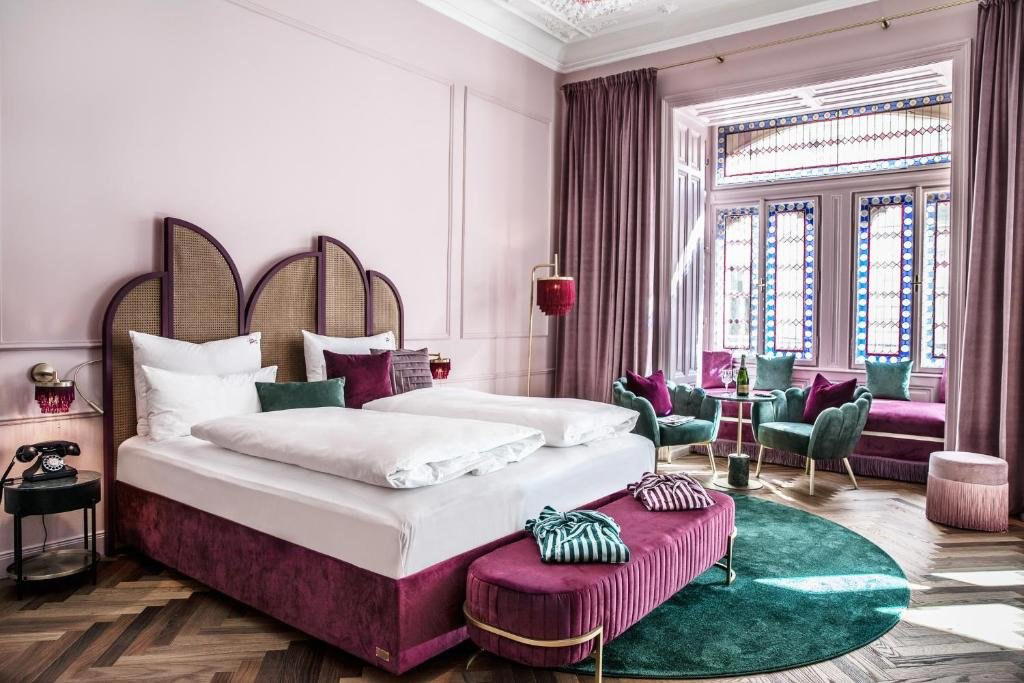
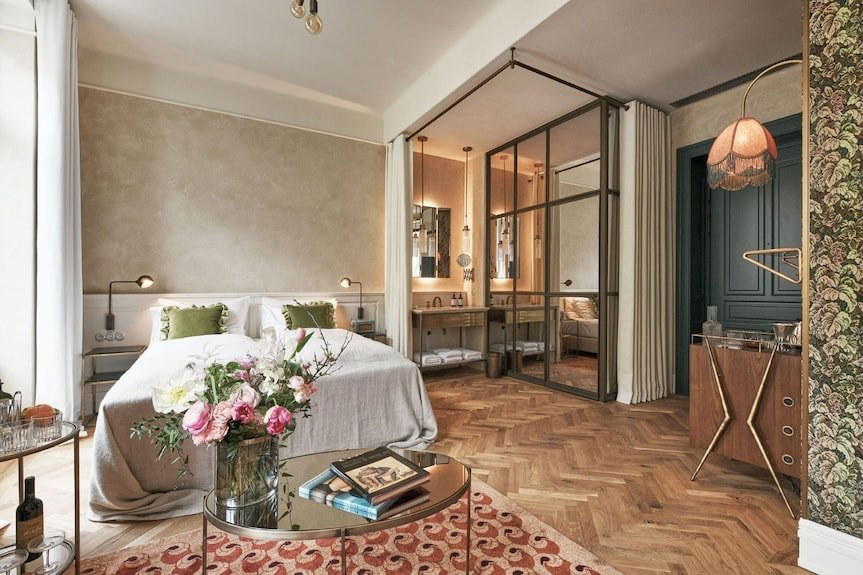
Hotels in Baden
Browse all →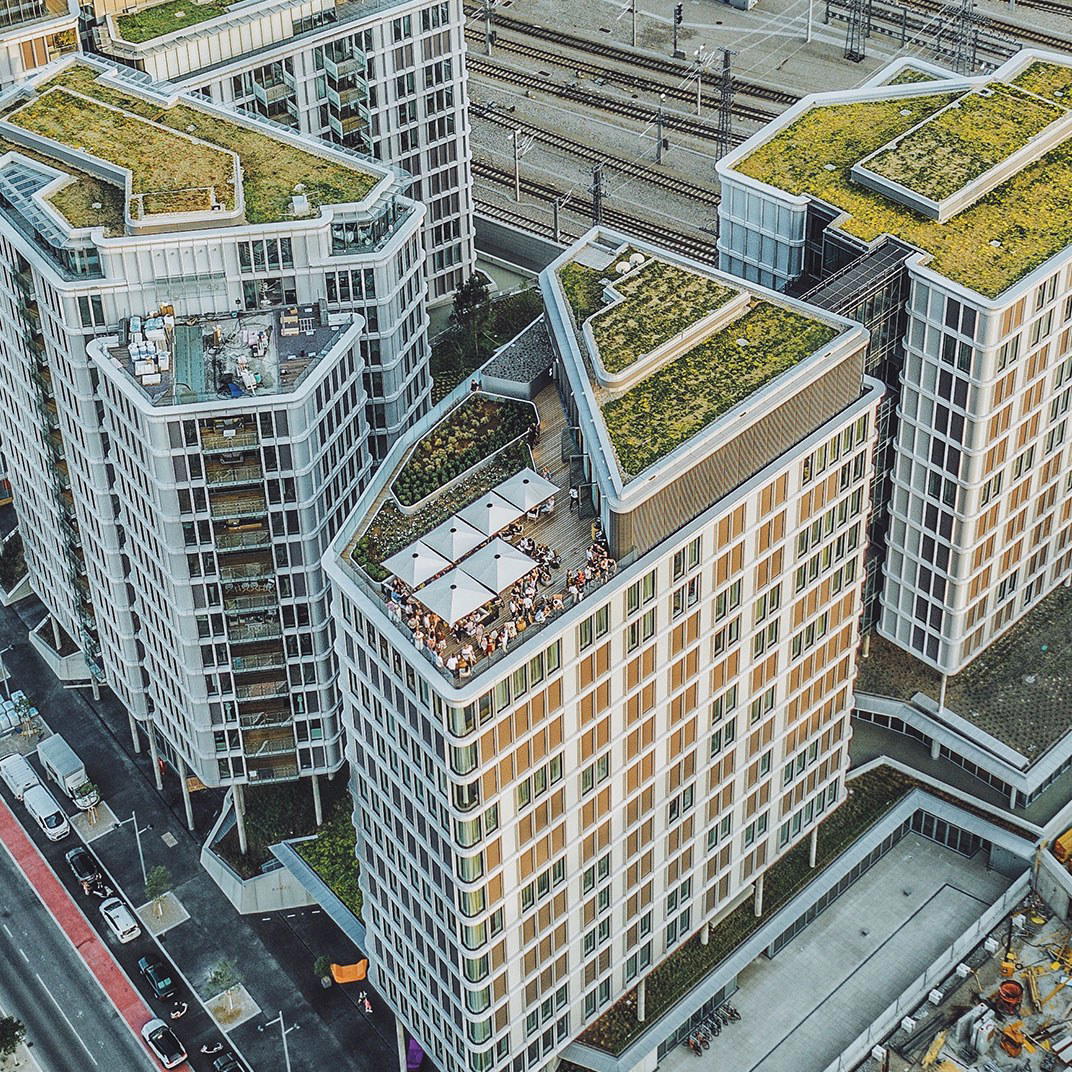
At a Glance
- Cozy
- Lively
- Classic
- Elegant
- Casual Hangout
- Group Dining
- Date Night
- Family
- Terrace
- Open Kitchen
- Design Destination
- Beer Program
- Local Sourcing
- Street Scene
Current opening hours
- Monday
- 10 AM–11 PM
- Tuesday
- 10 AM–11 PM
- Wednesday
- 10 AM–11 PM
- Thursday
- 10 AM–11 PM
- Friday
- 10 AM–12 AM
- Saturday
- 10 AM–12 AM
- Sunday
- 11 AM–10:30 PM
Hours can change for holidays and private events. Last verified .
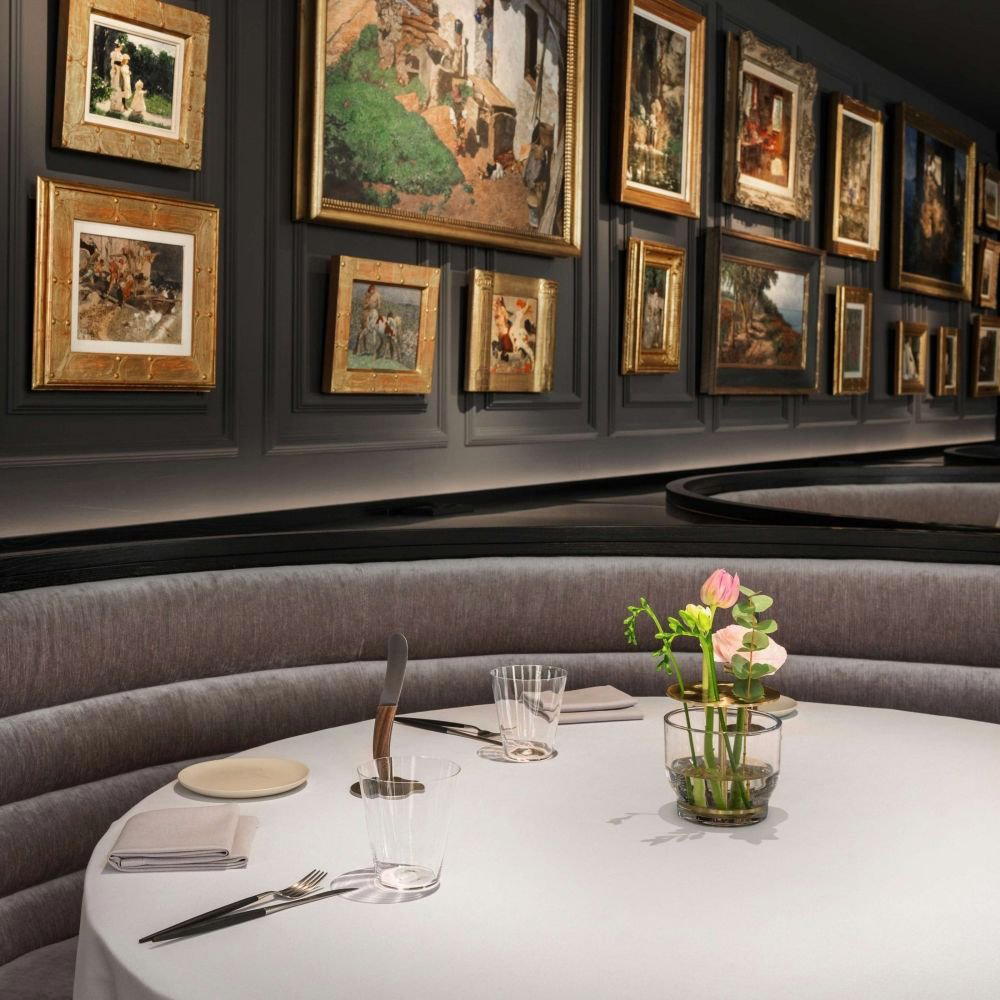
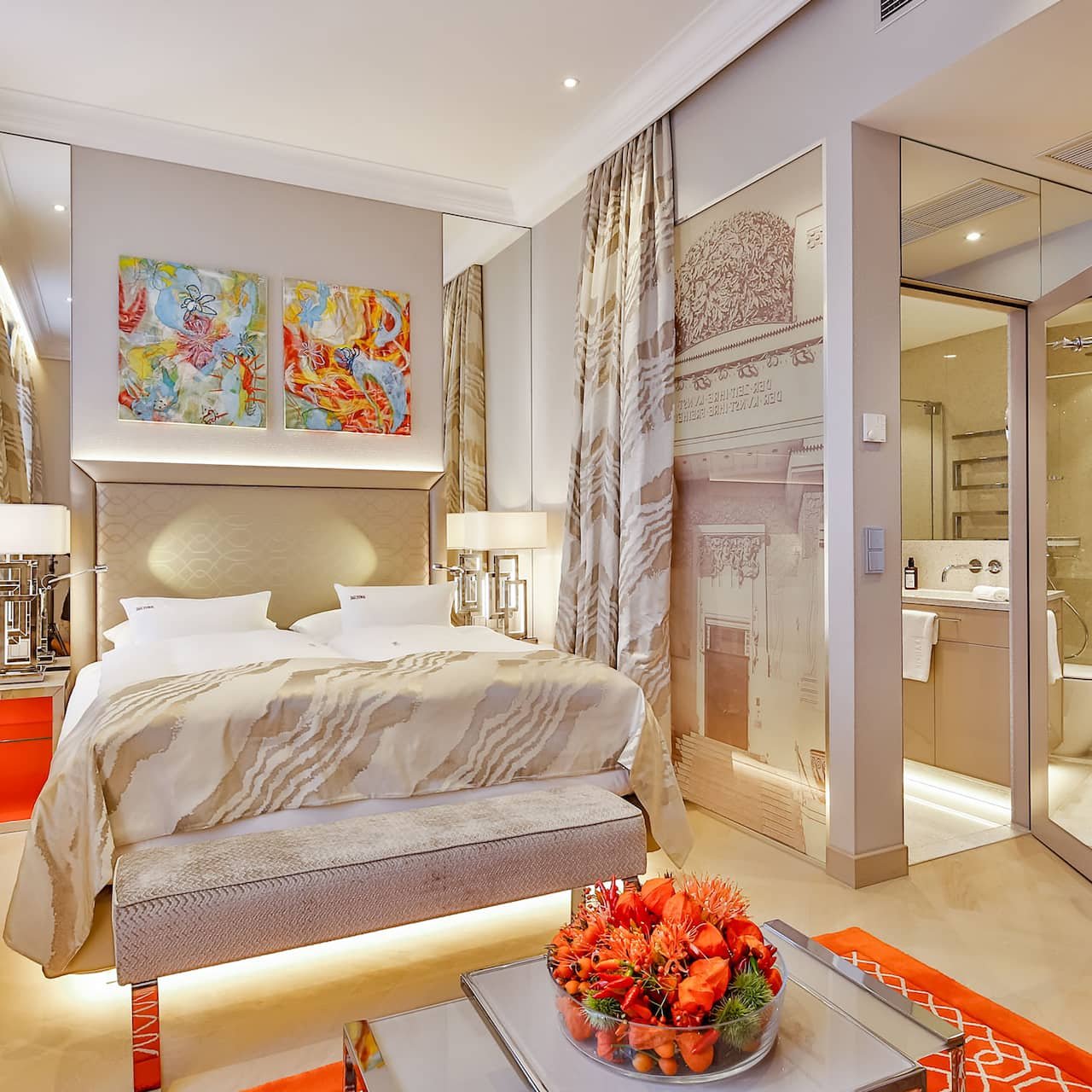
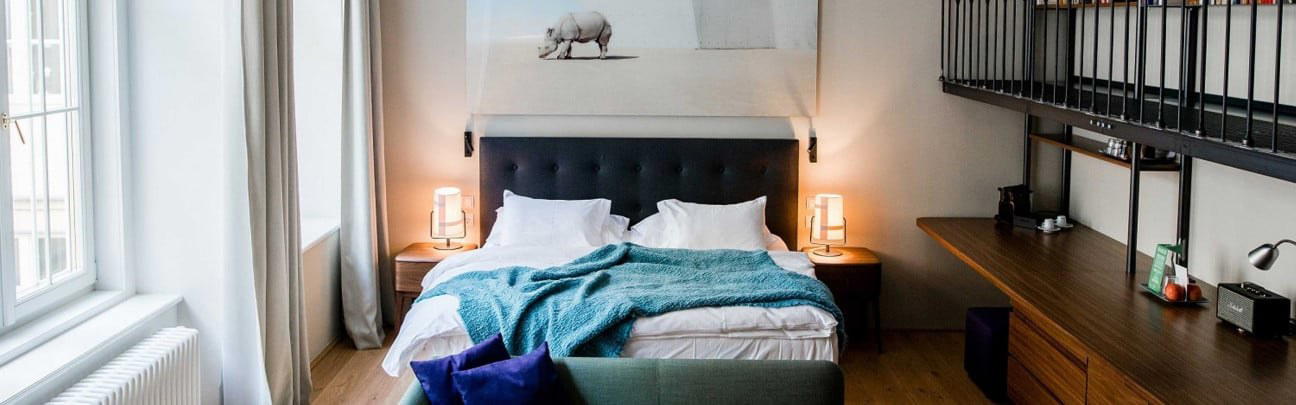
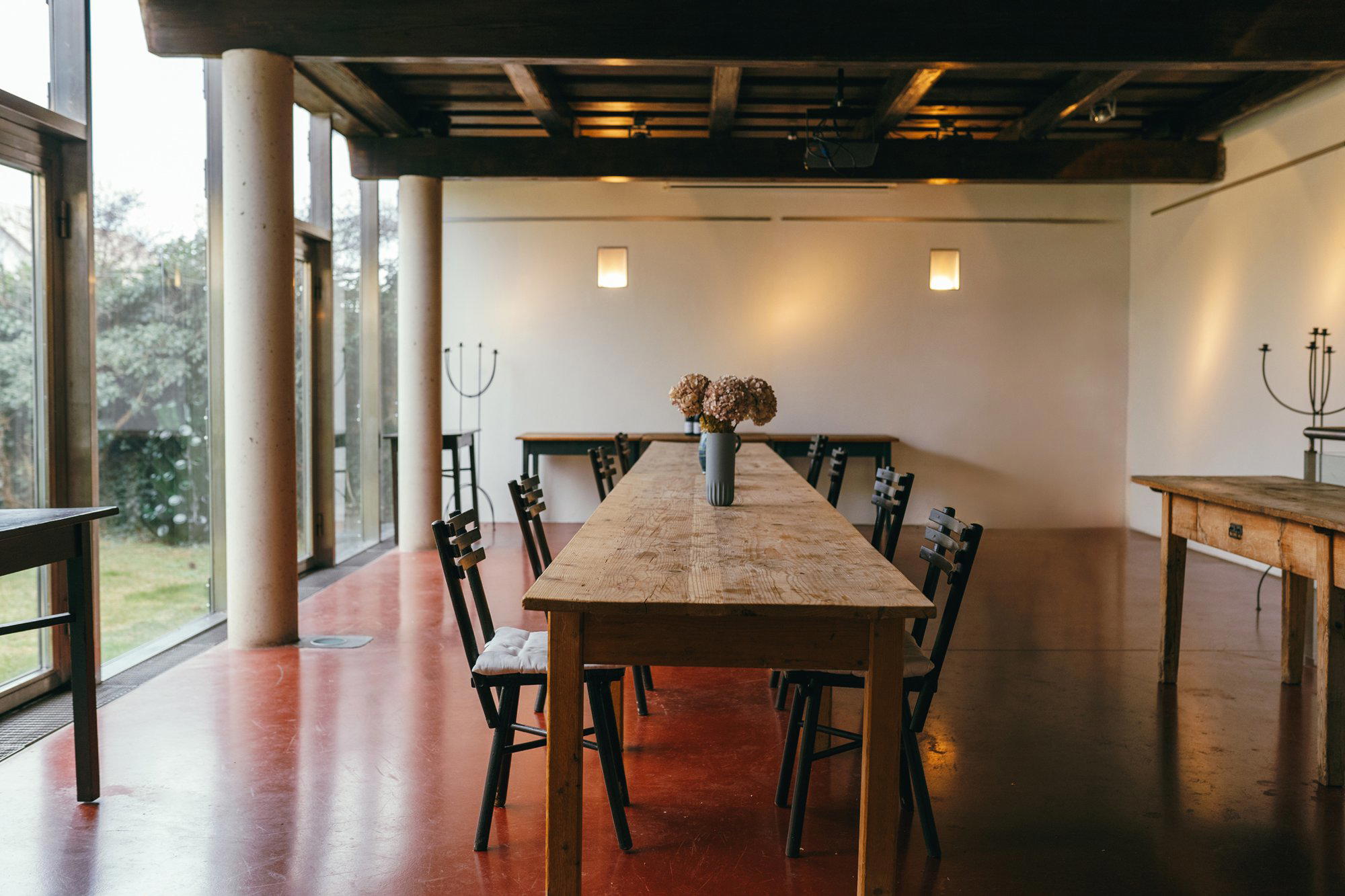
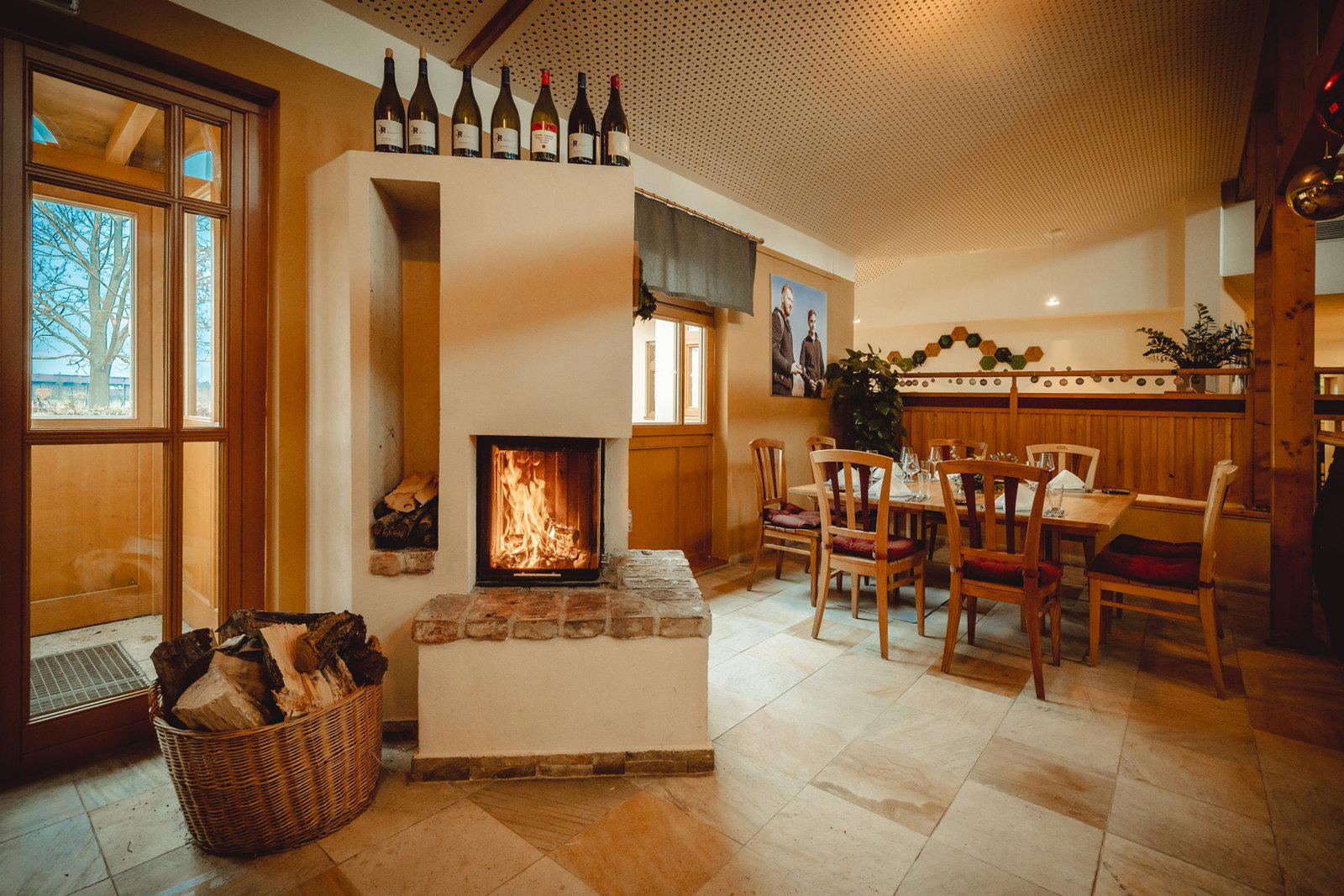
Relaxed and inviting with wooden interior, modern touches, and an impressive art collection; lively street-facing terrace atmosphere with hustle and bustle of the town center.